
Nutrition comparison
Fig vs Apricots: Which Is Healthier for Daily Snacking?
Compare figs and apricots on sugar, fiber, calories, and vitamins. Find out which fruit is better for weight loss, blood sugar, and everyday nutrition.
Overall winner · Apricots
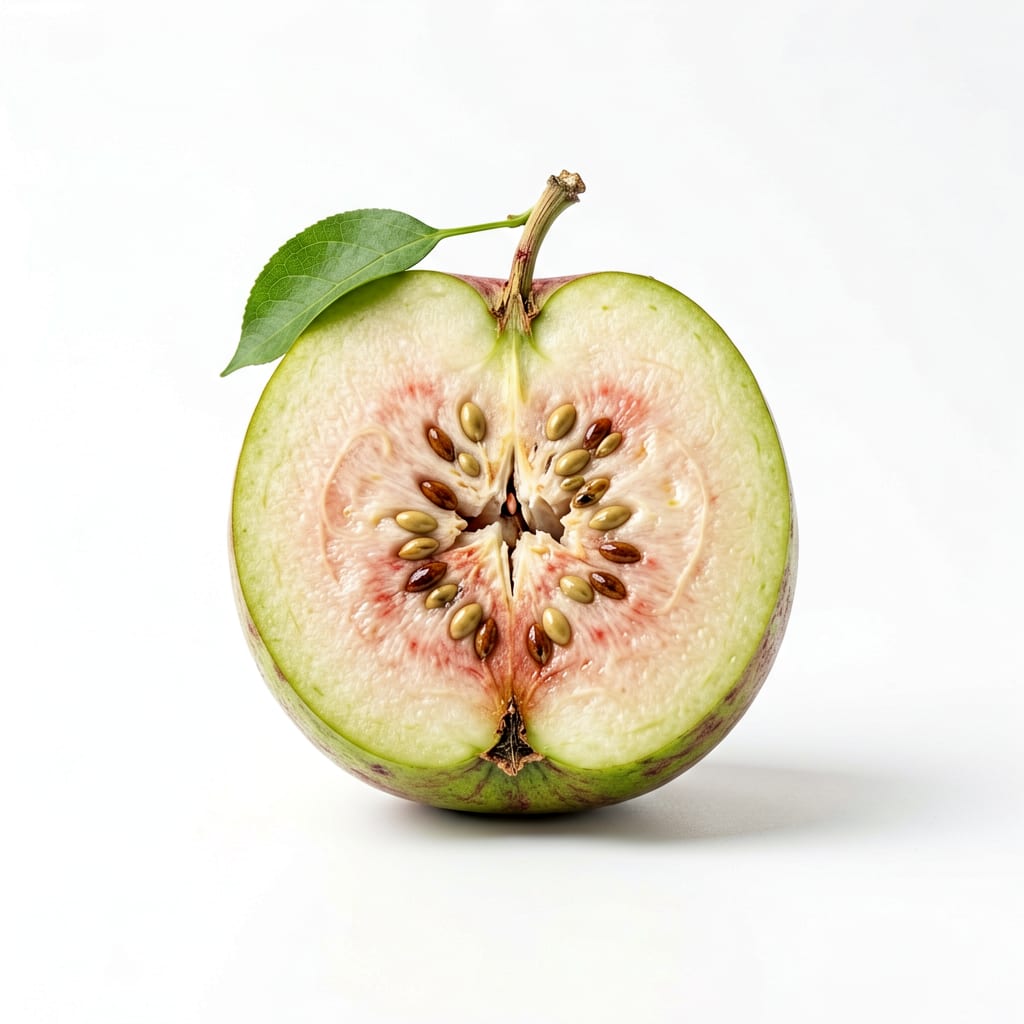
Fig
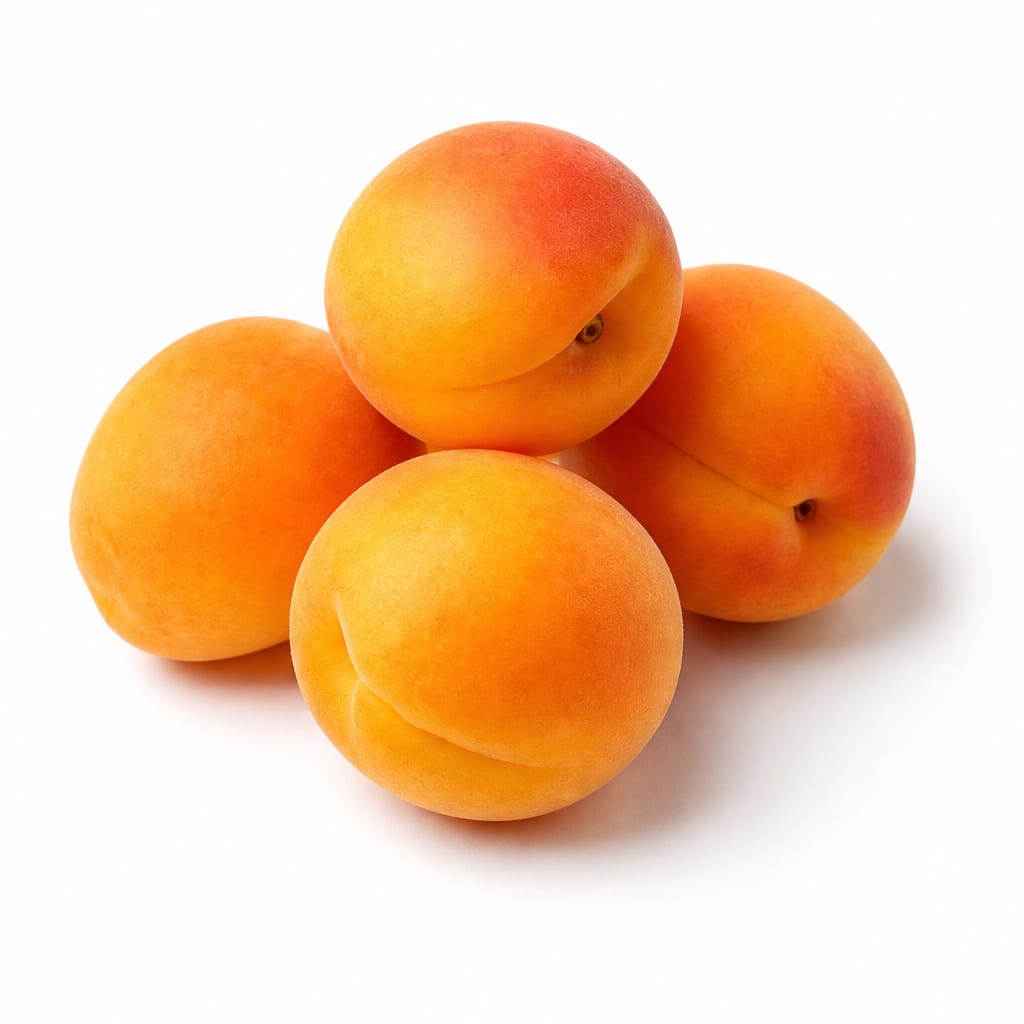
Apricots
Apricots win for most everyday scenarios thanks to lower sugar, fewer calories, and far more vitamin A. Figs shine when you need fiber, calcium, or a more satisfying sweet treat.
Apricots score higher primarily due to lower sugar, fewer calories, and superior vitamin A content. Figs remain valuable for fiber and minerals but their sugar density is a meaningful drawback for regular consumption.
Figs offer more fiber and a richer, more filling eating experience, but at the cost of significantly more sugar and calories per serving than apricots.
At a glance
Executive summary
Overall
Apricots
Healthier
Apricots
More practical
Apricots
Daily use
Apricots
Key comparison lenses
blood sugar management
Figs are significantly higher in sugar, making glycemic impact the most critical differentiator for everyday snackers
weight-conscious snacking
Calorie and sugar density differ substantially between these two fruits, directly affecting portion control and daily intake
digestive health and regularity
Both fruits are known for digestive benefits but through different mechanisms — fiber content vs sorbitol content
nutrient density per calorie
Apricots deliver more vitamins per calorie while figs offer more minerals, creating a meaningful tradeoff
antioxidant and eye health support
Apricots are dramatically richer in beta-carotene, making them relevant for vision and oxidative stress protection
Best choice for
Fig
- People needing digestive regularity from high fiber
- Those seeking a natural, satisfying sweet replacement for desserts
- Anyone wanting a mineral boost especially calcium and potassium
- Active individuals who can afford the extra calories and sugar
Apricots
- People managing blood sugar or watching their weight
- Anyone wanting a low-calorie nutrient-dense snack
- Those focused on eye health and antioxidant intake
- People who prefer portion-friendly fruits that are easy to overeat less
Least suitable for
Fig
- People with diabetes or insulin resistance due to high sugar content
- Those on strict calorie-restricted diets
- Anyone prone to overeating sweet foods
- People monitoring fructose intake
Apricots
- Those needing high calorie intake for weight gain or recovery
- People looking for a filling, satiating snack on its own
- Anyone allergic to stone fruits or birch pollen
Deep comparison
Dimension by dimension
Each lens scores both foods and breaks down who each option suits.
- Dimension 1 · Priority 92Apricots
blood sugar stability
Fig · 45Apricots · 78Apricots have roughly half the sugar of figs per serving, making them far gentler on blood sugar.
Tradeoff
Figs provide more fiber which slows sugar absorption somewhat, but the total sugar load is still high enough to cause a noticeable spike especially in dried form.
Why it matters
If you are watching blood sugar, the difference between 6g and 14g of sugar per 100g of fresh fruit is significant. Dried versions amplify this gap even further.
Real-world impact
A handful of dried figs can hit you like candy, while dried apricots feel more like a moderately sweet snack that will not crash your afternoon energy.
Fig
- Situations where you need quick energy after intense exercise
Better for
- Late-night snacking when blood sugar should stay low
- Morning meals for people with insulin resistance
Worse for
Apricots
- Mid-afternoon snacking without the crash
- Anyone with prediabetes or metabolic syndrome
- Steady energy between meals
Better for
- Post-workout recovery when fast carbs are actually helpful
Worse for
- Dimension 2 · Priority 88Apricots
calorie efficiency and weight management
Fig · 50Apricots · 82Apricots deliver more nutrients per calorie, making them a leaner choice for weight-conscious eating.
Tradeoff
Figs are more calorie-dense due to higher sugar and carbohydrate content, which makes them more filling per piece but easier to overconsume in calories.
Why it matters
At roughly 74 calories per 100g for apricots versus 107 for figs, the difference adds up when you eat fruit daily.
Real-world impact
You can eat nearly 50% more apricots than figs for the same calorie budget, which matters a lot when you are tracking intake.
Fig
- Trail mix or hiking snacks where calorie density is an advantage
- Replacing higher-calorie desserts with something naturally sweet
Better for
- Mindless snacking while watching TV — easy to eat too many
- Cutting phases where every calorie matters
Worse for
Apricots
- Daily snacking within a calorie target
- Adding fruit to meals without significantly increasing total calories
Better for
- Endurance sports where you need compact calorie sources
Worse for
- Dimension 3 · Priority 80Fig
fiber and digestive health
Fig · 85Apricots · 65Figs are notably higher in fiber, especially when dried, making them more effective for digestive regularity.
Tradeoff
While figs win on total fiber, apricots contain sorbitol which also supports digestion through a different mechanism — but can cause bloating in sensitive people.
Why it matters
A single dried fig can provide nearly 2g of fiber. That makes figs one of the most fiber-rich fruits available.
Real-world impact
Two or three dried figs with breakfast can meaningfully move the needle on your daily fiber intake in a way that most fruits cannot match.
Fig
- Chronic constipation or irregular bowel habits
- Boosting daily fiber without supplements
- Gut microbiome support through prebiotic fiber
Better for
- IBS flare-ups where high fiber can worsen bloating
- Sudden large increases in fiber without adequate water intake
Worse for
Apricots
- Mild digestive support without the heaviness of high fiber
- People who find very high-fiber foods uncomfortable
Better for
- Situations where you really need a fiber boost to meet daily goals
Worse for
- Dimension 4 · Priority 75It depends
vitamin and mineral density
Fig · 72Apricots · 78Apricots dominate in vitamin A and potassium per calorie, while figs offer more calcium and magnesium.
Tradeoff
It depends on what you are deficient in. For most people, the vitamin A advantage of apricots is more impactful than the calcium edge of figs.
Why it matters
Apricots provide over 30% of daily vitamin A per 100g, which is exceptional for a fruit. Figs cannot compete on that front.
Real-world impact
If you do not eat many orange vegetables or leafy greens, apricots are a surprisingly good way to protect your vision and immune function.
Fig
- Bone health support through calcium and magnesium
- Potassium needs for active individuals who sweat heavily
- Pregnant women needing extra iron and calcium
Better for
- Vitamin A deficiency concerns
- People relying on fruit as a primary vitamin A source
Worse for
Apricots
- Eye health and night vision protection
- Skin health and immune support from beta-carotene
- Anemia prevention through higher iron content per calorie
Better for
- Those who need concentrated mineral intake
- Situations where calcium from fruit would be beneficial
Worse for
- Dimension 5 · Priority 70Apricots
antioxidant and anti-inflammatory profile
Fig · 68Apricots · 80Apricots provide more diverse and concentrated antioxidants, particularly carotenoids and flavonoids linked to eye and skin health.
Tradeoff
Figs contain unique phenolic compounds and anthocyanins especially in darker varieties, but the overall antioxidant capacity per calorie favors apricots.
Why it matters
Beta-carotene from apricots is one of the most well-studied antioxidants with clear benefits for vision, skin, and immune function.
Real-world impact
Eating apricots regularly is like giving your eyes and skin a small daily insurance policy. The effect is subtle but compounds over years.
Fig
- Dark fig varieties which offer anthocyanins similar to berries
- Anti-inflammatory diets that emphasize polyphenol diversity
Better for
- Those specifically targeting carotenoid intake for eye health
Worse for
Apricots
- Long-term eye health and macular degeneration prevention
- Skin protection from UV-related oxidative damage
- General antioxidant coverage from a single fruit
Better for
- Situations where anthocyanin diversity from darker fruits is desired
Worse for
- Dimension 6 · Priority 72Fig
satiety and eating satisfaction
Fig · 80Apricots · 62Figs feel more substantial and satisfying to eat, with a denser texture and sweeter taste that signals fullness more effectively.
Tradeoff
The same density that makes figs satisfying also makes them easier to overeat in calories. Apricots are lighter but less filling on their own.
Why it matters
A snack that actually satisfies you prevents grazing. Figs accomplish this better but at a caloric cost.
Real-world impact
Three dried figs with some nuts feel like a real snack. Three dried apricots with the same nuts feel like a light appetizer.
Fig
- Replacing dessert cravings with something naturally sweet and filling
- Snacks that hold you over between meals without additional food
Better for
- Portion control challenges — it is easy to eat five or six dried figs
- Light meals where you want something refreshing not dense
Worse for
Apricots
- Light snacking where you do not want to feel heavy afterward
- Adding fruit to yogurt or oatmeal without dominating the dish
Better for
- Situations where the snack needs to carry you for three or more hours
Worse for
Timeline
Health impact over time
Short-term
Hours to days
Fig
- Quick energy boost from natural sugars, especially in dried form
- Noticeable digestive movement within hours due to high fiber content
- Potential blood sugar spike if eaten in large quantities on an empty stomach
Apricots
- Gentle energy without significant blood sugar disruption
- Mild digestive stimulation from sorbitol and fiber
- Light refreshing feeling without heaviness or sluggishness
Long-term
Months to years
Fig
- Improved bowel regularity from consistent high fiber intake
- Better bone mineral density from calcium and magnesium if eaten regularly
- Possible weight gain if portion sizes are not managed due to calorie density
Apricots
- Stronger eye health protection from consistent beta-carotene intake
- Lower cumulative sugar exposure supporting metabolic health
- Better long-term weight maintenance due to lower calorie density
Risk profile
Safety & processing
Both figs and apricots are whole foods in their fresh form. Dried versions are still minimally processed but watch for added sugars or sulfites in dried apricots — unsulfured options are preferable.
Fig
Mold and mycotoxin exposure in dried figs
mediumDried figs are susceptible to mold growth due to their high sugar and moisture content. Always inspect dried figs carefully and discard any with visible mold or off smells.
Pesticide residue on conventionally grown figs
lowFigs have relatively low pesticide concerns compared to many fruits, but the skin is eaten whole so organic is still preferable when available.
Apricots
Sulfite sensitivity from sulfured dried apricots
mediumMany commercially dried apricots are treated with sulfur dioxide to preserve color. This can trigger reactions in sulfite-sensitive individuals, especially asthmatics. Choose unsulfured brown dried apricots to avoid this.
Cyanogenic compounds in apricot kernels
highWhile the fruit flesh is safe, apricot kernels inside the pits contain amygdalin which releases cyanide. Never eat the kernels or use them in large quantities as a health supplement.
Who wins for whom
Audience fit
Same foods, different winners depending on your goal.
children
ApricotsApricots are easier to portion, lower in sugar, and their smaller size makes them a more appropriate snack for kids. Dried figs can be too sticky and sugary for young teeth.
daily consumption
ApricotsLower sugar and calorie content make apricots easier to eat every day without accumulating excess sugar or calories over time.
diabetes
ApricotsWith roughly half the sugar content and a gentler glycemic impact, apricots are clearly the safer choice for blood sugar management.
elderly
FigThe higher fiber in figs helps address the constipation that commonly affects older adults, and the calcium supports bone health in populations at risk for osteoporosis.
muscle gain
It dependsNeither fruit is a muscle-building food. Figs offer slightly more post-workout carbs for recovery, while apricots provide potassium for cramp prevention.
weight loss
ApricotsApricots provide more nutrients and satisfaction per calorie, making it easier to stay within a calorie target while still enjoying fruit.
Your move
Decision guide
Choose Fig
- You struggle with constipation and need a high-fiber fruit that actually works
- You are active and want a satisfying natural energy snack
- You are replacing processed desserts and need something that feels indulgent
- You want to boost calcium intake from a non-dairy source
Choose Apricots
- You are watching your weight or blood sugar
- You want maximum nutrients per calorie in your daily fruit
- Eye health and antioxidant protection are priorities for you
- You prefer a lighter snack that does not sit heavy in your stomach
Either works if
- You simply want to add more whole fruit variety to your diet
- You are mixing dried fruits into trail mix or oatmeal
- You are rotating fruits seasonally for nutrient diversity
Avoid both if
- You have a severe fructose intolerance or FODMAP sensitivity
- You are on a very strict very-low-carb ketogenic diet
- You have a known allergy to either fruit family
Final recommendation
For most people eating fruit daily, apricots are the smarter default — less sugar, more vitamin A, easier to portion. But keep figs in rotation for their fiber and mineral benefits, especially if digestion or bone health is a concern. Think of apricots as your everyday fruit and figs as your richer, more occasional treat.
Practical
Consumer tips
- 1
Choose unsulfured dried apricots to avoid sulfite exposure — they will look brown instead of bright orange but are safer and often tastier
- 2
Limit dried figs to two or three per serving to keep sugar intake reasonable
- 3
If buying dried fruit, check ingredient lists for added sugars or oils — the only ingredient should be the fruit itself
- 4
Fresh figs are perishable and last only a few days — eat them quickly or opt for dried
- 5
Freeze fresh apricots at peak ripeness for smoothies later — they retain nutrients well
- 6
Soak dried figs overnight in water for a gentler digestive effect and easier chewing
- 7
Pair either fruit with a handful of nuts or some Greek yogurt to blunt the blood sugar response and increase satiety