
Nutrition comparison
Fig vs Grapes: Which Fruit Is Healthier for Snacking?
Compare figs and grapes on fiber, sugar, antioxidants, and pesticide risk. Find out which fruit is better for weight loss, blood sugar, and daily snacking.
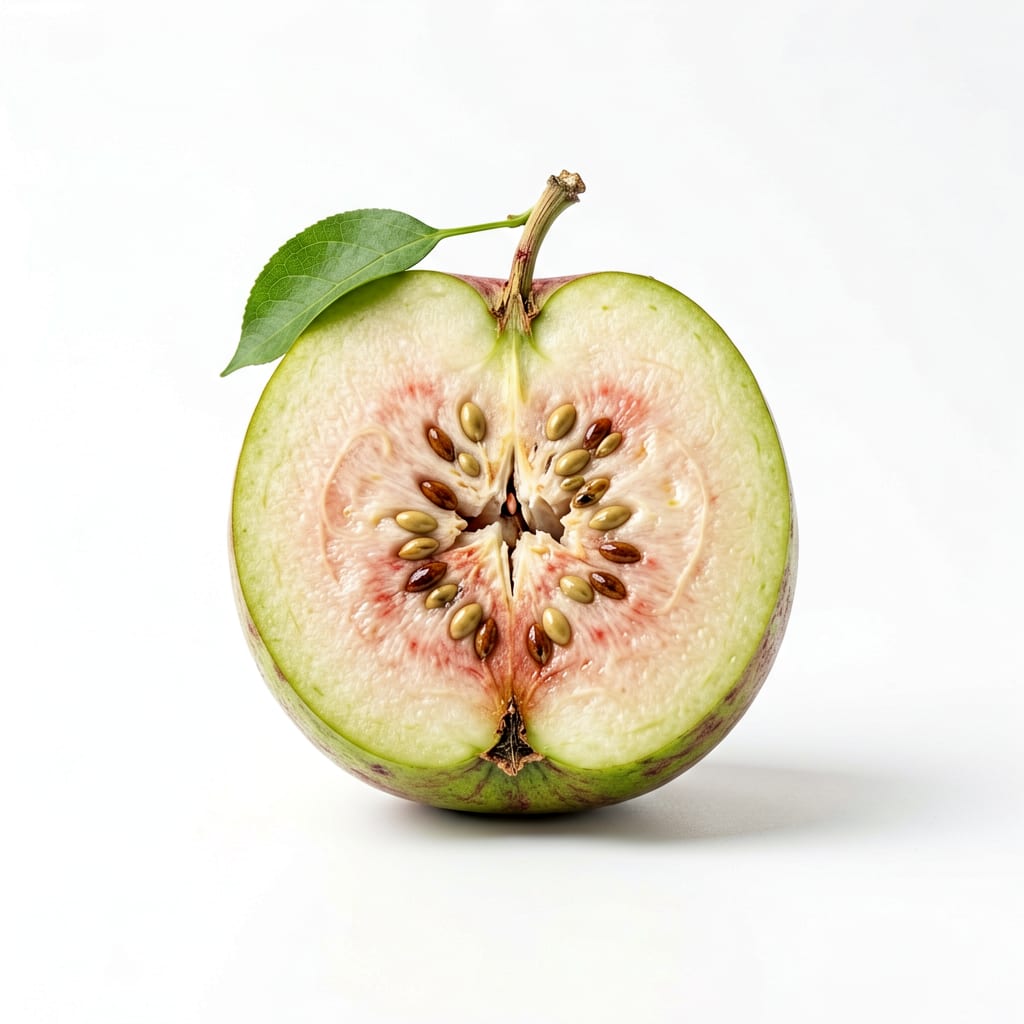
Fig
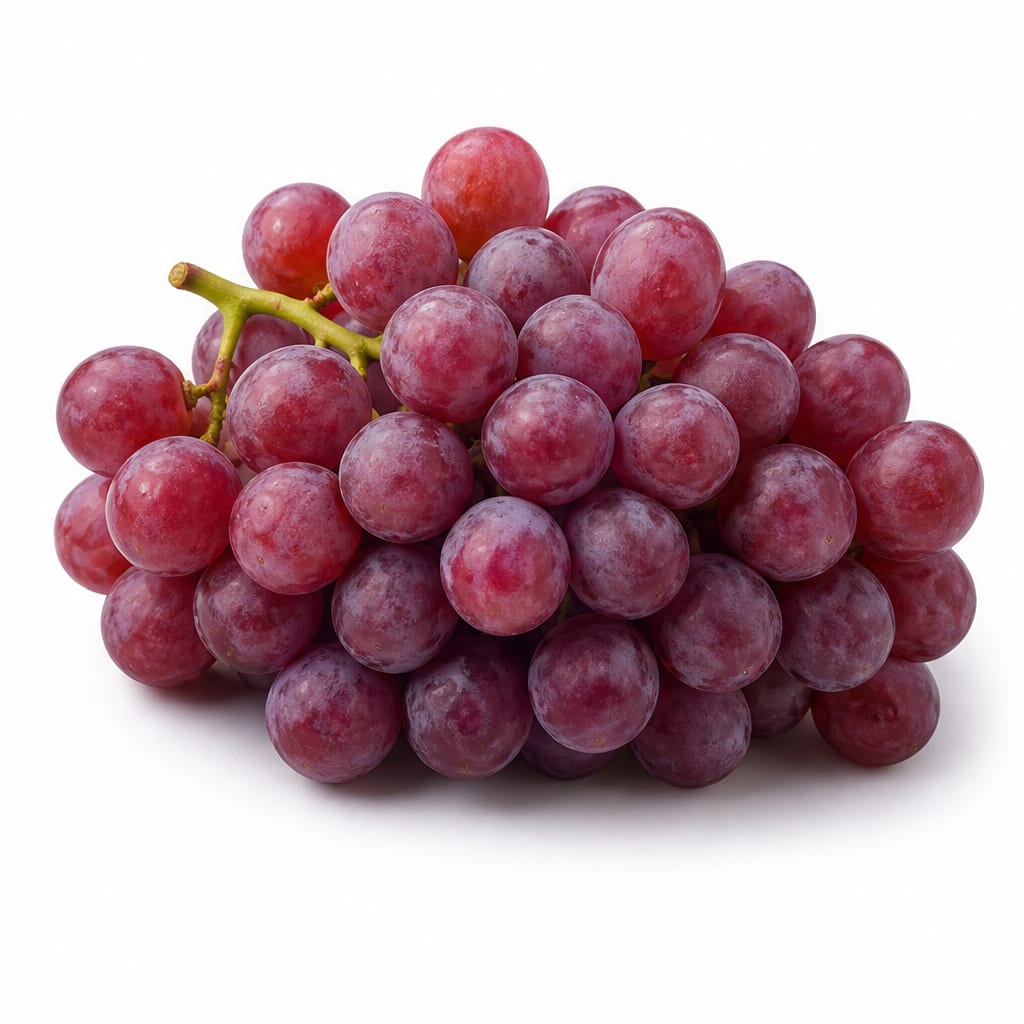
Grapes
Figs win on fiber, satiety, and mineral content; grapes win on convenience, antioxidant diversity, and year-round access.
Figs score higher due to superior fiber, mineral density, and natural portion control, but grapes remain competitive thanks to accessibility, resveratrol content, and everyday practicality.
Figs fill you up faster with less sugar per bite, but grapes are far easier to find, carry, and eat on the go.
At a glance
Executive summary
Overall
It depends
Healthier
Fig
More practical
Grapes
Daily use
Grapes
Key comparison lenses
blood sugar and snacking behavior
Both are sweet fruits with very different sugar density and eating patterns—grapes are easy to overeat, figs are naturally self-limiting
fiber and satiety comparison
Figs deliver significantly more fiber per serving, making them far more filling and slower to digest
pesticide and contamination exposure
Grapes consistently rank on the Dirty Dozen list for pesticide residues, while figs have lower exposure risk
antioxidant profile and longevity benefits
Grapes offer resveratrol and other polyphenols linked to heart health, figs provide different but complementary antioxidants
practical availability and convenience
Grapes are available year-round and extremely portable; fresh figs are seasonal and fragile
Best choice for
Fig
- People managing blood sugar who want a naturally self-limiting sweet snack
- Anyone needing more dietary fiber and digestive regularity
- Those seeking higher calcium and potassium from fruit sources
- People who eat mindfully and want more satisfaction per piece
Grapes
- Busy people needing a portable, no-mess snack
- Those prioritizing heart-protective antioxidants like resveratrol
- Families wanting an affordable, kid-friendly fruit year-round
- Athletes needing quick-digesting carbs post-workout
Least suitable for
Fig
- People who struggle with portion control on dried figs (very calorie-dense when dried)
- Anyone needing a shelf-stable, travel-friendly fresh fruit
- Those on a tight grocery budget outside of fig season
Grapes
- People who tend to graze mindlessly—grapes disappear fast without filling you up
- Those strictly limiting sugar intake, especially from easily overconsumed sources
- Anyone avoiding high-pesticide produce who cannot buy organic
Deep comparison
Dimension by dimension
Each lens scores both foods and breaks down who each option suits.
- Dimension 1 · Priority 95Fig
Fiber and Satiety
Fig · 88Grapes · 42Figs deliver roughly 3x more fiber per serving than grapes, making them significantly more filling and slower to digest.
Tradeoff
That extra fiber means figs feel heavier and less refreshing—grapes offer a lighter, more hydrating eating experience.
Why it matters
Higher fiber means steadier blood sugar, better digestion, and feeling satisfied with fewer pieces.
Real-world impact
Two figs feel like a complete snack. A handful of grapes often leads to a second and third handful before you feel full.
Fig
- Digestive regularity
- Sustained fullness between meals
- Blood sugar stability after snacking
Better for
- Quick energy needs when you want something light
Worse for
Grapes
- Light refreshing snacking in hot weather
- Eating before exercise without feeling heavy
- Staying hydrated through food
Better for
- Controlling calorie intake when snacking absentmindedly
Worse for
- Dimension 2 · Priority 90Fig
Sugar Density and Overeating Risk
Fig · 72Grapes · 55Fresh figs have slightly less sugar per gram than grapes, and their size and texture naturally slow consumption.
Tradeoff
Dried figs flip this advantage entirely—they become extremely sugar-dense and easy to overeat. Grapes stay consistent fresh or dried.
Why it matters
Grapes are one of the easiest fruits to overconsume. Their small size and pop-in-mouth convenience can lead to significant sugar intake before satiety signals kick in.
Real-world impact
A bowl of grapes can disappear in minutes during a movie. Figs require more deliberate eating, giving your brain time to register fullness.
Fig
- Mindful snacking with built-in portion awareness
- Lower sugar per bite when eaten fresh
Better for
- Dried fig portion control is very difficult
Worse for
Grapes
- Quick energy replenishment after exercise
- Kids who need appealing, easy-to-eat fruit
Better for
- Unconscious overeating during passive activities
Worse for
- Dimension 3 · Priority 82Grapes
Antioxidant and Phytonutrient Profile
Fig · 68Grapes · 85Grapes—especially dark varieties—offer resveratrol, quercetin, and anthocyanins with strong evidence for cardiovascular and longevity benefits.
Tradeoff
Figs provide different antioxidants including phenolic compounds and flavonoids, but the research base is smaller and less compelling than grapes.
Why it matters
Resveratrol from grapes has been linked to heart health, anti-aging effects, and reduced inflammation in extensive studies.
Real-world impact
Regular consumption of dark grapes may offer long-term heart protection you cannot easily replicate with figs.
Fig
- Mineral-driven benefits like bone-supporting calcium
Better for
- Less robust evidence for disease-preventing antioxidants
Worse for
Grapes
- Heart health and longevity-focused nutrition
- Anti-inflammatory dietary patterns
Better for
- Benefits mainly concentrated in dark varieties—green grapes offer less
Worse for
- Dimension 4 · Priority 75Fig
Mineral Content
Fig · 86Grapes · 52Figs are notably rich in calcium, potassium, and magnesium—minerals most people do not get enough of.
Tradeoff
Grapes provide decent potassium but cannot match the broader mineral profile of figs, especially calcium.
Why it matters
Calcium from figs supports bone density, and potassium helps regulate blood pressure—both are widespread deficiencies.
Real-world impact
Eating figs regularly contributes meaningfully to daily mineral targets in ways grapes simply cannot match.
Fig
- Bone health support
- Blood pressure management through potassium
- Muscle function and cramp prevention
Better for
- Not a significant concern—figs are strong here
Worse for
Grapes
- Basic potassium intake
Better for
- Reliance on grapes alone leaves mineral gaps
Worse for
- Dimension 5 · Priority 78Fig
Pesticide Exposure and Safety
Fig · 80Grapes · 48Grapes consistently appear on the EWG Dirty Dozen list with high pesticide residue detection. Figs have significantly lower pesticide concerns.
Tradeoff
Organic grapes resolve this issue but cost substantially more. Conventional figs remain relatively clean.
Why it matters
Chronic low-level pesticide exposure from frequently consumed foods adds up over time, especially for children.
Real-world impact
If you eat grapes daily and cannot afford organic, you are getting a measurable pesticide load that figs largely avoid.
Fig
- Lower pesticide residue risk even when conventionally grown
- Safer regular consumption without organic price premium
Better for
- Not applicable here
Worse for
Grapes
- No advantage—this is a clear fig win
Better for
- High pesticide residue risk with conventional grapes
- Need to buy organic adds significant cost
Worse for
- Dimension 6 · Priority 72Grapes
Convenience and Availability
Fig · 40Grapes · 92Grapes are available year-round, travel well, require no prep, and last weeks in the fridge. Fresh figs are seasonal, fragile, and spoil within days.
Tradeoff
Dried figs solve the availability problem but introduce the sugar density issue mentioned earlier.
Why it matters
The healthiest food is the one you actually eat consistently. Grapes' convenience makes them a realistic daily habit.
Real-world impact
You can keep grapes in the fridge all week for easy snacking. Fresh figs require planning, careful storage, and quick consumption.
Fig
- A more special, intentional eating experience
Better for
- Very short fresh shelf life
- Limited seasonal availability
- Fragile and easily damaged in transport
Worse for
Grapes
- Lunchbox and on-the-go snacking
- Year-round reliable access
- Minimal preparation and mess
- Longer refrigerator shelf life
Better for
- Not applicable—grapes dominate convenience
Worse for
Timeline
Health impact over time
Short-term
Hours to days
Fig
- Stronger satiety after eating, reducing urge to snack again quickly
- More stable blood sugar response due to fiber slowing glucose absorption
- Possible mild digestive adjustment if not used to high fiber intake
Grapes
- Quick energy boost from easily accessible natural sugars
- Higher hydration per serving due to water content
- Risk of wanting more soon after eating due to low fiber and rapid digestion
Long-term
Months to years
Fig
- Improved digestive regularity and gut health from consistent fiber intake
- Better mineral status supporting bone density and cardiovascular function
- If consuming dried figs frequently, potential excess calorie and sugar intake
Grapes
- Cardiovascular benefits from regular resveratrol and polyphenol consumption
- Potential anti-aging and anti-inflammatory effects from dark grape compounds
- Risk of habitual overconsumption contributing to excess sugar intake over time
Risk profile
Safety & processing
Both figs and grapes are whole, minimally processed fruits when purchased fresh. The main concern is that dried figs undergo concentration that dramatically increases sugar density, while grapes are occasionally treated with sulfites when dried into raisins.
Fig
Mold and spoilage
mediumFresh figs spoil rapidly and can develop mold within 2-3 days. Always inspect before eating, especially around the stem end.
Sulfite exposure from dried figs
lowSome commercially dried figs contain sulfites as preservatives, which can trigger reactions in sensitive individuals.
Grapes
Pesticide residues
highGrapes rank consistently among the top 10 most pesticide-contaminated fruits. Washing helps but does not eliminate all residues. Organic is strongly recommended for frequent consumers.
Choking hazard for young children
mediumWhole grapes are a documented choking risk for children under 4. Always cut lengthwise before serving to young kids.
Who wins for whom
Audience fit
Same foods, different winners depending on your goal.
children
GrapesKids love the sweet taste and fun texture of grapes, and they are easy to pack—just cut them lengthwise for safety.
daily consumption
GrapesYear-round availability, long shelf life, and easy portioning make grapes a more realistic daily habit for most people.
diabetes
FigMore fiber slows sugar absorption, and the self-limiting nature of fresh figs helps prevent blood sugar spikes from overconsumption.
elderly
FigFigs offer more calcium for bone density, more fiber for digestive regularity, and softer texture that is gentle on aging teeth.
muscle gain
GrapesGrapes provide faster-digesting carbs useful post-workout, and their convenience makes them easier to eat frequently.
weight loss
FigHigher fiber and natural portion control make figs more satiating per calorie, reducing the likelihood of overeating.
Your move
Decision guide
Choose Fig
- You want a satisfying snack that naturally limits itself
- Digestive health and regularity are priorities
- You are monitoring blood sugar and want slower glucose release
- You can access fresh figs or are comfortable with dried fig portions
- Reducing pesticide exposure without buying organic matters to you
Choose Grapes
- You need a portable, no-prep snack for busy days
- Heart health and antioxidant diversity are top concerns
- You are feeding kids who need appealing, easy fruit options
- You want quick-digesting carbs around workouts
- Year-round consistency and affordability matter most
Either works if
- You simply want more whole fruit variety in your diet
- You are rotating seasonal produce and both are available
- Your overall diet is already fiber-rich and mineral-adequate
Avoid both if
- You are on a strict very-low-carb or ketogenic diet
- You have a fructose intolerance or malabsorption issue
- You need high-protein snacks and these are replacing better options
Final recommendation
Eat both, but be strategic. Choose figs when you want a filling, mineral-rich snack that satisfies with fewer pieces. Choose grapes when convenience, heart-protective antioxidants, or kid-friendly appeal matter most. If you eat grapes frequently, invest in organic to avoid pesticide buildup. If you eat dried figs, pre-portion them—their calorie density sneaks up fast.
Practical
Consumer tips
- 1
If buying grapes, prioritize organic—conventional grapes carry some of the highest pesticide loads of any fruit
- 2
Wash grapes thoroughly even if organic, and remove from stems before storing to extend freshness
- 3
With dried figs, portion out 2-3 at a time rather than eating from the bag to avoid unintentional sugar loading
- 4
Choose dark red or purple grapes over green for significantly more resveratrol and antioxidants
- 5
Fresh figs should feel soft but not mushy—use within 2 days of purchase for best quality
- 6
Freeze grapes for a refreshing summer snack that also slows down eating speed naturally
- 7
If cost is a factor, grapes are typically more affordable per serving than fresh figs, especially out of season