
Nutrition comparison
Fig vs Peaches: Which Fruit is Healthier?
Compare figs vs peaches for weight loss, sugar, fiber, and digestion. Find out which fruit is better for your health goals.
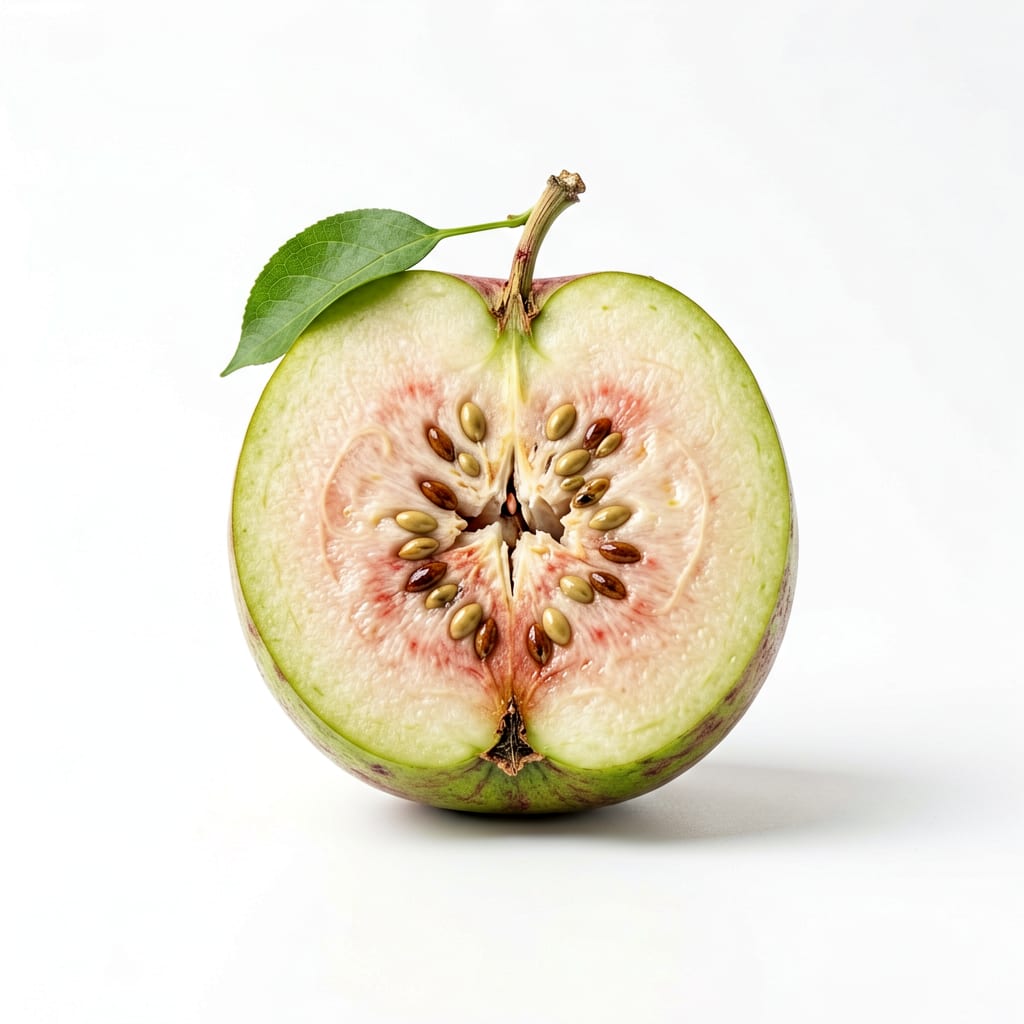
Fig
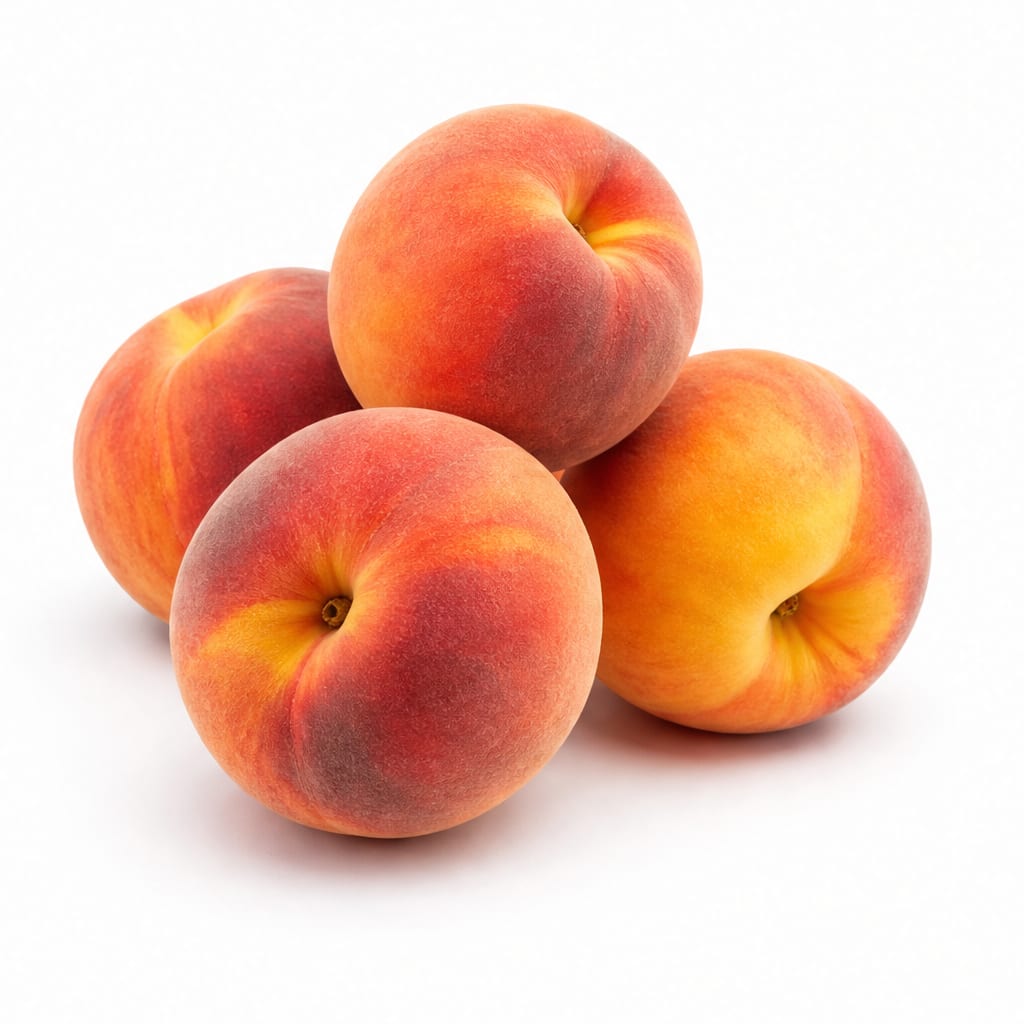
Peaches
Peaches are lighter and lower in sugar, while figs are more filling and fiber-rich but pack more calories.
Peaches score slightly higher due to lower sugar and calorie density, making them easier to fit into most daily diets, though figs excel in specific areas like fiber and mineral content.
Lower sugar and calories in peaches versus higher fiber and mineral content in figs.
At a glance
Executive summary
Overall
It depends
Healthier
It depends
More practical
Peaches
Daily use
Peaches
Key comparison lenses
Blood sugar impact and sugar content
Figs are notably higher in natural sugars, making blood sugar response a key differentiator.
Weight management and calorie density
Peaches offer high volume for few calories, while figs are more calorie-dense.
Digestive health and fiber
Figs are famous for their laxative effect and high fiber, contrasting with the gentler fiber in peaches.
Hydration and refreshment
Peaches are significantly more hydrating, making them a different eating experience.
Best choice for
Fig
- People needing digestive regularity
- Those looking for a filling, fiber-rich snack
- Athletes needing quick energy with minerals
Peaches
- People managing blood sugar
- Weight loss diets
- Those wanting a hydrating, low-calorie sweet treat
Least suitable for
Fig
- Strict low-carb or keto diets
- People watching their sugar intake closely
Peaches
- Those needing high caloric or fiber intake in a small volume
Deep comparison
Dimension by dimension
Each lens scores both foods and breaks down who each option suits.
- Dimension 1 · Priority 92Peaches
Blood Sugar & Energy
Fig · 65Peaches · 88Peaches have significantly less sugar and a lower glycemic load, providing steadier energy.
Tradeoff
Figs offer quick energy but the higher sugar content can cause a sharper blood sugar rise.
Why it matters
Preventing blood sugar spikes helps avoid the afternoon energy crash and cravings.
Real-world impact
Eating peaches as a mid-morning snack keeps you steady, while figs might leave you hungry sooner if eaten alone.
Fig
- Pre-workout quick fuel
Better for
- Blood sugar management
Worse for
Peaches
- Steady afternoon energy
- Diabetics
Better for
- High-intensity fueling
Worse for
- Dimension 2 · Priority 85Fig
Satiety & Fullness
Fig · 85Peaches · 70Figs are much richer in fiber, making them more physically filling per serving.
Tradeoff
You feel fuller with figs, but the higher calorie cost means you consume more energy for that fullness.
Why it matters
Fiber slows digestion and signals fullness to the brain, reducing overeating later.
Real-world impact
A few figs can quiet a rumbling stomach, whereas peaches might feel too light to hold you over alone.
Fig
- Curbing hunger between meals
Better for
- Eating large volumes without realizing calorie intake
Worse for
Peaches
- Light late-night snacking
Better for
- Staying full on low calories
Worse for
- Dimension 3 · Priority 88Peaches
Weight Management
Fig · 65Peaches · 90Peaches are low in calories and high in water, making them ideal for weight loss.
Tradeoff
Figs are calorie-dense and easier to overeat, even though they are nutritious.
Why it matters
Calorie density dictates how much food you can eat before exceeding daily limits.
Real-world impact
You can eat two large peaches for the same calories as a handful of figs, feeling much more physically satisfied by volume.
Fig
- Gaining healthy weight
Better for
- Calorie counting
Worse for
Peaches
- Cutting calories without feeling deprived
Better for
- Bulking up
Worse for
- Dimension 4 · Priority 85Fig
Digestive Health
Fig · 92Peaches · 75Figs are renowned for their fiber content, which strongly supports digestive regularity.
Tradeoff
Too many figs can cause loose stools, while peaches offer gentler, more moderate fiber.
Why it matters
Regular bowel movements are foundational to comfort and gut health.
Real-world impact
If you are feeling backed up, figs are a reliable natural remedy; peaches are better for everyday gentle maintenance.
Fig
- Relieving constipation
- Boosting daily fiber
Better for
- Prone to diarrhea
Worse for
Peaches
- Sensitive stomachs
Better for
- Severe constipation
Worse for
Timeline
Health impact over time
Short-term
Hours to days
Fig
- Quick energy boost
- Relief from constipation
- Potential sugar rush if eaten in excess
Peaches
- Hydrating and refreshing
- Mild blood sugar stability
- Light satisfaction without heaviness
Long-term
Months to years
Fig
- Improved bowel regularity
- Better bone health from calcium and magnesium
- Risk of weight gain if portions are not controlled
Peaches
- Easier weight maintenance
- Lower risk of metabolic issues from sugar
- Healthier skin from Vitamin C
Risk profile
Safety & processing
Both are whole, natural fruits when eaten fresh. Watch out for dried figs, which often contain added sugars or sulfites in packaged trail mixes.
Fig
Mold and mycotoxins
mediumDried figs are prone to mold if stored improperly; always check for freshness and moisture damage.
Peaches
Pesticide residue
highPeaches consistently rank on the Dirty Dozen list due to high pesticide residue on their delicate skin.
Cyanogenic compounds in pit
lowThe pit contains amygdalin, which releases cyanide when crushed; avoid eating the pit.
Who wins for whom
Audience fit
Same foods, different winners depending on your goal.
children
PeachesPeaches are sweeter, juicier, and less likely to cause digestive upset in sensitive little ones.
daily consumption
PeachesThe lower sugar and calorie profile of peaches makes them easier to eat every day without metabolic tradeoffs.
diabetes
PeachesPeaches have a lower glycemic load and less sugar per serving, making blood sugar management easier.
elderly
FigFigs provide superior calcium and fiber, which are critical for bone density and preventing constipation in older adults.
muscle gain
It dependsNeither is a primary muscle-building food, but figs offer slightly more carbs for glycogen replenishment post-workout.
weight loss
PeachesPeaches offer high volume and hydration for very few calories, making it easy to stay in a deficit.
Your move
Decision guide
Choose Fig
- You need help with constipation
- You want a dense, filling snack after a workout
- You need more calcium and iron in your diet
Choose Peaches
- You are watching your weight or blood sugar
- You want a refreshing, hydrating summer fruit
- You need a low-calorie sweet treat
Either works if
- You just want a healthy, whole-food dessert
- You are looking for natural antioxidants
Avoid both if
- You are on a strict very-low-carb or keto diet
Final recommendation
Keep both in your rotation, but lean toward peaches for daily snacking and figs when you need digestive support or a more substantial bite.
Practical
Consumer tips
- 1
Choose fresh figs when possible; dried figs concentrate the sugar and calories significantly.
- 2
Buy organic peaches if possible, as they are heavily sprayed with pesticides.
- 3
Pair either fruit with a handful of nuts or some Greek yogurt to blunt the blood sugar response.
- 4
Wash peaches thoroughly even if you plan to peel them to avoid pesticide transfer.