
Nutrition comparison
Fig vs Apple: Which is Healthier for Daily Snacking?
Compare figs vs apples for weight loss, blood sugar, and nutrition. Discover the tradeoffs between the sweet, mineral-rich fig and the filling, steady-energy apple.
Overall winner · Apples
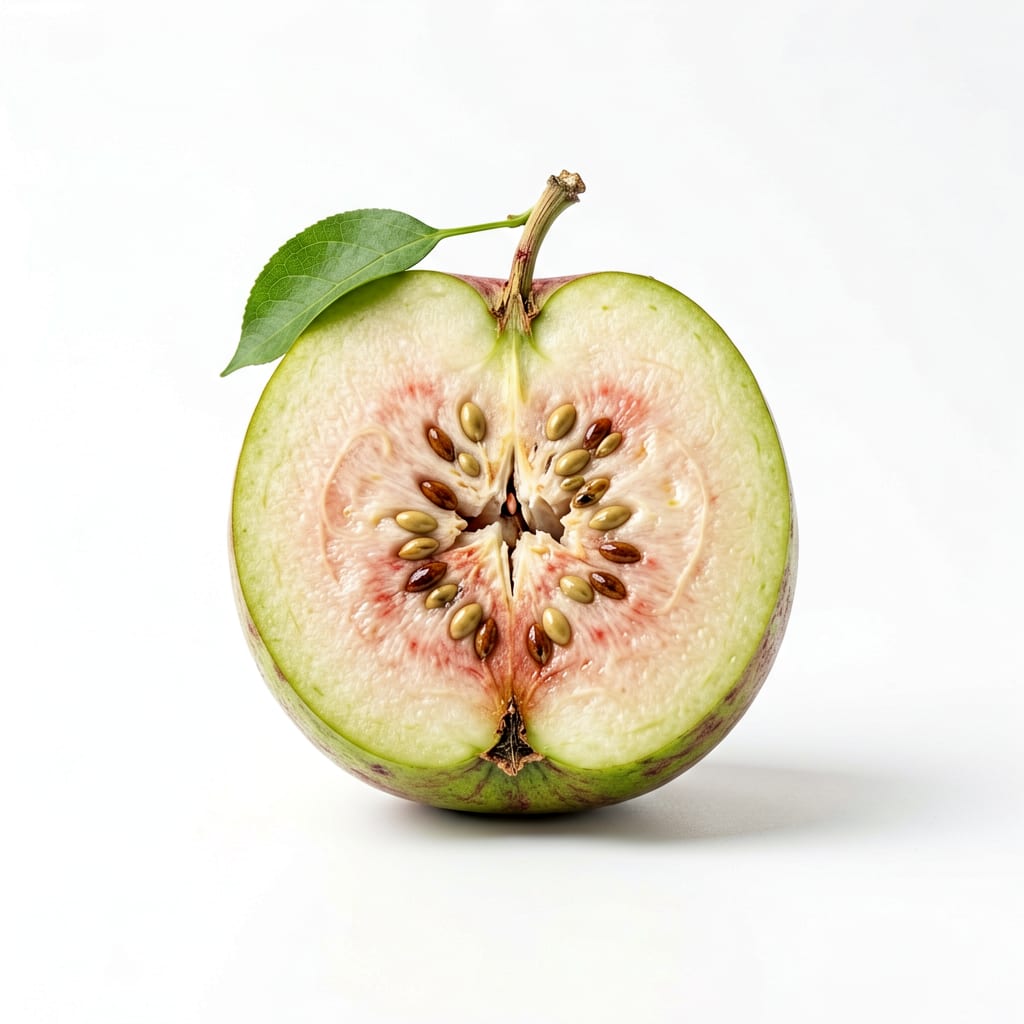
Fig
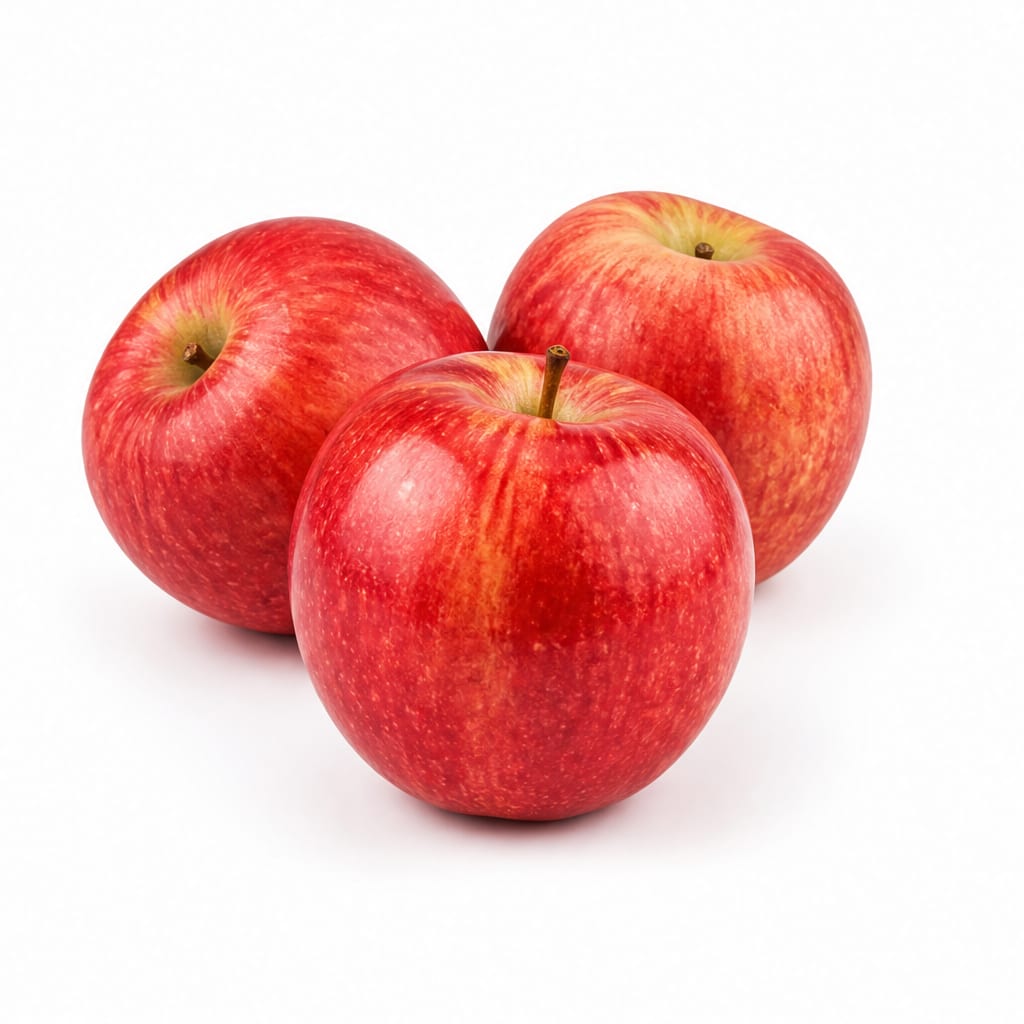
Apples
Apples are the better everyday snack for steady energy and fullness, while figs serve as a sweeter, mineral-rich treat.
Apples score higher due to better blood sugar stability, portion control, and everyday practicality. Figs score well for micronutrients but lose points for high sugar density and perishability.
You trade the sustained, filling crunch of an apple for the concentrated sweetness and soft texture of a fig.
At a glance
Executive summary
Overall
Apples
Healthier
Apples
More practical
Apples
Daily use
Apples
Key comparison lenses
Blood sugar and sweetness management
Figs are significantly sweeter and higher in sugar than apples, making glycemic impact a key decision factor.
Everyday snacking convenience
Apples are durable and available year-round, while fresh figs are delicate and highly seasonal.
Mineral intake boost
Figs offer notably more calcium and potassium per serving compared to apples.
Best choice for
Fig
- Boosting calcium and potassium intake
- Satisfying a sweet tooth with whole food
- Quick pre-workout energy
Apples
- Steady afternoon energy
- Managing weight and hunger
- A reliable daily fruit habit
Least suitable for
Fig
- Strict low-carb or diabetic diets
- Budget grocery trips when out of season
- Tossing in a bag for later
Apples
- Those craving intense sweetness
- Increasing dietary calcium significantly
Deep comparison
Dimension by dimension
Each lens scores both foods and breaks down who each option suits.
- Dimension 1 · Priority 95Apples
Blood Sugar Stability
Fig · 55Apples · 85Apples provide steadier energy with less sugar impact per serving.
Tradeoff
Figs deliver quick energy but can spike blood sugar faster due to higher sugar density.
Why it matters
Avoiding energy crashes helps control cravings and maintains focus throughout the day.
Real-world impact
An apple keeps you going through the afternoon slump, while a fig might leave you hungry again sooner.
Fig
- Pre-workout quick fuel
- Preventing a low-blood-sugar dizzy spell
Better for
- Fasting blood sugar management
- Sitting at a desk all day
Worse for
Apples
- Avoiding the afternoon crash
- Managing insulin resistance
Better for
- Immediate recovery from intense exercise
Worse for
- Dimension 2 · Priority 90Apples
Satiety and Portion Control
Fig · 60Apples · 88Apples are more filling and much easier to portion control.
Tradeoff
The crunch and water density of an apple slows down eating, while soft, sweet figs are easy to overeat.
Why it matters
Feeling full on fewer calories makes healthy eating effortless.
Real-world impact
You can eat one large apple and feel satisfied, but it is easy to eat three or four figs without feeling full.
Fig
- A light, sweet treat after a meal
- When you need something small
Better for
- Late-night mindless snacking
- Calorie deficit diets
Worse for
Apples
- A filling afternoon snack
- Holding you over until dinner
Better for
- When you have jaw pain or need soft foods
Worse for
- Dimension 3 · Priority 75Fig
Mineral Density
Fig · 90Apples · 65Figs are surprisingly rich in calcium, potassium, and magnesium compared to apples.
Tradeoff
You get more bone-supporting minerals per bite with figs, but it comes with more sugar.
Why it matters
Many people lack sufficient calcium and potassium in their diet.
Real-world impact
Eating figs can help support bone health and muscle function more effectively than apples.
Fig
- Supporting bone density
- Replenishing electrolytes after sweating
Better for
- Those on strict sugar limits
- Kidney diets requiring potassium restriction
Worse for
Apples
- Maintaining general hydration
- Low-calorie diets
Better for
- When you need a calcium boost from fruit
Worse for
- Dimension 4 · Priority 80Apples
Convenience and Shelf Life
Fig · 45Apples · 95Apples are durable, long-lasting, and available everywhere, while figs are delicate and highly seasonal.
Tradeoff
Figs spoil within days and bruise easily, whereas apples can sit in a fridge for weeks.
Why it matters
A healthy food only works if you can actually keep it around long enough to eat it.
Real-world impact
You can toss an apple in a bag for lunch, but a fresh fig will get smashed and spoil quickly.
Fig
- Eating immediately at home
- Special occasion meals
Better for
- Backpacking or travel
- Meal prep for the week
Worse for
Apples
- Packing in a lunchbox
- Buying in bulk
- Commuting snacks
Better for
- When you want a luxurious, delicate fruit experience
Worse for
Timeline
Health impact over time
Short-term
Hours to days
Fig
- Quick burst of energy from natural sugars
- Immediate satisfaction of sweet cravings
Apples
- Steady, sustained energy release
- Feeling physically full from water and fiber
Long-term
Months to years
Fig
- Improved bone health from calcium and vitamin K
- Potential weight gain if overeaten due to sugar density
Apples
- Better weight maintenance from low calorie density
- Consistent digestive regularity from pectin
Risk profile
Safety & processing
Both are whole, unprocessed fruits when eaten fresh. However, dried figs are common and concentrate the sugar significantly, acting more like candy than fresh fruit.
Fig
Rapid spoilage and mold
mediumFresh figs are highly perishable and can develop mold within days, which can cause stomach upset if accidentally eaten.
Apples
Pesticide residue
mediumApples consistently rank high on the Dirty Dozen list for pesticide residue; washing thoroughly or choosing organic is advisable.
Who wins for whom
Audience fit
Same foods, different winners depending on your goal.
children
ApplesApples are easy to pack, less messy, and have a milder sweetness that kids enjoy daily without sugar overload.
daily consumption
ApplesApples are affordable, accessible year-round, and forgiving on blood sugar for daily eating.
diabetes
ApplesApples have a lower glycemic load and more fiber relative to their sugar content, causing gentler blood sugar rises.
elderly
FigFresh figs are soft and easy to chew, and their calcium content supports bone health concerns common in older adults.
muscle gain
It dependsNeither is a protein powerhouse, but figs offer quick carbs and potassium for post-workout recovery, while apples offer little direct muscle benefit.
weight loss
ApplesApples have fewer calories per gram and more crunch, making it easier to feel full on less.
Your move
Decision guide
Choose Fig
- You want a sweet, luxurious treat
- You need a soft food that is easy to chew
- You want to boost your calcium and potassium intake naturally
Choose Apples
- You need a reliable, filling daily snack
- You want steady energy without a sugar crash
- You need something portable and durable
Either works if
- You just want a serving of whole fruit with fiber
- You are looking for a natural dessert alternative
Avoid both if
- You are on a strict very-low-carb or ketogenic diet
- You have fructose intolerance
Final recommendation
Keep apples as your daily go-to fruit for steady energy and fullness, and enjoy figs as an occasional mineral-rich treat when you crave something sweeter.
Practical
Consumer tips
- 1
Wash apples thoroughly under running water to reduce pesticide residue, or opt for organic.
- 2
Eat figs within a day or two of purchase; they spoil rapidly once ripe.
- 3
If choosing dried figs, watch your portion size—the sugar and calories are highly concentrated.
- 4
Pair either fruit with a handful of nuts or a spoonful of peanut butter to blunt the blood sugar rise and stay full longer.