
Nutrition comparison
Fig vs Pears: Which Fruit Is Better for Blood Sugar, Weight Loss, and Daily Nutrition?
Compare figs and pears on sugar content, fiber, minerals, and satiety. Find out which fruit is better for diabetes, weight loss, and everyday snacking.
Overall winner · Pears
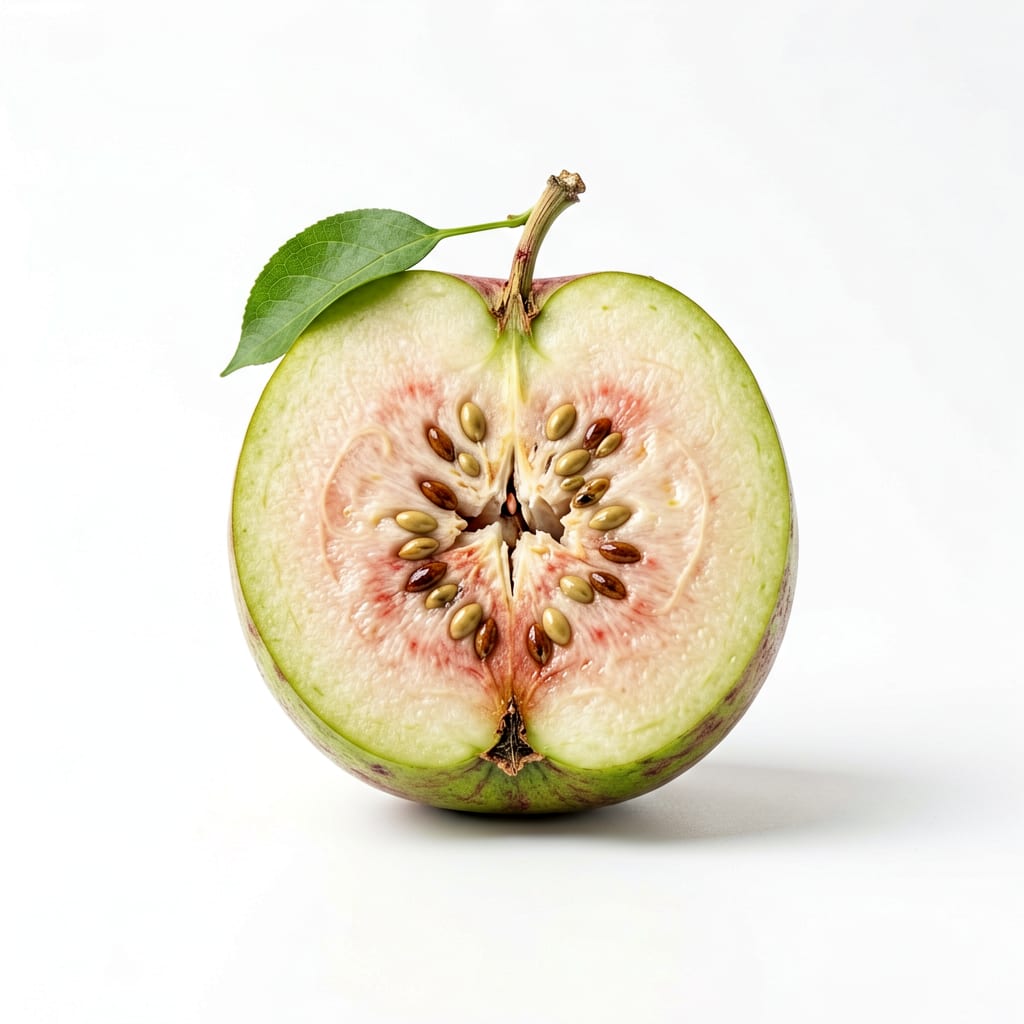
Fig
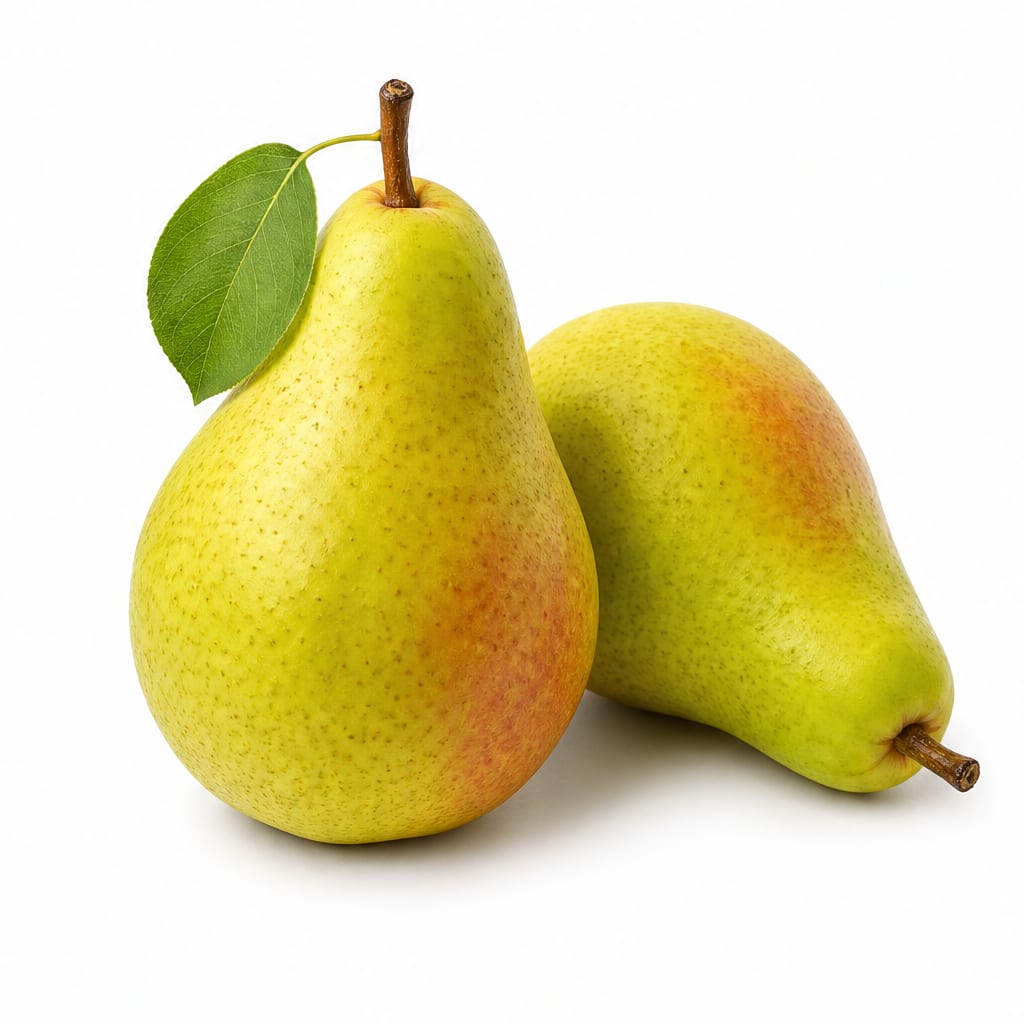
Pears
Pears win for everyday eating thanks to lower sugar, higher water content, and easier portion control. Figs are a mineral powerhouse but their sweetness makes them easier to overeat.
Pears score higher primarily due to lower calorie density, better blood sugar stability, and superior everyday practicality. Figs earn strong marks for mineral content and satisfaction but lose ground on sugar load and overeating risk.
Figs deliver more minerals and a richer, dessert-like experience, but Pears give you steadier energy and better satiety per calorie.
At a glance
Executive summary
Overall
Pears
Healthier
Pears
More practical
Pears
Daily use
Pears
Key comparison lenses
blood sugar management
Figs are significantly sweeter and denser in sugar, making glycemic impact the most critical differentiator
weight management and satiety
Calorie density differs substantially between these two fruits, directly affecting portion control and fullness
mineral and micronutrient density
Figs pack far more calcium, iron, and potassium per serving, which matters for bone health and energy
everyday practicality and availability
Fresh figs are seasonal and fragile while pears are available year-round with a longer shelf life
digestive comfort
Both fruits are fiber-rich but differ in fiber type and how they feel in the gut
Best choice for
Fig
- Athletes needing quick energy and electrolyte replenishment
- People looking for plant-based calcium and iron sources
- Anyone craving a natural dessert alternative
- Those wanting concentrated potassium for muscle recovery
Pears
- People managing blood sugar or insulin resistance
- Anyone tracking calories for weight loss
- Those who want a filling snack that is hard to overeat
- People seeking a gentle, everyday fruit for digestion
Least suitable for
Fig
- People with diabetes or prediabetes due to high sugar density
- Anyone prone to overeating sweet foods
- Those on a strict calorie budget
- People who need a long-lasting shelf-stable fresh fruit
Pears
- Athletes needing concentrated quick calories post-workout
- People with severe fructose malabsorption
- Anyone looking for a rich, dessert-like fruit experience
Deep comparison
Dimension by dimension
Each lens scores both foods and breaks down who each option suits.
- Dimension 1 · Priority 92Pears
Blood Sugar Stability
Fig · 55Pears · 82Pears have a lower glycemic index and more water content, which slows sugar absorption. Figs, especially dried, deliver a concentrated sugar hit that can spike blood glucose.
Tradeoff
Figs give you faster energy when you need it, but Pears keep your energy steadier for longer.
Why it matters
If you sit at a desk all day, the fig sugar spike works against you. If you just finished a hike, it might be exactly what you need.
Real-world impact
A pear as an afternoon snack keeps you stable until dinner. Two figs can trigger a craving cycle within 30 minutes.
Fig
- Post-workout recovery when quick carbs help
- Active people who burn through sugar fast
Better for
- Late-night snacking when blood sugar should stay low
- People trying to break sugar cravings
Worse for
Pears
- Sedentary or office workers avoiding energy crashes
- Anyone monitoring fasting glucose
- People with insulin resistance or prediabetes
Better for
- Moments when you need immediate energy replenishment
Worse for
- Dimension 2 · Priority 88Pears
Satiety and Fullness
Fig · 62Pears · 84Pears combine high water content with pectin fiber, which expands in your stomach and signals fullness. Figs are denser and sweeter, making it easy to eat several without feeling satisfied.
Tradeoff
One pear feels like a complete snack. Three figs feel like you want three more.
Why it matters
Satiety per calorie is the hidden driver of weight management. Foods that fill you up on fewer calories make healthy eating effortless.
Real-world impact
A medium pear at 100 calories genuinely curbs hunger. The same calories in figs is roughly two small figs that barely register.
Fig
- People who want a calorie-dense snack for weight gain
- Those who prefer small, energy-packed portions
Better for
- Mindless snacking situations like watching TV
- People who struggle with portion control
Worse for
Pears
- Anyone trying to lose weight without feeling deprived
- People who snack between meals and need lasting fullness
- Emotional eaters who benefit from volume eating
Better for
- Underweight individuals needing calorie efficiency
Worse for
- Dimension 3 · Priority 80Fig
Mineral and Micronutrient Density
Fig · 88Pears · 65Figs are surprisingly rich in calcium, iron, magnesium, and potassium. Pears offer decent nutrients but cannot match the mineral concentration per serving.
Tradeoff
Figs work harder for your bones and muscles, but you pay for it in sugar calories.
Why it matters
For people who avoid dairy or red meat, figs are one of the best fruit sources of calcium and iron.
Real-world impact
Five dried figs deliver about 135mg of calcium, roughly 13% of your daily need. You would need to eat four pears to get similar mineral totals.
Fig
- Vegans and dairy-avoiders needing plant calcium
- Women concerned about iron intake
- Athletes replenishing potassium after sweating
Better for
- People already meeting mineral needs through supplements or other foods
Worse for
Pears
- People who get minerals from other foods and want a lighter fruit
- Those prioritizing vitamin C and hydration over minerals
Better for
- Those relying on fruit as a primary mineral source
Worse for
- Dimension 4 · Priority 75Pears
Convenience and Availability
Fig · 50Pears · 85Fresh figs are seasonal, fragile, and expensive. Pears are available year-round, travel well, and last days on the counter. Dried figs help but add concentrated sugar.
Tradeoff
Figs feel special and luxurious when you find good ones. Pears are the reliable everyday fruit that never lets you down.
Why it matters
The best healthy food is the one you can actually buy and eat consistently.
Real-world impact
You can grab a pear at any grocery store any week of the year. Fresh figs might require a farmers market visit in late summer.
Fig
- Special occasions and dinner party cheese boards
- Late summer when fresh figs are at peak flavor
Better for
- Anyone who needs a dependable daily fruit option
- People living in areas without specialty produce access
Worse for
Pears
- Weekly meal prep and grocery routines
- Packing fruit for work or school lunches
- Budget-conscious shoppers wanting consistent value
Better for
- Culinary situations where visual impact and luxury matter
Worse for
- Dimension 5 · Priority 70It depends
Digestive Health
Fig · 78Pears · 80Both fruits are excellent for digestion but through different mechanisms. Figs contain natural enzymes and insoluble fiber that stimulate bowel movements. Pears provide pectin, a soluble fiber that feeds beneficial gut bacteria.
Tradeoff
Figs act faster for constipation relief. Pears support a healthier gut microbiome over time.
Why it matters
If you are constipated today, figs are the quicker fix. If you want better gut health long-term, pears are the steadier choice.
Real-world impact
A few dried figs can get things moving by the next morning. A daily pear builds a healthier gut environment over weeks.
Fig
- People needing occasional constipation relief
- Those who want a natural laxative effect without supplements
Better for
- People with irritable bowel syndrome who react to concentrated fiber
- Those prone to loose stools
Worse for
Pears
- People building long-term gut health and microbiome diversity
- Those with sensitive digestion who need gentle fiber
Better for
- Situations requiring fast digestive relief
Worse for
Timeline
Health impact over time
Short-term
Hours to days
Fig
- Quick energy boost from natural sugars, especially noticeable with dried figs
- Possible blood sugar spike followed by a mild crash within an hour
- Fast-acting digestive stimulation, sometimes causing loose stools if eaten in quantity
Pears
- Steady, gentle energy without the crash due to water content and soluble fiber
- Noticeable fullness that reduces the urge to snack again soon
- Mild digestive soothing effect, though very unripe pears can cause bloating
Long-term
Months to years
Fig
- Improved bone density from consistent calcium and magnesium intake
- Risk of excess calorie intake if dried figs become a daily habit
- Better iron status, particularly helpful for menstruating women
Pears
- Improved gut microbiome diversity from regular pectin consumption
- Easier weight maintenance due to high satiety per calorie
- Stable blood sugar patterns that reduce long-term diabetes risk
Risk profile
Safety & processing
Both figs and pears are whole, minimally processed fruits when eaten fresh. The main concern is dried figs, which sometimes contain sulfites as a preservative to maintain color. Fresh pears and fresh figs are as natural as food gets.
Fig
Sulfite exposure in dried figs
mediumSome commercially dried figs contain sulfur dioxide to preserve color. People with sulfite sensitivity may experience headaches or allergic reactions.
Mold on fresh figs
mediumFresh figs are highly perishable and can develop mold within days. Their soft skin makes contamination easier to miss compared to firmer fruits.
Pesticide residue on conventionally grown figs
lowFigs generally have lower pesticide residue than many fruits, but imported dried figs may have different standards depending on origin country.
Pears
Pesticide residue on conventionally grown pears
mediumPears consistently appear on the EWG's Dirty Dozen list, meaning conventionally grown varieties often carry significant pesticide residue. Washing helps but does not remove everything.
Fructose malabsorption discomfort
lowPears are high in fructose and sorbitol, which can cause bloating and gas in people with fructose intolerance or IBS.
Who wins for whom
Audience fit
Same foods, different winners depending on your goal.
children
PearsPears are hypoallergenic, gentle on small digestive systems, and widely recommended as a first fruit for infants. Their mild sweetness is kid-friendly without being excessive.
daily consumption
PearsPears are easier to eat daily without accumulating excess sugar or calories, and their year-round availability makes consistency realistic.
diabetes
PearsPears have a lower glycemic index and more water content, resulting in gentler blood sugar responses that are easier to manage.
elderly
FigFigs provide concentrated calcium and iron that older adults often lack, and their natural enzyme content helps with the constipation common in aging digestive systems.
muscle gain
FigFigs offer more concentrated carbs and potassium for post-workout recovery, plus extra magnesium which supports muscle function.
weight loss
PearsPears provide more volume and fullness per calorie, making it far easier to maintain a calorie deficit without feeling deprived.
Your move
Decision guide
Choose Fig
- You need a mineral boost, especially calcium or iron
- You are an athlete looking for natural post-workout carbs and potassium
- You want a luxurious, dessert-like fruit for special occasions
- You struggle with constipation and need a fruit that gets things moving
Choose Pears
- You want a satisfying everyday snack that supports weight management
- You are monitoring blood sugar or have insulin resistance
- You need a reliable fruit you can find at any store any time of year
- You want gentle, long-term gut health support
Either works if
- You simply want more whole fruit variety in your diet
- You have no specific health concerns and enjoy both flavors
- You are meal prepping and want different fruit options across the week
Avoid both if
- You have severe fructose intolerance or FODMAP sensitivity
- You are on a very strict low-carb or ketogenic diet
- You have been advised to limit fruit sugar for medical reasons
Final recommendation
Make pears your daily default fruit for their balance of fullness, gentle blood sugar impact, and easy availability. Keep figs as a strategic addition when you need extra minerals, quick energy, or a more indulgent fruit experience. The best approach is using both intentionally rather than choosing one exclusively.
Practical
Consumer tips
- 1
Choose organic pears when possible since they rank high for pesticide residue
- 2
If buying dried figs, check the ingredient list for sulfites and choose unsulfured varieties
- 3
Let pears ripen at room temperature, then refrigerate to extend their window by several days
- 4
Fresh figs should be eaten within two days of purchase since they spoil quickly
- 5
Pair figs with a protein source like nuts or cheese to blunt the sugar spike and extend satiety
- 6
For the best blood sugar outcome with pears, eat them with the skin on since most fiber is concentrated there
- 7
Avoid dried figs as a mindless snacking food since it is easy to consume four or five without realizing the calorie count