
Vegetable
Fiddlehead Fern
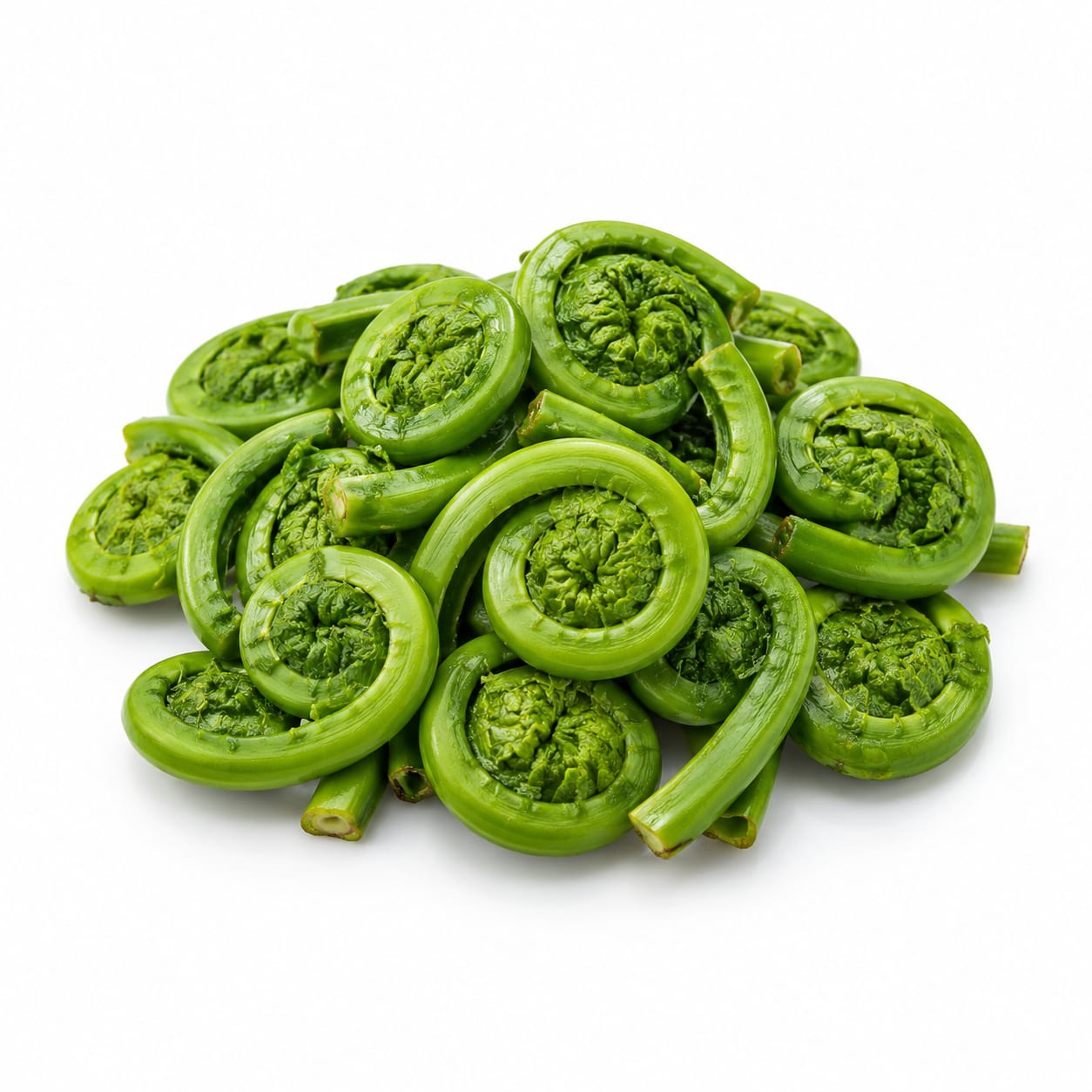
Fiddlehead ferns are the edible, coiled young shoots of the Ostrich fern, prized as a low-calorie, nutrient-dense spring vegetable.
Fiddlehead ferns are the young, tightly coiled fronds of certain fern species, primarily the Ostrich fern, harvested in early spring before they unroll. They possess a unique flavor profile often described as a cross between asparagus, spinach, and artichoke.
low-calorie foraged spring vegetable
Typical serving · 85g
Common varieties · ostrich fern, cinnamon fern, lady fern, bracken fern
Overall context score across nutrition, safety, and diet fit
At a glance
Quick facts
Simple indicators based on nutrition, processing, and diet fit.
The story
What makes it unique
Fiddlehead ferns are low-energy, fibrous vegetables with moderate protein content for a green. They digest slowly due to their fiber matrix, promoting steady nutrient absorption and satiety. As a minimally processed foraged food, they retain their natural cellular structure and micronutrient density, but contain unidentified natural toxins that are neutralized by heat.
Varieties: ostrich fern · cinnamon fern · lady fern · bracken fern
Per 100g
Nutrition breakdown
Macro balance and key metrics at a glance.
Energy
Density 0.34 kcal/g
Protein
Carbs
Fat
Fiber
Sugar
0 g
Sodium
1 mg
Potassium
370 mg
Glycemic index
15
Glycemic load
1
Water content
89%
Standout compounds
Nutrient highlights
Vitamin A
highSupports vision, immune function, and skin health.
Vitamin C
moderateActs as an antioxidant and supports collagen synthesis and immune defense.
Fiber
moderatePromotes digestive regularity and feeds beneficial gut bacteria.
Potassium
moderateHelps regulate blood pressure and fluid balance.
Omega-3 Fatty Acids
lowSupports cardiovascular health and reduces inflammation.
Wellness map
Health scores & processing
NOVA processing scale
unprocessed · Whole food
Fresh fiddlehead ferns are whole, foraged vegetables that have undergone no industrial processing, retaining their complete natural cellular structure.
Diet compatibility
- Weight loss
- Muscle gain
- Diabetes
- Gut health
- Low carb
- High protein
- Heart health
Relative standing
Food rankings
Qualitative ranks compared to similar whole foods.
- Satietygood
- Blood sugarexcellent
- Nutrient densitygood
- Fitness fuelpoor
- Processing qualityexcellent
Eat with confidence
Food safety profile
Raw fiddlehead ferns contain unidentified natural toxins that can cause severe food poisoning, including nausea, vomiting, and diarrhea. They must always be thoroughly cooked before eating. Never eat them raw or lightly sautéed.
Evidence confidence 85%
- Pesticideslow
- Antibioticslow
- Heavy metalsmoderate
- Contaminationhigh
Watch for
- unidentified natural toxins
- soil-borne bacteria
- heavy metals from wetland soil
Safer choices
Commercially cultivated fiddleheads from reputable suppliers reduce the risk of misidentification and environmental contamination compared to wild foraging.
Prep tips
Wash thoroughly in several changes of cold water to remove brown papery scales and soil. Boil for 15 minutes or steam for 10 to 12 minutes before sautéing or consuming. Discard the boiling water.
Raw fiddleheads contain toxins that cause severe gastrointestinal illness. Health agencies mandate thorough cooking before consumption.
Deep dive
Health analysis
How this food may fit different goals and preparation choices.
Weight loss
Extremely low energy density and high water content make fiddleheads an excellent volume-eating food that fills the stomach with minimal calories.
Blood sugar
Very low glycemic index and negligible sugar content result in virtually no blood sugar spike, making them highly suitable for glucose management.
Fitness & energy
Lacks the dense carbohydrates or protein needed for intense workout fuel or muscle recovery, functioning better as a micronutrient side dish.
Gut health
Provides a solid fiber source that feeds beneficial gut bacteria and supports regular bowel movements without caloric excess.
Processing quality
A completely unprocessed whole food that maintains its natural nutrient matrix, offering maximum phytochemical and vitamin retention.
Food safety
The presence of natural toxins in raw fiddleheads is a critical safety concern. Proper boiling or steaming eliminates the risk, making safe preparation mandatory.
Common mistakes
Sautéing or stir-frying raw fiddleheads without pre-boiling or steaming them first is dangerous and leaves the toxins intact.
Best preparation
Boil in salted water for 15 minutes or steam for 10 to 12 minutes until tender, then drain and optionally sauté with garlic and butter or oil.
Practical guide
Best use cases
When and how this food fits real eating patterns.
spring seasonal side dish
Serve boiled and sautéed fiddleheads as a unique, low-calorie accompaniment to spring meals featuring fish or poultry.
low-carb vegetable base
Use cooked fiddleheads as a nutrient-dense, low-glycemic bed for proteins when avoiding starchy carbohydrates.
high-volume low-calorie eating
Incorporate fiddleheads into meals to increase food volume and fiber intake without adding significant calories.
Balance sheet
Pros & cons
Upsides
- Very low in calories and carbohydrates
- High in antioxidants and vitamins A and C
- Good source of dietary fiber for gut health
- Completely unprocessed whole food
- Unique seasonal flavor profile
Trade-offs
- Must be thoroughly cooked to neutralize natural toxins
- Highly seasonal and difficult to find fresh
- Can be expensive due to foraging and short shelf life
- Risk of misidentification if wild foraging
- Contains purines which may concern those with gout
Fit check
Who is it for?
Great match
- low-carb diets
- weight management
- seasonal eating
- blood sugar control
- whole food plant-based diets
Consider alternatives
- raw food diets
- high-protein diets
- those seeking quick workout energy
- people unfamiliar with safe foraging practices
Side by side
How it compares
Open the full head-to-head analysis for nutrition, safety, and practical tradeoffs.
This food
Fiddlehead Fern
VS90% alike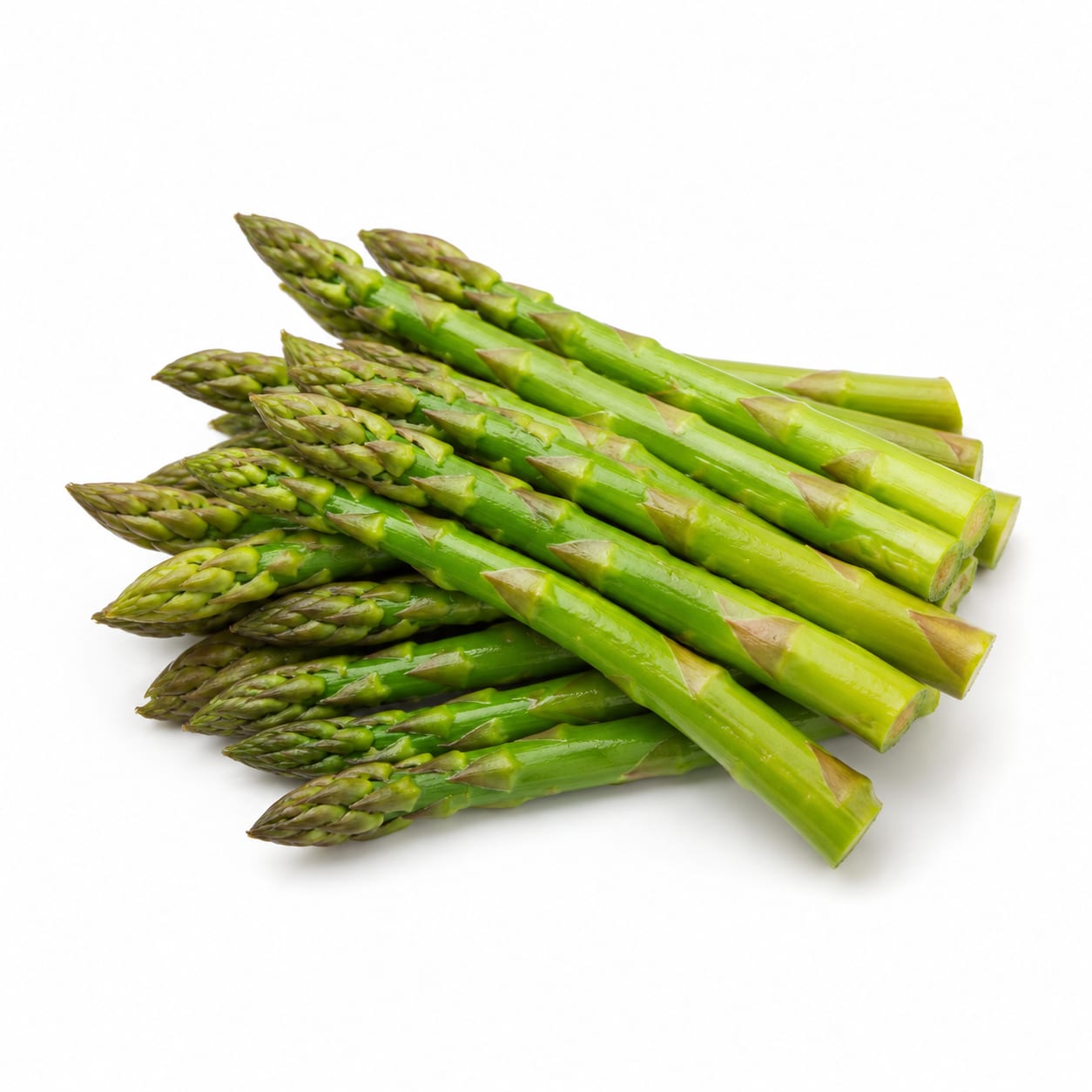
Compare with
Asparagus
Both are low-calorie spring vegetables, but asparagus is safer to eat with lighter cooking and is more widely available.
Asparagus is easier to prepare and more available, while fiddleheads offer a similar nutritional profile with a more unique, foraged flavor.
This food
Fiddlehead Fern
VS80% alike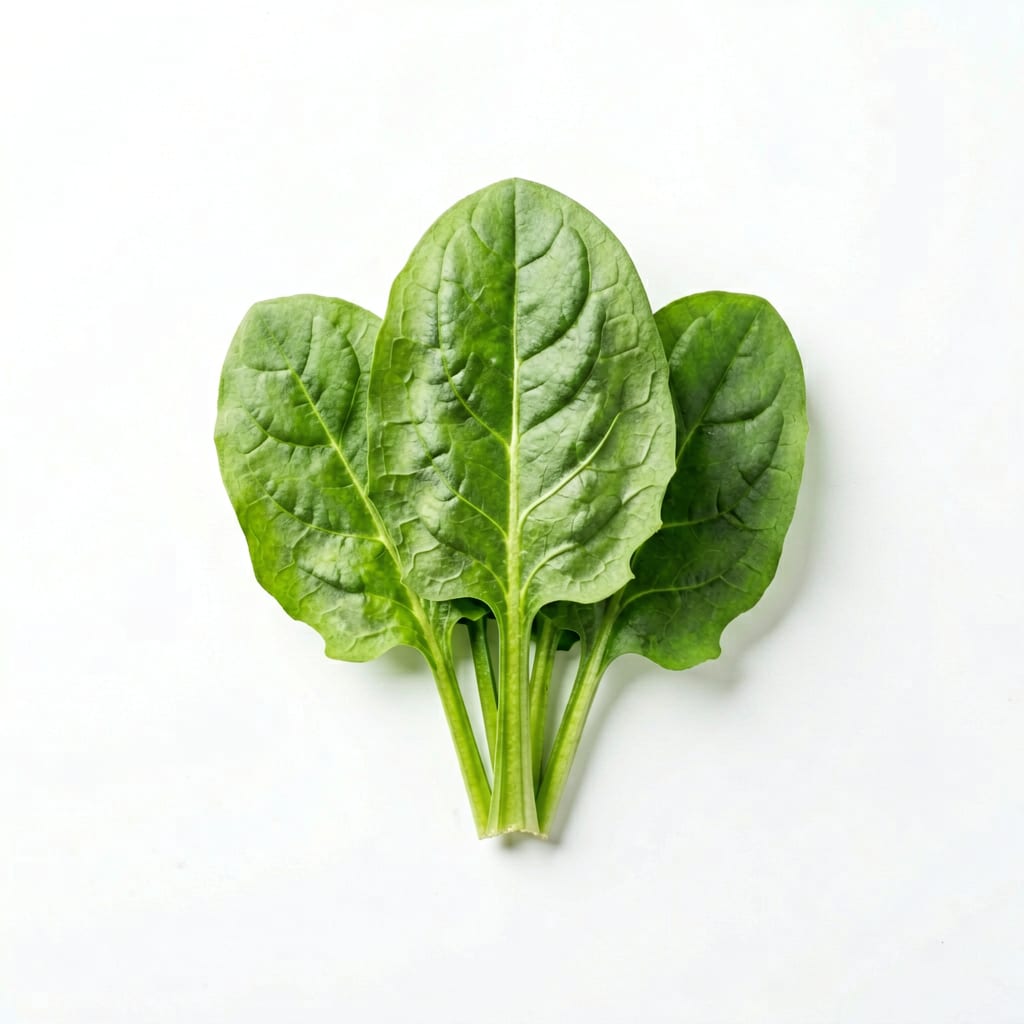
Compare with
Spinach
Spinach is more versatile and can be eaten raw, whereas fiddleheads must be cooked and are more seasonal.
Spinach is lower in calories and more versatile for raw salads, while fiddleheads provide a firmer texture and unique flavor as a cooked side dish.
This food
Fiddlehead Fern
VS75% alike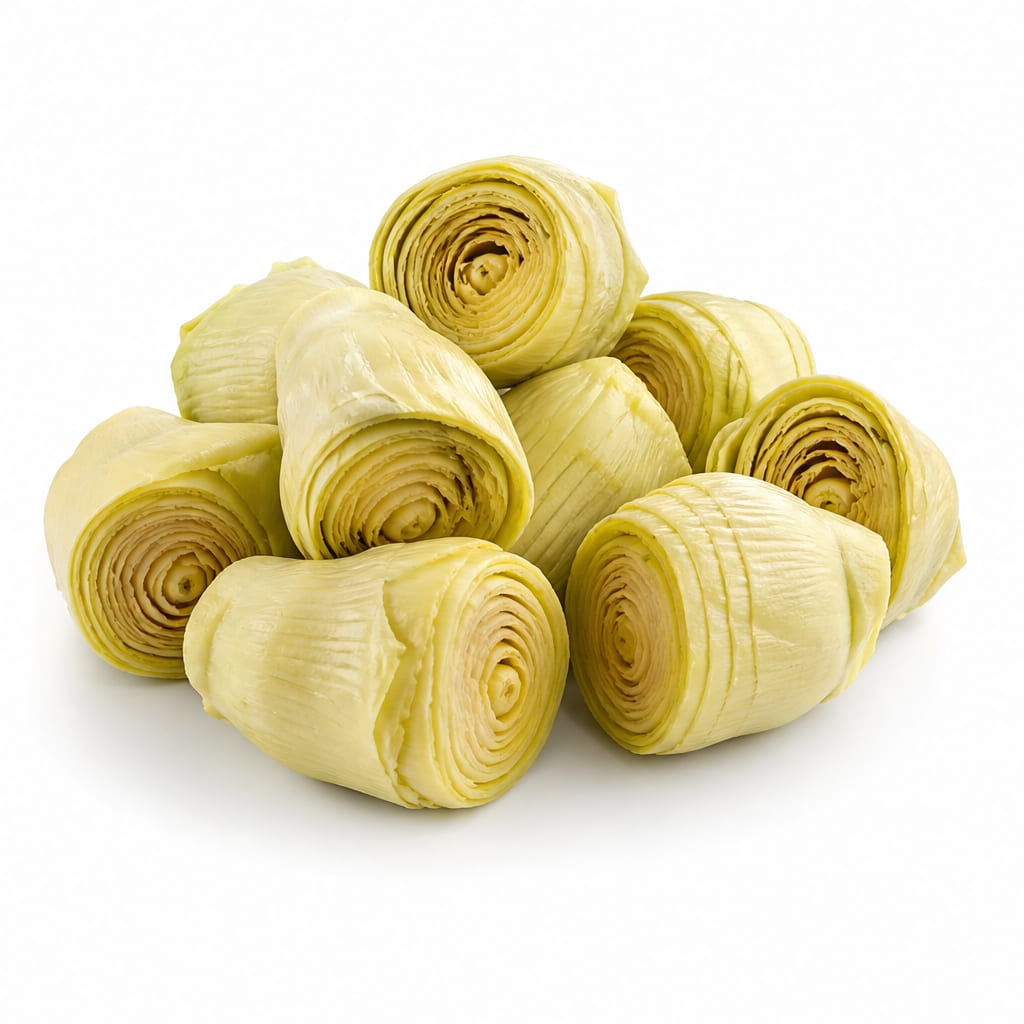
Compare with
Artichoke Hearts
Artichoke hearts are higher in fiber, but fiddleheads are lower in calories and carbohydrates.
Fiddleheads are lower in carbs and calories than artichoke hearts, but artichokes provide more fiber and are easier to find year-round.
This food
Fiddlehead Fern
VS70% alike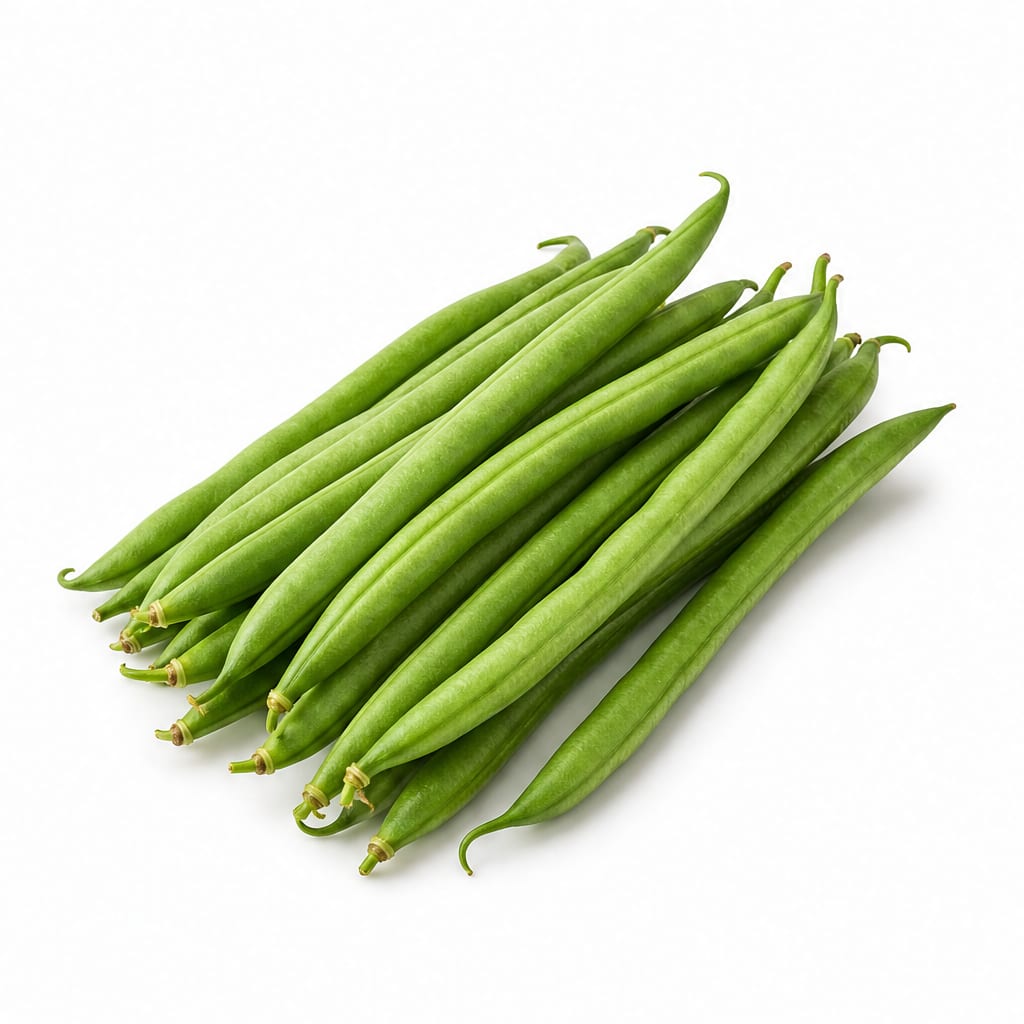
Compare with
Green Beans
Green beans are more accessible and require less intensive cooking, while fiddleheads are denser in micronutrients.
Fiddleheads are lower in calories and carbs than green beans, making them better for blood sugar control, but green beans are a more practical everyday vegetable.
This food
Fiddlehead Fern
VS65% alike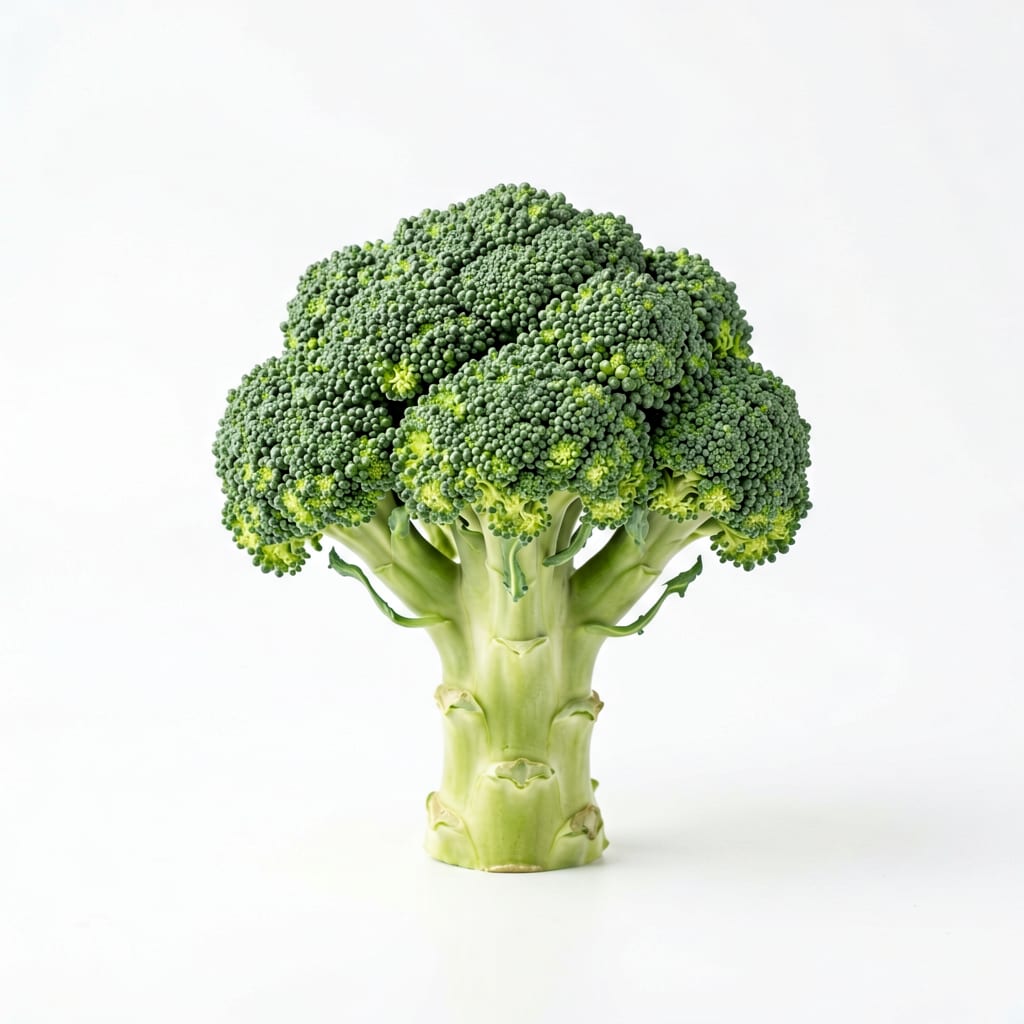
Compare with
Broccoli
Broccoli is widely available and better for fitness fuel, while fiddleheads are a seasonal delicacy with fewer carbs.
Broccoli offers more protein and vitamin C for fitness recovery, while fiddleheads are a lower-carb, seasonal alternative.
This food
Fiddlehead Fern
VS65% alike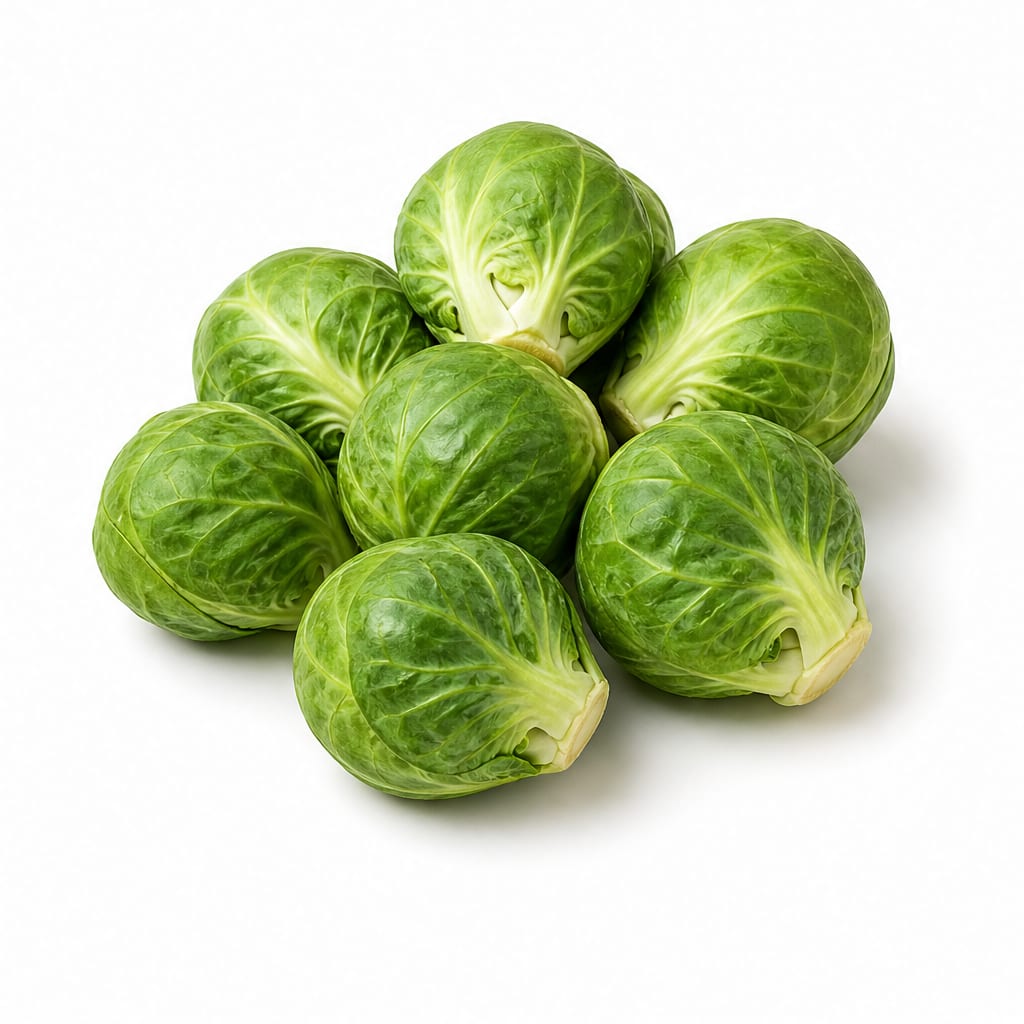
Compare with
Brussels Sprouts
Brussels sprouts are higher in protein and vitamin C, but fiddleheads are significantly lower in calories.
Brussels sprouts provide more satiety and fitness nutrients, whereas fiddleheads are a lighter, lower-calorie spring option.
This food
Fiddlehead Fern
VS60% alike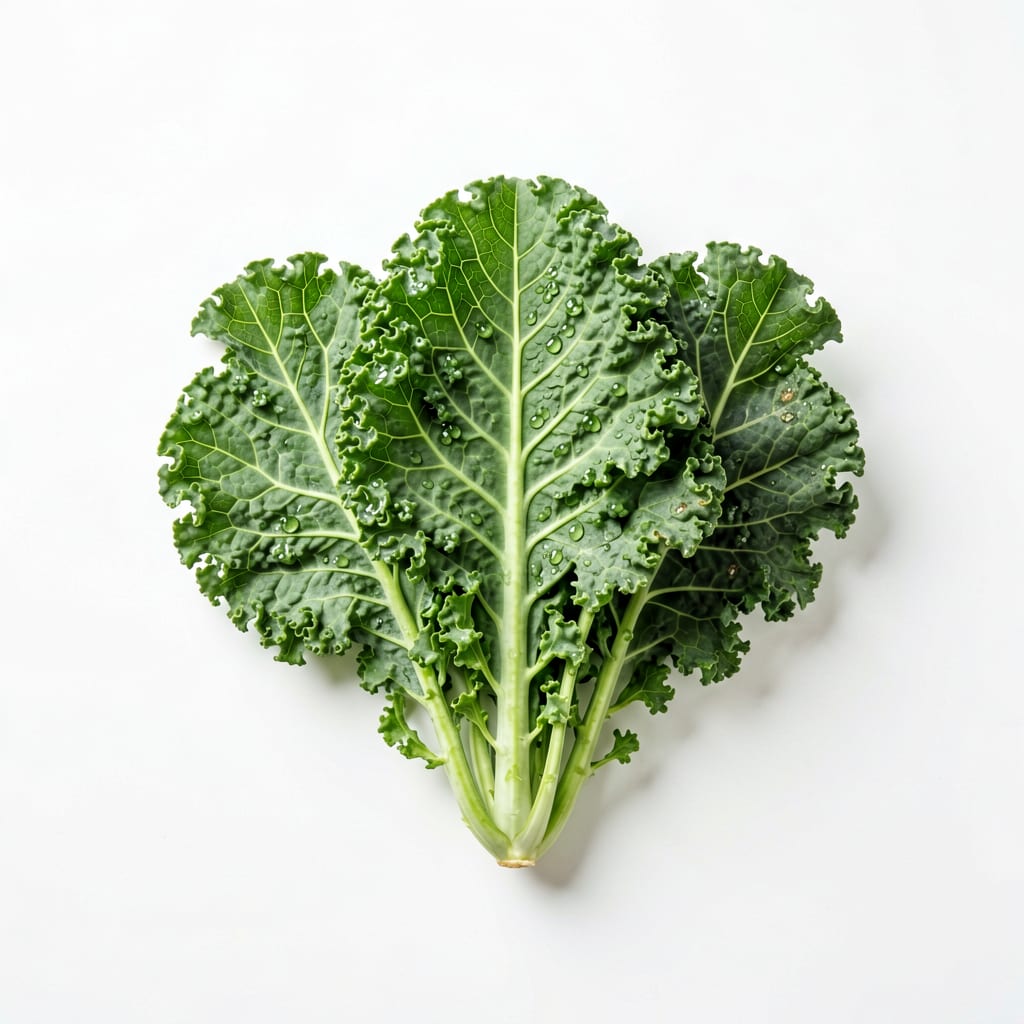
Compare with
Kale
Kale is a superfood staple available year-round, while fiddleheads are a seasonal treat with a distinct flavor.
Kale is more nutrient-dense and available year-round, while fiddleheads provide a unique seasonal flavor with slightly fewer carbs.
This food
Fiddlehead Fern
VS55% alike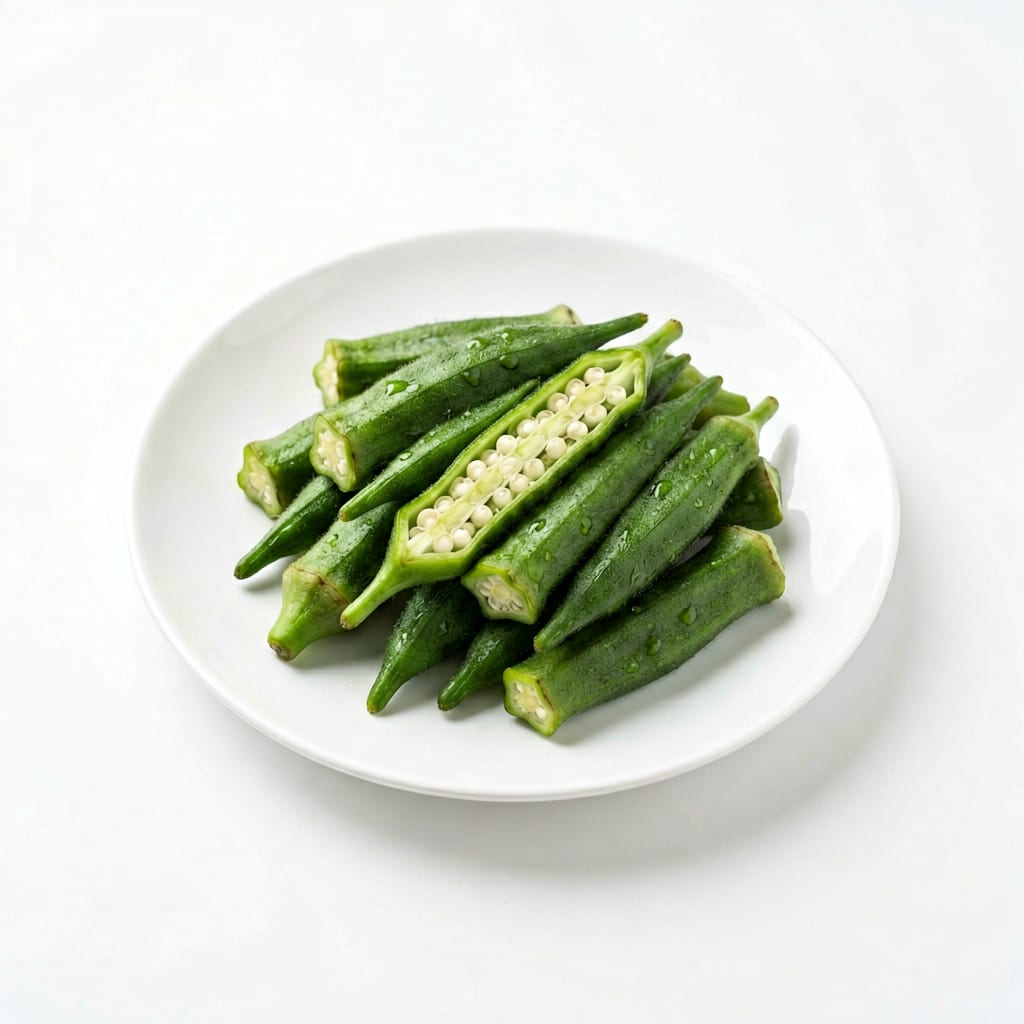
Compare with
Okra
Okra is higher in fiber and protein, but fiddleheads are lower in calories and have no slime factor.
Fiddleheads are lower in calories and carbs than okra, but okra provides more fiber and is easier to find fresh or frozen.
This food
Fiddlehead Fern
VS55% alike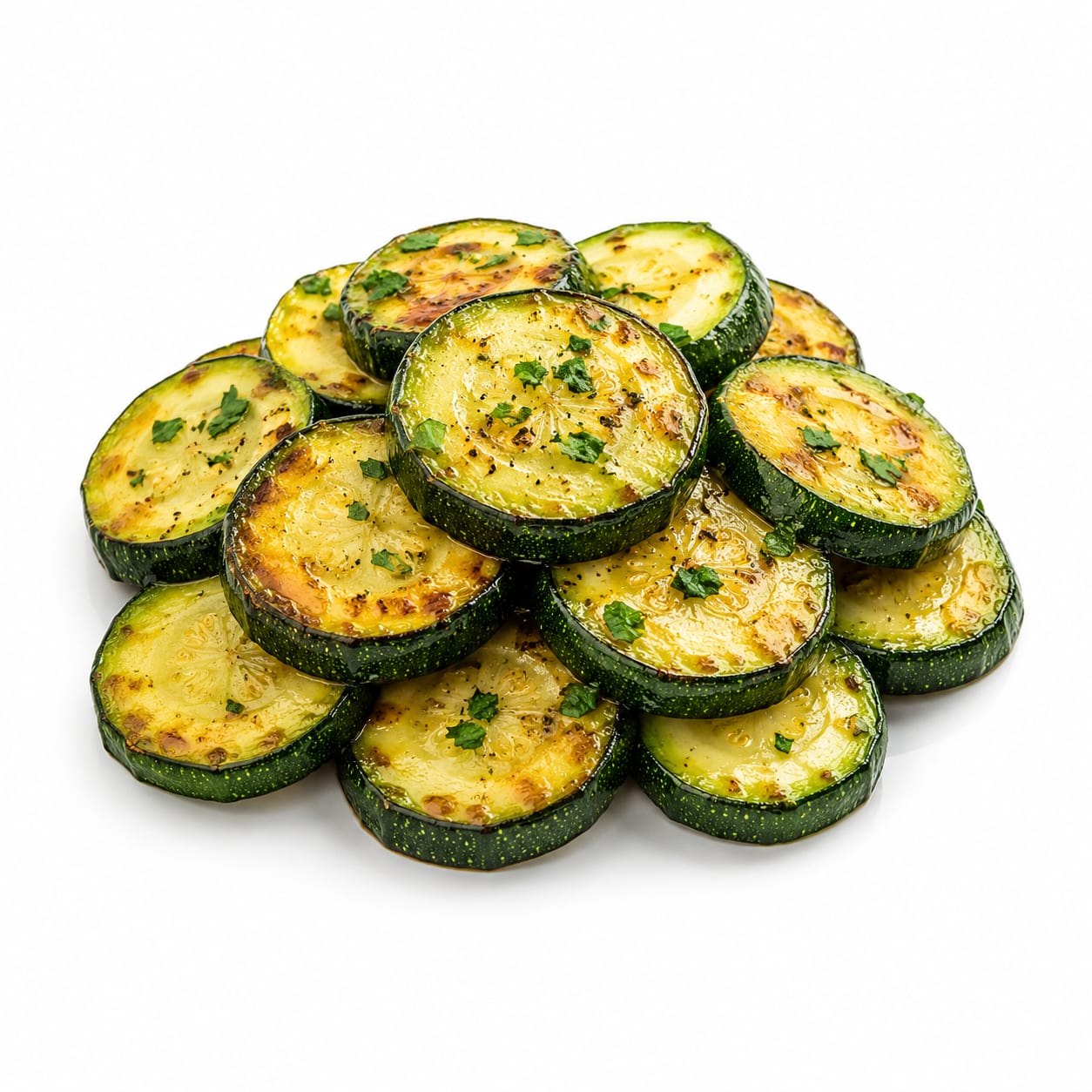
Compare with
Zucchini
Zucchini is much higher in water and lower in fiber, while fiddleheads are more nutrient-dense per calorie.
Fiddleheads are more nutrient-dense and filling per calorie than zucchini, which is mostly water and better suited for high-volume diets.
This food
Fiddlehead Fern
VS50% alike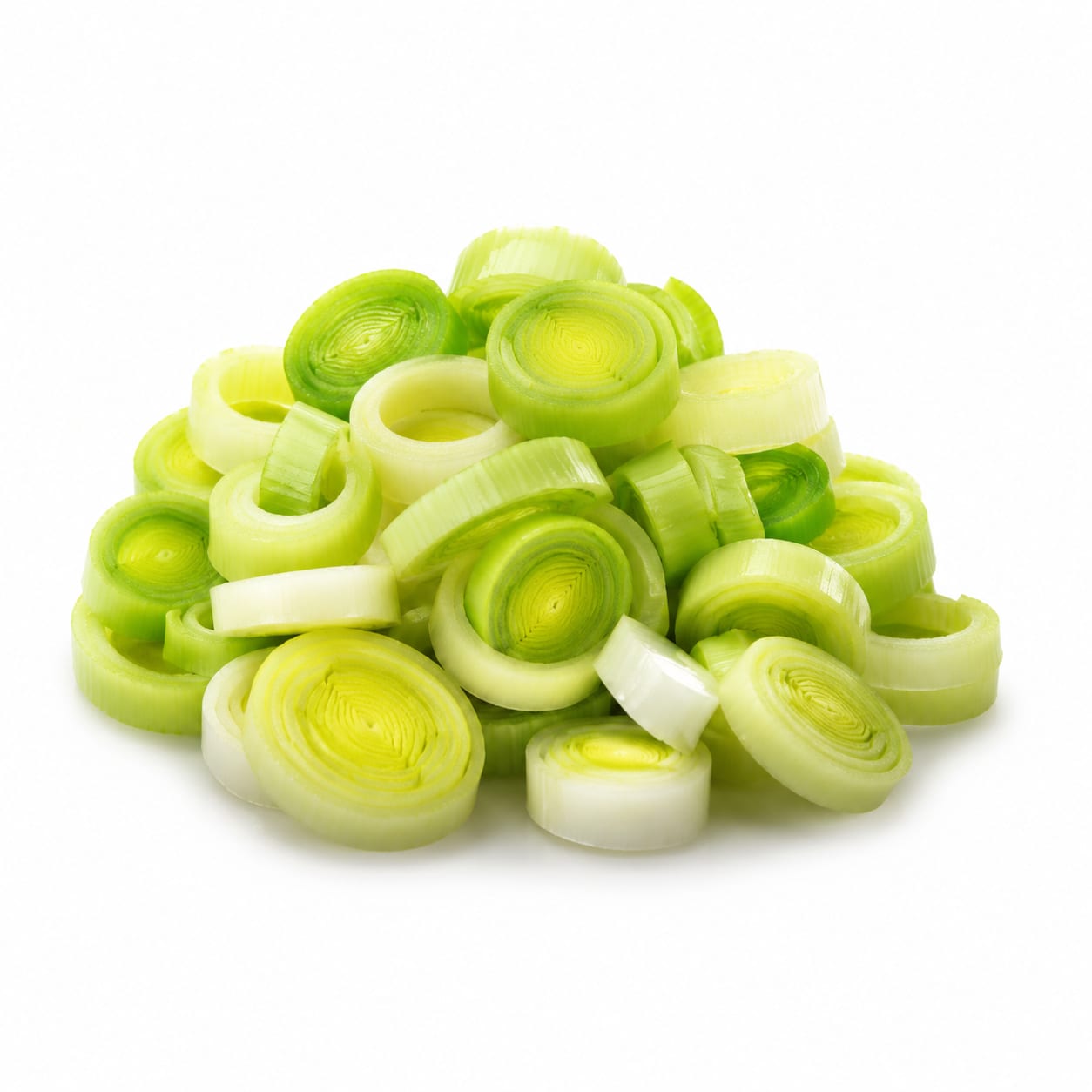
Compare with
Leeks
Leeks are higher in carbohydrates, while fiddleheads are lower in calories and better for strict low-carb diets.
Fiddleheads are lower in calories and carbs than leeks, making them better for blood sugar control, while leeks offer more flavor base for cooking.
Common questions
FAQ
Answers aligned with how people search for this food.
Are fiddlehead ferns safe to eat raw?
No, fiddlehead ferns are never safe to eat raw. They contain natural toxins that cause severe gastrointestinal illness. They must be boiled for 15 minutes or steamed for 10 to 12 minutes before consumption.
How do you cook fiddlehead ferns properly?
Wash them thoroughly to remove the brown papery scales, then boil them in water for 15 minutes or steam them for 10 to 12 minutes. After boiling or steaming, you can safely sauté or fry them.
Are fiddlehead ferns good for weight loss?
Yes, fiddlehead ferns are excellent for weight loss. They are very low in calories and carbohydrates while providing good fiber and water content to help keep you full.
What do fiddlehead ferns taste like?
Fiddlehead ferns have a unique, earthy flavor that is often described as a cross between asparagus, spinach, and green beans, with a slightly nutty and grassy finish.
Can diabetics eat fiddlehead ferns?
Yes, fiddlehead ferns are highly suitable for diabetics. They contain almost no sugar and have a very low glycemic index, meaning they will not spike blood sugar levels.
Why do fiddlehead ferns make you sick if not cooked?
Raw fiddleheads contain unidentified natural toxins that disrupt the gastrointestinal tract, leading to nausea, vomiting, diarrhea, and stomach cramps. Heat destroys these toxins, making the ferns safe to eat.
Where do fiddlehead ferns grow?
The edible Ostrich fern fiddleheads commonly grow in damp, wooded areas, near riverbanks, and in wetlands across North America, Europe, and parts of Asia during early spring.
Are fiddlehead ferns a superfood?
While not officially a superfood, fiddlehead ferns are highly nutritious. They are rich in antioxidants, omega-3 fatty acids, fiber, and vitamins A and C, making them a valuable seasonal addition to a healthy diet.
Transparency
Data confidence
Estimated confidence for nutrition data, interpretation, safety notes, and comparisons.
Nutrition data
Health analysis
Food safety
Comparisons