
Nutrition comparison
Fiddlehead Fern vs Green Beans: Safety, Nutrition, and Taste Compared
Discover the nutritional differences and safety tradeoffs between Fiddlehead Ferns and Green Beans. Learn which is better for daily use and how to cook them safely.
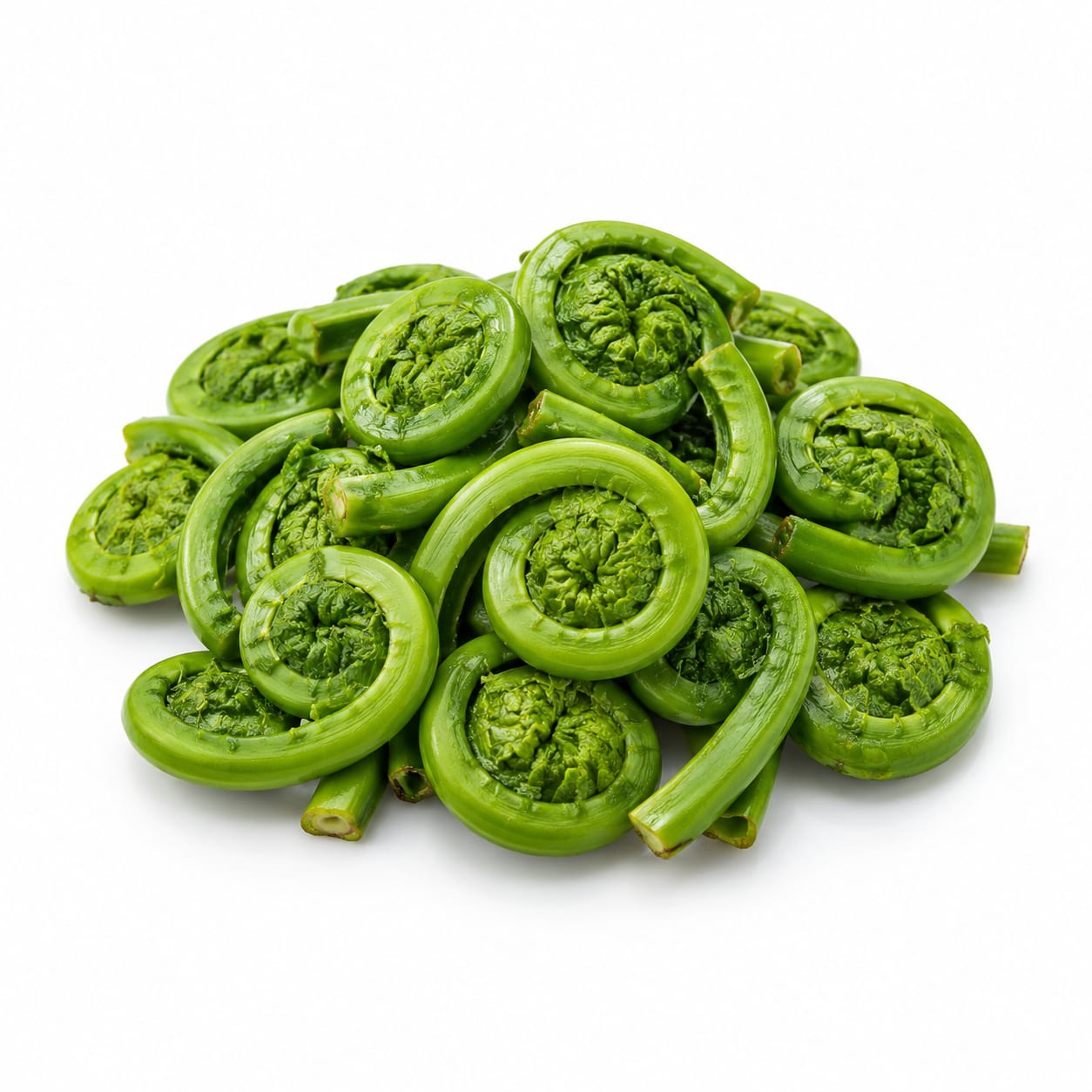
Fiddlehead Fern
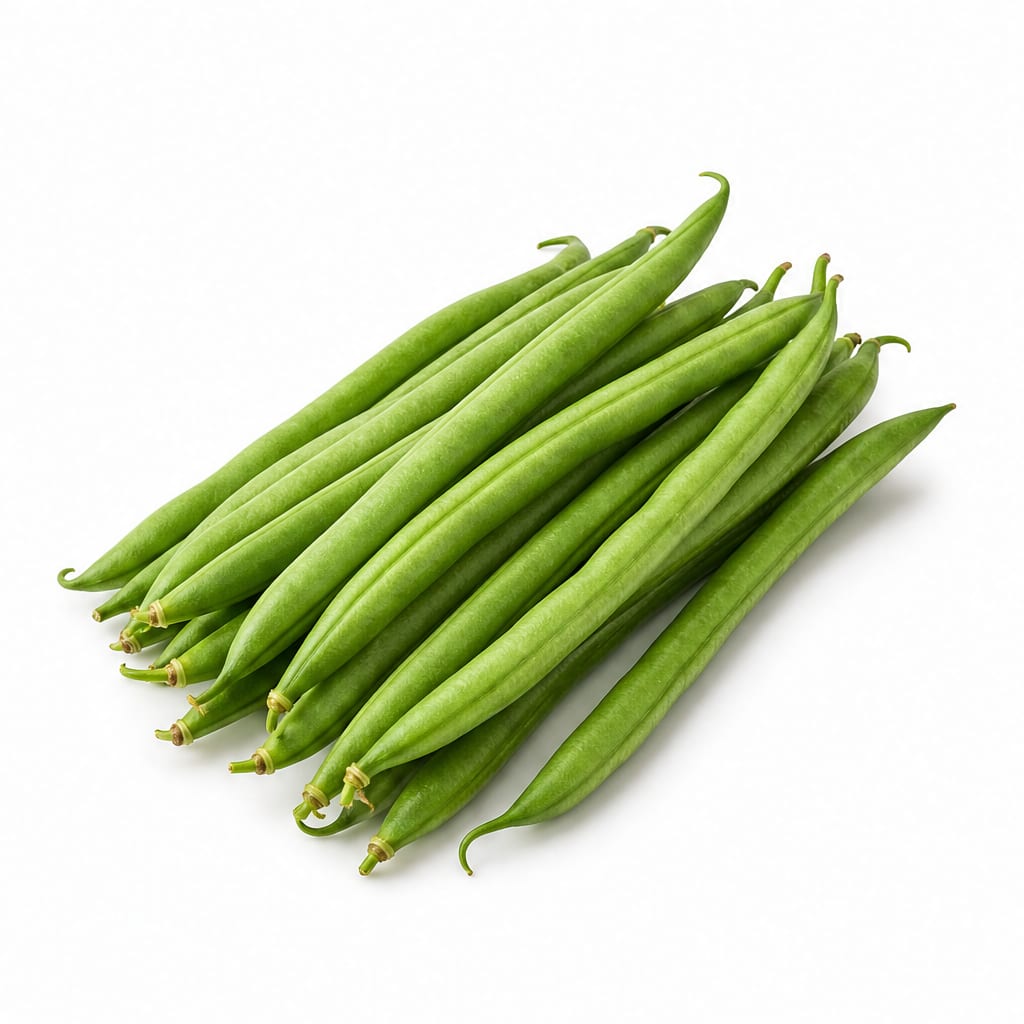
Green Beans
Fiddlehead Ferns are a nutrient-dense seasonal treat with strict safety prep, while Green Beans are a reliable, safe everyday staple.
Green Beans score higher overall due to their year-round availability, forgiving preparation, and safety. Fiddlehead Ferns are nutritionally superior but lose points because their health benefits are locked behind strict cooking requirements and a very short season.
You trade the convenience and safety of Green Beans for the unique omega-3s and antioxidant punch of Fiddlehead Ferns, which require careful cooking to avoid illness.
At a glance
Executive summary
Overall
It depends
Healthier
Fiddlehead Fern
More practical
Green Beans
Daily use
Green Beans
Key comparison lenses
Food Safety and Preparation Requirements
Fiddlehead Ferns contain natural toxins that must be neutralized by specific cooking methods, whereas Green Beans are much safer and forgiving.
Everyday Practicality and Availability
Green Beans are a year-round staple, while Fiddlehead Ferns are a highly seasonal spring delicacy.
Nutrient Density and Unique Antioxidants
Fiddlehead Ferns offer a rare burst of omega-3 fatty acids and unique antioxidants not commonly found in vegetables.
Digestive Tolerance
Improperly prepared Fiddlehead Ferns can cause severe gastrointestinal distress, making them a higher-risk choice for sensitive stomachs.
Best choice for
Fiddlehead Fern
- Foragers and culinary adventurers seeking unique spring nutrients
- People looking to boost plant-based omega-3 intake
- Those wanting a rare antioxidant profile
Green Beans
- Busy families needing quick, safe weeknight sides
- People with sensitive digestion
- Anyone meal-prepping for the week
Least suitable for
Fiddlehead Fern
- Children and elderly due to toxin risks if undercooked
- People who prefer grab-and-go meal prep
- Those unfamiliar with proper boiling techniques
Green Beans
- People bored with standard vegetable sides
- Those specifically seeking high omega-3 plant sources
Deep comparison
Dimension by dimension
Each lens scores both foods and breaks down who each option suits.
- Dimension 1 · Priority 95Green Beans
Safety and Preparation
Fiddlehead Fern · 40Green Beans · 95Green Beans are safe to eat with basic cooking, while Fiddlehead Ferns can cause food poisoning if not boiled properly before eating.
Tradeoff
Fiddlehead Ferns demand strict boiling to remove toxins, adding time and caution; Green Beans can be quickly steamed, sautéed, or even eaten raw with zero toxicity risk.
Why it matters
Eating raw or undercooked Fiddlehead Ferns can cause severe nausea, vomiting, and diarrhea within hours.
Real-world impact
You can casually snack on raw Green Beans, but skipping the boil step on Fiddlehead Ferns could ruin your whole weekend.
Fiddlehead Fern
- Experienced home cooks who follow recipes precisely
Better for
- Casual snacking
- Raw vegetable platters
Worse for
Green Beans
- Novice cooks
- Quick weeknight dinners
- Households with small children
Better for
- Creating a high-end, seasonal dining experience
Worse for
- Dimension 2 · Priority 85Fiddlehead Fern
Nutrient Density
Fiddlehead Fern · 90Green Beans · 70Fiddlehead Ferns pack a surprising amount of omega-3 fatty acids and vitamin A, easily outpacing Green Beans in unique nutrients.
Tradeoff
You get a superior nutritional profile with Fiddlehead Ferns, but only for a few weeks a year, whereas Green Beans offer steady, baseline nutrition year-round.
Why it matters
Plant-based omega-3s are rare in vegetables; Fiddlehead Ferns offer a unique way to get these anti-inflammatory fats.
Real-world impact
Eating Fiddlehead Ferns during spring can give your brain and joints a concentrated boost of omega-3s you won't get from a standard green veggie.
Fiddlehead Fern
- Anti-inflammatory diets
- Boosting plant-based omega-3s
- Vitamin A intake
Better for
- Consistent daily nutrition (due to seasonality)
Worse for
Green Beans
- Steady daily fiber intake
- Routine mineral supplementation
Better for
- High-impact, short-term nutrient boosts
Worse for
- Dimension 3 · Priority 90Green Beans
Practicality and Availability
Fiddlehead Fern · 30Green Beans · 95Green Beans are available in every grocery store all year, while Fiddlehead Ferns are a rare, expensive spring find.
Tradeoff
Fiddlehead Ferns are a fleeting luxury; Green Beans are an affordable, everyday workhorse.
Why it matters
You cannot build a daily diet around Fiddlehead Ferns, making them a supplement to your diet rather than a foundation.
Real-world impact
You can grab Green Beans at any supermarket on a Tuesday in November, but finding fresh Fiddlehead Ferns requires specialty markets or foraging in May.
Fiddlehead Fern
- Special occasion spring meals
- Farmer's market trips
Better for
- Last-minute meal planning
- Budget diets
Worse for
Green Beans
- Meal prepping
- Budget-friendly grocery runs
- Year-round consistency
Better for
- Adventurous, seasonal eating
Worse for
- Dimension 4 · Priority 75Green Beans
Digestive Tolerance
Fiddlehead Fern · 55Green Beans · 85Green Beans are gentle on the stomach, while Fiddlehead Ferns carry a risk of digestive upset if not handled perfectly.
Tradeoff
Fiddlehead Ferns offer more fiber per bite but come with a risk of GI distress; Green Beans are milder and more predictable.
Why it matters
Even slightly undercooked Fiddlehead Ferns contain enzymes that can irritate the gut lining.
Real-world impact
Green Beans are a safe side for sensitive stomachs, whereas Fiddlehead Ferns require absolute confidence in your cooking to avoid an upset stomach.
Fiddlehead Fern
- Robust digestive systems
- High-fiber diet goals
Better for
- People prone to IBS or GI upset
Worse for
Green Beans
- Sensitive digestion
- Elderly diners
- Post-stomach bug recovery
Better for
- Those needing extremely high fiber in small volumes
Worse for
Timeline
Health impact over time
Short-term
Hours to days
Fiddlehead Fern
- Can cause severe nausea, vomiting, and cramping if not boiled for at least 15 minutes
- Provides a quick, dense hit of vitamin A and antioxidants
Green Beans
- Gentle on digestion and helps promote regular bowel movements
- Provides steady, non-bloating fiber
Long-term
Months to years
Fiddlehead Fern
- Unique antioxidants may support cellular health when eaten seasonally
- Plant-based omega-3s contribute to long-term heart and brain health
Green Beans
- Consistent fiber intake supports cardiovascular health and stable blood sugar
- Low calorie density aids in sustainable weight management over years
Risk profile
Safety & processing
Both Fiddlehead Ferns and Green Beans are whole, natural vegetables. However, Fiddlehead Ferns are often wild-foraged, making them slightly closer to a wild food, while Green Beans are typically cultivated.
Fiddlehead Fern
Natural Toxins
highRaw or undercooked Fiddlehead Ferns contain unknown toxins that cause severe foodborne illness. Must be boiled or steamed thoroughly before consuming.
Foraging Misidentification
mediumIf foraging wild, some fern species are carcinogenic; only the Ostrich fern fiddleheads are safe to eat.
Green Beans
Pesticide Residue
mediumConventionally grown Green Beans often rank high in pesticide residue; washing thoroughly or choosing organic is advisable.
Lectins
lowRaw Green Beans contain small amounts of lectins, but cooking easily neutralizes them, making them safe.
Who wins for whom
Audience fit
Same foods, different winners depending on your goal.
children
Green BeansGreen Beans are much safer and milder in flavor, eliminating the strict cooking requirements needed to make Fiddlehead Ferns safe for kids.
daily consumption
Green BeansGreen Beans are available year-round, affordable, and require no special safety steps, making them ideal for daily use.
diabetes
Green BeansGreen Beans provide reliable, steady fiber with zero risk of foodborne illness disrupting your routine or medication absorption.
elderly
Green BeansElderly individuals are more vulnerable to foodborne illness, making the forgiving nature of Green Beans the safer choice.
muscle gain
It dependsNeither vegetable is a significant protein source; both serve best as side dishes to a high-protein main.
weight loss
Green BeansGreen Beans are easy to eat in large volumes with minimal calories and zero prep anxiety, making them a stress-free weight loss staple.
Your move
Decision guide
Choose Fiddlehead Fern
- You are an experienced cook who will rigorously boil them first
- You want a seasonal, nutrient-dense treat to mix up your spring meals
- You are looking to add rare plant-based omega-3s to your diet
Choose Green Beans
- You need a reliable, easy weeknight vegetable
- You are cooking for children, elderly, or those with sensitive stomachs
- You want a budget-friendly veggie you can find any day of the year
Either works if
- You just need a low-calorie green side dish and are willing to prep Fiddlehead Ferns properly
- You want to increase your daily vegetable variety
Avoid both if
- You are looking for a high-protein food to support muscle building
Final recommendation
Keep Green Beans as your everyday reliable green, but embrace Fiddlehead Ferns as a short-lived spring luxury if you are willing to follow the strict boiling prep. Never eat Fiddlehead Ferns raw.
Practical
Consumer tips
- 1
Always boil Fiddlehead Ferns for at least 15 minutes or steam for 10-12 minutes before sautéing or roasting to destroy toxins.
- 2
Never eat raw Fiddlehead Ferns, even a small taste while cooking can cause illness.
- 3
If buying foraged Fiddlehead Ferns, ensure they are the Ostrich fern variety and have brown, papery scales.
- 4
Buy organic Green Beans when possible, as they frequently retain pesticide residue.
- 5
Blanch and freeze Green Beans in summer when they are at peak freshness and lowest price.