
Nutrition comparison
Fiddlehead Fern vs Artichoke Hearts: Safety, Nutrition, and Which to Choose
Compare Fiddlehead Fern and Artichoke Hearts on safety, fiber, omega-3 content, and convenience. Learn which unique vegetable fits your health goals and how to prepare each safely.
Overall winner · Artichoke Hearts
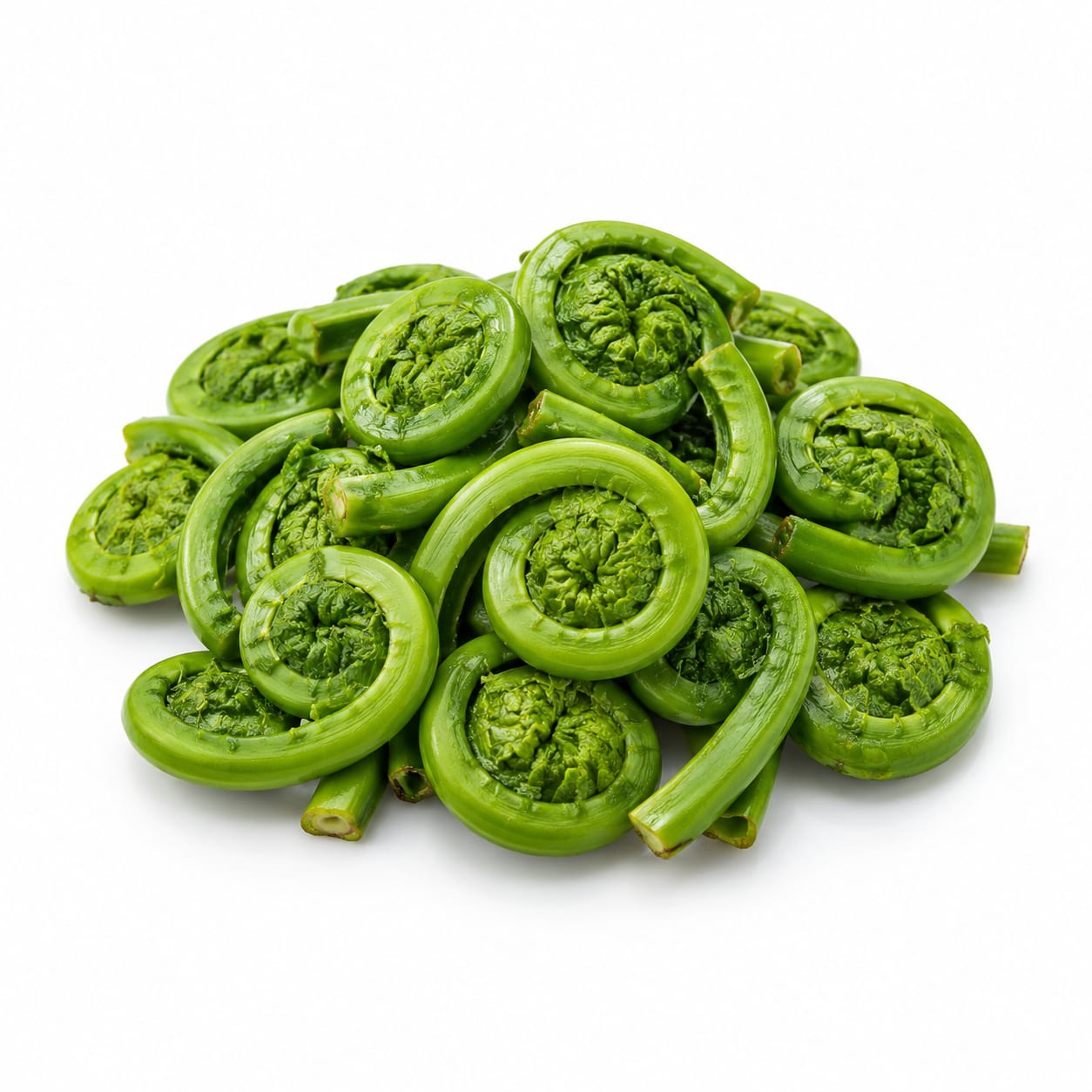
Fiddlehead Fern
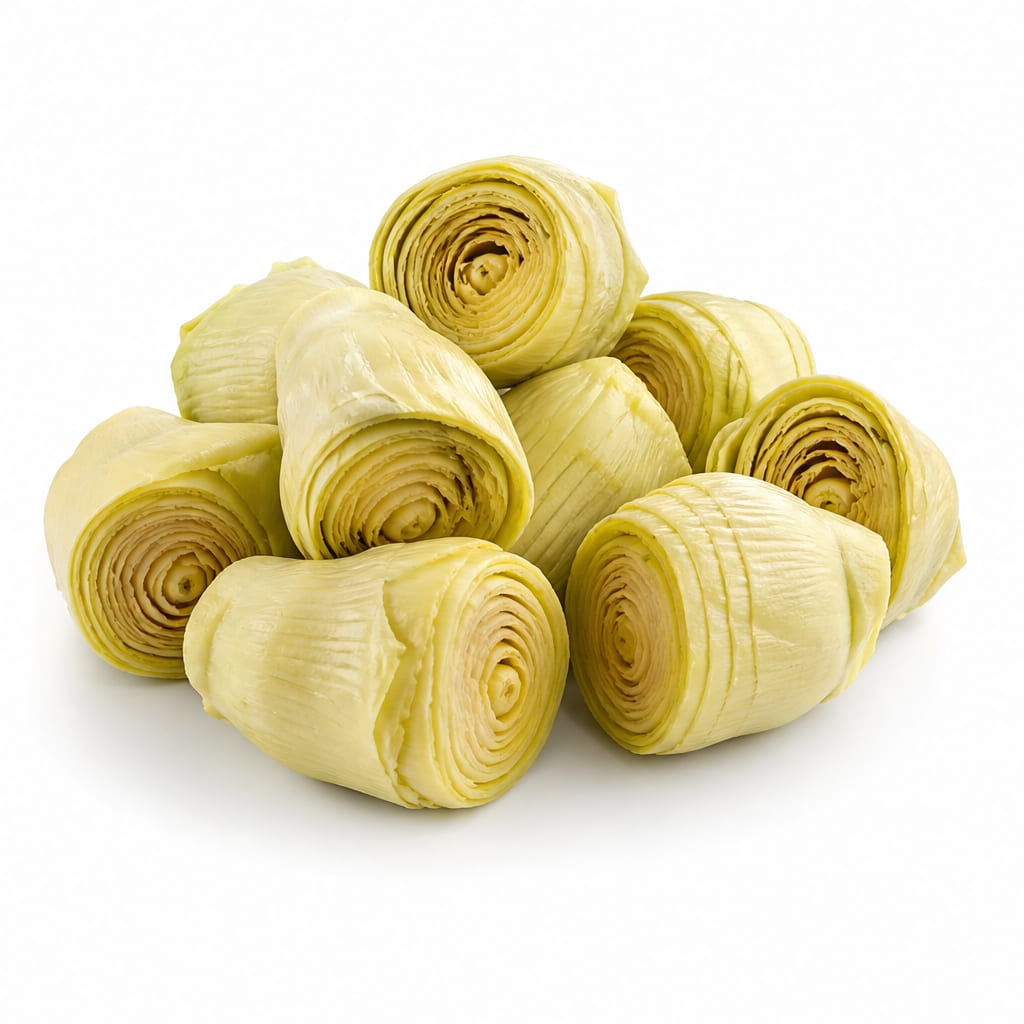
Artichoke Hearts
Artichoke Hearts win on safety, convenience, and gut health, while Fiddlehead Ferns offer a unique seasonal nutrient boost but demand careful handling.
Artichoke Hearts score notably higher due to superior safety, fiber content, and everyday practicality. Fiddlehead Ferns remain nutritionally interesting but their safety requirements and limited availability pull their score down significantly.
Fiddlehead Ferns deliver omega-3s and a rare foraged-nutrient profile, but their strict cooking requirements and seasonal scarcity make Artichoke Hearts the more practical everyday choice.
At a glance
Executive summary
Overall
Artichoke Hearts
Healthier
Artichoke Hearts
More practical
Artichoke Hearts
Daily use
Artichoke Hearts
Key comparison lenses
safety and preparation requirements
Fiddlehead Ferns carry a unique food safety risk requiring specific cooking methods, while Artichoke Hearts are generally safe and ready-to-use
seasonal availability vs year round convenience
Fiddlehead Ferns are a fleeting spring delicacy, whereas Artichoke Hearts are available canned or jarred anytime
fiber and digestive health
Artichoke Hearts are renowned for prebiotic inulin fiber, making gut health a key differentiator
antioxidant and nutrient density
Both foods offer unique phytonutrients but through different compounds and mechanisms
culinary versatility
Artichoke Hearts integrate easily into many dishes; Fiddlehead Ferns are more niche and preparation-dependent
Best choice for
Fiddlehead Fern
- Foragers and seasonal-eating enthusiasts seeking omega-3s from a plant source
- Adventurous home cooks who enjoy rare, regional ingredients
- Anyone wanting a springtime nutrient boost with unique antioxidants
Artichoke Hearts
- Daily fiber and prebiotic support for gut health
- Convenient meal prep with year-round availability
- People who want maximum nutrition with minimal safety concerns
Least suitable for
Fiddlehead Fern
- Anyone unwilling or unable to properly boil before eating
- Households with young children where raw snacking is a risk
- People seeking convenient, quick-prep vegetables
Artichoke Hearts
- Those sensitive to FODMAPs, as inulin can cause bloating
- People avoiding sodium who rely on canned or jarred versions
- Anyone seeking significant omega-3 from vegetables
Deep comparison
Dimension by dimension
Each lens scores both foods and breaks down who each option suits.
- Dimension 1 · Priority 95Artichoke Hearts
Food Safety
Fiddlehead Fern · 40Artichoke Hearts · 90Fiddlehead Ferns must be boiled or steamed before eating to destroy an unidentified toxin; raw consumption has caused foodborne illness outbreaks. Artichoke Hearts carry no such risk.
Tradeoff
The foraged appeal of Fiddlehead Ferns comes with a non-negotiable preparation step that, if skipped, can cause serious gastrointestinal illness.
Why it matters
One food can make you sick if handled casually; the other is forgiving and safe even straight from a jar.
Real-world impact
If someone snacks on raw Fiddlehead Ferns thinking they are like other greens, they could experience nausea, vomiting, and diarrhea within hours.
Fiddlehead Fern
- Experienced foragers who understand proper preparation
Better for
- Casual cooks who might skip the boiling step
- Raw food diet followers
Worse for
Artichoke Hearts
- Families needing safe, low-risk vegetables
- Meal preppers who want food that tolerates shortcuts
Better for
- Those avoiding canned goods with added sodium
Worse for
- Dimension 2 · Priority 85Artichoke Hearts
Fiber and Gut Health
Fiddlehead Fern · 55Artichoke Hearts · 92Artichoke Hearts are loaded with inulin, a prebiotic fiber that feeds beneficial gut bacteria. Fiddlehead Ferns provide fiber too, but without the same prebiotic potency.
Tradeoff
If gut microbiome support is your priority, Artichoke Hearts are among the best vegetable sources available. Fiddlehead Ferns offer solid fiber but not the targeted prebiotic benefit.
Why it matters
Prebiotic fiber does more than aid digestion — it shapes your gut bacteria, influences immunity, and affects mood through the gut-brain axis.
Real-world impact
Eating Artichoke Hearts regularly can lead to noticeably better digestion and less bloating over time, while Fiddlehead Ferns contribute general fiber without the targeted microbiome benefit.
Fiddlehead Fern
- Those already getting prebiotics from other sources who just need baseline fiber
Better for
- Those relying on a single vegetable for gut health support
Worse for
Artichoke Hearts
- Anyone actively supporting gut bacteria diversity
- People with sluggish digestion needing a fiber boost
Better for
- People with IBS or FODMAP sensitivity, as inulin can trigger gas and bloating
Worse for
- Dimension 3 · Priority 78Fiddlehead Fern
Omega-3 and Unique Nutrients
Fiddlehead Fern · 82Artichoke Hearts · 45Fiddlehead Ferns are one of the few vegetable sources of omega-3 fatty acids and also provide notable vitamin A, iron, and potassium. Artichoke Hearts are richer in folate and vitamin K but lack omega-3s.
Tradeoff
For plant-based omega-3 intake, Fiddlehead Ferns are genuinely special. Artichoke Hearts offer broader B-vitamin support but miss this rare lipid profile.
Why it matters
Most people do not get enough omega-3s, and finding them in a vegetable rather than fish or supplements is uncommon and valuable.
Real-world impact
A spring serving of Fiddlehead Ferns can contribute meaningfully to omega-3 intake during their short season, which is hard to replicate with other vegetables.
Fiddlehead Fern
- Vegetarians and vegans seeking plant omega-3 sources
- Seasonal eaters who rotate nutrients throughout the year
Better for
- Anyone needing reliable year-round omega-3 intake from a consistent source
Worse for
Artichoke Hearts
- Pregnant women needing consistent folate intake
- Those prioritizing bone health through vitamin K
Better for
- People specifically targeting omega-3 intake from vegetables
Worse for
- Dimension 4 · Priority 82Artichoke Hearts
Availability and Convenience
Fiddlehead Fern · 25Artichoke Hearts · 88Fiddlehead Ferns appear for roughly 2-3 weeks in spring and are hard to find outside rural or specialty markets. Artichoke Hearts are available canned, jarred, or frozen year-round everywhere.
Tradeoff
You can build reliable meal plans around Artichoke Hearts. Fiddlehead Ferns are a seasonal event, not a staple.
Why it matters
Nutrition only works if you can actually access the food consistently. The best nutrient profile means little if the food is unavailable 11 months of the year.
Real-world impact
You can toss Artichoke Hearts into a salad, pasta, or grain bowl any Tuesday night. Fiddlehead Ferns require planning, sourcing, and timing.
Fiddlehead Fern
- Home foragers in the northeastern US or Canada during spring
- Chefs designing seasonal tasting menus
Better for
- Urban dwellers without farmers market access
- Anyone meal planning beyond a 3-week spring window
Worse for
Artichoke Hearts
- Busy households needing reliable weeknight ingredients
- Anyone living far from specialty produce markets
Better for
- Those who find canned or jarred versions too salty
Worse for
- Dimension 5 · Priority 70It depends
Antioxidant Profile
Fiddlehead Fern · 75Artichoke Hearts · 72Fiddlehead Ferns contain unique antioxidants like carotenoids and phenolic compounds, while Artichoke Hearts are rich in cynarin and silymarin-like compounds that support liver health.
Tradeoff
Both offer antioxidants, but they target different systems — Fiddlehead Ferns toward general cellular protection, Artichoke Hearts toward liver and detoxification pathways.
Why it matters
Antioxidant diversity matters more than quantity. Eating both across a year gives broader protection than relying on one.
Real-world impact
Regular Artichoke Heart consumption may subtly support liver enzyme function, while seasonal Fiddlehead Fern consumption adds a different class of protective compounds to your diet.
Fiddlehead Fern
- Those seeking diverse, less common antioxidant sources
- People who already eat liver-supportive foods regularly
Better for
- Those needing a reliable, repeatable antioxidant source
Worse for
Artichoke Hearts
- Anyone wanting consistent liver-supportive antioxidants year-round
- People who drink alcohol and want dietary liver support
Better for
- People already supplementing with liver-support compounds like milk thistle
Worse for
- Dimension 6 · Priority 65It depends
Calorie Density and Weight Management
Fiddlehead Fern · 78Artichoke Hearts · 74Both are low-calorie vegetables, but Fiddlehead Ferns are slightly lower in calories per serving while Artichoke Hearts provide more satiety through higher fiber volume.
Tradeoff
Fiddlehead Ferns are lighter per bite; Artichoke Hearts keep you fuller longer due to fiber bulk.
Why it matters
For weight management, satiety usually beats raw calorie count because it prevents overeating later.
Real-world impact
A cup of Artichoke Hearts will keep you satisfied longer than a cup of Fiddlehead Ferns, even though the ferns have slightly fewer calories.
Fiddlehead Fern
- Those counting calories precisely who want maximum volume for minimal intake
Better for
- Those who find low-fiber vegetables unsatisfying and end up eating more later
Worse for
Artichoke Hearts
- Emotional eaters who need fiber-driven fullness to avoid snacking
Better for
- Anyone eating jarred versions packed in oil, which dramatically increases calories
Worse for
Timeline
Health impact over time
Short-term
Hours to days
Fiddlehead Fern
- Risk of nausea, vomiting, or diarrhea if consumed raw or undercooked
- Mild energy boost from B-vitamins and iron when properly prepared
- Potential digestive adjustment if unused to high-fiber foraged greens
Artichoke Hearts
- Noticeable fullness and reduced appetite from inulin fiber
- Possible gas or bloating in sensitive individuals, especially with large portions
- Quick addition of savory flavor to meals without heavy calories
Long-term
Months to years
Fiddlehead Fern
- Seasonal omega-3 contribution supports cardiovascular health over years
- Unique antioxidant intake adds diversity to long-term cellular protection
- Minimal long-term risk if always properly cooked
Artichoke Hearts
- Consistent prebiotic fiber intake reshapes gut microbiome toward healthier composition
- Regular cynarin exposure supports liver function and cholesterol metabolism
- Long-term folate intake supports cardiovascular and cognitive health
Risk profile
Safety & processing
Fresh Fiddlehead Ferns are about as unprocessed as food gets — straight from the forest floor with only washing and cooking required. Artichoke Hearts, especially canned or jarred versions, often contain added salt, citric acid, or preservatives. Frozen Artichoke Hearts are a cleaner middle ground but still undergo more processing than raw fiddleheads.
Fiddlehead Fern
Toxin-mediated foodborne illness from raw or undercooked consumption
highAn unidentified heat-labile toxin in raw Fiddlehead Ferns has caused multiple outbreaks of gastrointestinal illness. Boiling for at least 15 minutes or steaming for 10-12 minutes is essential. Never eat them raw or lightly sautéed.
Environmental contamination from foraging sites
mediumWild-harvested fiddleheads may absorb heavy metals or pollutants from soil and water near roads, industrial sites, or treated agricultural land. Source from trusted foragers or certified farms.
Misidentification with toxic fern species
mediumNot all coiled fern fronds are ostrich fern fiddleheads. Some lookalike species are toxic. Only harvest or purchase from knowledgeable sources.
Artichoke Hearts
High sodium in canned or jarred versions
mediumCanned Artichoke Hearts can contain 300-500mg sodium per serving. Rinsing helps but does not eliminate it entirely. Frozen versions are significantly lower in sodium.
FODMAP intolerance reactions
lowInulin fiber in Artichoke Hearts is a high-FODMAP ingredient that can cause significant bloating, gas, and discomfort in people with IBS or FODMAP sensitivity.
Choking hazard from remaining bracts
lowPoorly trimmed Artichoke Hearts may retain tough, fibrous bract pieces that pose a mild choking risk, especially for children or elderly individuals.
Who wins for whom
Audience fit
Same foods, different winners depending on your goal.
children
Artichoke HeartsArtichoke Hearts are safer, easier to prepare, and available in kid-friendly forms. Fiddlehead Ferns carry a real risk if a child eats one raw or undercooked.
daily consumption
Artichoke HeartsYear-round availability, strong safety profile, and gut health benefits make Artichoke Hearts a sustainable daily vegetable. Fiddlehead Ferns are a seasonal treat, not a daily staple.
diabetes
Artichoke HeartsThe inulin fiber in Artichoke Hearts slows glucose absorption and supports steadier blood sugar. Fiddlehead Ferns are also low-glycemic but lack the same fiber-driven blood sugar buffering.
elderly
Artichoke HeartsConsistent fiber from Artichoke Hearts helps prevent constipation, a common elderly concern. The safety margin is also much wider — no risk of toxin exposure from undercooking.
muscle gain
It dependsNeither food is a significant protein source. Fiddlehead Ferns offer slightly more iron for oxygen transport during training, while Artichoke Hearts provide magnesium for muscle recovery. Both need to be paired with protein-rich foods.
weight loss
Artichoke HeartsArtichoke Hearts provide more satiety per serving through higher fiber content, making it easier to eat less overall throughout the day.
Your move
Decision guide
Choose Fiddlehead Fern
- You are an experienced forager or cook who will absolutely boil or steam them properly
- You want a rare plant-based omega-3 source during spring season
- You are designing a seasonal, locally-sourced menu and want unique ingredients
- You already eat Artichoke Hearts regularly and want antioxidant diversity
Choose Artichoke Hearts
- You want a reliable, safe vegetable you can eat any day of the year
- Gut health and prebiotic fiber are priorities for you
- You need convenient ingredients for quick weeknight meals
- You are feeding a family and cannot risk food safety shortcuts
Either works if
- You want low-calorie vegetable options with strong nutrient density
- You are building a diverse antioxidant portfolio across your diet
- You enjoy both and can rotate them seasonally
Avoid both if
- You have severe FODMAP intolerance and cannot tolerate inulin or high-fiber vegetables
- You are on a very low-fiber diet for medical reasons such as post-surgical recovery
Final recommendation
Make Artichoke Hearts your everyday vegetable for consistent fiber, safety, and convenience. When spring arrives and you can source Fiddlehead Ferns from a trusted supplier, enjoy them as a seasonal bonus — but always boil or steam them thoroughly first. Think of Artichoke Hearts as your reliable daily driver and Fiddlehead Ferns as a special guest that demands respect and proper preparation.
Practical
Consumer tips
- 1
Always boil Fiddlehead Ferns for at least 15 minutes or steam for 10-12 minutes before any other preparation step — never sauté raw fiddleheads directly
- 2
Rinse canned Artichoke Hearts under running water for 30 seconds to reduce sodium by roughly 20-30%
- 3
Frozen Artichoke Hearts are the best compromise between convenience and low sodium — skip the cans when possible
- 4
Source Fiddlehead Ferns only from reputable farms or experienced foragers; never harvest near roads, industrial sites, or treated fields
- 5
If you have IBS, start with small portions of Artichoke Hearts and increase gradually to assess your inulin tolerance
- 6
Pair Fiddlehead Ferns with a healthy fat like olive oil after boiling — the omega-3s and fat-soluble vitamins absorb better with fat present
- 7
Keep a jar of Artichoke Hearts in your pantry for effortless additions to salads, pasta, grain bowls, and egg dishes