
Nutrition comparison
Fiddlehead Fern vs Brussels Sprouts: Nutrition, Safety, and Taste Compared
Discover the nutritional differences and safety risks between fiddlehead ferns and Brussels sprouts. Learn which green is better for daily health and how to cook fiddleheads safely.
Overall winner · Brussels Sprouts
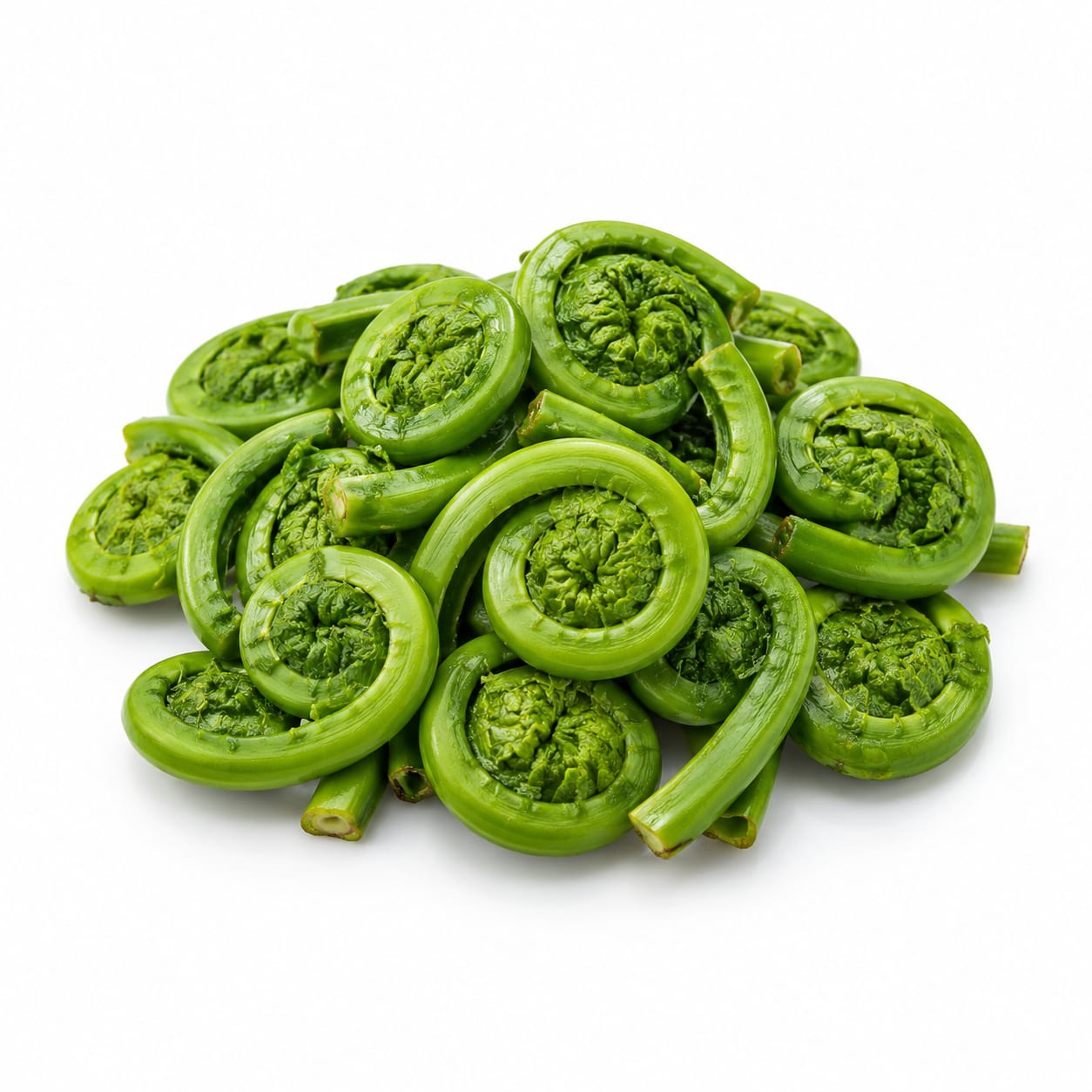
Fiddlehead Fern
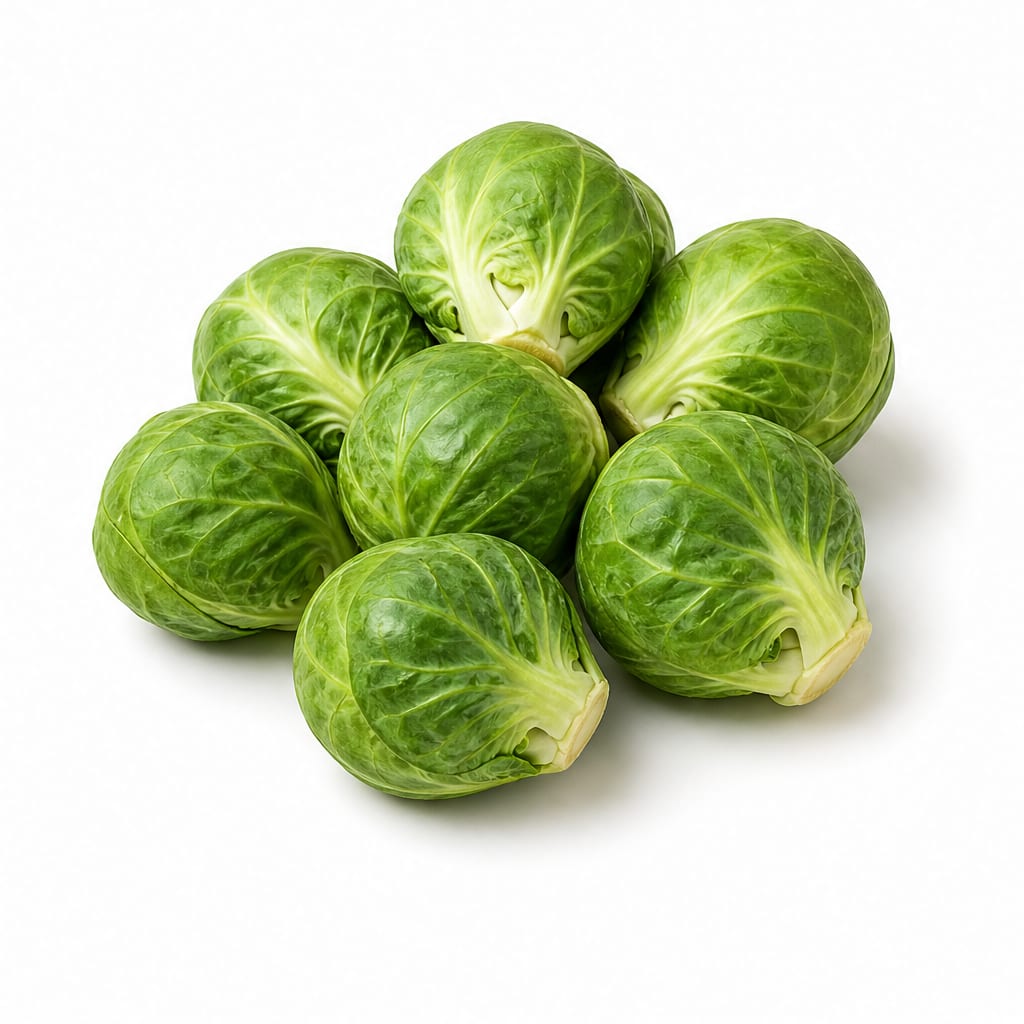
Brussels Sprouts
Brussels sprouts win for everyday safety and convenience, but fiddlehead ferns are a unique seasonal treat with distinct nutritional perks if prepared correctly.
Brussels sprouts score significantly higher due to their safety profile, year-round availability, and well-researched health benefits. Fiddlehead ferns lose points because their toxin risk demands careful preparation, and their seasonal scarcity limits daily utility.
Fiddlehead ferns offer a rare, foraged nutrient boost but carry a strict food safety warning, while Brussels sprouts deliver reliable, safe nutrition year-round.
At a glance
Executive summary
Overall
Brussels Sprouts
Healthier
Brussels Sprouts
More practical
Brussels Sprouts
Daily use
Brussels Sprouts
Key comparison lenses
Safety and proper preparation
Fiddlehead ferns contain natural toxins that can cause severe food poisoning if not cooked properly, making safety the primary concern.
Seasonal availability vs year-round practicality
Fiddleheads are a fleeting spring delicacy, whereas Brussels sprouts are a staple available any time of year.
Antioxidant and cancer-fighting compounds
Brussels sprouts offer well-documented glucosinolates, while fiddlehead ferns provide unique omega-3s and different antioxidants.
Best choice for
Fiddlehead Fern
- Adventurous eaters seeking seasonal variety
- Those wanting a plant-based omega-3 boost
- People looking to increase dietary iron
Brussels Sprouts
- Families needing safe, reliable vegetables
- Anyone focused on cancer-fighting glucosinolates
- Meal preppers who need week-long staying power
Least suitable for
Fiddlehead Fern
- Children and pregnant women due to toxin risks
- People who prefer quick, raw vegetable prep
- Anyone unfamiliar with foraging safety rules
Brussels Sprouts
- People on blood thinners who need stable Vitamin K
- Those with severe IBS who react to cruciferous veggies
- People who strongly dislike bitter flavors
Deep comparison
Dimension by dimension
Each lens scores both foods and breaks down who each option suits.
- Dimension 1 · Priority 95Brussels Sprouts
Safety & Toxin Risk
Fiddlehead Fern · 40Brussels Sprouts · 95Fiddlehead ferns carry a real risk of foodborne illness from unidentified toxins if undercooked, whereas Brussels sprouts are safe even raw.
Tradeoff
You get a unique foraged flavor with fiddleheads, but you must boil or steam them for at least 15 minutes to neutralize toxins, which can diminish some heat-sensitive vitamins.
Why it matters
Eating raw or lightly sautéed fiddleheads can cause severe nausea, vomiting, and diarrhea within hours.
Real-world impact
Brussels sprouts can be quickly roasted or shaved into a salad. Fiddleheads require a mandatory boiling step before any other cooking method, adding time and reducing spontaneity.
Fiddlehead Fern
- Experienced foragers who understand strict prep rules
Better for
- Impatient cooks
- People with sensitive stomachs
Worse for
Brussels Sprouts
- Households with kids
- Quick weeknight dinners
- Raw salad preparations
Better for
- Those who overcook them and release sulfur smells
Worse for
- Dimension 2 · Priority 80It depends
Nutrient Density & Antioxidant Profile
Fiddlehead Fern · 82Brussels Sprouts · 88Brussels sprouts are a vitamin K and C powerhouse with cancer-fighting glucosinolates. Fiddlehead ferns surprisingly offer plant-based omega-3s and high iron.
Tradeoff
Brussels sprouts provide more vitamin C and proven anti-cancer compounds, but fiddlehead ferns deliver a rare vegetarian source of omega-3 fatty acids and more iron.
Why it matters
If you need immune support and bone health, Brussels sprouts edge ahead. For anti-inflammatory fats and blood-building iron, fiddleheads are surprisingly potent.
Real-world impact
Eating Brussels sprouts regularly helps lower inflammation markers over time. A spring serving of fiddleheads gives a temporary but meaningful omega-3 and iron lift.
Fiddlehead Fern
- Vegans needing omega-3s
- Individuals boosting iron intake
Better for
- Those who lose nutrients during the mandatory long boiling
Worse for
Brussels Sprouts
- People focused on immune health
- Those seeking bone-strengthening vitamin K
Better for
- People taking anticoagulants who must avoid high vitamin K
Worse for
- Dimension 3 · Priority 85Brussels Sprouts
Practicality & Availability
Fiddlehead Fern · 30Brussels Sprouts · 90Brussels sprouts are a grocery store staple year-round. Fiddlehead ferns are available only for a few weeks in spring and are often expensive.
Tradeoff
Fiddleheads offer an exciting, fleeting culinary moment, but you cannot rely on them as a dietary staple.
Why it matters
Consistency is key for long-term health. You can only eat fiddleheads a few times a year, while Brussels sprouts can anchor your vegetable rotation weekly.
Real-world impact
You can easily grab a bag of Brussels sprouts any Tuesday. Finding fresh, safe fiddleheads requires specialty markets or foraging knowledge.
Fiddlehead Fern
- Spring seasonal celebrations
- Specialty dinner parties
Better for
- Last-minute meal planning
- Budget-conscious shoppers
Worse for
Brussels Sprouts
- Weekly meal prep
- Budget-friendly grocery runs
- Consistent dietary habits
Better for
- Adventurous eaters bored with standard veggies
Worse for
- Dimension 4 · Priority 70It depends
Digestive Tolerance & Gut Health
Fiddlehead Fern · 70Brussels Sprouts · 65Both are high in fiber, but Brussels sprouts are cruciferous and can cause gas and bloating in sensitive people. Properly cooked fiddleheads are gentler on the gut.
Tradeoff
Brussels sprouts feed gut bacteria beautifully but can cause uncomfortable bloating. Fiddleheads, when thoroughly cooked, are less likely to cause gas.
Why it matters
If you avoid cruciferous vegetables due to IBS, properly prepared fiddleheads might be a welcome green alternative.
Real-world impact
A big bowl of roasted Brussels sprouts can lead to an uncomfortable evening for some. Fiddleheads are lighter on the stomach, provided the toxins are cooked out.
Fiddlehead Fern
- People with cruciferous vegetable intolerances
- Those seeking a lighter fiber load
Better for
- Anyone who undercooks them, leading to GI distress from toxins
Worse for
Brussels Sprouts
- People needing a high-fiber push for regularity
Better for
- Those prone to severe gas and bloating
Worse for
Timeline
Health impact over time
Short-term
Hours to days
Fiddlehead Fern
- Risk of severe nausea and vomiting if undercooked
- Provides a quick iron and energy boost
- Light on the stomach when properly prepared
Brussels Sprouts
- Can cause noticeable bloating or gas
- High vitamin C helps with immediate iron absorption if eaten with other foods
- Very filling and satisfying due to high fiber
Long-term
Months to years
Fiddlehead Fern
- Occasional seasonal intake adds dietary diversity
- Plant-based omega-3s support long-term heart and brain health
- Iron contributes to sustained energy levels
Brussels Sprouts
- Glucosinolates lower the risk of certain cancers
- High vitamin K supports long-term bone density
- Consistent fiber intake promotes a healthy microbiome
Risk profile
Safety & processing
Both are whole, natural vegetables. Fiddlehead ferns are often wild-foraged, making them incredibly natural, though this carries environmental contamination risks. Brussels sprouts are cultivated but remain a clean, unprocessed whole food.
Fiddlehead Fern
Toxin-mediated foodborne illness
highRaw or undercooked fiddleheads contain an unidentified toxin that causes vomiting, diarrhea, and cramps. They must be boiled or steamed for at least 15 minutes before consuming.
Environmental contamination from foraging
mediumWild-foraged fiddleheads may absorb heavy metals or pollutants from soil and water if harvested near roads or industrial areas.
Brussels Sprouts
Pesticide residue
mediumAs leafy greens that grow close to the ground, conventionally grown Brussels sprouts can retain pesticide residue. Washing thoroughly or choosing organic mitigates this.
Bacterial contamination
lowLike all raw produce, they can carry E. coli or salmonella, but this is easily managed with standard washing.
Who wins for whom
Audience fit
Same foods, different winners depending on your goal.
children
Brussels SproutsBrussels sprouts are much safer for kids. The toxin risk and strict prep rules of fiddleheads make them unsuitable for young, vulnerable digestive systems.
daily consumption
Brussels SproutsBrussels sprouts are a practical daily vegetable. Fiddleheads are strictly a seasonal, occasional treat.
diabetes
Brussels SproutsBrussels sprouts have a highly reliable fiber content that stabilizes blood sugar, and they lack the severe preparation risks that might derail a consistent diet.
elderly
Brussels SproutsOlder adults need reliable, safe nutrition. The food poisoning risk from slightly undercooked fiddleheads is too dangerous for aging immune systems.
muscle gain
Brussels SproutsBrussels sprouts provide more vitamin C, which helps synthesize carnitine for fat burning during exercise, and are easier to pair with protein consistently.
weight loss
Brussels SproutsBrussels sprouts are more filling and widely available, making it easier to consistently replace higher-calorie foods.
Your move
Decision guide
Choose Fiddlehead Fern
- You are an experienced cook who will rigorously boil them first
- You want a unique spring delicacy with omega-3s
- You have access to a trusted, safe foraging source
Choose Brussels Sprouts
- You want a reliable, safe vegetable for weekly meals
- You are focused on cancer-fighting nutrients
- You need a filling, high-fiber side dish
Either works if
- You want to boost your daily green vegetable intake
- You are looking for iron-rich plant foods
Avoid both if
- You are on a strict low-fiber diet for acute digestive issues
- You take blood thinners and must strictly limit vitamin K
Final recommendation
Keep Brussels sprouts as your reliable nutritional workhorse, and treat fiddlehead ferns as a fun, carefully prepared spring ritual. Never skip the boiling step with fiddleheads, and you will get the best of both worlds safely.
Practical
Consumer tips
- 1
Always boil fiddlehead ferns for 15 minutes or steam for 10-12 minutes before sautéing or roasting to destroy toxins.
- 2
Never eat fiddleheads raw or lightly stir-fried.
- 3
Buy Brussels sprouts on the stalk when possible; they stay fresher and sweeter longer.
- 4
Roast Brussels sprouts at high heat to caramelize their natural sugars and reduce bitterness.
- 5
Source fiddleheads from reputable markets or trusted foragers to avoid environmental pollutants.