
Nutrition comparison
Fiddlehead Fern vs Asparagus: Safety, Nutrition, and Taste Compared
Comparing Fiddlehead Ferns and Asparagus? Discover the crucial safety differences, nutritional tradeoffs, and which spring vegetable is best for your dinner table.
Overall winner · Asparagus
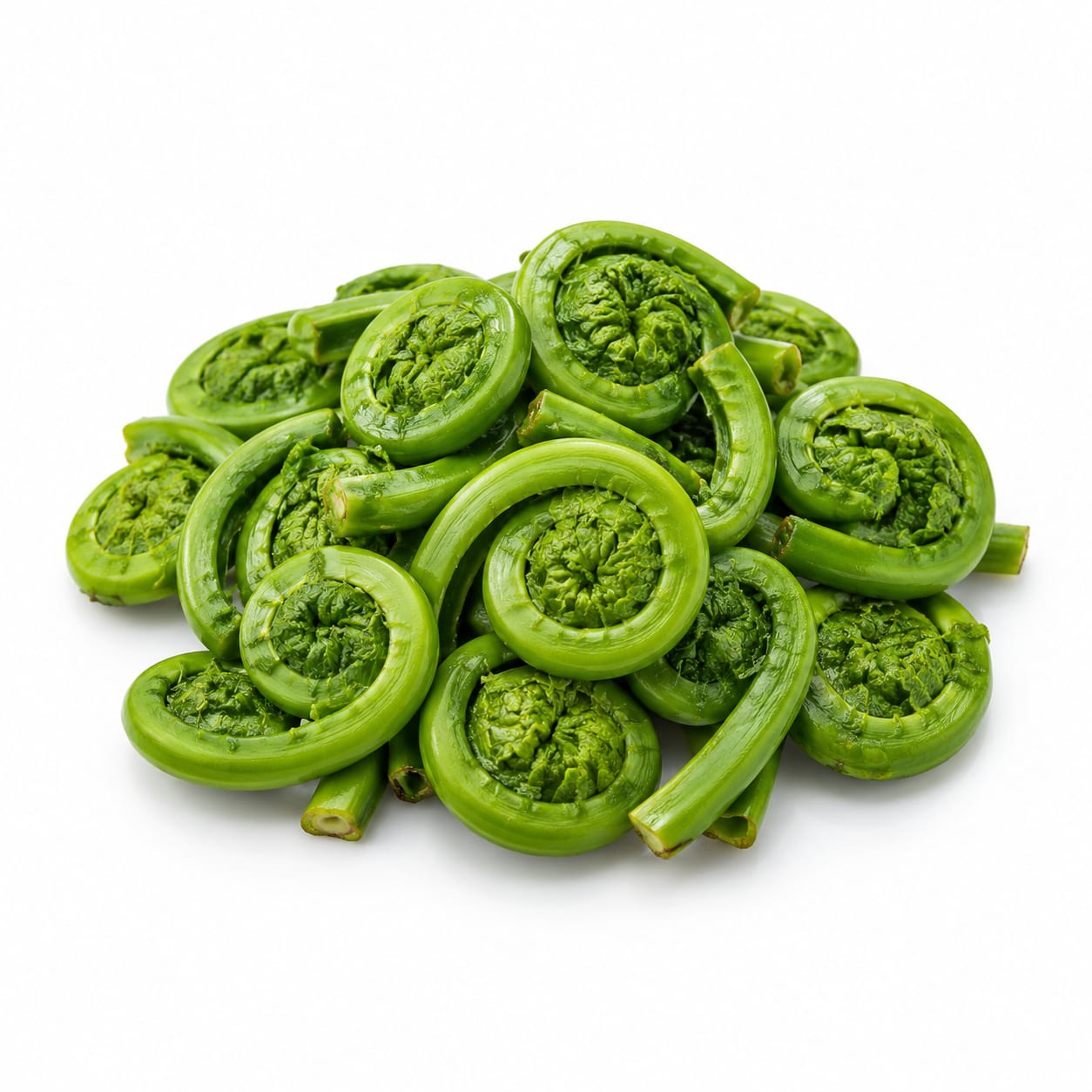
Fiddlehead Fern
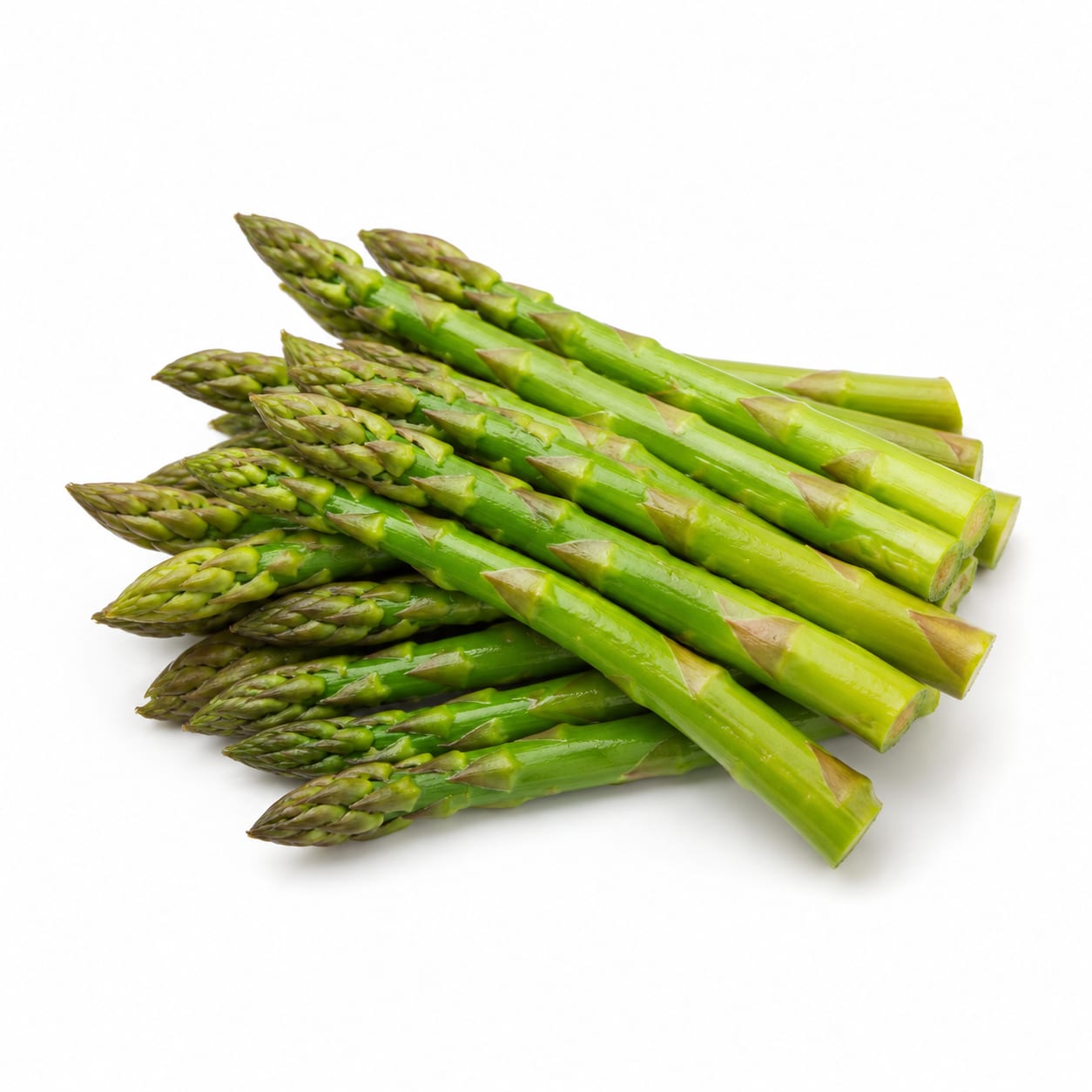
Asparagus
Asparagus is the safer, more practical everyday choice, while Fiddlehead Ferns are a high-risk, high-reward seasonal delicacy.
Asparagus scores significantly higher due to its superior safety profile, everyday availability, and foolproof preparation. Fiddlehead Ferns lose major points for their strict cooking requirements and potential toxicity if mishandled.
You trade the unique flavor and novelty of Fiddlehead Ferns for the safety, convenience, and reliable nutrition of Asparagus.
At a glance
Executive summary
Overall
Asparagus
Healthier
Asparagus
More practical
Asparagus
Daily use
Asparagus
Key comparison lenses
Safety and preparation requirements
Fiddlehead Ferns contain natural toxins that can cause severe illness if not cooked properly, making safety the most critical differentiator.
Seasonal availability and practicality
Fiddlehead Ferns are a rare spring delicacy with a tiny harvest window, whereas Asparagus is widely available year-round.
Nutrient density and antioxidant profile
Both are spring vegetables packed with unique antioxidants, but their specific vitamin and fat profiles differ significantly.
Culinary versatility
Asparagus adapts to roasting, grilling, and raw shaving, while Fiddlehead Ferns require specific boiling and sautéing steps.
Best choice for
Fiddlehead Fern
- Adventurous eaters seeking a rare spring delicacy
- Those looking for unique omega-3 plant sources
- People wanting to diversify their antioxidant intake
Asparagus
- Everyday meal preppers needing reliable vegetables
- Anyone prioritizing food safety and easy digestion
- Those seeking high folate for pregnancy or heart health
Least suitable for
Fiddlehead Fern
- Children, elderly, or immunocompromised individuals due to toxicity risks
- Busy cooks who skip thorough preparation steps
- People prone to digestive sensitivity
Asparagus
- Those bored with common spring vegetables
- People seeking rare culinary experiences
Deep comparison
Dimension by dimension
Each lens scores both foods and breaks down who each option suits.
- Dimension 1 · Priority 95Asparagus
Safety and Toxicity Risk
Fiddlehead Fern · 35Asparagus · 98Fiddlehead Ferns carry a real risk of foodborne illness if undercooked, while Asparagus is safe even raw.
Tradeoff
Choosing Fiddlehead Ferns demands strict adherence to boiling before sautéing; skipping this step can lead to severe nausea and cramping.
Why it matters
Food safety isn't just a detail with Fiddlehead Ferns—it's the defining factor of whether the meal is enjoyable or makes you sick.
Real-world impact
Eating lightly sautéed Fiddlehead Ferns can ruin your evening with food poisoning symptoms, whereas Asparagus is forgiving and safe even if slightly undercooked.
Fiddlehead Fern
- Experienced foragers who understand exact preparation protocols
Better for
- Casual cooks who might skip the mandatory boiling step
- Those with sensitive stomachs
Worse for
Asparagus
- Families needing worry-free vegetable sides
- Anyone who prefers quick, low-stress cooking
Better for
- Dimension 2 · Priority 85Asparagus
Availability and Convenience
Fiddlehead Fern · 20Asparagus · 90Asparagus is a grocery store staple, while Fiddlehead Ferns are a fleeting luxury found mostly at farmers markets in spring.
Tradeoff
You can enjoy Asparagus any night of the week with zero planning, but Fiddlehead Ferns require timing, sourcing effort, and higher cost.
Why it matters
A vegetable can only support your health if you can actually get it and cook it regularly.
Real-world impact
You can grab Asparagus on a Tuesday evening without a thought, but finding Fiddlehead Ferns requires a dedicated trip to specialty markets during a two-week window in May.
Fiddlehead Fern
- Home cooks who love the thrill of seasonal foraging
Better for
- Anyone trying to build a reliable weekly meal plan
Worse for
Asparagus
- Meal preppers who need consistent ingredients
- People living in areas without specialty markets
Better for
- Dimension 3 · Priority 75It depends
Micronutrient Density
Fiddlehead Fern · 82Asparagus · 85Asparagus delivers unmatched folate and prebiotic fiber, while Fiddlehead Ferns offer surprising plant-based omega-3s and Vitamin A.
Tradeoff
Asparagus is better for gut health and cell repair, whereas Fiddlehead Ferns provide unique anti-inflammatory fats rarely found in vegetables.
Why it matters
Different nutrient profiles serve different health goals, from digestive regularity to inflammation reduction.
Real-world impact
Eating Asparagus regularly supports a healthy gut and low homocysteine levels, while Fiddlehead Ferns offer a rare plant-based omega-3 boost during spring.
Fiddlehead Fern
- Those wanting to increase plant-based omega-3 intake
- People needing extra Vitamin A for vision and immunity
Better for
- Those relying on a single vegetable for folate
Worse for
Asparagus
- Pregnant women needing high folate
- People seeking prebiotic fiber for gut microbiome support
Better for
- Those specifically seeking diverse fat sources in vegetables
Worse for
- Dimension 4 · Priority 70Asparagus
Digestive Tolerance
Fiddlehead Fern · 55Asparagus · 75Asparagus is generally easy to digest, though its fiber can cause gas for some; Fiddlehead Ferns are tough and risky if not thoroughly cooked.
Tradeoff
Asparagus might cause mild bloating due to inulin, but Fiddlehead Ferns can cause acute gastrointestinal distress if even slightly undercooked.
Why it matters
A vegetable should nourish you, not leave you bloated or racing to the bathroom.
Real-world impact
A serving of Asparagus might make you slightly gassy, but a serving of undercooked Fiddlehead Ferns can cause hours of severe stomach cramps and vomiting.
Fiddlehead Fern
- People with delicate stomachs
- Anyone who has experienced food poisoning before
Worse for
Asparagus
- People with sensitive digestion who need gentle fiber
- Anyone avoiding sudden gastrointestinal distress
Better for
- Those highly sensitive to inulin or FODMAPs
Worse for
Timeline
Health impact over time
Short-term
Hours to days
Fiddlehead Fern
- Potential severe nausea and cramping if not boiled properly
- Provides a quick dose of unique spring antioxidants
Asparagus
- Noticeable urine odor due to asparagusic acid breakdown
- Mild bloating or gas from prebiotic fiber intake
Long-term
Months to years
Fiddlehead Fern
- Occasional seasonal intake supports antioxidant diversity
- Risk is negligible long-term if always cooked correctly
Asparagus
- Consistent folate intake supports cardiovascular and brain health
- Regular prebiotic fiber improves gut microbiome diversity
Risk profile
Safety & processing
Both Fiddlehead Ferns and Asparagus are whole, unprocessed vegetables straight from the earth. The only processing is the heat you apply in your kitchen, which is mandatory for Fiddlehead Ferns.
Fiddlehead Fern
Natural toxin ingestion
highRaw or undercooked Fiddlehead Ferns contain unknown toxins that cause violent gastrointestinal illness. They must be boiled for at least 15 minutes or steamed for 10-12 minutes before any further cooking.
Foraging misidentification
mediumInexperienced foragers might confuse the edible Ostrich fern fiddleheads with toxic fern varieties, posing a serious poisoning risk.
Asparagus
Pesticide residue
mediumAsparagus is typically low in pesticide residue, but imported out-of-season spears should still be washed thoroughly.
Who wins for whom
Audience fit
Same foods, different winners depending on your goal.
children
AsparagusAsparagus is safe, easy to cook, and mild in flavor. Fiddlehead Ferns are too risky for children due to the severe consequences of slight undercooking.
daily consumption
AsparagusAsparagus is available year-round, safe, and easy to prepare, making it a practical daily vegetable. Fiddlehead Ferns are strictly a seasonal treat.
diabetes
AsparagusAsparagus has a proven low glycemic index and high inulin content, which helps stabilize blood sugar without any preparation risks.
elderly
AsparagusOlder adults are more vulnerable to foodborne illness, making the strict cooking requirements of Fiddlehead Ferns an unnecessary risk.
muscle gain
AsparagusAsparagus provides more consistent folate and Vitamin K to support vascular health and nutrient delivery during heavy training.
weight loss
AsparagusAsparagus is reliably low in calories, highly filling due to fiber, and easy to roast in large batches for volume eating.
Your move
Decision guide
Choose Fiddlehead Fern
- You are an experienced cook who will rigorously boil them before sautéing
- You find them at a trusted farmers market and want a rare spring experience
- You want to diversify your plant-based omega-3 intake
Choose Asparagus
- You want a worry-free vegetable for your weekly meal prep
- You are cooking for children, elderly, or pregnant individuals
- You need a reliable source of folate and gut-friendly fiber
Either works if
- You want a spring-inspired side dish for a dinner party
- You are looking to increase your daily vegetable variety
Avoid both if
- You are strictly following a very low-fiber diet for a medical procedure
Final recommendation
Keep Asparagus as your reliable daily driver for its safety, folate, and ease of use. Treat Fiddlehead Ferns as a fun, high-effort spring ritual, but never skip the boiling step.
Practical
Consumer tips
- 1
Never eat Fiddlehead Ferns raw; always boil them for 15 minutes or steam for 10-12 minutes before sautéing or roasting.
- 2
Snap off the woody ends of Asparagus and peel the lower half of thick spears for more tender results.
- 3
Store Asparagus upright in a jar with an inch of water in the fridge to keep it crisp for over a week.
- 4
Wash Fiddlehead Ferns thoroughly, changing the water several times to remove the brown papery scales before cooking.