
Nutrition comparison
Fiddlehead Fern vs Leeks: Nutrition, Safety, and Taste Compared
Discover the key differences between fiddlehead ferns and leeks. Compare safety risks, nutritional benefits, and culinary uses to find out which green is right for your meal.
Overall winner · Leeks
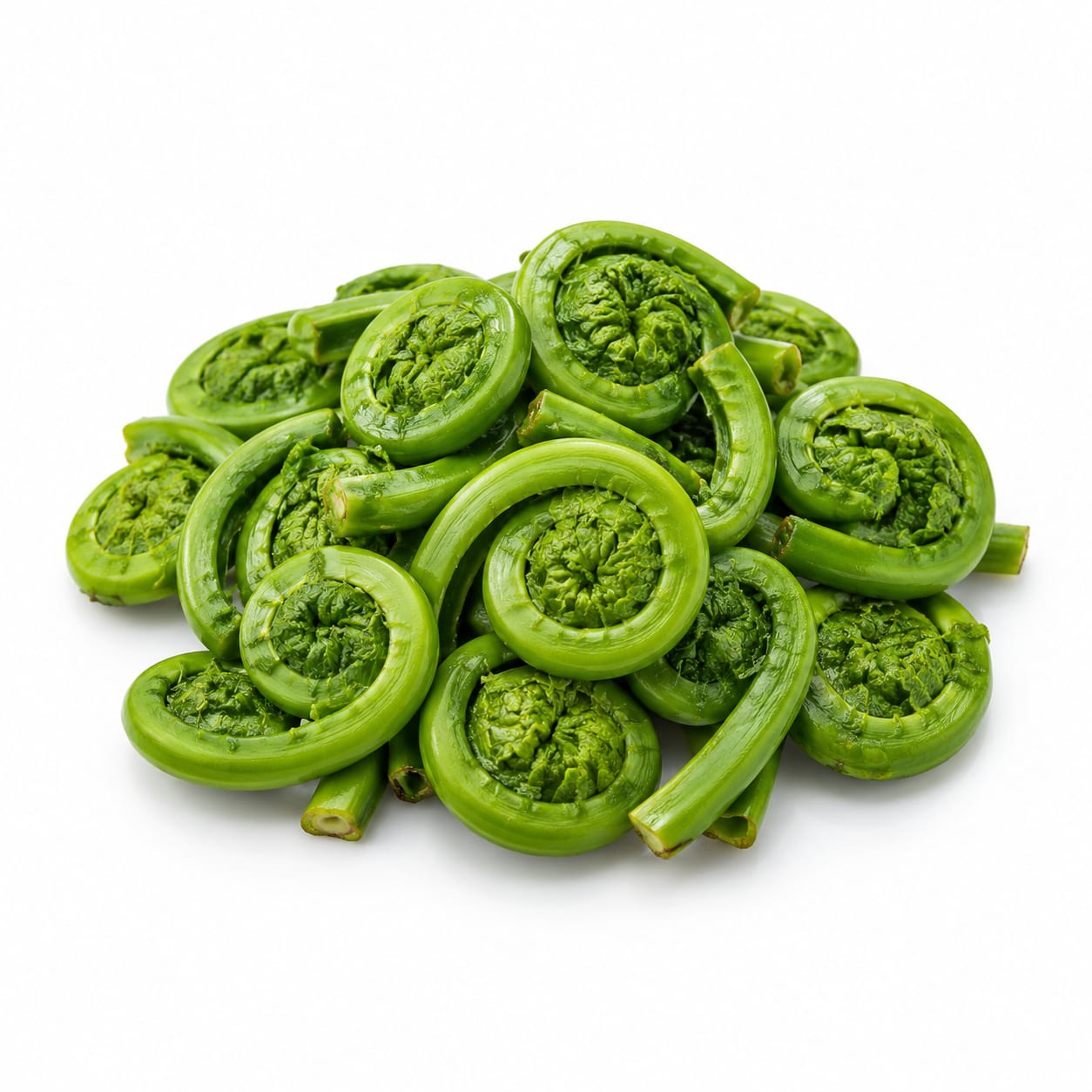
Fiddlehead Fern
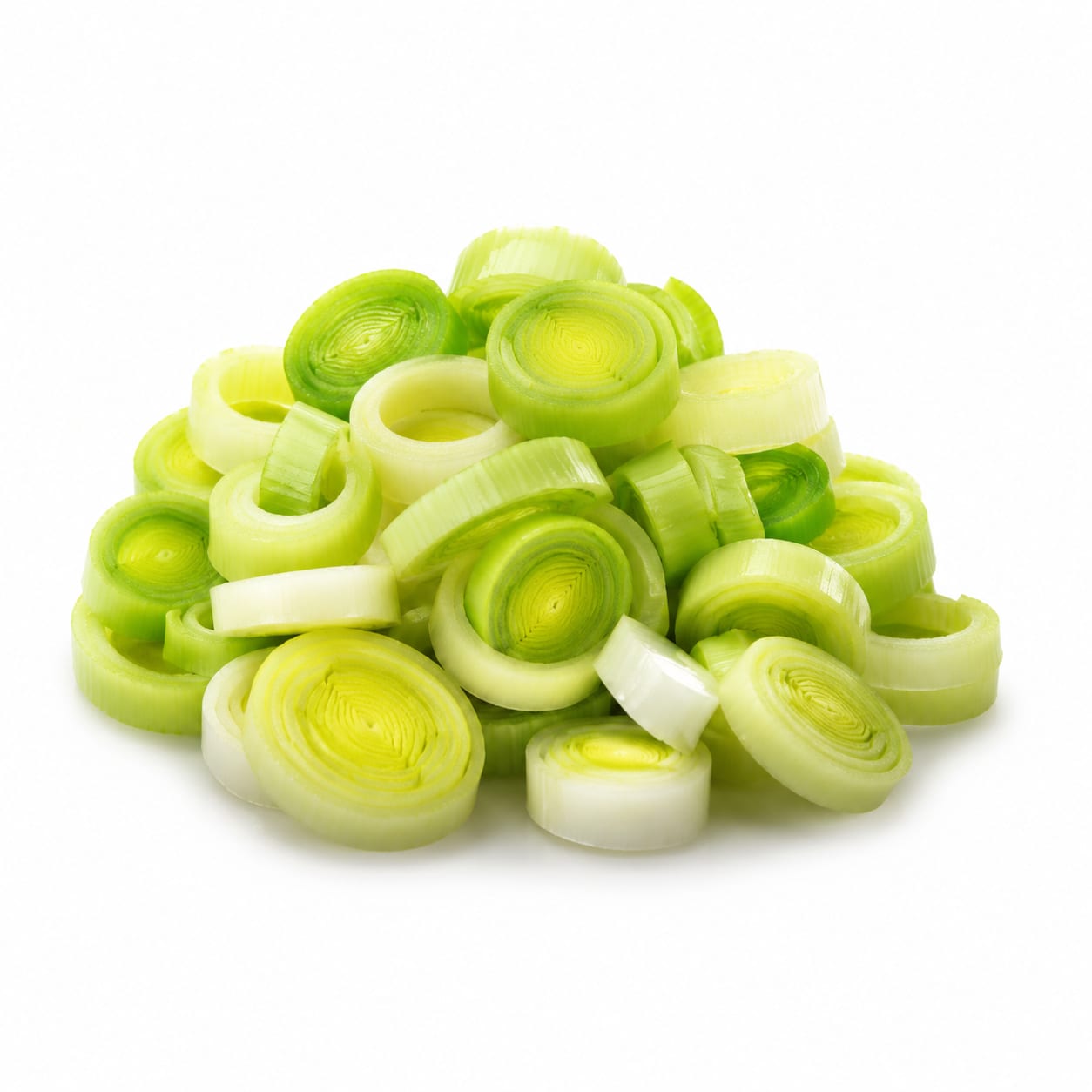
Leeks
Leeks win on safety and everyday practicality, while fiddlehead ferns are a nutrient-dense seasonal treat that demands careful cooking.
Leeks score higher primarily due to their superior safety profile and everyday usability. Fiddlehead ferns are nutritionally impressive but lose significant points because their inherent toxicity risk demands strict preparation, making them less accessible for daily use.
You trade the unique, foraged nutritional power of fiddlehead ferns for the reliable, safe, and versatile culinary foundation of leeks.
At a glance
Executive summary
Overall
Leeks
Healthier
It depends
More practical
Leeks
Daily use
Leeks
Key comparison lenses
Food safety and preparation requirements
Fiddlehead ferns carry a risk of foodborne illness if not cooked properly, making safety the most critical differentiator.
Seasonal availability versus year-round practicality
Fiddlehead ferns are a fleeting spring delicacy, while leeks are available year-round in most markets.
Micronutrient density and antioxidant profile
Both are nutritious, but fiddlehead ferns offer a unique concentration of omega-3 fatty acids and antioxidants.
Best choice for
Fiddlehead Fern
- Adventurous eaters seeking a seasonal, foraged superfood
- Those looking to boost omega-3 intake from a plant source
- Home cooks comfortable with strict food safety protocols
Leeks
- Everyday home cooks needing a reliable aromatic base
- Families wanting a safe, mild vegetable for kids
- Anyone meal prepping for the week
Least suitable for
Fiddlehead Fern
- Children and pregnant women due to toxin risks if undercooked
- Busy weeknight cooks who skip thorough preparation steps
- Anyone unfamiliar with wild-foraged food safety
Leeks
- People strictly limiting alliums due to IBS or FODMAP sensitivities
- Those seeking a high-impact standalone vegetable dish
Deep comparison
Dimension by dimension
Each lens scores both foods and breaks down who each option suits.
- Dimension 1 · Priority 95Leeks
Safety & Preparation Rigor
Fiddlehead Fern · 40Leeks · 90Fiddlehead ferns contain unknown toxins that can cause severe food poisoning if eaten raw or undercooked, requiring boiling or steaming before any other cooking method. Leeks only require thorough washing to remove hidden dirt.
Tradeoff
The exotic appeal of fiddlehead ferns comes with a non-negotiable prep tax; leeks are virtually risk-free by comparison.
Why it matters
Eating undercooked fiddlehead ferns can lead to nausea, vomiting, and diarrhea within hours, a risk entirely absent in leeks.
Real-world impact
You can quickly toss chopped leeks into a soup, but fiddlehead ferns demand a mandatory 15-minute boil or steam step first, or you risk ruining your evening with stomach distress.
Fiddlehead Fern
- Experienced foragers who understand exact cooking times
Better for
- Quick stir-fries where ingredients are barely cooked
- Households with small children who might snack on raw prep
Worse for
Leeks
- Weeknight dinners where prep time matters
- Cooking for guests where food safety cannot be compromised
- Raw preparations like salads
Better for
- Situations where washing is skipped, leading to gritty textures
Worse for
- Dimension 2 · Priority 80Fiddlehead Fern
Nutritional Density & Antioxidants
Fiddlehead Fern · 92Leeks · 78Fiddlehead ferns are surprisingly rich in omega-3 fatty acids and boast high levels of vitamin A and vitamin C. Leeks offer strong flavonoid antioxidants, particularly kaempferol, but lack the omega-3 content.
Tradeoff
Fiddlehead ferns deliver a rarer nutritional profile, especially for a land vegetable, while leeks provide steady, reliable micronutrients.
Why it matters
Getting omega-3s from a foraged green is rare and valuable for anti-inflammatory benefits, making fiddlehead ferns a potent seasonal boost.
Real-world impact
Eating fiddlehead ferns during their short season acts like a concentrated multivitamin, whereas leeks are more like a daily maintenance supplement for heart health.
Fiddlehead Fern
- Boosting omega-3 intake without fish or seeds
- Maximizing vitamin A for immune support during spring
Better for
- Consistent year-round nutrient intake due to short season
Worse for
Leeks
- Supporting cardiovascular health long-term with kaempferol
- Providing a steady source of folate and vitamin K
Better for
- Matching the concentrated burst of omega-3s
Worse for
- Dimension 3 · Priority 85Leeks
Everyday Practicality & Versatility
Fiddlehead Fern · 45Leeks · 95Leeks are a culinary workhorse available year-round, acting as a milder, sweeter alternative to onions in countless dishes. Fiddlehead ferns are a hyper-seasonal specialty with a very narrow culinary window.
Tradeoff
You sacrifice the everyday utility and mild sweetness of leeks for the fleeting, grassy-asparagus flavor of fiddlehead ferns.
Why it matters
A food you can actually buy and use any day of the year inherently supports better long-term dietary habits than one available for three weeks in spring.
Real-world impact
Leeks can be thrown into soups, stews, pasta, and egg dishes any night of the week. Fiddlehead ferns require a special trip to a farmers market and immediate use before they spoil.
Fiddlehead Fern
- Creating a special, memorable spring dinner party dish
Better for
- Impulse cooking or last-minute meals
- Budget-friendly grocery shopping due to high foraged cost
Worse for
Leeks
- Building flavor bases for soups and stews
- Having a reliable vegetable in the fridge all week
- Meal prepping large batches of food
Better for
- Delivering a surprising or novel flavor experience
Worse for
- Dimension 4 · Priority 70Leeks
Digestive Tolerance
Fiddlehead Fern · 55Leeks · 75Even when cooked properly, fiddlehead ferns can be heavy on the stomach for sensitive individuals. Leeks are generally gentle, though their fructans can bother those with FODMAP sensitivities.
Tradeoff
Leeks are easier on the stomach for most people, while fiddlehead ferns carry a higher risk of digestive upset regardless of preparation.
Why it matters
A vegetable that leaves you bloated or nauseous negates its nutritional benefits, making leeks a safer bet for sensitive digestive systems.
Real-world impact
You can comfortably eat a large portion of cooked leeks, but a heavy helping of fiddlehead ferns might leave you feeling overly full or slightly uncomfortable.
Fiddlehead Fern
- Robust digestive systems that handle high-fiber foraged foods
Better for
- Recovering from a stomach bug
- People prone to indigestion from fibrous greens
Worse for
Leeks
- Gentle, comforting meals when your stomach is sensitive
- Blended soups that are easy to digest
Better for
- Strict low-FODMAP diets during the elimination phase
Worse for
Timeline
Health impact over time
Short-term
Hours to days
Fiddlehead Fern
- Potential for severe nausea and GI distress if undercooked
- High fiber provides quick satiety
- Noticeable energy lift from dense B-vitamins and iron
Leeks
- Gentle, comforting effect on the stomach when cooked down
- Mild diuretic effect helping with bloating
- Steady, crash-free energy from complex carbohydrates
Long-term
Months to years
Fiddlehead Fern
- Seasonal anti-inflammatory boost from omega-3s and antioxidants
- Supports vision and skin health from high vitamin A content
Leeks
- Consistent cardiovascular protection from kaempferol and allicin
- Supports healthy blood pressure and cholesterol over time
Risk profile
Safety & processing
Both fiddlehead ferns and leeks are whole, unprocessed vegetables. Fiddlehead ferns are often wild-foraged, making them as natural as it gets, while leeks are conventionally farmed but still entirely free of artificial additives.
Fiddlehead Fern
Natural toxins causing foodborne illness
highRaw or undercooked fiddlehead ferns contain an unidentified toxin that has caused outbreaks of gastrointestinal illness. They must be boiled or steamed for at least 15 minutes before consuming.
Foraging misidentification
mediumIf foraging wild, some fern species are carcinogenic. Only the ostrich fern fiddlehead is safe, and misidentification is a real risk for amateurs.
Leeks
Trapped soil and bacteria
lowThe layered structure of leeks traps dirt and potential agricultural runoff. Thorough slicing and washing is necessary to avoid a gritty, contaminated bite.
Pesticide residue
lowAs a vegetable grown close to the soil with many layers, leeks can retain pesticide residue, though washing usually mitigates this effectively.
Who wins for whom
Audience fit
Same foods, different winners depending on your goal.
children
LeeksLeeks are mild, safe, and easy to hide in comforting foods like soups. Fiddlehead ferns pose too high a risk if a child manages to grab a raw piece during meal prep.
daily consumption
LeeksLeeks are available year-round, safe, and versatile enough to eat every day. Fiddlehead ferns are strictly a seasonal treat and cannot be a daily staple.
diabetes
LeeksLeeks have a very low glycemic index and their mild fiber content steadies blood sugar seamlessly. Fiddlehead ferns are also safe, but their seasonal nature makes them less relevant for daily blood sugar management.
elderly
LeeksLeeks are soft when cooked, easy to digest, and safe. The strict cooking requirements and potential stomach upset from fiddlehead ferns make them a less ideal choice for older, more sensitive systems.
muscle gain
It dependsNeither is a significant protein source, but fiddlehead ferns offer slightly more iron per serving, which supports oxygen delivery to muscles during training.
weight loss
LeeksLeeks are incredibly low in calories and high in volume, making them perfect for filling up without overeating. Fiddlehead ferns are also low-calorie but their rich flavor often invites butter or oil-heavy preparations.
Your move
Decision guide
Choose Fiddlehead Fern
- It is spring, you are at a farmers market, and you want a seasonal treat
- You are confident in your boiling and steaming food safety protocols
- You want a plant-based omega-3 boost
Choose Leeks
- You need a reliable, everyday vegetable for soups, stews, or sautés
- You are cooking for children, elderly, or anyone with a sensitive stomach
- You want maximum flavor and nutrition with zero safety risks
Either works if
- You are making a spring vegetable medley and want complex flavors
- You need a side dish for a rich protein like salmon or chicken
Avoid both if
- You are on a strict low-FODMAP diet, as leeks will trigger symptoms and fiddlehead ferns may be too fibrous
- You are looking for a high-protein vegetable to anchor your meal
Final recommendation
Keep leeks as a staple in your kitchen for their safety, versatility, and gentle nutrition. Treat fiddlehead ferns as a fun, nutrient-packed spring ritual, but never skip the mandatory boiling step.
Practical
Consumer tips
- 1
Never eat fiddlehead ferns raw; always boil them for 15 minutes or steam for 10 to 12 minutes before sautéing or roasting.
- 2
Wash leeks by slicing them lengthwise and fanning the layers under running water to remove hidden grit.
- 3
Buy fiddlehead ferns only from reputable sources or farmers markets to avoid misidentified, potentially toxic fern species.
- 4
Store fiddlehead ferns in the fridge wrapped in a damp paper towel and use within two days, as they spoil quickly.
- 5
Use the dark green tops of leeks for making homemade vegetable stock, and save the white and light green parts for eating.