
Nutrition comparison
Fiddlehead Fern vs Zucchini: Safety, Nutrition, and Which to Choose
Compare fiddlehead ferns and zucchini on nutrition, safety, and everyday practicality. Learn why fiddlehead ferns require careful cooking and when zucchini is the smarter daily choice.
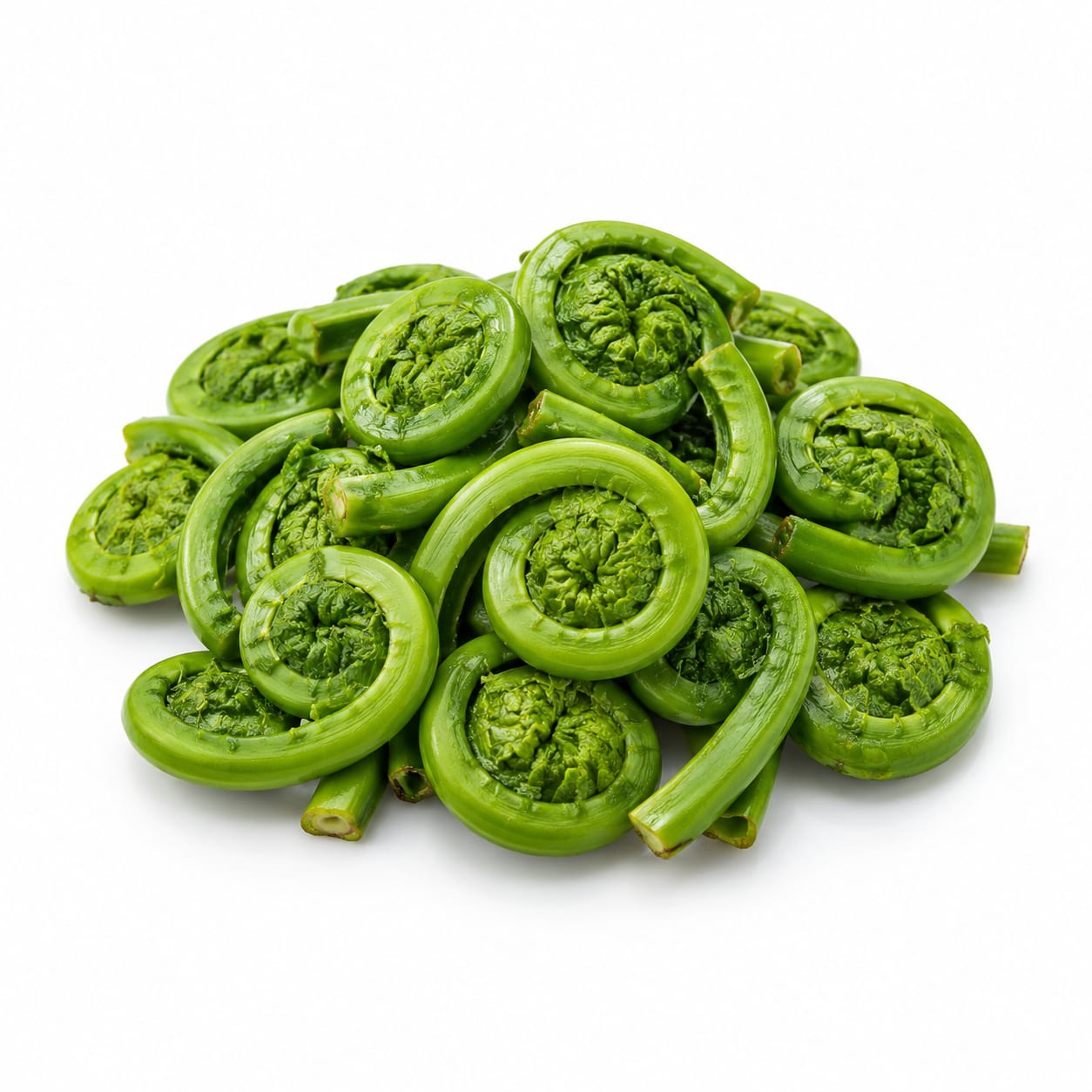
Fiddlehead Fern
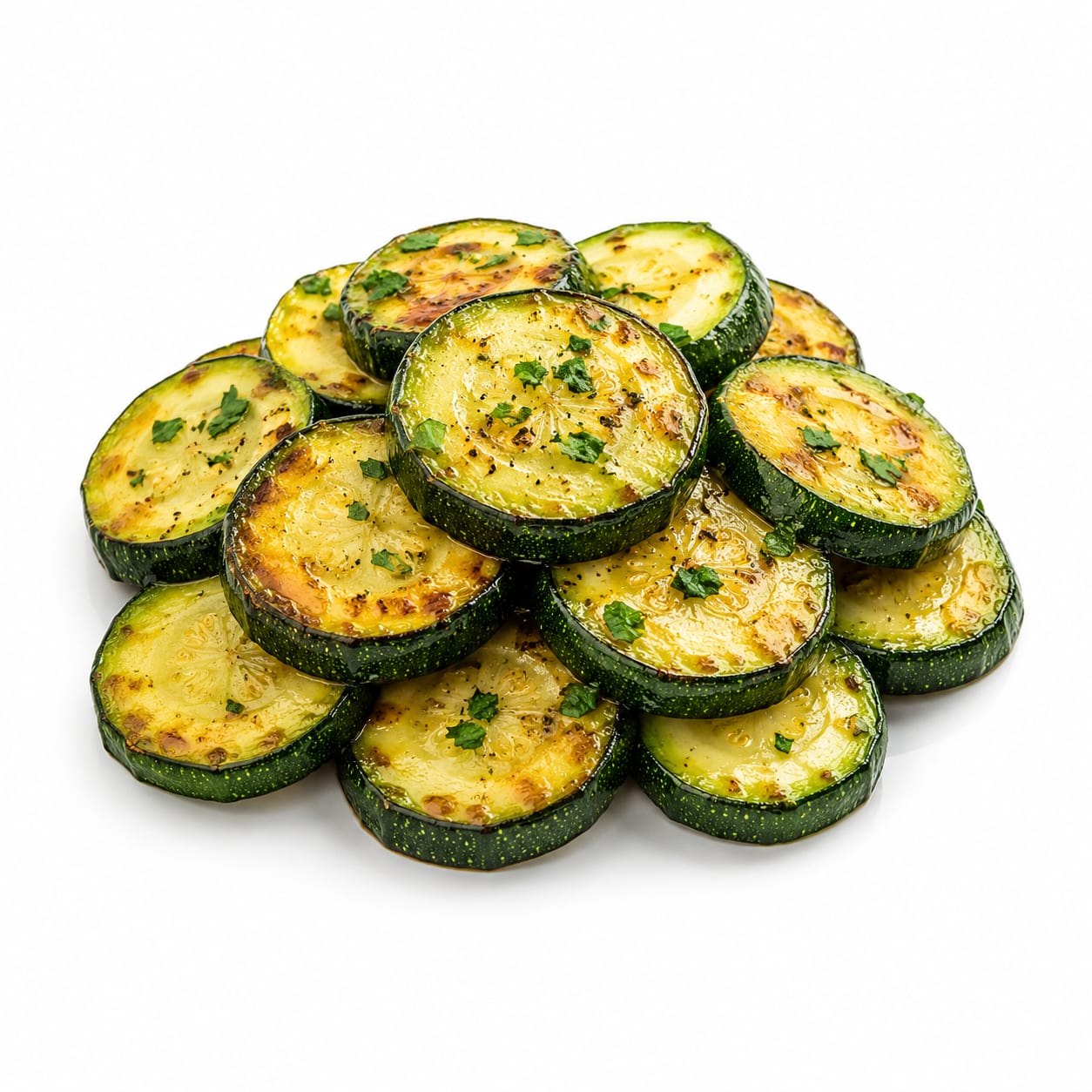
Zucchini
Fiddlehead ferns are a nutrient-dense seasonal treat with serious safety prep requirements; zucchini is a safe, versatile everyday staple with modest nutrition.
Zucchini scores higher due to safety, convenience, and daily usability. Fiddlehead ferns earn strong nutrition marks but lose significant ground on safety requirements and seasonal scarcity.
You trade safety and convenience for unique nutritional benefits when choosing fiddlehead ferns over zucchini.
At a glance
Executive summary
Overall
It depends
Healthier
It depends
More practical
Zucchini
Daily use
Zucchini
Key comparison lenses
safety and preparation requirements
Fiddlehead ferns contain toxins that must be neutralized through proper cooking, making safety the dominant concern in this comparison
everyday practicality and accessibility
Zucchini is available year-round and requires minimal prep, while fiddlehead ferns are a brief seasonal delicacy with strict handling requirements
nutritional density and unique compounds
Fiddlehead ferns offer rare omega-3 fatty acids and unique antioxidants that zucchini cannot match, but zucchini provides reliable everyday nutrition
culinary versatility
Zucchini adapts to dozens of cooking methods and cuisines; fiddlehead ferns have a narrow culinary window
Best choice for
Fiddlehead Fern
- Adventurous eaters seeking unique seasonal nutrients
- People wanting plant-based omega-3 sources
- Those looking for antioxidant variety beyond common vegetables
- Experienced cooks comfortable with strict food safety protocols
Zucchini
- Busy households needing reliable weeknight vegetables
- Anyone prioritizing food safety with minimal prep
- People managing digestive sensitivities
- Families with children who need easy-to-eat options
Least suitable for
Fiddlehead Fern
- Immunocompromised individuals due to toxin risks
- Inexperienced cooks who might undercook
- Anyone needing a quick side dish on a weeknight
- People who cannot source fresh seasonal produce
Zucchini
- Those seeking dense sources of omega-3 fatty acids
- People wanting a culinary novelty or seasonal experience
- Anyone looking for significant iron intake from vegetables
Deep comparison
Dimension by dimension
Each lens scores both foods and breaks down who each option suits.
- Dimension 1 · Priority 95Zucchini
food_safety_and_preparation
Fiddlehead Fern · 35Zucchini · 95Fiddlehead ferns carry natural toxins that cause foodborne illness if not boiled or steamed for at least 15 minutes. Zucchini is safe raw or lightly cooked.
Tradeoff
The unique nutrients in fiddlehead ferns come with a non-negotiable safety tax that zucchini completely avoids.
Why it matters
Undercooked fiddlehead ferns have caused outbreaks of nausea, vomiting, and diarrhea. This is not a vegetable you can casually steam for three minutes.
Real-world impact
If you rush dinner prep, zucchini forgives you. Fiddlehead ferns do not.
Fiddlehead Fern
- People who follow recipes carefully and plan ahead
Better for
- Distracted or impatient cooks
- Anyone serving immunocompromised guests
Worse for
Zucchini
- Anyone who occasionally multitasks while cooking
- Households with kids who snack on raw vegetables
- Meal preppers who reheat throughout the week
Better for
- Dimension 2 · Priority 80Fiddlehead Fern
nutritional_density
Fiddlehead Fern · 82Zucchini · 55Fiddlehead ferns deliver omega-3 fatty acids, significant iron, and unique antioxidants rarely found in common vegetables. Zucchini offers solid but unremarkable nutrition.
Tradeoff
Fiddlehead ferns are genuinely nutrient-dense, but you can only eat them briefly each year. Zucchini provides consistent, if modest, nutrition year-round.
Why it matters
Plant-based omega-3 sources are valuable, and fiddlehead ferns are one of the few vegetables that offer them meaningfully.
Real-world impact
A spring serving of fiddlehead ferns gives you a nutritional boost you cannot easily replicate with zucchini. But zucchini is there for you every other week of the year.
Fiddlehead Fern
- Vegetarians and vegans seeking omega-3 variety
- Anyone needing an iron boost from plant sources
- People interested in diverse antioxidant profiles
Better for
- Anyone who cannot access them fresh during their brief season
Worse for
Zucchini
- Those who get omega-3s from fish or supplements already
- People prioritizing consistent daily fiber intake
Better for
- People relying heavily on vegetables for iron intake
Worse for
- Dimension 3 · Priority 85Zucchini
everyday_convenience_and_accessibility
Fiddlehead Fern · 25Zucchini · 92Zucchini is available in every grocery store year-round and cooks in minutes. Fiddlehead ferns appear for roughly two to three weeks in spring and require specialty sourcing.
Tradeoff
Fiddlehead ferns are a fleeting seasonal experience; zucchini is a reliable kitchen workhorse.
Why it matters
Nutrition only matters if you can actually get the food and prepare it regularly.
Real-world impact
You can grab zucchini any Tuesday. Fiddlehead ferns require planning, luck, and possibly a farmers market visit.
Fiddlehead Fern
- People who enjoy seasonal eating and farmers market rituals
Better for
- Rural shoppers without farmers markets
- Anyone who cannot cook them within a day or two of purchase
Worse for
Zucchini
- Anyone doing regular grocery runs at standard stores
- People who meal plan around consistent availability
- Those living in areas without specialty produce access
Better for
- Dimension 4 · Priority 70Zucchini
culinary_versatility
Fiddlehead Fern · 40Zucchini · 90Zucchini works in stir-fries, baking, grilling, raw salads, pasta substitutes, and soups. Fiddlehead ferns have a narrow range of appropriate preparations, all involving careful cooking.
Tradeoff
Zucchini is a blank canvas; fiddlehead ferns are a specific ingredient that demands center stage in simple preparations.
Why it matters
Versatility determines how often a food actually makes it onto your plate.
Real-world impact
You can hide zucchini in muffins, spiralize it, or grill it alongside anything. Fiddlehead ferns are essentially a side dish that needs to be the star.
Fiddlehead Fern
- Cooks who enjoy showcasing a single seasonal ingredient
Better for
- Anyone wanting a vegetable that works in multiple cuisines
Worse for
Zucchini
- Anyone who batch cooks or meal preps
- People who like one ingredient to serve multiple roles
- Bakers looking for vegetable moisture in recipes
Better for
- Dimension 5 · Priority 72Zucchini
digestive_tolerance
Fiddlehead Fern · 45Zucchini · 85Zucchini is gentle on digestion and well-tolerated by most people. Fiddlehead ferns can cause GI distress even when properly cooked if eaten in large quantities.
Tradeoff
Fiddlehead ferns carry residual digestive risk even with correct preparation; zucchini is one of the most stomach-friendly vegetables.
Why it matters
If a food causes discomfort, its nutritional benefits become irrelevant for regular consumption.
Real-world impact
Zucchini is a safe bet for sensitive stomachs. Fiddlehead ferns are a moderate gamble even when you do everything right.
Fiddlehead Fern
- People with robust digestion who eat small portions
Better for
- Anyone prone to digestive upset
- People trying a new vegetable for the first time in a high-stakes setting
Worse for
Zucchini
- Anyone with IBS or sensitive digestion
- People recovering from GI illness
- Older adults with more delicate stomachs
Better for
- Dimension 6 · Priority 68Fiddlehead Fern
antioxidant_and_phytonutrient_diversity
Fiddlehead Fern · 80Zucchini · 50Fiddlehead ferns contain unique phenolic compounds and antioxidants not commonly found in cultivated vegetables. Zucchini offers standard carotenoids and vitamin C but nothing exceptional.
Tradeoff
Fiddlehead ferns provide phytonutrient diversity that supports long-term health in ways common vegetables cannot replicate. But you only get this advantage briefly each year.
Why it matters
Diverse antioxidant intake is linked to better aging and reduced chronic disease risk.
Real-world impact
Eating fiddlehead ferns in spring is like cross-training for your antioxidant system. Zucchini is your reliable daily jog.
Fiddlehead Fern
- People who eat a wide variety of vegetables seasonally
- Anyone interested in maximizing phytonutrient diversity
Better for
- Anyone who cannot eat them more than once per year
Worse for
Zucchini
- Those who get antioxidant variety from other sources like berries and herbs
Better for
- People with very limited vegetable variety in their diet
Worse for
Timeline
Health impact over time
Short-term
Hours to days
Fiddlehead Fern
- Potential nausea, vomiting, or diarrhea if undercooked
- Mild GI discomfort even with proper cooking in sensitive individuals
- Satisfying nutrient-dense eating experience when prepared correctly
Zucchini
- Comforting and easy on the stomach
- Light hydration boost from high water content
- Quick energy without digestive burden
Long-term
Months to years
Fiddlehead Fern
- Unique antioxidant intake may support cellular health when consumed seasonally
- Plant-based omega-3 contribution supports anti-inflammatory patterns
- Risk is negligible long-term if always properly cooked
Zucchini
- Consistent fiber intake supports gut health and regularity
- Low calorie density aids sustainable weight management
- Reliable potassium source for blood pressure maintenance
Risk profile
Safety & processing
Both foods are whole, unprocessed vegetables. Fiddlehead ferns are wild-foraged in most cases, adding a layer of natural authenticity but also variable quality control. Zucchini is cultivated and widely standardized.
Fiddlehead Fern
Natural toxin exposure from undercooking
highFiddlehead ferns contain an unidentified heat-labile toxin that causes acute GI illness. Must be boiled or steamed for at least 15 minutes. Never eat raw.
Bacterial contamination from wild foraging
mediumWild-harvested fiddlehead ferns may carry soil bacteria or parasites. Thorough washing and cooking mitigates this.
Misidentification of fern species
mediumNot all fern species are edible. Some look similar to ostrich ferns but may be toxic. Purchase from reputable sources rather than foraging yourself unless experienced.
Zucchini
Pesticide residue on conventionally grown zucchini
lowZucchini typically has moderate pesticide residue. Washing thoroughly or choosing organic reduces exposure.
Bitter compound accumulation in rare cases
lowOccasionally zucchini can develop cucurbitacins causing extreme bitterness and GI distress. If it tastes unusually bitter, discard it immediately.
Who wins for whom
Audience fit
Same foods, different winners depending on your goal.
children
ZucchiniZucchini is mild, safe, and easy to prepare for kids. Fiddlehead ferns require strict cooking protocols and carry GI risk that is not worth exposing children to.
daily consumption
ZucchiniZucchini can be eaten every day without concern. Fiddlehead ferns are a seasonal treat best enjoyed occasionally during their brief window.
diabetes
ZucchiniZucchini has near-zero impact on blood sugar and can be eaten freely. Fiddlehead ferns are also low-glycemic but carry unnecessary risk for someone managing a chronic condition.
elderly
ZucchiniOlder adults often have more sensitive digestion and weaker immune systems. Zucchini is gentle and safe; fiddlehead ferns carry avoidable risk.
muscle gain
It dependsNeither food is a meaningful protein source. Fiddlehead ferns offer slightly more iron, which supports oxygen transport during training, but the difference is marginal.
weight loss
ZucchiniZucchini's ultra-low calorie density and high water content make it a volume-eating champion you can use daily. Fiddlehead ferns are similarly low-calorie but cannot be relied on consistently.
Your move
Decision guide
Choose Fiddlehead Fern
- You are an experienced cook who follows preparation instructions carefully
- You want to diversify your antioxidant intake with a unique seasonal vegetable
- You have access to fresh fiddlehead ferns from a trusted source in spring
- You are curious about wild foods and enjoy seasonal eating rituals
Choose Zucchini
- You want a reliable vegetable you can cook any night without worry
- You are feeding children, elderly family members, or immunocompromised people
- You value convenience and versatility over novelty
- You need a vegetable that works across multiple cuisines and cooking methods
Either works if
- You want a low-calorie vegetable side dish
- You are looking to increase your vegetable variety in general
- You enjoy both sautéed greens and squash preparations
Avoid both if
- You are looking for a significant protein source
- You need a calorie-dense food for weight gain
- You have a specific allergy to either plant family
Final recommendation
Keep zucchini as your everyday vegetable and treat fiddlehead ferns as a springtime adventure. If you try fiddlehead ferns, boil or steam them for at least 15 minutes, never eat them raw, and buy from reputable vendors. The nutritional uniqueness is real and worth experiencing, but it does not replace the daily reliability of zucchini.
Practical
Consumer tips
- 1
Never eat fiddlehead ferns raw or lightly sautéed. The 15-minute cooking rule is non-negotiable.
- 2
Discard any fiddlehead ferns that look brown, mushy, or have uncoiled significantly. Freshness matters more than with most vegetables.
- 3
If you forage fiddlehead ferns yourself, be absolutely certain of the species. When in doubt, buy from an expert.
- 4
Zucchini can be spiralized, grated into baked goods, or grilled with just olive oil and salt. Its versatility is its superpower.
- 5
If a zucchini tastes unusually bitter, spit it out and throw it away. Bitterness indicates dangerous cucurbitacin levels.
- 6
Fiddlehead ferns pair well with garlic, lemon, and butter after their initial blanching. Keep preparations simple to let their unique flavor shine.
- 7
Freeze extra fiddlehead ferns by blanching first, then storing in airtight bags. This extends your access beyond the brief fresh season.