
Nutrition comparison
Fiddlehead Fern vs Kale: Safety, Nutrition, and Daily Use Compared
Discover the nutritional tradeoffs between Fiddlehead Fern and Kale. Learn which green is safer, which offers unique omega-3s, and why preparation matters.
Overall winner · Kale
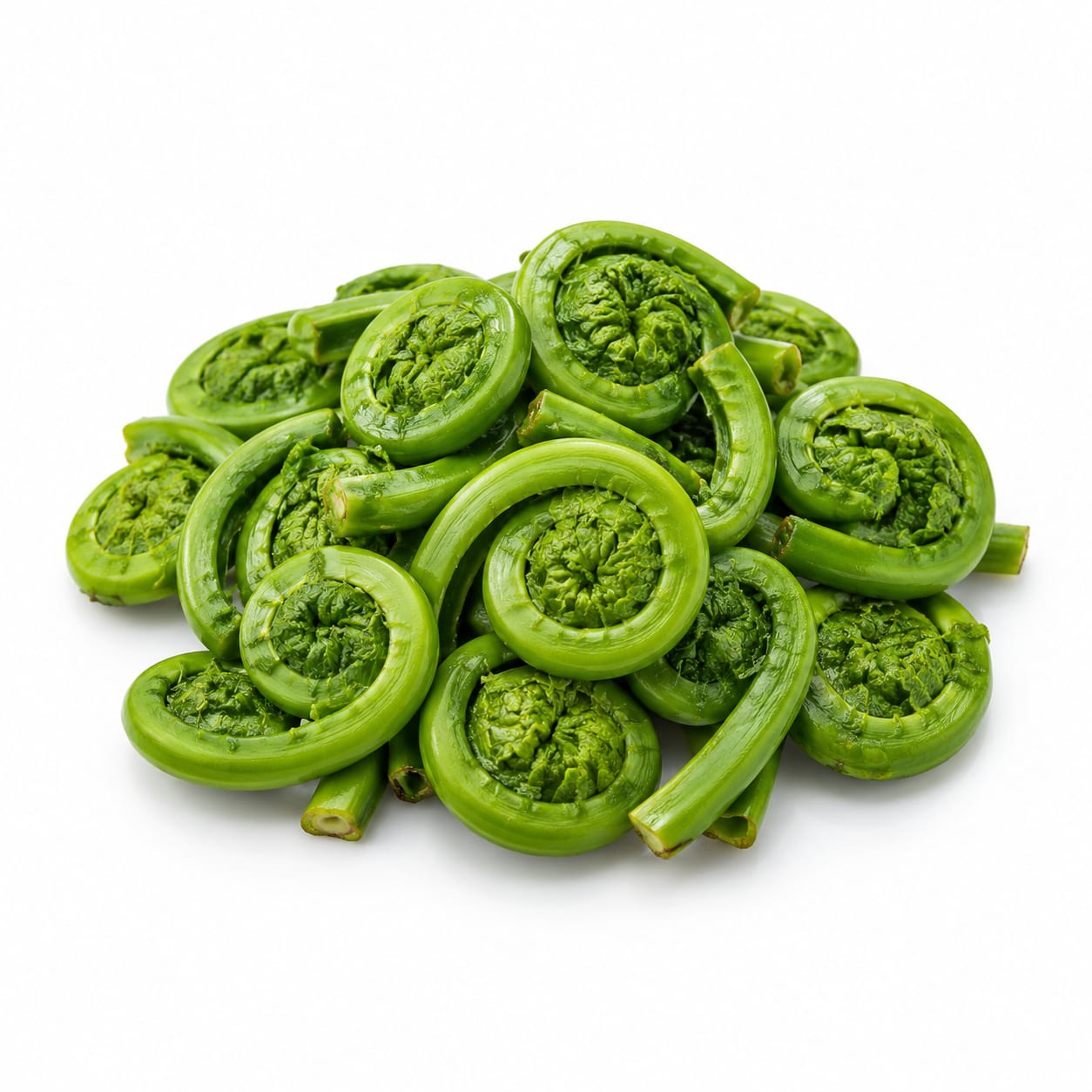
Fiddlehead Fern
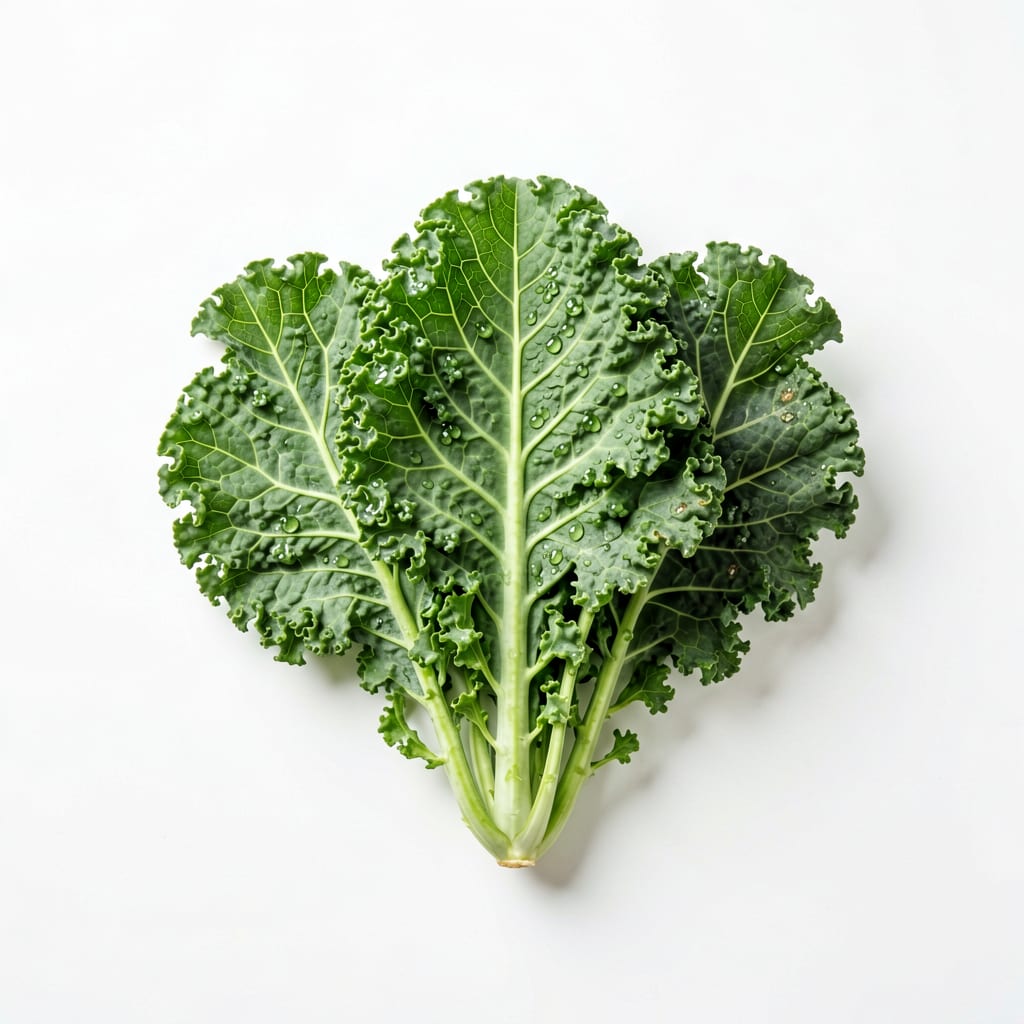
Kale
Kale is the reliable, everyday supergreen, while Fiddlehead Fern is a nutritious but high-maintenance seasonal treat with strict safety rules.
Kale scores significantly higher due to its year-round availability, versatility, and forgiving safety profile. Fiddlehead Ferns are nutritionally excellent but lose substantial points because their natural toxicity demands rigorous preparation, and their extreme seasonality limits regular use.
You trade the convenience and safety of Kale for the unique omega-3s and culinary novelty of Fiddlehead Ferns, which require careful cooking to avoid food poisoning.
At a glance
Executive summary
Overall
Kale
Healthier
Kale
More practical
Kale
Daily use
Kale
Key comparison lenses
food safety and preparation requirements
Fiddlehead Ferns contain natural toxins that can cause severe illness if not cooked properly, making safety the most critical differentiator
everyday practicality and availability
Kale is a year-round staple found in any grocery store, while Fiddlehead Ferns are a highly seasonal delicacy with a tiny window of availability
nutrient density and unique antioxidants
Both are nutritional powerhouses, but they shine in different areas, with Fiddlehead Ferns offering surprising omega-3s and Kale providing massive Vitamin K
Best choice for
Fiddlehead Fern
- Adventurous eaters seeking a seasonal spring delicacy
- Those looking to boost omega-3 intake from a land vegetable
- Home cooks willing to follow strict boiling and sautéing protocols
Kale
- People wanting a reliable, daily nutrient-dense green
- Anyone meal-prepping for the week
- Those who prefer low-food-safety-risk vegetables
Least suitable for
Fiddlehead Fern
- Anyone tempted to eat raw or lightly steamed greens
- People with compromised immune systems who should avoid natural toxins
- Busy home cooks needing quick weeknight sides
Kale
- People on blood thinners who need stable Vitamin K intake
- Those with severe thyroid issues who consume large amounts of raw cruciferous vegetables
- Individuals prone to kidney stones from oxalates
Deep comparison
Dimension by dimension
Each lens scores both foods and breaks down who each option suits.
- Dimension 1 · Priority 98Kale
Food Safety & Toxin Risk
Fiddlehead Fern · 30Kale · 90Fiddlehead Ferns carry a real risk of foodborne illness if undercooked, while Kale is among the safest greens to consume.
Tradeoff
Eating Fiddlehead Ferns requires a mandatory boiling step to destroy toxins, whereas Kale can be safely eaten raw or lightly massaged.
Why it matters
Consuming raw or undercooked Fiddlehead Ferns can cause severe nausea, vomiting, and diarrhea within hours. No such risk exists for Kale.
Real-world impact
You can toss Kale into a quick smoothie, but Fiddlehead Ferns demand at least 15 minutes of boiling before sautéing, or you risk spending the night in the bathroom.
Fiddlehead Fern
- Experienced foragers who understand exact preparation protocols
Better for
- Impatient cooks
- Raw food diet followers
Worse for
Kale
- Families cooking for children
- Anyone meal-prepping raw salads
Better for
- No significant safety drawbacks
Worse for
- Dimension 2 · Priority 92Kale
Everyday Practicality & Availability
Fiddlehead Fern · 20Kale · 95Kale is available globally year-round, while Fiddlehead Ferns are a fleeting spring luxury.
Tradeoff
You can build a consistent dietary habit around Kale, but Fiddlehead Ferns are more of an annual culinary event than a staple.
Why it matters
Nutrition is about what you can eat consistently. A green you can only buy for three weeks a year cannot be your dietary foundation.
Real-world impact
You can grab Kale at any supermarket on any Tuesday. Finding fresh Fiddlehead Ferns requires specialty markets or foraging during a narrow spring window.
Fiddlehead Fern
- Creating special-occasion spring meals
Better for
- Last-minute dinner planning
- Budget-conscious shoppers
Worse for
Kale
- Weekly grocery runs
- Consistent daily nutrition habits
Better for
- Those bored with everyday greens seeking novelty
Worse for
- Dimension 3 · Priority 85It depends
Nutrient Uniqueness & Density
Fiddlehead Fern · 88Kale · 90Kale dominates in Vitamins K and A, but Fiddlehead Ferns surprisingly offer omega-3 fatty acids and more iron.
Tradeoff
Kale is better for bone health and inflammation, while Fiddlehead Ferns are a rare plant source of omega-3s and a stronger iron boost.
Why it matters
Getting omega-3s from a green vegetable is highly unusual and valuable for those avoiding fish or supplements.
Real-world impact
Eating Kale supports bone density and eye health effortlessly. Eating Fiddlehead Ferns gives you a subtle brain-health and anti-inflammatory boost from the omega-3s.
Fiddlehead Fern
- Vegetarians needing more omega-3s
- Those requiring an iron boost
Better for
- Those who need a reliable, charted nutritional profile year-round
Worse for
Kale
- Anyone needing a massive Vitamin K hit for bone health
- People focusing on vision-supporting Vitamin A
Better for
- Those strictly avoiding high Vitamin K due to blood thinners
Worse for
Timeline
Health impact over time
Short-term
Hours to days
Fiddlehead Fern
- Risk of severe gastrointestinal distress if not boiled thoroughly
- Provides a satisfying, earthy seasonal addition to the diet when prepared correctly
Kale
- Can cause bloating or gas if eaten raw in large quantities
- Offers immediate satiety and steady energy without blood sugar spikes
Long-term
Months to years
Fiddlehead Fern
- Occasional consumption provides unique antioxidants and omega-3s supporting heart health
- Cannot serve as a primary long-term health staple due to availability constraints
Kale
- Consistent intake strongly supports bone density, eye health, and reduced inflammation
- Excessive daily raw consumption may impact thyroid function in susceptible individuals
Risk profile
Safety & processing
Both are whole, natural vegetables. However, Fiddlehead Ferns are often wild-foraged, making them as natural as it gets, while Kale is typically farm-cultivated.
Fiddlehead Fern
Natural toxin exposure
highRaw Fiddlehead Ferns contain an unidentified toxin that causes severe vomiting and diarrhea. They must be boiled for at least 15 minutes before sautéing or consuming.
Foraging misidentification
highSome wild ferns resemble Fiddlehead Ferns but are toxic. Purchasing from reputable suppliers mitigates this risk.
Kale
Pesticide residue
mediumKale frequently appears on the EWG's Dirty Dozen list due to pesticide residues. Washing thoroughly or buying organic is advisable.
Goitrogen exposure
lowRaw Kale contains goitrogens that can interfere with thyroid function, but this is mainly a concern if consumed in massive daily quantities by susceptible individuals.
Who wins for whom
Audience fit
Same foods, different winners depending on your goal.
children
KaleKale is far safer for kids. The strict cooking requirement and high toxin risk of Fiddlehead Ferns make them unsuitable for young, vulnerable digestive systems.
daily consumption
KaleKale is available 365 days a year and requires no toxin-removal steps, making it the clear daily staple.
diabetes
KaleKale is a reliable, very low-glycemic green you can eat consistently to help stabilize blood sugar, unlike the seasonal Fiddlehead Fern.
elderly
KaleKale's high Vitamin K supports bone density, and its mild preparation is safer. Fiddlehead Ferns pose an unnecessary food safety risk for older immune systems.
muscle gain
It dependsNeither is a primary muscle-building food, but Fiddlehead Ferns offer slightly more iron for oxygen transport, while Kale offers easy daily nutrient support.
weight loss
KaleKale provides high volume and fiber for very few calories, and you can eat it daily without safety concerns or complex prep.
Your move
Decision guide
Choose Fiddlehead Fern
- You are an experienced cook who will strictly boil them before eating
- You find them at a trusted farmers market during spring and want a culinary treat
- You want a unique plant-based source of omega-3 fatty acids
Choose Kale
- You want a reliable, nutrient-dense green for your weekly meal prep
- You eat greens raw in salads or smoothies
- You need a safe, consistent vegetable for the whole family
Either works if
- You want a nutrient-dense side dish to replace mundane vegetables
- You are looking to increase your daily fiber and antioxidant intake
Avoid both if
- You are on strict blood thinners and must keep Vitamin K intake completely stable
- You have severe digestive issues that make high-fiber greens uncomfortable
Final recommendation
Keep Kale as your daily nutritional workhorse. It is safe, versatile, and always available. Treat Fiddlehead Ferns as a springtime luxury: enjoy them occasionally for their unique flavor and omega-3s, but never skip the mandatory boiling step.
Practical
Consumer tips
- 1
Never eat Fiddlehead Ferns raw; always boil them for 15 minutes, then sauté or serve
- 2
Wash Fiddlehead Ferns thoroughly, removing all the brown papery scales before cooking
- 3
Buy organic Kale when possible to avoid high pesticide residues, or wash conventional Kale extremely well
- 4
Massage raw Kale with olive oil to break down the leaves, making it easier to digest and sweeter to eat