
Nutrition comparison
Fiddlehead Fern vs Spinach: Safety, Nutrition, and Which Green to Eat Daily
Compare fiddlehead fern and spinach on nutrition, safety, and everyday usability. Learn why spinach wins for daily eating and how to safely enjoy fiddlehead ferns as a seasonal treat.
Overall winner · Spinach
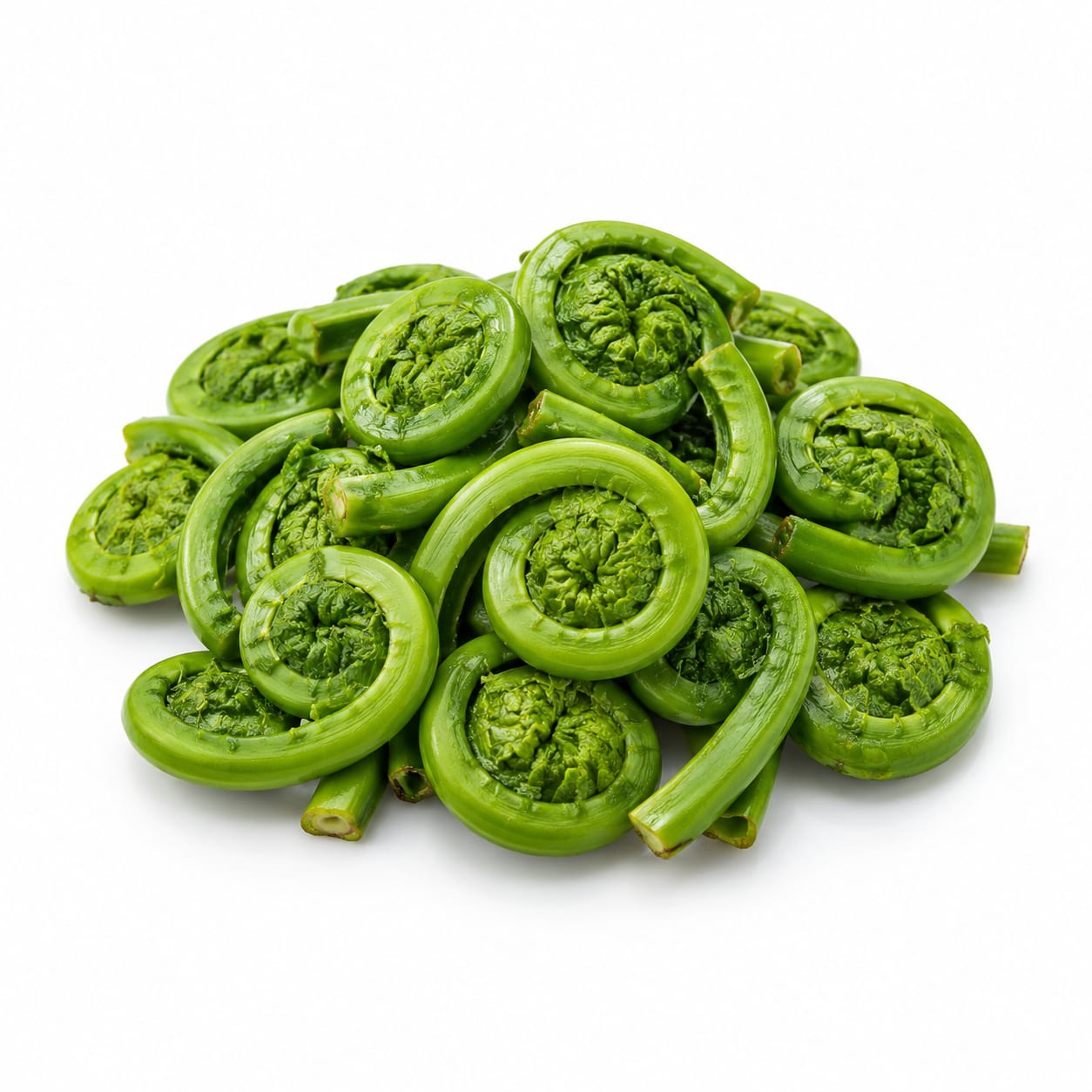
Fiddlehead Fern
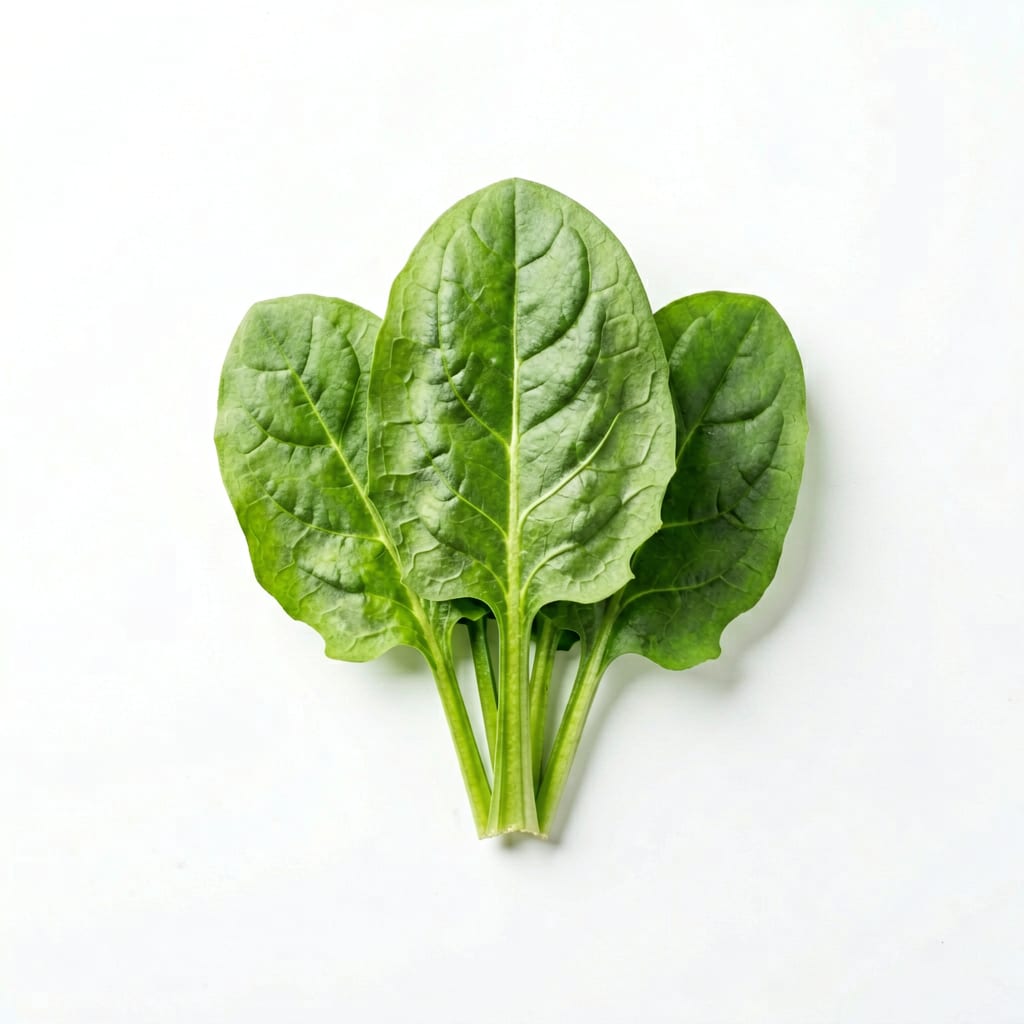
Spinach
Spinach is the safer, more practical daily green. Fiddlehead ferns are a rewarding seasonal treat but demand careful preparation and carry real toxicity risks if mishandled.
Spinach scores significantly higher due to its year-round availability, straightforward preparation, and well-documented nutritional benefits. Fiddlehead ferns lose substantial points on safety risk, seasonal scarcity, and preparation complexity, despite being a nutrient-rich and culturally interesting food when handled correctly.
Unique seasonal flavor and novelty versus year-round reliability and foolproof safety
At a glance
Executive summary
Overall
Spinach
Healthier
Spinach
More practical
Spinach
Daily use
Spinach
Key comparison lenses
safety and preparation requirements
Fiddlehead ferns contain toxins that must be neutralized through specific cooking methods, making safety the single most critical differentiator
everyday practicality and accessibility
Spinach is available year-round in any grocery store; fiddlehead ferns are a seasonal delicacy found only in spring and specialty markets
nutrient density for daily greens intake
Users comparing these two are likely deciding between a staple green and a specialty green for regular nutrition
culinary experience vs reliability
Fiddlehead ferns offer a unique eating experience while spinach offers dependable versatility
mineral bioavailability concerns
Both foods have absorption complications: spinach through oxalates and fiddlehead ferns through lower overall mineral content
Best choice for
Fiddlehead Fern
- Adventurous eaters seeking seasonal variety
- Spring foraging enthusiasts who value connection to local food traditions
- Experienced home cooks comfortable with specific preparation techniques
- Anyone wanting a conversation-starting side dish at dinner parties
Spinach
- Daily green smoothie drinkers
- Families needing a reliable, kid-friendly vegetable
- Meal preppers who want affordable greens all week
- Anyone prioritizing iron, folate, and vitamin K intake consistently
Least suitable for
Fiddlehead Fern
- Inexperienced cooks who might skip proper boiling steps
- Children and pregnant women due to toxin risks if undercooked
- Anyone needing dependable daily greens intake
- People outside regions where fiddlehead ferns grow or are sold
Spinach
- People with severe oxalate sensitivity or kidney stone history
- Those on blood thinners who must monitor vitamin K intake closely
- Anyone who strongly dislikes earthy or bitter green flavors
Deep comparison
Dimension by dimension
Each lens scores both foods and breaks down who each option suits.
- Dimension 1 · Priority 95Spinach
Safety and Toxicity Risk
Fiddlehead Fern · 40Spinach · 85Fiddlehead ferns contain unidentified toxins that can cause serious foodborne illness if not properly cooked. Spinach carries minimal inherent toxicity risk.
Tradeoff
Fiddlehead ferns reward careful cooks with a unique flavor but punish shortcuts with nausea, vomiting, and potential hospitalization. Spinach is forgiving even if slightly undercooked.
Why it matters
A single mistake preparing fiddlehead ferns can ruin your meal and your evening. This is not a food you can casually toss into a salad.
Real-world impact
If you serve undercooked fiddlehead ferns to guests, you could make them genuinely ill. Spinach can be eaten raw in salads with essentially zero risk.
Fiddlehead Fern
- Experienced cooks who follow recipes precisely
Better for
- Quick stir-fries where thorough pre-cooking is skipped
- Raw or lightly steamed preparations
- Serving to anyone with a sensitive stomach
Worse for
Spinach
- Busy weeknight cooking where you need things to be simple
- Households with children who might not cook greens thoroughly
- Raw applications like salads and smoothies
Better for
- People with kidney stone concerns from oxalates
Worse for
- Dimension 2 · Priority 85Spinach
Nutrient Density and Vitamin Profile
Fiddlehead Fern · 68Spinach · 88Spinach delivers more folate, vitamin K, iron, and vitamin A per serving. Fiddlehead ferns offer solid nutrition but with a less impressive vitamin profile overall.
Tradeoff
Spinach gives you more of the vitamins most people are actually trying to get from leafy greens. Fiddlehead ferns provide decent nutrition but cannot match spinach on the headline nutrients.
Why it matters
If you are eating greens primarily for health benefits, spinach gives you more of what you are looking for in every serving.
Real-world impact
A cup of cooked spinach covers over 100% of your daily vitamin K needs. Fiddlehead ferns cover a smaller fraction of most vitamin targets.
Fiddlehead Fern
- Dietary variety to complement other greens
- Moderate omega-3 alpha-linolenic acid intake
Better for
- Serving as your primary daily vitamin source
Worse for
Spinach
- Boosting folate intake for pregnancy or heart health
- Maximizing iron from plant sources
- Supporting bone health through vitamin K
Better for
- People who need low-oxalate diets
Worse for
- Dimension 3 · Priority 90Spinach
Availability and Practicality
Fiddlehead Fern · 25Spinach · 95Spinach is available in every grocery store year-round. Fiddlehead ferns appear for roughly two to three weeks in spring and require specialty sourcing.
Tradeoff
You can build reliable meal plans around spinach. Fiddlehead ferns are a fleeting ingredient that requires planning, luck, and often premium pricing.
Why it matters
Nutrition only works if you can actually get the food regularly. The best green in the world is useless if you cannot find it.
Real-world impact
Most people will never see fresh fiddlehead ferns in their local store. Spinach is always there, always affordable, and always ready.
Fiddlehead Fern
- Spring farmers market visits as a culinary event
- Building seasonal eating traditions
Better for
- Anyone living outside fiddlehead growing regions
- Winter meal planning
- Spontaneous cooking decisions
Worse for
Spinach
- Weekly grocery runs on a budget
- Consistent meal prep routines
- Last-minute recipe needs
Better for
- Moments when you want something truly special and rare
Worse for
- Dimension 4 · Priority 70It depends
Culinary Experience and Versatility
Fiddlehead Fern · 72Spinach · 80Fiddlehead ferns offer a grassy, asparagus-like flavor and satisfying texture that feels special. Spinach is more versatile across cooking methods and cuisines but less exciting.
Tradeoff
Fiddlehead ferns deliver a memorable eating experience in limited dishes. Spinach quietly works in almost everything from smoothies to curries to pasta.
Why it matters
Food should be enjoyable, not just functional. But enjoyment also depends on how often you can actually use the ingredient.
Real-world impact
Fiddlehead ferns make a stunning side dish for a spring dinner. Spinach makes a reliable addition to breakfast, lunch, and dinner any day of the year.
Fiddlehead Fern
- Showcase side dishes where the ingredient is the star
- Spring seasonal menus that celebrate freshness
- Dishes where visual presentation matters
Better for
- Blended applications where texture is lost
- Any dish requiring raw greens
Worse for
Spinach
- Green smoothies and blended drinks
- Soups, stews, and curries from any cuisine
- Egg dishes like quiche and frittata
- Raw salads and sandwich layers
Better for
- Plates where you want guests to ask what they are eating
Worse for
- Dimension 5 · Priority 65It depends
Digestive Tolerance and Oxalate Load
Fiddlehead Fern · 70Spinach · 55Fiddlehead ferns are lower in oxalates than spinach, making them potentially easier on the kidneys for sensitive individuals. However, their toxin risk creates a different digestive threat.
Tradeoff
Spinach is gentle on digestion for most people but problematic for those with oxalate concerns. Fiddlehead ferns avoid the oxalate issue but introduce a toxin risk that causes severe digestive distress if mishandled.
Why it matters
Kidney stone sufferers need to think about oxalates. But toxin-related illness is a more acute and severe digestive problem than oxalate accumulation.
Real-world impact
If you have had kidney stones, spinach is a known trigger food. Fiddlehead ferns will not cause oxalate problems, but one bad preparation could cause immediate vomiting and diarrhea.
Fiddlehead Fern
- People managing oxalate-restricted diets
- Those who tolerate greens well when properly cooked
Better for
- Anyone who might cut corners on cooking time
Worse for
Spinach
- Anyone without oxalate sensitivity
- People who want gentle, predictable digestion
Better for
- Kidney stone formers
- People with severe oxalate sensitivity
Worse for
Timeline
Health impact over time
Short-term
Hours to days
Fiddlehead Fern
- Potential nausea, vomiting, and diarrhea if undercooked due to natural toxins
- Mild satisfaction from eating a seasonal, nutrient-rich green when properly prepared
- Possible stomach discomfort even with correct cooking in sensitive individuals
Spinach
- Quick boost in folate and iron intake from a single serving
- Very low risk of any adverse short-term reaction for most people
- Mild bloating in those sensitive to raw leafy greens
Long-term
Months to years
Fiddlehead Fern
- Limited long-term health impact due to rare and seasonal consumption patterns
- Contributes to dietary diversity which supports gut microbiome health
- No meaningful cumulative risk when properly cooked each time
Spinach
- Consistent intake supports cardiovascular health, bone density, and eye health
- Regular oxalate consumption may contribute to kidney stone formation in susceptible people
- Steady folate and iron intake benefits blood health and energy levels over time
Risk profile
Safety & processing
Both foods are whole, unprocessed greens in their natural state. Fiddlehead ferns are often foraged wild, making them arguably the most natural option, though this also means less quality control. Spinach from grocery stores is farmed but still a single-ingredient whole food.
Fiddlehead Fern
Natural toxin poisoning from undercooking
highFiddlehead ferns contain unidentified heat-labile toxins that cause gastrointestinal illness. They must be boiled for at least 15 minutes or steamed for 10-12 minutes before any other preparation. Skipping this step or sautéing alone is insufficient.
Environmental contamination from foraging
mediumWild-foraged fiddlehead ferns may absorb heavy metals or pollutants from soil and water near their growing site. Sourcing from clean areas is essential.
Misidentification with toxic fern species
mediumNot all fern fiddleheads are edible. Some species resemble the ostrich fern fiddleheads but are toxic. Only experienced foragers or trusted suppliers should provide them.
Spinach
Oxalate-related kidney stone formation
mediumSpinach is high in oxalates which bind to calcium and can contribute to kidney stones in susceptible individuals. Boiling spinach reduces oxalate content significantly.
Pesticide residue on conventional spinach
mediumSpinach frequently appears on the Environmental Working Group's Dirty Dozen list due to pesticide residues. Washing helps but does not eliminate all residues. Organic spinach reduces this concern.
Vitamin K interference with blood thinners
lowHigh vitamin K content can interfere with warfarin and other anticoagulant medications. Consistent intake rather than sudden changes is the standard advice for those on blood thinners.
Who wins for whom
Audience fit
Same foods, different winners depending on your goal.
children
SpinachSpinach is safer, milder in flavor, and can be hidden in smoothies or pasta sauces. Fiddlehead ferns carry a toxin risk that makes them inappropriate for children who may not eat thoroughly cooked greens.
daily consumption
SpinachSpinach is available every day, affordable, easy to prepare, and safe across all cooking methods. Fiddlehead ferns are a seasonal event, not a daily habit.
diabetes
SpinachSpinach has an essentially zero glycemic impact and can be eaten in large volumes without affecting blood sugar. Fiddlehead ferns are similarly low-glycemic but their rare availability makes them irrelevant for daily blood sugar management.
elderly
SpinachOlder adults benefit most from consistent nutrient intake, and spinach provides reliable folate, iron, and vitamin K. The safety margin with spinach is also much wider, which matters for aging immune systems.
muscle gain
SpinachNeither green is a significant protein source, but spinach provides more iron which supports oxygen delivery to working muscles. Its daily availability also makes it a more reliable training companion.
weight loss
SpinachSpinach is extremely low in calories, highly filling due to volume, and easy to add to any meal. Fiddlehead ferns are also low-calorie but the preparation requirements and rarity make them impractical as a weight loss staple.
Your move
Decision guide
Choose Fiddlehead Fern
- You are an experienced cook who wants to celebrate spring with a unique ingredient
- You have access to a trusted forager or specialty market with fresh fiddlehead ferns
- You are comfortable boiling them thoroughly before any sautéing or roasting
- You want to add variety to a greens rotation that already includes spinach regularly
Choose Spinach
- You need a reliable green you can eat every day without thinking
- You want maximum nutritional return per dollar and per minute of prep time
- You are feeding a family and need something safe and versatile
- You use greens in smoothies, salads, or quick weeknight cooking
Either works if
- You want to eat more greens in general and enjoy both cooked vegetable preparations
- You are not in a high-risk group for either oxalate issues or toxin sensitivity
- You value dietary diversity and can rotate between seasonal and staple greens
Avoid both if
- You are on a strict low-oxalate diet and cannot tolerate spinach even when boiled
- You are unwilling to properly boil fiddlehead ferns before eating
- You have no access to fresh greens and are considering canned versions of either
Final recommendation
Make spinach your everyday green. It is the responsible, practical, and nutritionally sound choice for regular consumption. When spring arrives and you find fresh fiddlehead ferns from a trusted source, enjoy them as a special occasion dish, boiled thoroughly first, then finished with butter and lemon. Think of fiddlehead ferns as a culinary adventure, not a dietary staple.
Practical
Consumer tips
- 1
Always boil fiddlehead ferns for at least 15 minutes before any other cooking method. Discard the boiling water. Never eat them raw or lightly sautéed.
- 2
Boiling spinach for one minute and draining the water removes roughly 40-50% of oxalates while preserving most nutrients. This is the best method if you are oxalate-sensitive.
- 3
Buy organic spinach when possible. Conventional spinach consistently ranks among the most pesticide-contaminated vegetables.
- 4
Freeze fresh spinach in bags for smoothies. It lasts months and blends better than fresh leaves.
- 5
If foraging fiddlehead ferns yourself, only harvest ostrich fern fiddleheads. Learn from an experienced forager before attempting this on your own.
- 6
Pair spinach with vitamin C sources like lemon juice or bell peppers to significantly boost iron absorption from the non-heme iron in the greens.