
Nutrition comparison
Fiddlehead Fern vs Okra: Safety, Nutrition, and Which One to Eat Daily
Compare Fiddlehead Fern and Okra on safety, fiber, omega-3s, blood sugar benefits, and everyday practicality. Find out which green vegetable belongs on your regular plate.
Overall winner · Okra
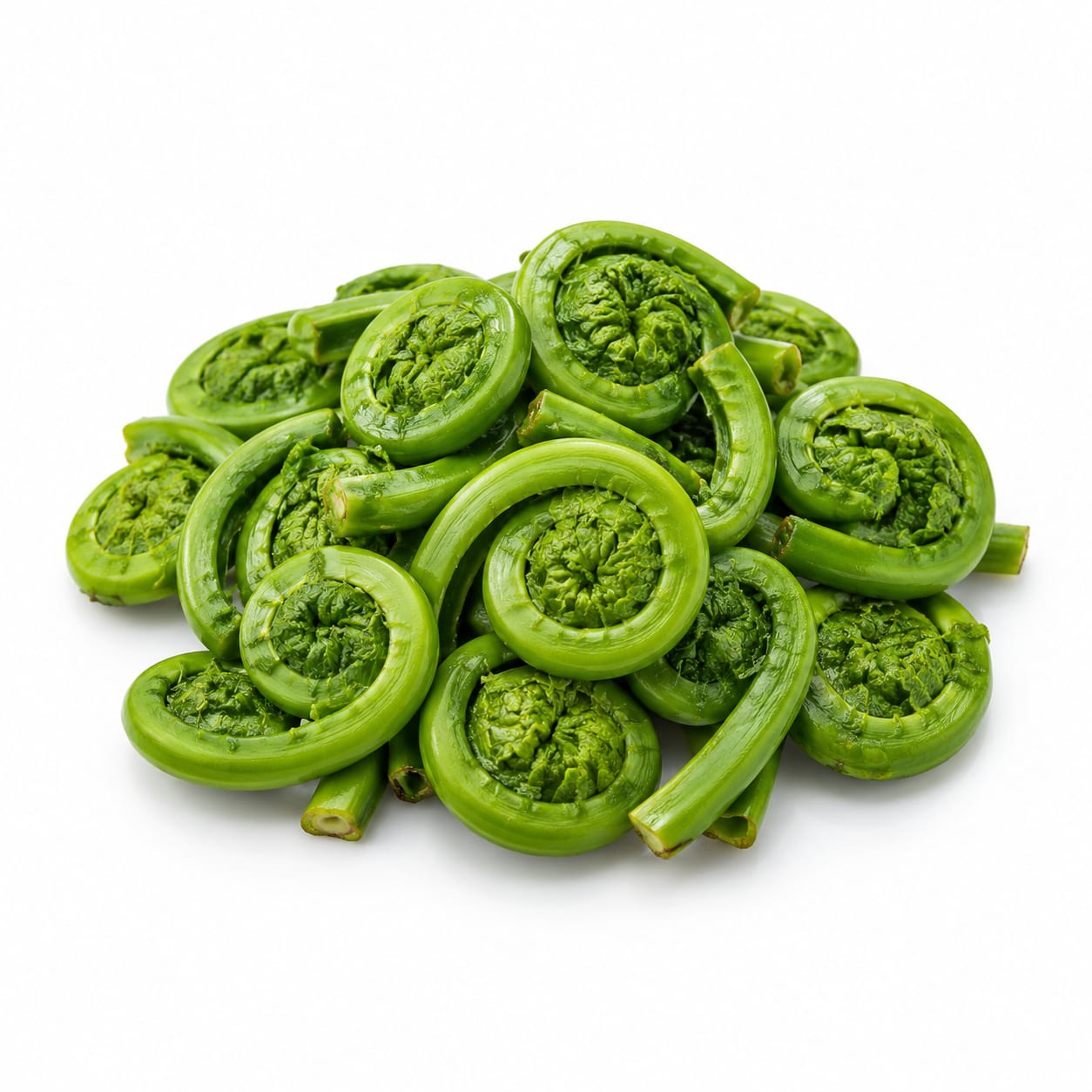
Fiddlehead Fern
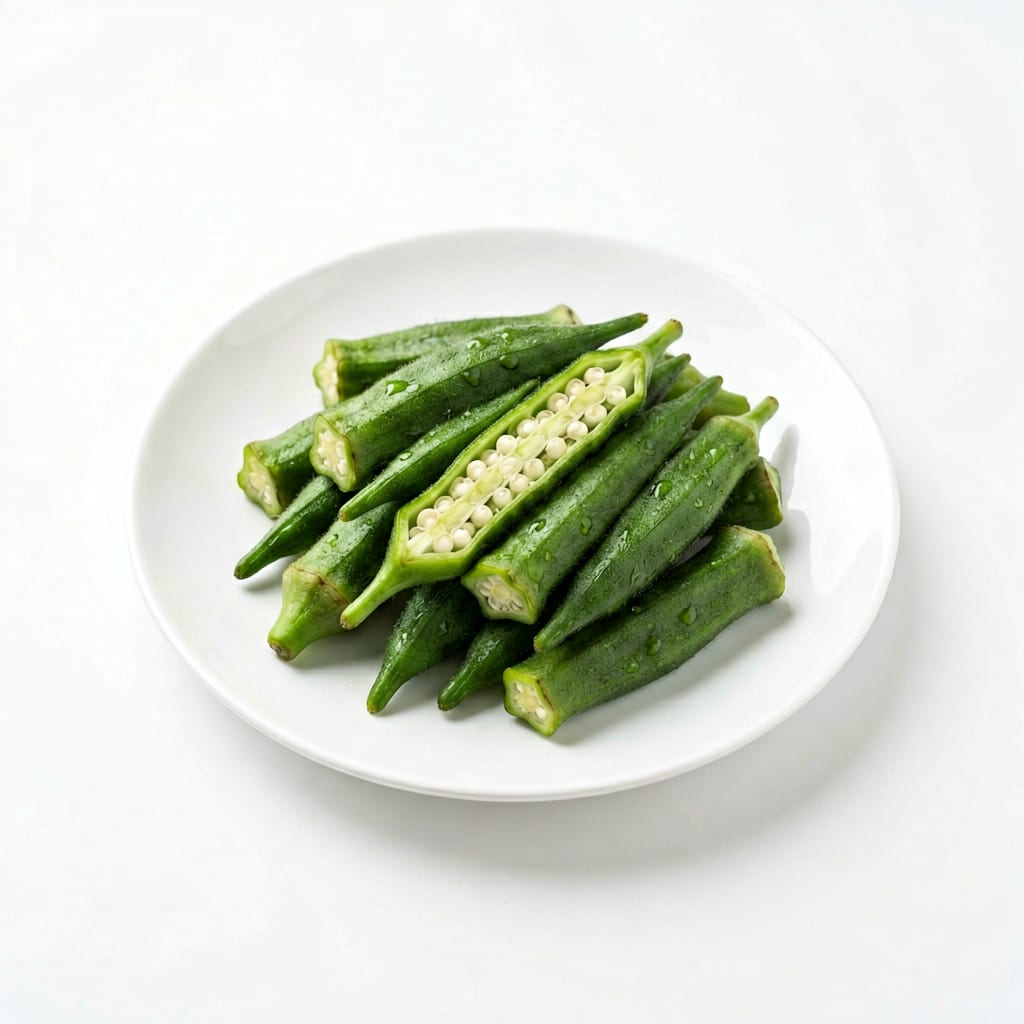
Okra
Okra wins for safety, availability, and everyday reliability, though Fiddlehead Ferns offer a rare omega-3 boost for the adventurous seasonal eater.
Okra scores significantly higher due to its safety profile, year-round availability, superior fiber content, and gut health benefits. Fiddlehead Ferns lose ground on safety risk, seasonal scarcity, and preparation demands, though their omega-3 content and antioxidant density partially close the gap.
Fiddlehead Ferns deliver a nutritional novelty and omega-3s you rarely find in vegetables, but they demand careful cooking and carry real food safety risks. Okra is the safe, fiber-rich workhorse you can eat any day of the year.
At a glance
Executive summary
Overall
Okra
Healthier
Okra
More practical
Okra
Daily use
Okra
Key comparison lenses
safety and preparation risk
Fiddlehead Ferns carry a unique foodborne illness risk if undercooked, making safety the single most important differentiator in this comparison
everyday practicality and availability
Fiddlehead Ferns are a fleeting seasonal delicacy while Okra is available year-round in most grocery stores, heavily influencing which one people can actually eat regularly
digestive and gut health benefits
Okra's mucilage provides unique gut-soothing and prebiotic properties that Fiddlehead Ferns cannot match
blood sugar management
Okra has emerging evidence for blood sugar stabilization, a common health concern for everyday eaters
nutritional uniqueness and novelty
Fiddlehead Ferns offer omega-3 fatty acids rarely found in vegetables, which may attract specific health-conscious users
Best choice for
Fiddlehead Fern
- Seasonal foragers seeking omega-3s from plant sources
- Adventurous eaters who enjoy rare, short-season delicacies
- Home cooks confident in proper boiling and preparation techniques
- People looking for a unique vegetable to rotate into a varied diet
Okra
- Anyone prioritizing gut health and digestive regularity
- People managing blood sugar who want a low-glycemic vegetable
- Families needing a safe, kid-friendly vegetable option
- Meal preppers who want a reliable year-round ingredient
Least suitable for
Fiddlehead Fern
- Anyone unfamiliar with proper fern preparation techniques
- Immunocompromised individuals more vulnerable to foodborne illness
- People who want a vegetable they can quickly steam or eat raw
- Those living outside regions where Fiddlehead Ferns are harvested
Okra
- People with a strong texture aversion to slimy or mucilaginous foods
- Anyone prone to kidney stones who needs to limit oxalate intake
- Diners seeking an omega-3 rich vegetable option
Deep comparison
Dimension by dimension
Each lens scores both foods and breaks down who each option suits.
- Dimension 1 · Priority 95Okra
food safety and preparation risk
Fiddlehead Fern · 35Okra · 95Fiddlehead Ferns must be boiled for at least 15 minutes before eating to destroy heat-labile toxins. Undercooked ferns have caused outbreaks of nausea, vomiting, and diarrhea. Okra poses virtually no safety risk with standard cooking.
Tradeoff
Fiddlehead Ferns reward careful preparation with unique nutrition, but the margin for error is slim. One shortcut can mean a very unpleasant night.
Why it matters
Food safety is not optional. A vegetable that can make you sick if slightly undercooked demands a level of caution most home cooks do not apply to everyday produce.
Real-world impact
If you are tired, rushed, or cooking for kids, the extra boiling step for Fiddlehead Ferns is easy to skip or shorten. That is exactly when problems happen.
Fiddlehead Fern
- Experienced cooks who treat preparation steps as non-negotiable
Better for
- Novice cooks unfamiliar with toxin-removal techniques
- People who like to lightly steam or eat vegetables raw
Worse for
Okra
- Busy weeknight cooks who need quick, safe preparation
- Parents cooking for children who cannot afford food safety gambles
- Anyone who occasionally takes shortcuts in the kitchen
Better for
- Dimension 2 · Priority 88Okra
fiber and digestive health
Fiddlehead Fern · 55Okra · 90Okra is a fiber powerhouse with both soluble mucilage and insoluble roughage. Fiddlehead Ferns provide decent fiber but nothing close to Okra's gut-friendly mucilage.
Tradeoff
Okra's slime is both its superpower and its biggest turnoff. The mucilage that soothes your gut is the same texture that makes some people refuse to eat it.
Why it matters
Soluble fiber feeds beneficial gut bacteria, softens stool, and slows sugar absorption. Okra delivers this in a form few other vegetables can match.
Real-world impact
If you struggle with irregular digestion or bloating, adding Okra a few times a week can make a noticeable difference. Fiddlehead Ferns help, but less dramatically.
Fiddlehead Fern
- People who want moderate fiber without any mucilaginous texture
Better for
- Those specifically seeking high soluble fiber intake
Worse for
Okra
- Anyone dealing with constipation or irregular bowel movements
- People looking to support a healthy gut microbiome
- Those wanting steadier blood sugar after meals
Better for
- Diners who cannot tolerate slimy textures even when roasted or fried
Worse for
- Dimension 3 · Priority 75Fiddlehead Fern
omega-3 and healthy fat content
Fiddlehead Fern · 82Okra · 30Fiddlehead Ferns are one of the rare vegetables containing meaningful amounts of omega-3 and omega-6 fatty acids. Okra has negligible fat content.
Tradeoff
You get a plant-based omega-3 boost from Fiddlehead Ferns that almost no other vegetable provides, but you can only access it during a narrow spring window.
Why it matters
Most plant omega-3 sources are seeds or nuts. Finding it in a green vegetable is unusual and valuable for people who do not eat fish.
Real-world impact
For a few weeks each spring, Fiddlehead Ferns let you add omega-3s to a vegetable dish instead of relying on supplements or fatty fish. The rest of the year, this advantage disappears.
Fiddlehead Fern
- Vegetarians and vegans looking for plant omega-3 sources
- People who do not eat fish regularly
- Anyone wanting to diversify their omega-3 intake beyond flax and walnuts
Better for
- Anyone who cannot find fresh Fiddlehead Ferns in their region
Worse for
Okra
- People who already get plenty of omega-3s from fish, seeds, or supplements
Better for
- Those relying heavily on vegetables as their primary omega-3 source
Worse for
- Dimension 4 · Priority 85Okra
availability and seasonal access
Fiddlehead Fern · 20Okra · 90Fiddlehead Ferns are available for roughly two to three weeks in spring, primarily in northeastern North America. Okra is stocked year-round in most grocery stores across multiple continents.
Tradeoff
Fiddlehead Ferns are a fleeting treasure that makes them feel special. Okra is always there when you need it, which makes it easy to take for granted.
Why it matters
A vegetable you cannot buy most of the year cannot be a dietary staple, no matter how nutritious it is.
Real-world impact
You can meal-plan around Okra every week of the year. Fiddlehead Ferns require timing, luck, and often a specialty grocer or foraging knowledge.
Fiddlehead Fern
- People who enjoy seasonal eating and building meals around rare ingredients
Better for
- Anyone trying to build a consistent weekly vegetable rotation
- People in regions where Fiddlehead Ferns are never sold
Worse for
Okra
- Meal preppers who need consistent weekly ingredients
- Anyone living outside Fiddlehead Fern harvesting regions
- People who shop at standard grocery stores without specialty produce
Better for
- Those who find routine boring and crave seasonal variety
Worse for
- Dimension 5 · Priority 78Okra
blood sugar friendliness
Fiddlehead Fern · 60Okra · 85Okra's soluble fiber slows carbohydrate absorption and has been studied for blood sugar-lowering effects. Fiddlehead Ferns are low-glycemic but lack the specific research backing Okra has.
Tradeoff
Okra has emerging clinical evidence for blood sugar benefits. Fiddlehead Ferns are likely fine for blood sugar but have not been studied for this purpose.
Why it matters
For the millions managing prediabetes or diabetes, choosing vegetables with proven glycemic benefits is a low-effort, high-reward strategy.
Real-world impact
Drinking okra water or eating okra with meals is a common folk remedy for blood sugar control in several cultures. That tradition now has some scientific support.
Fiddlehead Fern
- People who want a low-glycemic vegetable but dislike okra's texture
Better for
- People specifically seeking evidence-based blood sugar management foods
Worse for
Okra
- Anyone with prediabetes or type 2 diabetes
- People who experience afternoon energy crashes after carb-heavy meals
- Those following a low-glycemic eating pattern
Better for
- Dimension 6 · Priority 70It depends
antioxidant and micronutrient density
Fiddlehead Fern · 78Okra · 75Fiddlehead Ferns are rich in vitamin A, vitamin C, and manganese. Okra brings vitamin C, vitamin K, folate, and magnesium. Both are micronutrient-dense but in different ways.
Tradeoff
Fiddlehead Ferns edge ahead on vitamin A and manganese. Okra wins on vitamin K and folate. The difference is not dramatic enough to be a deciding factor alone.
Why it matters
Both vegetables punch above their weight micronutrient-wise compared to mainstream options like iceberg lettuce or cucumbers.
Real-world impact
Eating either one regularly improves your micronutrient intake noticeably. The best choice is whichever you will actually eat consistently.
Fiddlehead Fern
- People wanting more vitamin A for skin and immune health
- Those who could use more manganese for bone metabolism
Better for
- Those who need reliable folate intake
Worse for
Okra
- Pregnant women or those planning pregnancy who need folate
- People on blood thinners who need consistent vitamin K intake
- Anyone needing more magnesium for muscle and nerve function
Better for
- People specifically targeting vitamin A intake
Worse for
Timeline
Health impact over time
Short-term
Hours to days
Fiddlehead Fern
- Risk of nausea, vomiting, and diarrhea if undercooked — this is the dominant short-term concern
- Mild antioxidant support from vitamin C and vitamin A
- Moderate fiber contribution to digestive regularity
Okra
- Gentle promotion of bowel regularity due to high soluble and insoluble fiber
- Possible blood sugar stabilization after carbohydrate-containing meals
- Mucilage may soothe digestive irritation in some people
Long-term
Months to years
Fiddlehead Fern
- Occasional seasonal consumption may contribute omega-3 intake without relying on animal sources
- Antioxidant compounds could support cellular health over time, though long-term studies are limited
- Repeated improper preparation carries cumulative risk of gastrointestinal illness
Okra
- Consistent fiber intake supports long-term gut microbiome diversity and colorectal health
- Regular consumption may contribute to improved blood sugar control over months and years
- Vitamin K and folate support bone density and cardiovascular health with sustained intake
Risk profile
Safety & processing
Both Fiddlehead Ferns and Okra are whole, unprocessed vegetables typically sold fresh. Neither carries concerns about additives, preservatives, or ultra-processing. The naturalness is a tie — both are as close to farm-to-table as produce gets.
Fiddlehead Fern
heat-labile toxin exposure from undercooking
highRaw or lightly cooked Fiddlehead Ferns have caused multiple foodborne illness outbreaks. Boiling for at least 15 minutes or steaming for 10 to 12 minutes is required. Sautéing alone is insufficient.
misidentification during foraging
mediumNot all fern species are edible. Some toxic ferns look similar to edible ostrich fern fiddleheads. Foragers without expert knowledge risk harvesting the wrong species.
environmental contamination in wild-harvested ferns
lowWild-harvested Fiddlehead Ferns may absorb heavy metals or pollutants from soil and water near roads or industrial sites.
Okra
oxalate content contributing to kidney stones
lowOkra contains moderate oxalates. People with a history of calcium oxalate kidney stones may need to moderate intake or pair it with calcium-rich foods.
pesticide residue on conventionally grown okra
lowOkra is not typically on high-pesticide lists, but washing is still recommended. Choosing organic reduces this already low concern.
Who wins for whom
Audience fit
Same foods, different winners depending on your goal.
children
OkraOkra is safer, easier to prepare correctly, and can be roasted or fried into kid-friendly forms. Fiddlehead Ferns require precise cooking and carry a food safety risk that is harder to manage when cooking for children.
daily consumption
OkraOkra is available every day, safe to eat daily, and gentle on the digestive system. Fiddlehead Ferns are seasonal, require careful preparation each time, and are better as an occasional treat.
diabetes
OkraOkra's soluble fiber slows glucose absorption and has emerging evidence for blood sugar benefits. Fiddlehead Ferns are low-glycemic but lack this specific advantage and carry preparation risks that could be dangerous for someone feeling unwell.
elderly
OkraOlder adults are more vulnerable to foodborne illness, making Fiddlehead Ferns' toxin risk more concerning. Okra's fiber also helps with the constipation that commonly affects seniors.
muscle gain
It dependsNeither vegetable is a significant protein source. Both serve as micronutrient-rich sides for a muscle-building diet, but neither moves the needle on protein intake directly.
weight loss
OkraOkra's high fiber content keeps you fuller for longer on very few calories, and its year-round availability means you can rely on it consistently as a low-calorie staple.
Your move
Decision guide
Choose Fiddlehead Fern
- You are an experienced cook who will boil Fiddlehead Ferns thoroughly every single time
- You want a rare plant-based omega-3 source and can access fresh ferns in spring
- You enjoy seasonal eating and building special meals around short-window ingredients
- You already eat Okra regularly and want something different for variety
Choose Okra
- You want a safe, fiber-rich vegetable you can eat any day of the year
- You are managing blood sugar, digestion, or weight and need a reliable daily ally
- You are cooking for a family and cannot afford food safety gambles
- You dislike the idea of boiling a vegetable for 15 minutes before you can even start cooking
Either works if
- You want a low-calorie, micronutrient-dense green vegetable to round out a meal
- You are already eating a varied diet and just want to add more vegetable diversity
- You enjoy trying new vegetables and want to rotate both into your cooking repertoire
Avoid both if
- You have a specific oxalate restriction that limits both vegetables
- You are looking for a high-protein vegetable — neither delivers meaningful protein
- You need a vegetable that requires zero cooking — both must be cooked before eating
Final recommendation
Make Okra your everyday vegetable and treat Fiddlehead Ferns as a springtime adventure. Okra gives you consistent fiber, blood sugar support, and gut health benefits with zero safety worries. Fiddlehead Ferns are worth enjoying during their brief season for the omega-3 novelty and culinary experience, but they should never be your default green. If you do cook Fiddlehead Ferns, boil them for a full 15 minutes without exception — no shortcuts.
Practical
Consumer tips
- 1
Never eat Fiddlehead Ferns raw or lightly sautéed. Always boil for at least 15 minutes, then drain the water before finishing in a pan if desired.
- 2
If you dislike Okra's slime, try roasting it at high heat, frying it, or cooking it with an acid like lemon juice or vinegar to reduce mucilage.
- 3
Freeze fresh Okra while it is in season for better quality than what you might find out of season in stores.
- 4
If foraging Fiddlehead Ferns, go with an experienced guide. Misidentifying fern species can lead to serious illness.
- 5
Pair Okra with tomatoes, onions, and spices for a gut-friendly side dish that also masks the slimy texture many people dislike.
- 6
Discard the boiling water after cooking Fiddlehead Ferns — it contains the toxins you just worked to remove.
- 7
Choose firm, tightly coiled Fiddlehead Ferns with no signs of browning or unfurling for the best quality and safety.