
Nutrition comparison
Fiddlehead Fern vs Broccoli: Safety, Nutrition, and Which to Choose
Compare Fiddlehead Ferns and Broccoli on nutrition, safety, omega-3 content, and everyday practicality. Learn why proper cooking is essential for Fiddlehead Ferns and when each vegetable makes sense.
Overall winner · Broccoli
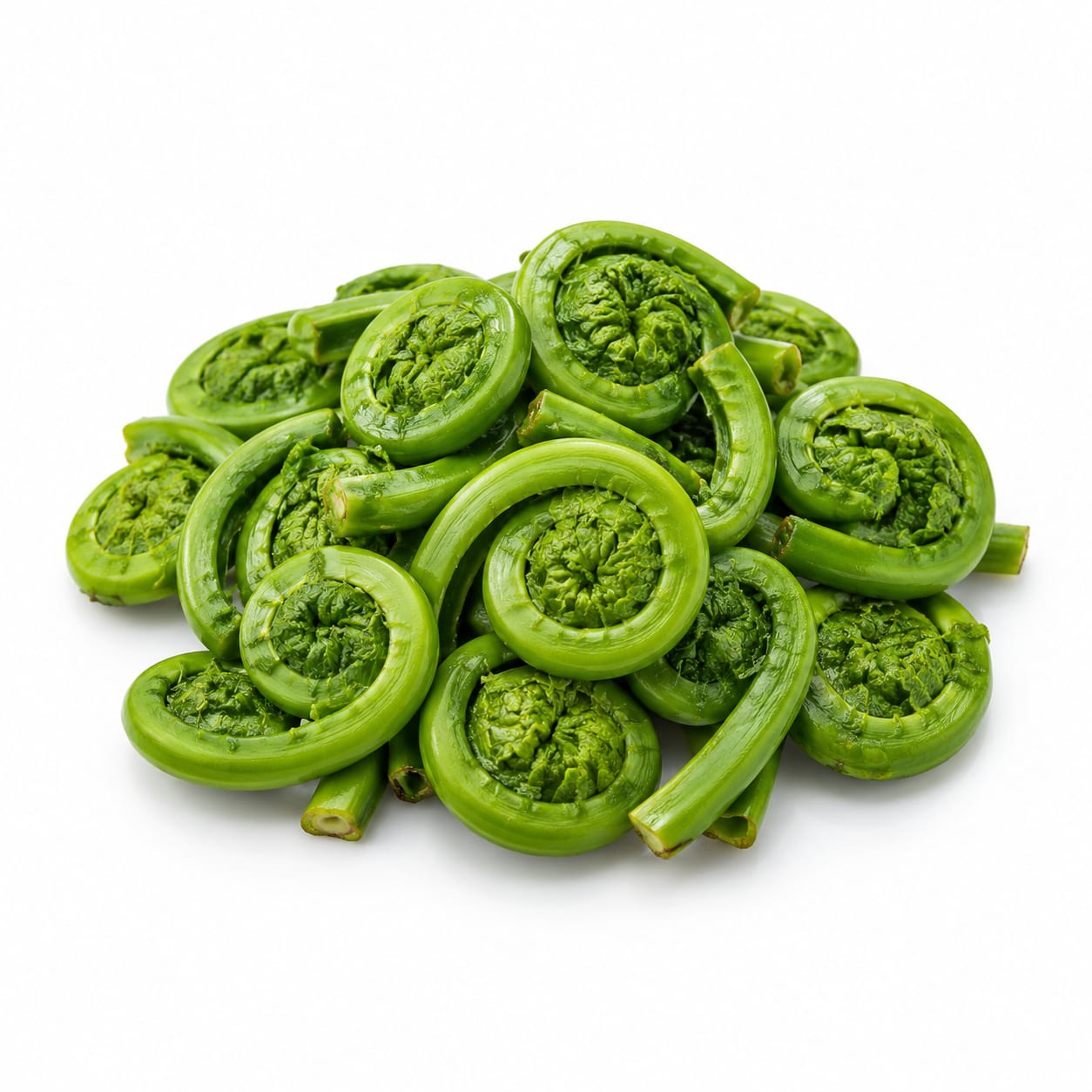
Fiddlehead Fern
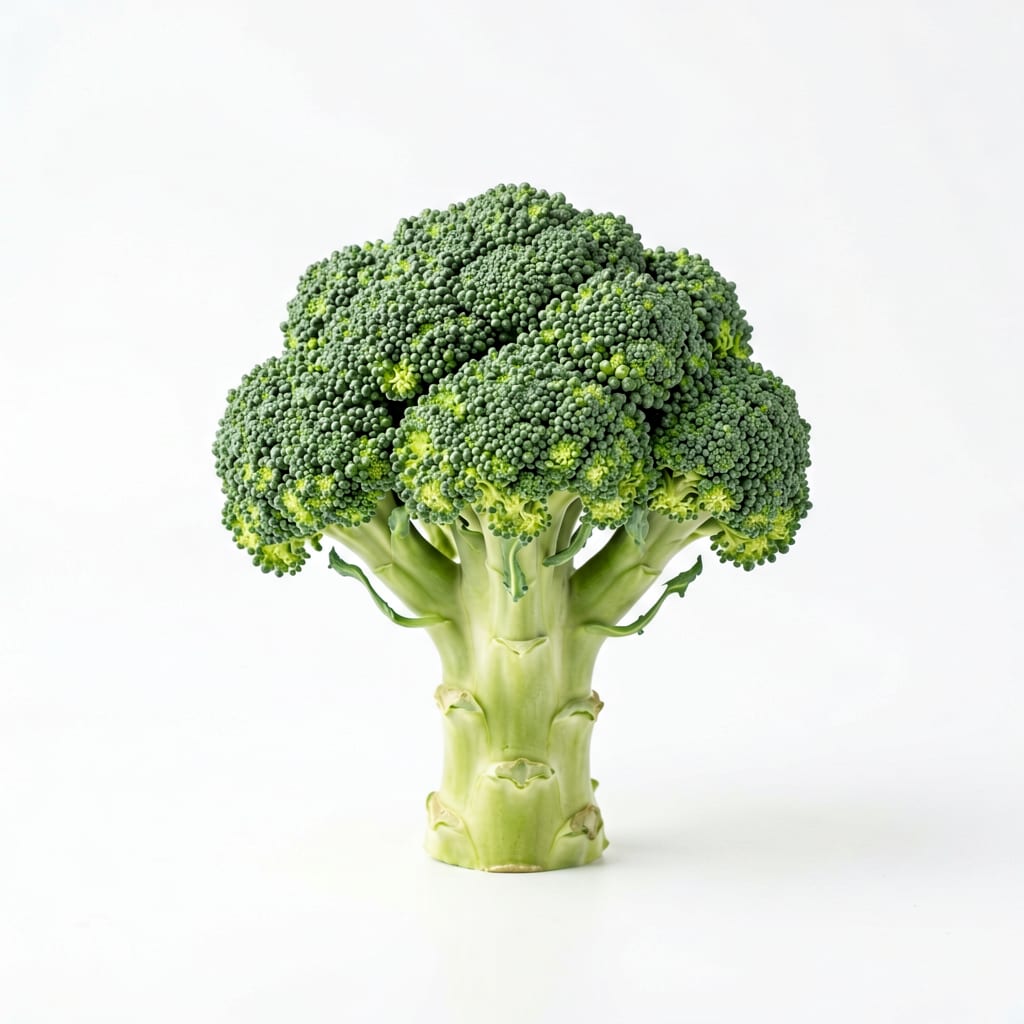
Broccoli
Broccoli wins for everyday nutrition and safety, but Fiddlehead Ferns offer a unique seasonal experience with omega-3s you rarely find in vegetables.
Broccoli scores significantly higher due to superior safety, availability, and research-backed health benefits. Fiddlehead Ferns score lower primarily because of mandatory cooking requirements, seasonal scarcity, and documented food safety risks that demand vigilance.
Fiddlehead Ferns bring rare omega-3 fatty acids and a gourmet novelty factor, but demand careful cooking and carry real food safety risks that Broccoli simply does not have.
At a glance
Executive summary
Overall
Broccoli
Healthier
Broccoli
More practical
Broccoli
Daily use
Broccoli
Key comparison lenses
safety and preparation requirements
Fiddlehead Ferns contain toxins that must be neutralized by proper cooking, making safety the single most critical factor in this comparison
everyday practicality and accessibility
Broccoli is available year-round everywhere; Fiddlehead Ferns are a short-season specialty item most people cannot find regularly
nutrient density and unique compounds
Both foods offer impressive but very different phytonutrient profiles worth understanding for informed choices
culinary versatility
Broccoli works raw, steamed, roasted, or stir-fried; Fiddlehead Ferns have a narrow preparation window
Best choice for
Fiddlehead Fern
- Adventurous eaters seeking seasonal variety
- People wanting plant-based omega-3 sources
- Anyone looking to expand their vegetable palette beyond the ordinary
- Springtime foraging enthusiasts
Broccoli
- Families needing a safe, reliable vegetable
- Anyone meal-prepping for the week
- People who want raw vegetable options for salads or snacking
- Those prioritizing consistent daily nutrition
Least suitable for
Fiddlehead Fern
- Children and elderly due to toxin risks if undercooked
- Anyone immunocompromised who should avoid higher-risk foods
- People without reliable access to fresh seasonal produce
- Busy home cooks who need quick, low-prep vegetables
Broccoli
- People bored with common vegetables seeking novelty
- Those looking for plant-based omega-3 fatty acids
- Foragers and locavores wanting wild food experiences
Deep comparison
Dimension by dimension
Each lens scores both foods and breaks down who each option suits.
- Dimension 1 · Priority 95Broccoli
Safety and Preparation Requirements
Fiddlehead Fern · 35Broccoli · 95Fiddlehead Ferns must be boiled or steamed thoroughly to destroy unidentified toxins; Broccoli is safe raw or lightly cooked.
Tradeoff
The extra preparation step for Fiddlehead Ferns is non-negotiable — skipping it can cause serious gastrointestinal illness within hours.
Why it matters
Food safety is a hard gate. No nutritional benefit matters if the food makes you sick.
Real-world impact
Undercooked Fiddlehead Ferns have caused outbreaks of food poisoning with nausea, vomiting, and diarrhea. Broccoli has no such risk.
Fiddlehead Fern
- Experienced cooks who follow preparation protocols carefully
Better for
- Impatient cooks who skip boiling steps
- Anyone serving raw vegetable platters
Worse for
Broccoli
- Anyone who occasionally takes shortcuts in the kitchen
- Families with children who might snack on raw vegetables
- People new to cooking who need forgiving ingredients
Better for
- No meaningful safety downside
Worse for
- Dimension 2 · Priority 85Broccoli
Nutritional Density
Fiddlehead Fern · 70Broccoli · 90Broccoli delivers more vitamin C, vitamin K, and folate per serving. Fiddlehead Ferns counter with surprising omega-3 content rare in vegetables.
Tradeoff
Broccoli is the more complete daily nutrient source, but Fiddlehead Ferns offer a fatty acid profile that almost no other vegetable can match.
Why it matters
If you eat vegetables primarily for vitamins and minerals, Broccoli covers more bases. If you are specifically seeking plant-based omega-3s, Fiddlehead Ferns are genuinely unique.
Real-world impact
A cup of Broccoli gives you over 100% of daily vitamin C needs. Fiddlehead Ferns give you a small but notable omega-3 boost usually only found in fish or flaxseed.
Fiddlehead Fern
- People on plant-based diets needing omega-3 diversity
- Anyone already eating plenty of common cruciferous vegetables
Better for
- Those expecting a nutritional powerhouse comparable to Broccoli
Worse for
Broccoli
- Anyone needing reliable daily vitamin C and K intake
- People who do not eat many fruit sources of vitamin C
Better for
- People specifically targeting omega-3 intake from vegetables
Worse for
- Dimension 3 · Priority 80It depends
Antioxidant and Phytonutrient Profile
Fiddlehead Fern · 78Broccoli · 82Broccoli contains sulforaphane, one of the most studied cancer-fighting compounds in food. Fiddlehead Ferns contain unique antioxidants less researched but potentially valuable.
Tradeoff
Broccoli's sulforaphane has decades of research behind it. Fiddlehead Ferns have intriguing but less validated antioxidant properties.
Why it matters
If you want proven protective compounds, Broccoli is the safer bet. If you believe in dietary diversity for gut and immune health, Fiddlehead Ferns add novelty.
Real-world impact
Eating Broccoli regularly is associated with lower cancer risk in population studies. Fiddlehead Ferns may contribute similar benefits but lack equivalent evidence.
Fiddlehead Fern
- Nutritional explorers who value diversity of plant compounds
- People already consuming cruciferous vegetables regularly
Better for
- Those who want proven, researched health outcomes
Worse for
Broccoli
- Anyone wanting well-documented disease-fighting compounds
- People focused on evidence-based dietary choices
Better for
- People concerned about over-relying on one vegetable family
Worse for
- Dimension 4 · Priority 90Broccoli
Practicality and Availability
Fiddlehead Fern · 25Broccoli · 95Broccoli is in every grocery store year-round. Fiddlehead Ferns appear for roughly two to three weeks in spring and require specialty sourcing.
Tradeoff
You can build consistent eating habits around Broccoli. Fiddlehead Ferns are a fleeting treat, not a staple.
Why it matters
Nutrition only works if you can actually access and eat the food regularly.
Real-world impact
Most people will never encounter fresh Fiddlehead Ferns at their local store. Broccoli is one of the easiest vegetables to find anywhere, anytime.
Fiddlehead Fern
- Springtime visitors to farmers markets in fern-growing regions
- Foragers with local knowledge
Better for
- Anyone without access to specialty or farmers markets
- People in regions where Fiddlehead Ferns do not grow
Worse for
Broccoli
- Everyone doing weekly grocery shopping
- People living in areas without specialty produce access
- Anyone meal-planning beyond the current week
Better for
- No meaningful availability downside
Worse for
- Dimension 5 · Priority 65Broccoli
Culinary Experience and Versatility
Fiddlehead Fern · 55Broccoli · 85Broccoli works in stir-fries, soups, salads, roasted dishes, and raw snacks. Fiddlehead Ferns shine sautéed or steamed as a side but have limited range.
Tradeoff
Fiddlehead Ferns offer a grassy, asparagus-like flavor that feels special. Broccoli offers dependability across dozens of dishes.
Why it matters
A vegetable you can cook many ways stays interesting longer and reduces food waste.
Real-world impact
You can eat Broccoli five different ways in a week without getting bored. Fiddlehead Ferns are typically a one-dish experience per season.
Fiddlehead Fern
- Home cooks wanting to impress dinner guests with something unusual
- Anyone creating seasonal spring menus
Better for
- Anyone wanting raw vegetable options
- People who dislike delicate preparation work
Worse for
Broccoli
- Batch cookers who prep vegetables for multiple meals
- People who like raw vegetable snacking
- Families needing kid-friendly vegetable preparations
Better for
- Adventurous eaters who find everyday vegetables boring
Worse for
Timeline
Health impact over time
Short-term
Hours to days
Fiddlehead Fern
- Risk of nausea, vomiting, and diarrhea if undercooked — symptoms can appear within 30 minutes to 12 hours
- Mild digestive adjustment if you are not used to high-fiber wild greens
- Potential allergic reactions in people sensitive to ferns or wild foraged plants
Broccoli
- Possible gas or bloating from high fiber and raffinose, especially if eaten raw in large amounts
- Generally well-tolerated and gentle on most digestive systems when cooked
Long-term
Months to years
Fiddlehead Fern
- Occasional consumption as part of a diverse diet may contribute unique antioxidants and omega-3s
- Long-term effects are poorly studied due to limited consumption data
- No known chronic risks when properly cooked
Broccoli
- Consistent intake associated with reduced cancer risk, particularly colorectal and breast cancers
- Supports cardiovascular health through anti-inflammatory sulforaphane
- Contributes to bone health via high vitamin K content
- Well-established long-term safety profile across large populations
Risk profile
Safety & processing
Both are whole, unprocessed vegetables. Fiddlehead Ferns are often wild-foraged, which adds naturalness but also contamination risk from soil and water. Broccoli is typically cultivated, offering more controlled growing conditions.
Fiddlehead Fern
Toxin-mediated food poisoning
highRaw or undercooked Fiddlehead Ferns contain an unidentified heat-labile toxin that causes gastrointestinal illness. Boiling for at least 15 minutes or steaming for 10 to 12 minutes is essential. Never eat them raw.
Environmental contamination from foraging
mediumWild-foraged Fiddlehead Ferns may absorb heavy metals or pollutants from soil and water near their growing sites. Source from trusted foragers or reputable suppliers.
Misidentification with toxic fern species
mediumNot all fern fiddleheads are edible. Some species resemble the edible Ostrich fern but are toxic. Purchase from reliable sources rather than foraging yourself unless properly trained.
Broccoli
Pesticide residue
lowConventional Broccoli often carries pesticide residue. Washing thoroughly or choosing organic reduces this concern. Broccoli is not typically on the highest-risk pesticide lists.
Choking hazard for young children
lowRaw Broccoli florets can be a choking hazard for toddlers. Cut into small pieces or cook until tender for young children.
Who wins for whom
Audience fit
Same foods, different winners depending on your goal.
children
BroccoliBroccoli is safer, easier to prepare appropriately, and can be served in kid-friendly ways. Fiddlehead Ferns carry toxin risks that make them unsuitable for children without extreme care.
daily consumption
BroccoliBroccoli can be eaten safely every day in various preparations. Fiddlehead Ferns are a seasonal occasional food, not a daily staple.
diabetes
BroccoliBroccoli's fiber and sulforaphane may help improve insulin sensitivity. Its low glycemic impact and easy availability make it a practical daily choice for blood sugar management.
elderly
BroccoliOlder adults are more vulnerable to foodborne illness, making Fiddlehead Ferns' toxin risk more concerning. Broccoli's bone-supporting vitamin K is also especially valuable for this group.
muscle gain
BroccoliNeither vegetable is a protein source, but Broccoli's vitamin C content helps with collagen synthesis and recovery, and its reliability makes it easier to include in a structured meal plan.
weight loss
BroccoliBroccoli is more filling per calorie, easier to eat in large volumes, and available consistently enough to support daily weight loss habits.
Your move
Decision guide
Choose Fiddlehead Fern
- You find fresh Fiddlehead Ferns at a trusted farmers market in spring and want a culinary adventure
- You are specifically seeking plant-based omega-3 fatty acid diversity
- You are an experienced cook who will follow the mandatory boiling or steaming protocol
- You already eat plenty of Broccoli and want to broaden your vegetable variety
Choose Broccoli
- You need a reliable, safe vegetable for weekly meals
- You are feeding a family and want something easy and forgiving to prepare
- You want maximum nutritional return with minimal effort and risk
- You are building long-term eating habits around proven health benefits
Either works if
- You enjoy vegetables and want both as part of a diverse diet
- You value seasonal eating and treat Fiddlehead Ferns as a spring ritual while relying on Broccoli the rest of the year
Avoid both if
- You have a severe cruciferous vegetable allergy or sensitivity that extends to both families
- You are on a very strict low-fiber diet for medical reasons
Final recommendation
Make Broccoli your everyday vegetable and treat Fiddlehead Ferns as a special springtime experience. When you do find Fiddlehead Ferns, always boil or steam them thoroughly before any other preparation. The safety step is not optional. If you cannot source them safely or commit to proper cooking, stick with Broccoli — it gives you more nutritional certainty with zero worry.
Practical
Consumer tips
- 1
Never eat Fiddlehead Ferns raw — always boil for at least 15 minutes or steam for 10 to 12 minutes first
- 2
Discard the boiling water after cooking Fiddlehead Ferns; it contains the toxins you just neutralized
- 3
Buy Fiddlehead Ferns only from reputable sources — misidentification with toxic fern species is a real danger
- 4
Freeze fresh Fiddlehead Ferns during their short season if you want to enjoy them beyond spring
- 5
Steam Broccoli rather than boiling it to preserve sulforaphane content and water-soluble vitamins
- 6
Let chopped Broccoli sit for 40 minutes before cooking to maximize sulforaphane formation — the enzyme needs time to work
- 7
Choose organic Broccoli if you eat it daily to reduce cumulative pesticide exposure
- 8
If Fiddlehead Ferns are unavailable, asparagus offers a somewhat similar flavor experience with far less safety concern