
Dairy
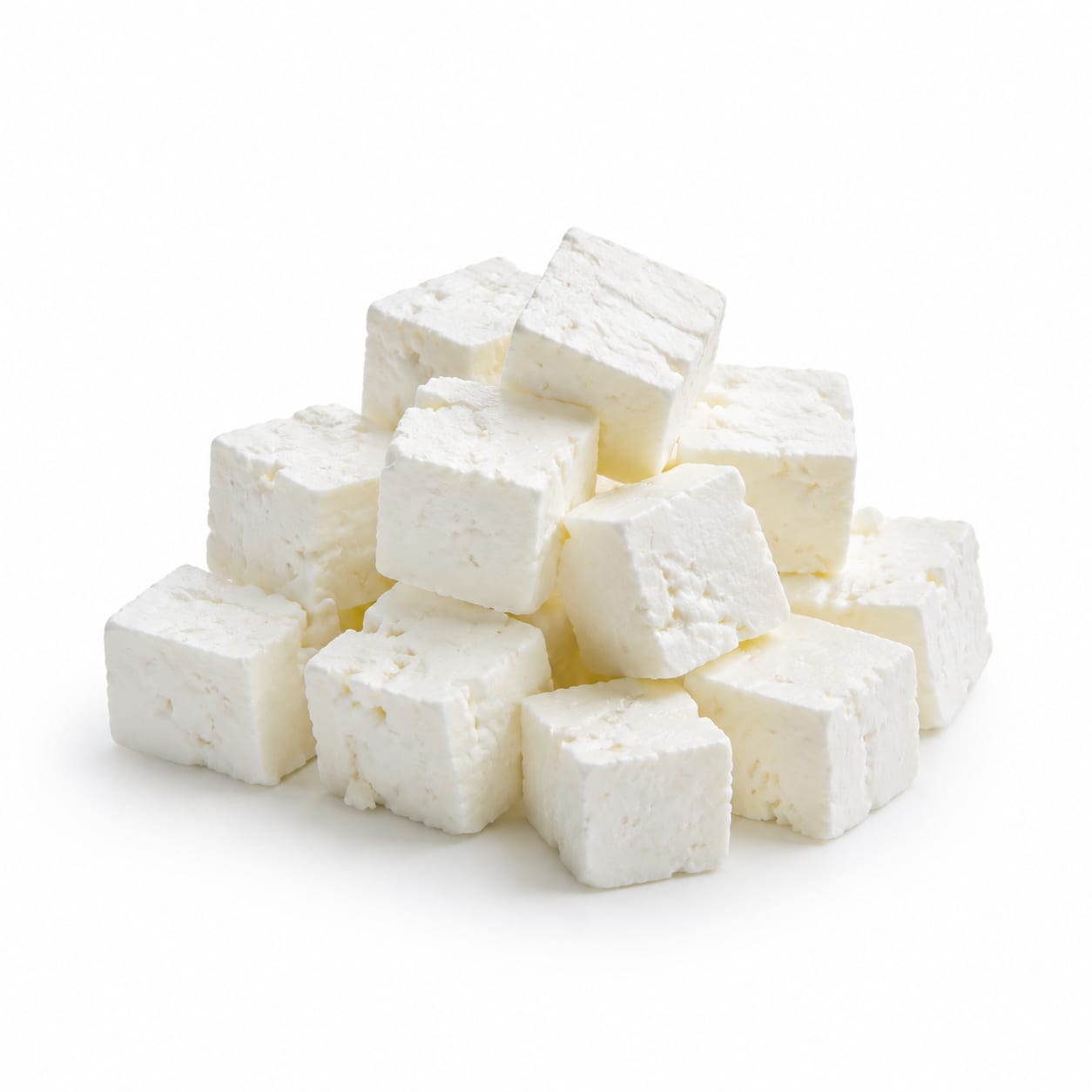
Feta Cheese
A tangy, crumbly, and salty brined cheese traditionally made from sheep's milk in Greece.
Feta is a brined curd cheese traditionally made in Greece from sheep's milk or a mixture of sheep and goat's milk. It is crumbly, tangy, and heavily salted due to the brining process.
high-fat low-carb dairy flavoring
Typical serving · 30g
Common varieties · Greek traditional, French, Bulgarian, Danish (cow's milk)
Overall context score across nutrition, safety, and diet fit
At a glance
Quick facts
Simple indicators based on nutrition, processing, and diet fit.
The story
What makes it unique
Feta is a fermented dairy product with high moisture and significant sodium levels from brining. It digests moderately slowly due to its fat and protein content, offering moderate satiety. Its macronutrient profile is high in fat, moderate in protein, and very low in carbohydrates. Traditional feta relies on natural fermentation and aging, while commercial versions may include preservatives or cow's milk.
Varieties: Greek traditional · French · Bulgarian · Danish (cow's milk)
Per 100g
Nutrition breakdown
Macro balance and key metrics at a glance.
Energy
Density 2.64 kcal/g
Protein
Carbs
Fat
Fiber
Sugar
4.1 g
Sodium
1116 mg
Potassium
62 mg
Glycemic index
27
Glycemic load
1
Water content
55%
Standout compounds
Nutrient highlights
Calcium
highSupports bone density and dental health
Sodium
highRegulates fluid balance but risks elevating blood pressure
Vitamin B12
moderateEssential for nerve function and red blood cell formation
Conjugated Linoleic Acid
moderateMay support metabolic health and reduce inflammation
Wellness map
Health scores & processing
NOVA processing scale
moderate · Whole food
Traditional feta is processed using only milk, salt, rennet, and cultures, but mass-produced versions often include preservatives, stabilizers, or added cow's milk.
Diet compatibility
- Weight loss
- Muscle gain
- Diabetes
- Gut health
- Low carb
- High protein
- Heart health
Relative standing
Food rankings
Qualitative ranks compared to similar whole foods.
- Satietygood
- Blood sugarexcellent
- Nutrient densitymoderate
- Fitness fuelpoor
- Processing qualitygood
Eat with confidence
Food safety profile
Feta is generally safe, but unpasteurized varieties carry a moderate risk of Listeria. Industrial dairy farming also presents routine antibiotic exposure risks, though regulated in commercial dairy.
Evidence confidence 90%
- Pesticideslow
- Antibioticsmoderate
- Heavy metalslow
- Contaminationmoderate
Watch for
- Listeria monocytogenes
- Brucella
Safer choices
Pasteurized feta specifically labeled as made from pasteurized milk.
Prep tips
Rinsing feta under cold water before serving can remove surface brine and reduce sodium content slightly.
Unpasteurized milk cheeses pose specific risks for pregnant women and immunocompromised individuals; EU mandates specific origin and milk type for Protected Designation of Origin (PDO) feta.
Deep dive
Health analysis
How this food may fit different goals and preparation choices.
Weight loss
High calorie density makes portion control critical; the crumbly texture can lead to overconsumption if not measured.
Blood sugar
Negligible carbohydrate content prevents insulin spikes, making it highly blood sugar friendly.
Fitness & energy
Provides moderate protein for muscle maintenance but lacks fast-digesting carbs, making it a poor primary energy source.
Gut health
Contains lactic acid bacteria from fermentation, but lacks fiber and the high sodium content may not support optimal gut flora balance.
Processing quality
Authentic Greek feta uses minimal ingredients, but cheaper commercial versions often rely on cow's milk, preservatives, and stabilizers.
Food safety
Unpasteurized feta carries listeria risk; pregnant women should strictly choose pasteurized varieties.
Common mistakes
Assuming all crumbled white cheese is authentic feta; over-portioning due to its light texture; ignoring the high sodium content.
Best preparation
Crumbled over roasted vegetables, baked into egg dishes, or marinated in olive oil to balance the saltiness.
Practical guide
Best use cases
When and how this food fits real eating patterns.
Salad flavor enhancement
Adds a tangy, salty kick to greens without needing heavy dressings.
Keto diet fat source
Provides a low-carb, high-fat addition to meals for maintaining ketosis.
Mediterranean diet inclusion
Fits perfectly into Mediterranean eating patterns when paired with olive oil, tomatoes, and olives.
Balance sheet
Pros & cons
Upsides
- Very low in carbohydrates
- Good source of bioavailable calcium
- Contains probiotics from fermentation
- Provides strong flavor so less is needed
- Fits Mediterranean and keto diets
Trade-offs
- Very high in sodium
- High in saturated fat
- Calorie dense and easy to overeat
- Unpasteurized versions pose listeria risk
- Often adulterated with cow's milk in cheaper brands
Fit check
Who is it for?
Great match
- low carb diets
- mediterranean diet
- salad topping
- blood sugar control
Consider alternatives
- low sodium diets
- strict calorie deficits
- pregnant women (if unpasteurized)
- high blood pressure management
Side by side
How it compares
Open the full head-to-head analysis for nutrition, safety, and practical tradeoffs.
This food
Feta Cheese
VS90% alike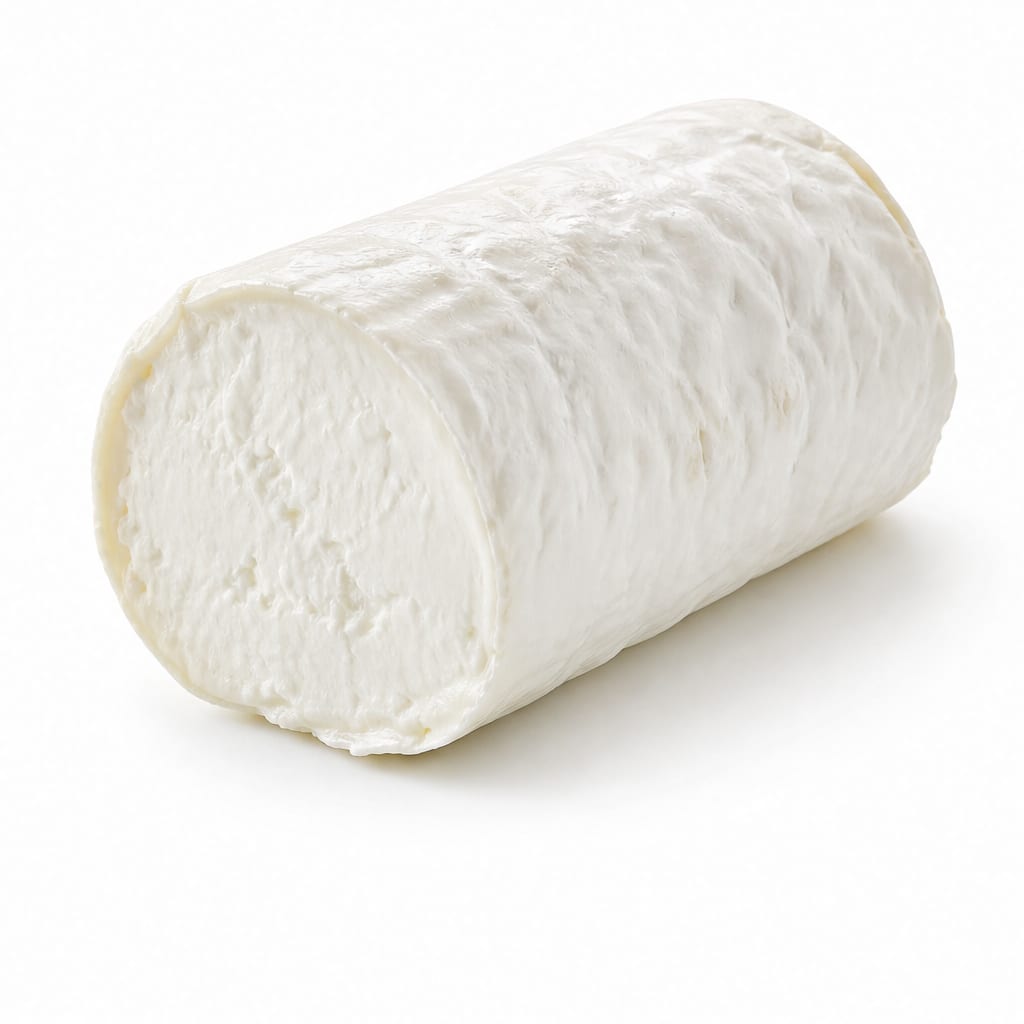
Compare with
Goat Cheese
Feta is brined and saltier; goat cheese is milder and creamier. Feta has slightly fewer calories.
Feta is saltier and lower in calories, while goat cheese is creamier and milder, making both good low-carb options.
This food
Feta Cheese
VS75% alike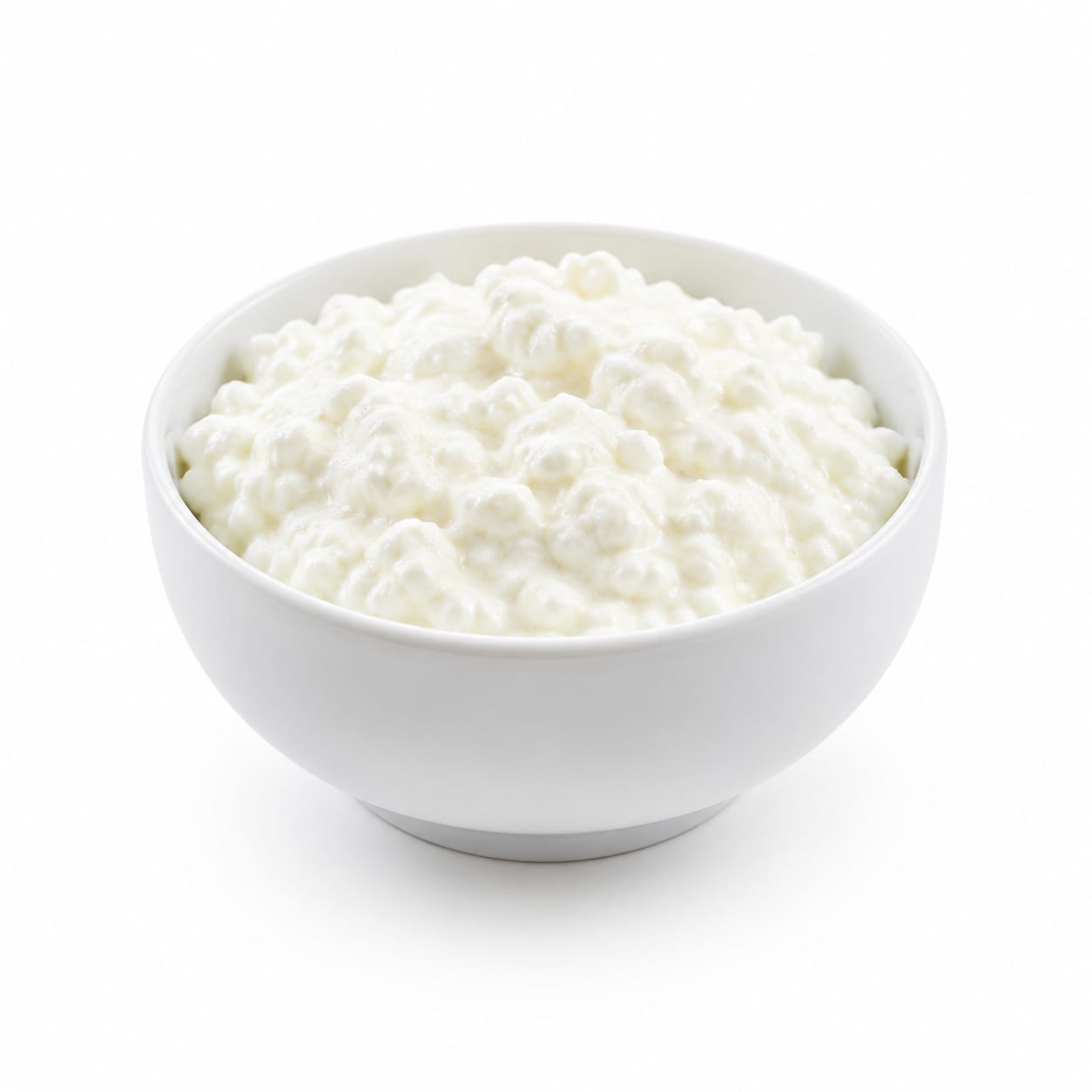
Compare with
Cottage Cheese
Cottage cheese is high in protein and low in fat; feta is high in fat and moderate in protein.
Cottage cheese is much better for protein and satiety, while feta provides stronger flavor and more fat for keto diets.
This food
Feta Cheese
VS80% alike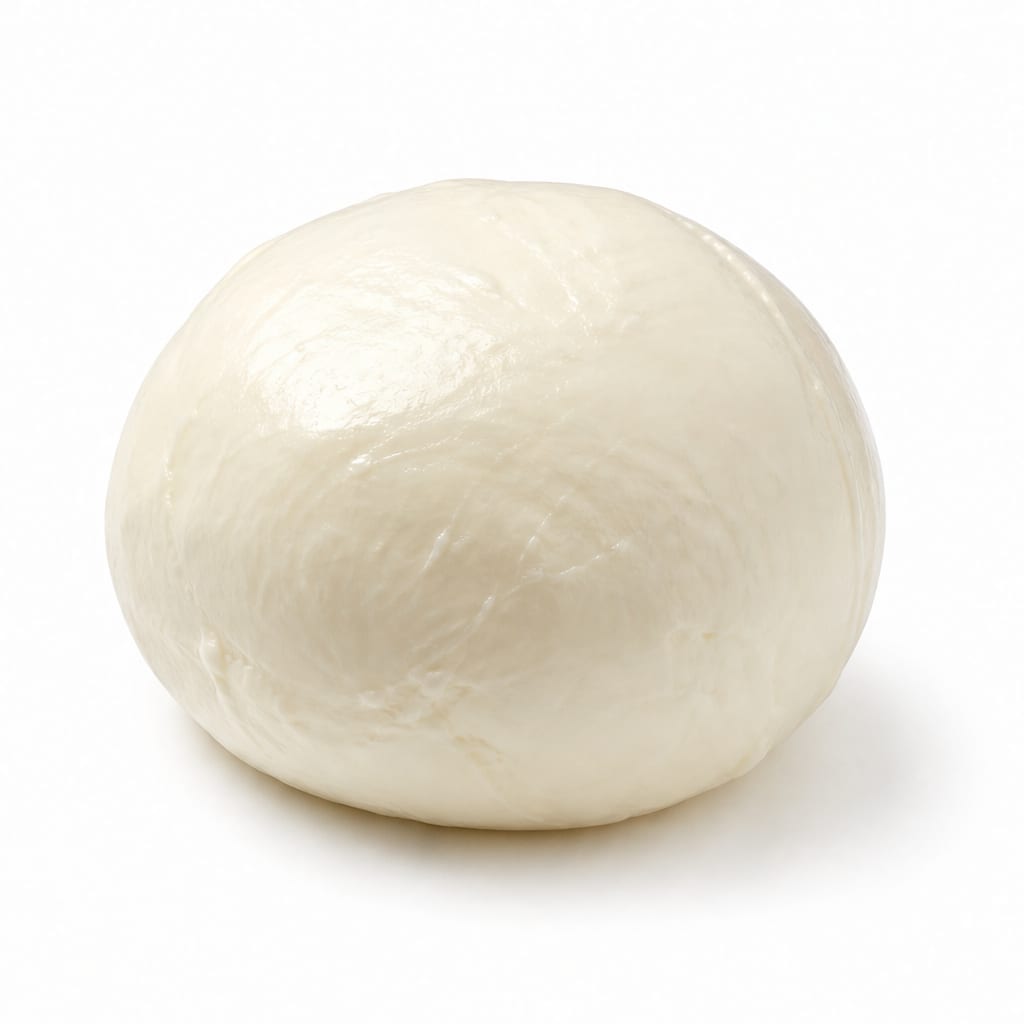
Compare with
Mozzarella
Mozzarella is lower in sodium and higher in protein; feta is lower in calories and carbs.
Mozzarella offers more protein and less sodium, while feta provides a tangier flavor with fewer calories per serving.
This food
Feta Cheese
VS70% alike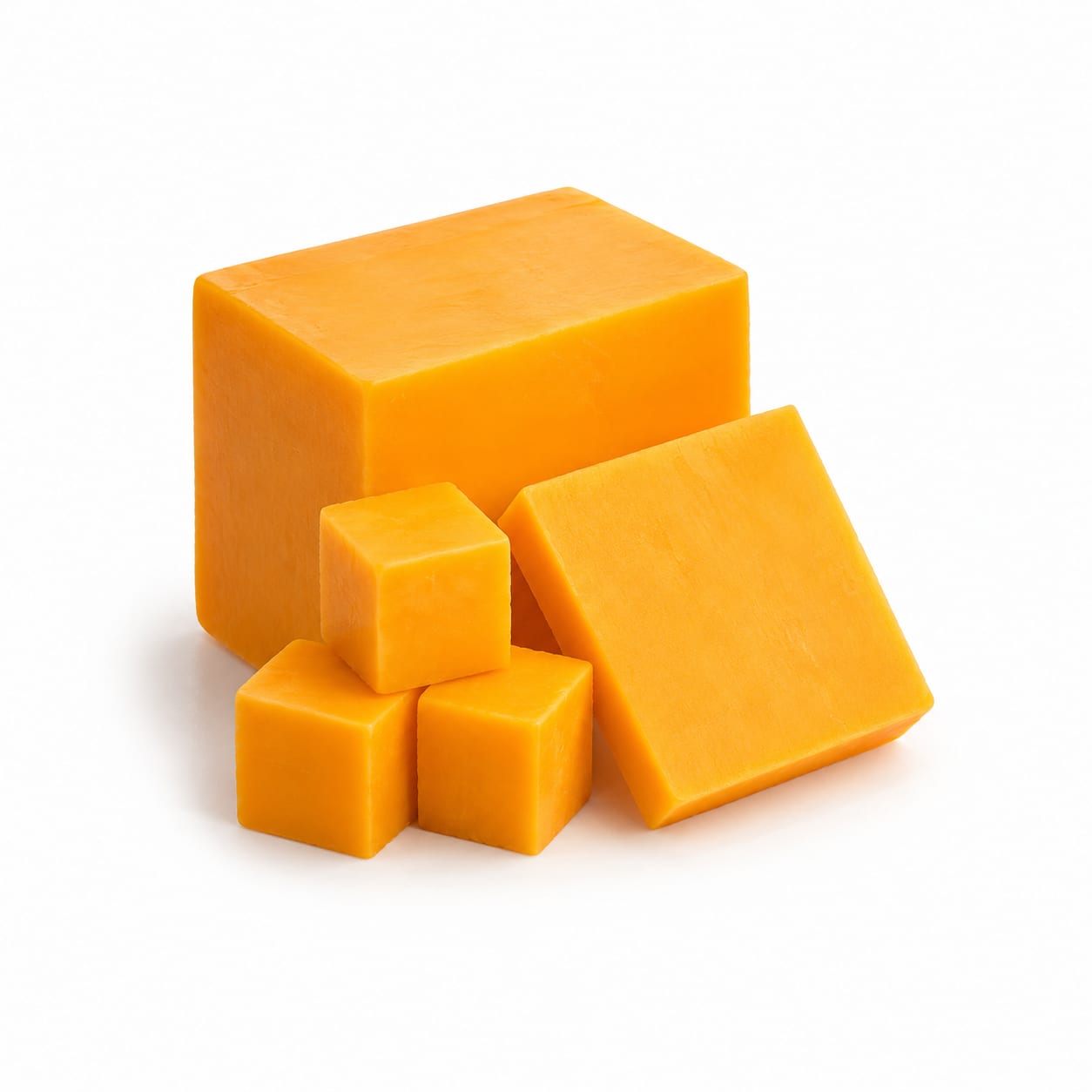
Compare with
Cheddar Cheese
Cheddar is higher in calories, protein, and fat; feta is significantly higher in sodium.
Feta is lower in calories and fat than cheddar, but cheddar is much lower in sodium and higher in protein.
This food
Feta Cheese
VS65% alike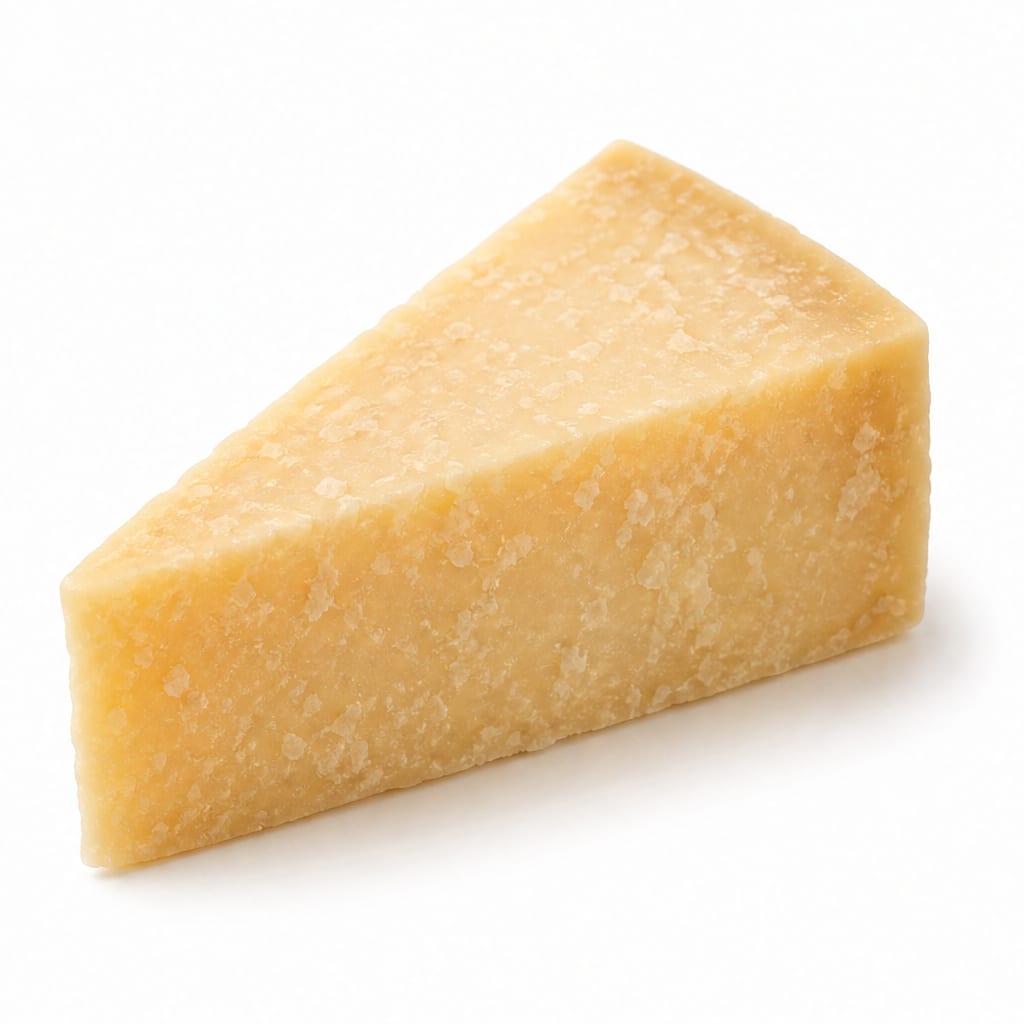
Compare with
Parmesan
Parmesan is much harder, higher in protein, and lower in moisture; feta is crumbly and brined.
Parmesan is a better protein source, while feta offers a creamier texture with fewer calories per gram.
This food
Feta Cheese
VS70% alike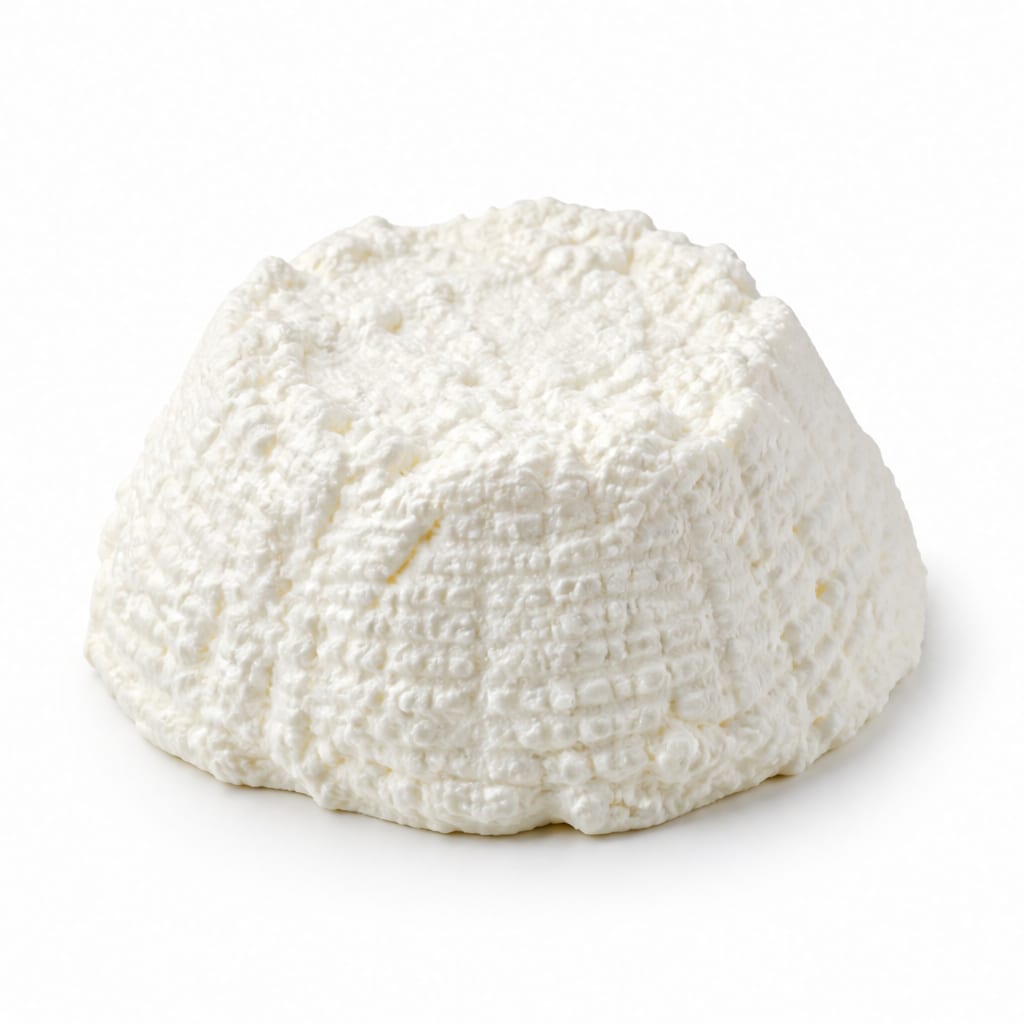
Compare with
Ricotta
Ricotta is lower in sodium and fat; feta is lower in carbs and has a much stronger flavor.
Ricotta is lower in sodium and fat, making it lighter, while feta is bolder and better for strict low-carb diets.
This food
Feta Cheese
VS85% alike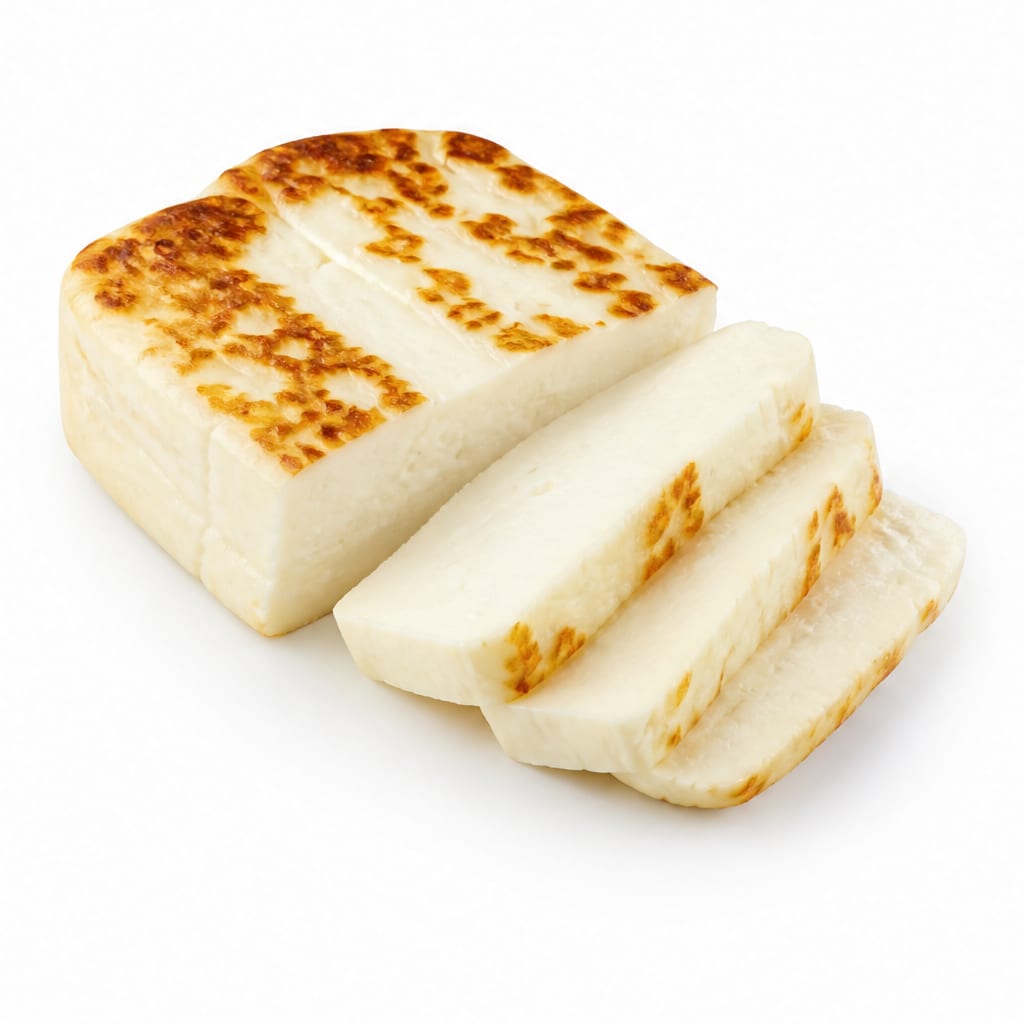
Compare with
Halloumi
Halloumi has a higher melting point for grilling; feta is crumbly and much saltier.
Halloumi is better for grilling and has a chewier texture, while feta is easier to crumble and slightly lower in fat.
This food
Feta Cheese
VS70% alike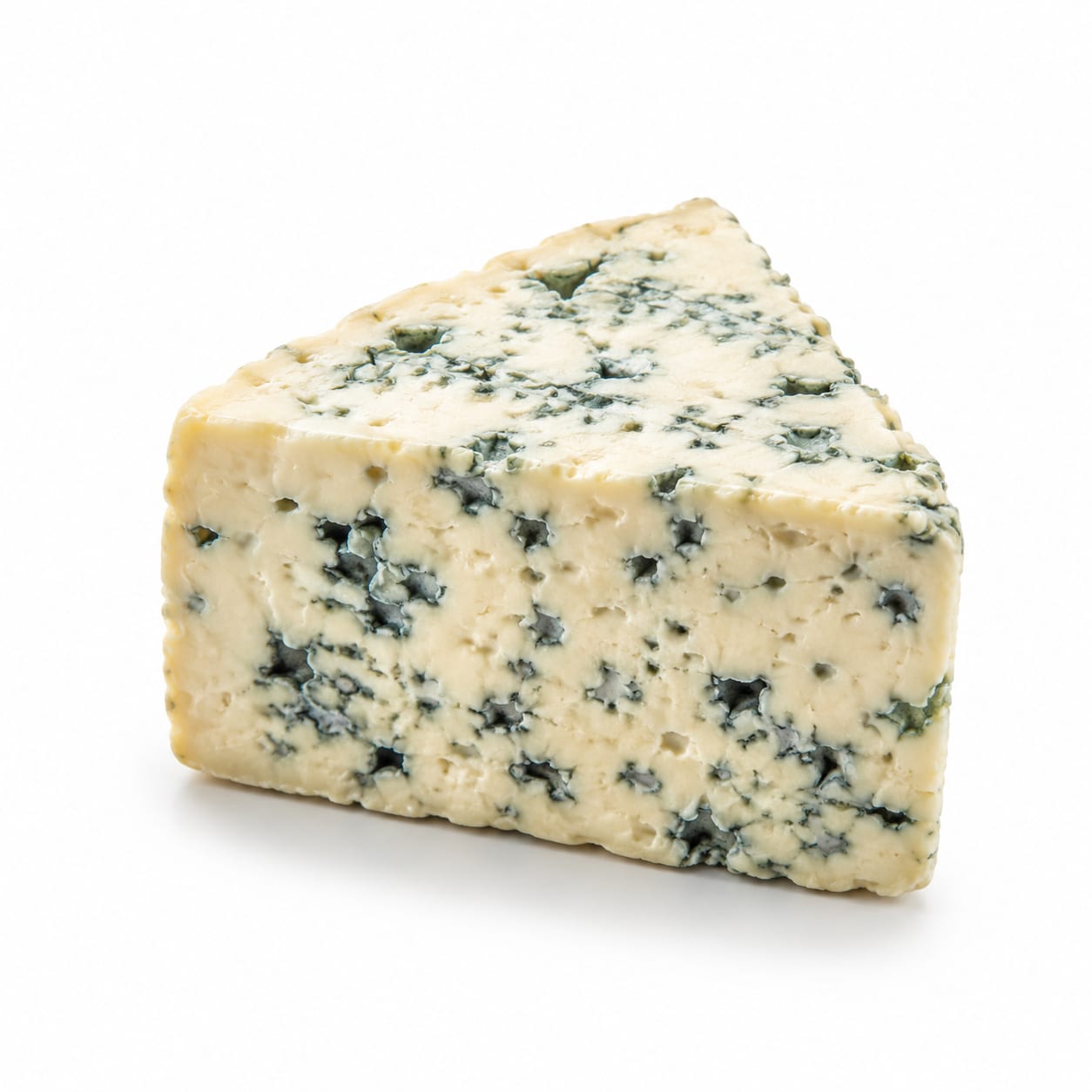
Compare with
Blue Cheese
Blue cheese is richer and mold-ripened; feta is brined and lower in calories.
Feta is lower in calories and fat than blue cheese, but both provide strong flavors that require portion control.
This food
Feta Cheese
VS65% alike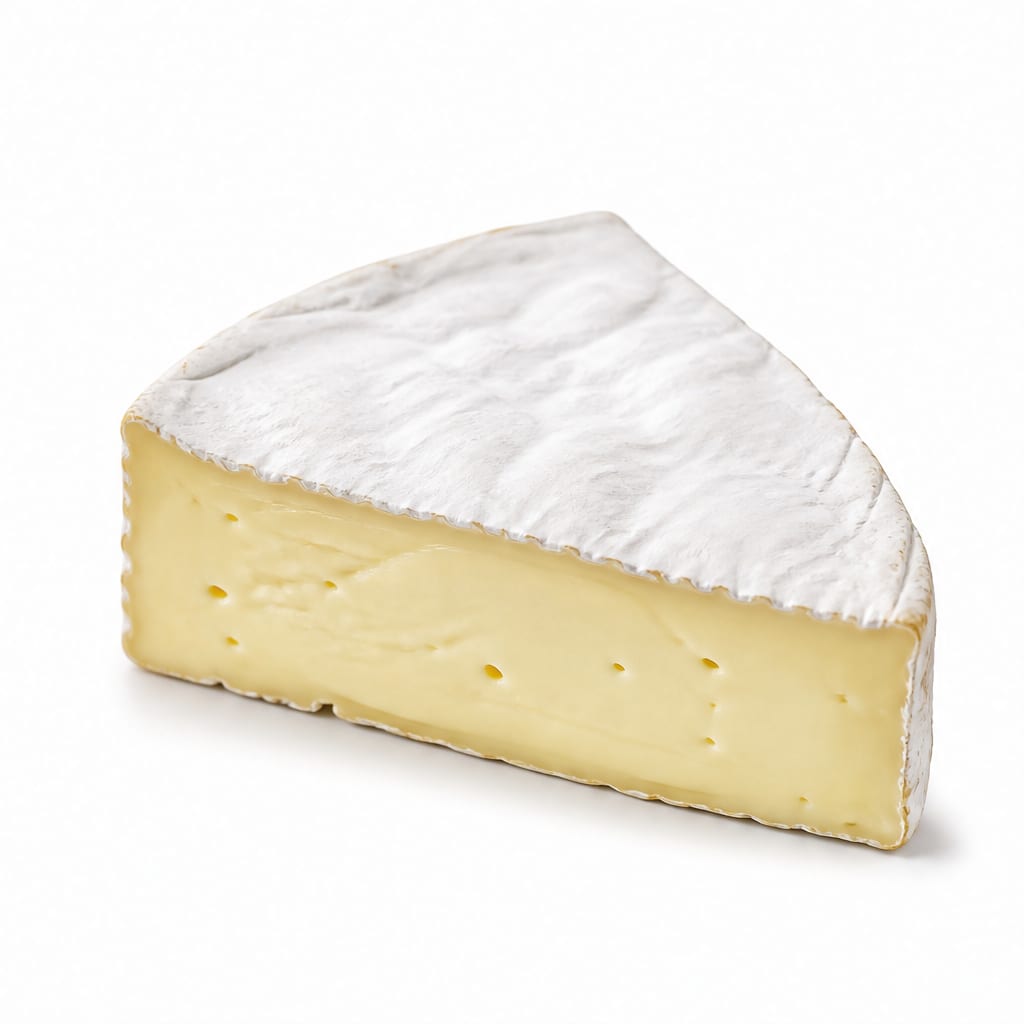
Compare with
Brie
Brie is creamier and lower in sodium; feta is crumbly and significantly lower in carbs.
Brie is much lower in sodium and softer, while feta is lower in calories and carbs, fitting better into keto diets.
This food
Feta Cheese
VS60% alike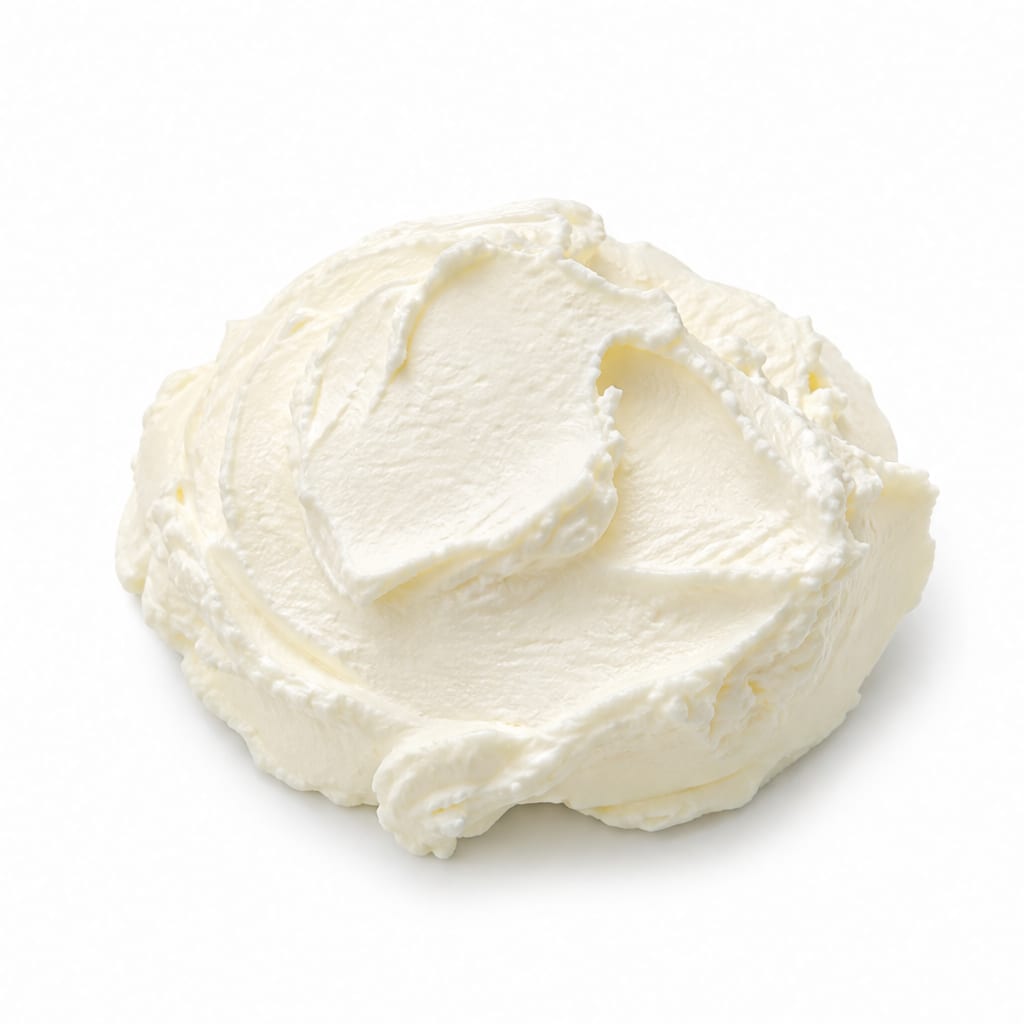
Compare with
Cream Cheese
Cream cheese is spreadable with minimal sodium; feta is crumbly, lower in fat, and higher in protein.
Feta provides more protein and less fat than cream cheese, while cream cheese offers a neutral flavor and much less sodium.
Common questions
FAQ
Answers aligned with how people search for this food.
Is feta cheese keto-friendly?
Yes, feta is low in carbs and high in fat, making it suitable for ketogenic diets when portion sizes are managed.
How much sodium is in feta cheese?
Feta is very high in sodium, containing over 1100mg per 100g due to the brining process, which is nearly half the daily recommended limit.
Can diabetics eat feta cheese?
Yes, its very low carbohydrate content means it will not spike blood sugar levels, making it a safe choice for diabetics.
Is feta cheese good for weight loss?
It can be included in moderation, but its high calorie and fat density mean it is easy to overconsume, so portion control is essential.
What is the difference between feta and goat cheese?
Traditional feta is made from sheep's milk or a sheep/goat blend and is aged in brine, while goat cheese is made purely from goat's milk and is typically softer and milder.
Can pregnant women eat feta cheese?
Pregnant women should only eat feta made from pasteurized milk to avoid listeria; always check the label to ensure it is pasteurized.
Does feta cheese have probiotics?
Yes, traditionally fermented feta contains beneficial lactic acid bacteria that can support gut health.
Is feta healthier than cheddar?
Feta has fewer calories and less fat than cheddar, but significantly more sodium. Cheddar provides more protein and calcium per serving.
Transparency
Data confidence
Estimated confidence for nutrition data, interpretation, safety notes, and comparisons.
Nutrition data
Health analysis
Food safety
Comparisons