
Nutrition comparison
Feta Cheese vs Cheddar Cheese: Nutrition, Health, and Taste Comparison
Compare Feta Cheese and Cheddar Cheese on calories, sodium, calcium, lactose, and more. Find out which cheese fits your diet and health goals better.
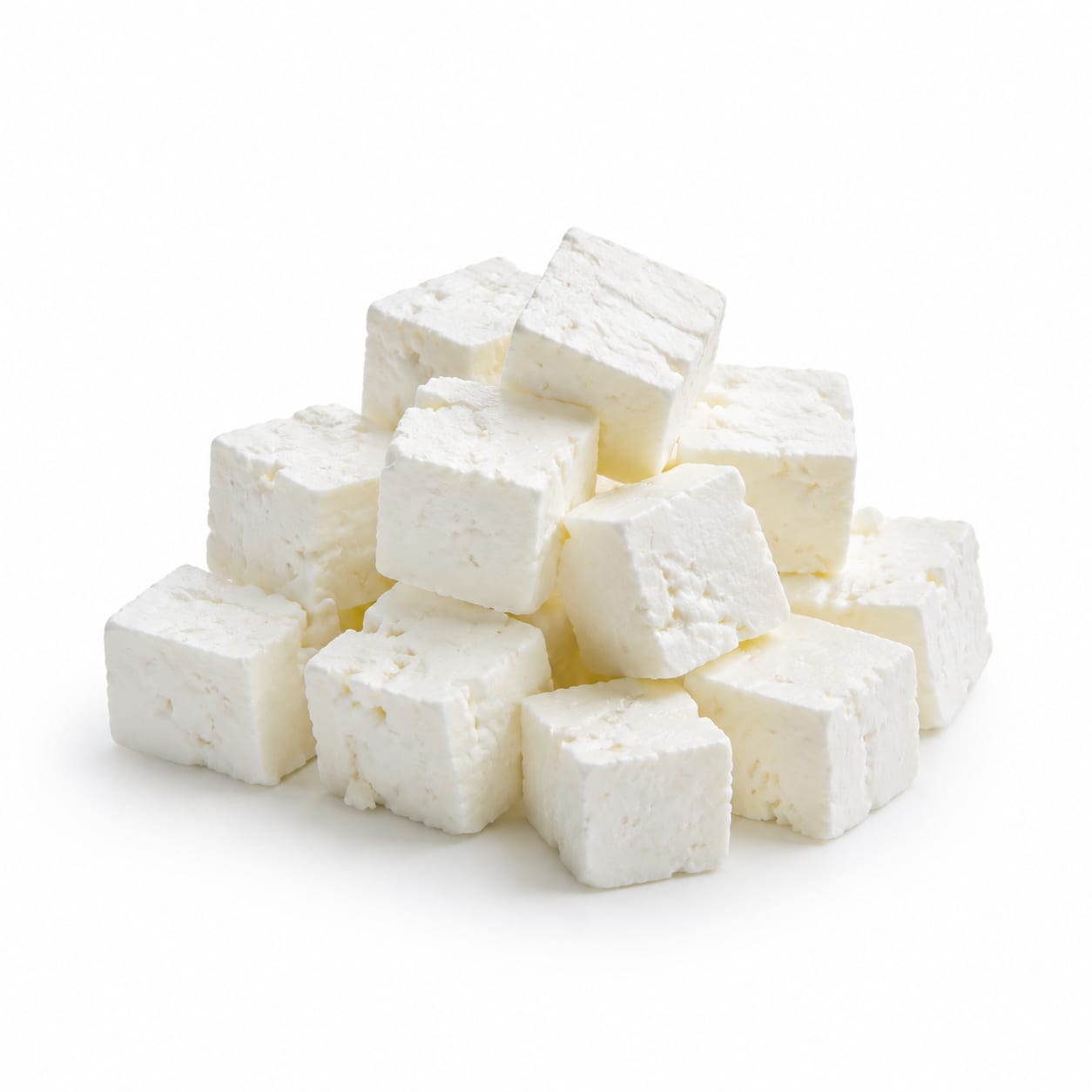
Feta Cheese
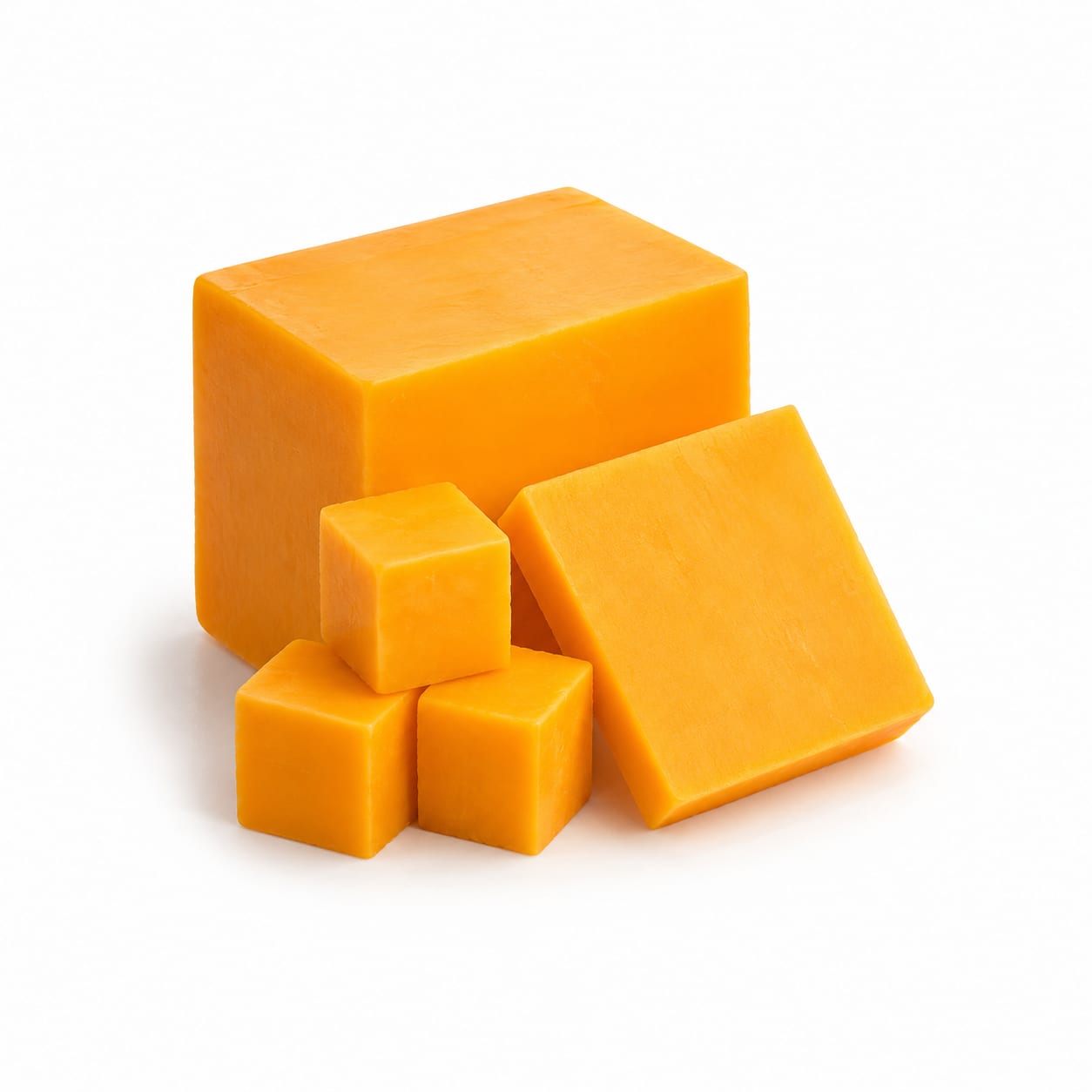
Cheddar Cheese
Cheddar wins on calcium and satiety, but Feta is lighter and easier on digestion. The sodium issue with Feta is the dealbreaker for some.
Cheddar scores moderately higher due to superior calcium, protein, and satiety benefits. Feta loses ground primarily on sodium content, which is a significant health concern for many people. Neither cheese is a health food, but Cheddar offers more nutritional upside for daily use.
Feta gives you fewer calories and less lactose but punishes you with sodium. Cheddar gives you more protein and calcium but packs more calories per bite.
At a glance
Executive summary
Overall
It depends
Healthier
It depends
More practical
Cheddar Cheese
Daily use
Cheddar Cheese
Key comparison lenses
Sodium load and blood pressure impact
Feta is brined and extremely high in sodium, which is the single biggest health differentiator between these two cheeses
Calorie density and portion control
Cheddar is significantly more calorie-dense, making overeating easier and weight management harder
Bone health and calcium intake
Cheddar delivers substantially more calcium per serving, which matters for long-term bone strength
Digestive tolerance and lactose sensitivity
Feta contains less lactose due to its fermentation and brining process, making it gentler for sensitive stomachs
Satiety and meal satisfaction
Cheddar's higher fat and protein content makes it more filling, but also easier to overconsume calorically
Best choice for
Feta Cheese
- People watching calorie intake who want bold flavor in small amounts
- Those with mild lactose sensitivity
- Mediterranean diet followers
- Anyone trying to add flavor to salads without heavy richness
Cheddar Cheese
- People prioritizing bone health and calcium intake
- Those needing a filling, satisfying snack
- Keto and low-carb dieters wanting higher fat content
- Anyone meal-prepping sandwiches or cooked dishes
Least suitable for
Feta Cheese
- People with hypertension or sodium-restricted diets
- Anyone prone to water retention or bloating
- Those who struggle with portion control on salty foods
Cheddar Cheese
- People strictly managing calorie intake
- Those trying to reduce saturated fat consumption
- Anyone who finds rich foods trigger overeating
Deep comparison
Dimension by dimension
Each lens scores both foods and breaks down who each option suits.
- Dimension 1 · Priority 92Cheddar Cheese
Sodium & Blood Pressure
Feta Cheese · 25Cheddar Cheese · 60Feta is soaked in brine, delivering roughly 300-400mg more sodium per serving than Cheddar. This is the most lopsided difference between the two.
Tradeoff
That tangy, salty flavor Feta is loved for comes directly from its sodium load, which can spike blood pressure and cause water retention.
Why it matters
For anyone with hypertension, kidney issues, or sodium sensitivity, Feta can easily push daily intake past recommended limits with just a small portion.
Real-world impact
A salad with Feta can contain as much sodium as a fast-food side dish before you even add dressing.
Feta Cheese
- Hypertension patients
- People on sodium-restricted diets
Worse for
Cheddar Cheese
- People managing blood pressure
- Anyone watching sodium for kidney health
- Those prone to bloating from salt
Better for
- Dimension 2 · Priority 85Feta Cheese
Calorie Density & Weight Management
Feta Cheese · 65Cheddar Cheese · 45Feta has roughly 30-40% fewer calories per serving than Cheddar, making it easier to fit into calorie-controlled eating.
Tradeoff
Lower calorie density means Feta is less filling per serving, so you may eat more volume to feel satisfied.
Why it matters
If you track calories, Feta lets you add cheesy flavor to meals without the heavy caloric toll that Cheddar brings.
Real-world impact
A Feta-topped salad feels light and fresh. A Cheddar-topped salad feels like a meal — which is either exactly what you want or more than you planned for.
Feta Cheese
- Calorie-conscious eaters
- People who prefer lighter meals
- Anyone adding cheese as a garnish rather than a main protein
Better for
- People who find low-calorie meals unsatisfying
Worse for
Cheddar Cheese
- Those needing calorie-dense fuel
- Underweight individuals seeking easy calories
Better for
- Anyone tracking calories closely
- People who tend to overeat rich foods
Worse for
- Dimension 3 · Priority 80Cheddar Cheese
Bone Health & Calcium
Feta Cheese · 45Cheddar Cheese · 82Cheddar delivers nearly double the calcium of Feta per serving, making it a meaningfully better choice for bone support.
Tradeoff
You get more calcium with Cheddar, but you also get more saturated fat and calories alongside it.
Why it matters
Calcium from dairy is well-absorbed, and Cheddar is one of the most concentrated sources available. Feta simply cannot compete here.
Real-world impact
A couple of Cheddar slices with lunch can cover roughly 20% of daily calcium needs. Feta covers closer to 10%.
Feta Cheese
- People relying on cheese as a primary calcium source
Worse for
Cheddar Cheese
- Post-menopausal women concerned about bone density
- Teenagers building peak bone mass
- Anyone who does not consume other calcium-rich foods regularly
Better for
- Dimension 4 · Priority 75Feta Cheese
Digestive Tolerance
Feta Cheese · 75Cheddar Cheese · 55Feta has significantly less lactose than Cheddar because the brining and aging process breaks down milk sugars.
Tradeoff
While easier on digestion for lactose-sensitive people, Feta is not lactose-free and can still cause issues for highly sensitive individuals.
Why it matters
Many adults have some degree of lactose intolerance, and Feta is one of the more tolerable cheeses available.
Real-world impact
If regular cheese leaves you bloated or gassy, Feta on a salad is far less likely to cause problems than a Cheddar-based dish.
Feta Cheese
- People with mild lactose intolerance
- Anyone who experiences bloating from most dairy
Better for
Cheddar Cheese
- Lactose-sensitive individuals
- People who experience digestive discomfort from aged dairy
Worse for
- Dimension 5 · Priority 70Cheddar Cheese
Satiety & Fullness
Feta Cheese · 50Cheddar Cheese · 78Cheddar's higher fat and protein content makes it substantially more filling per serving than Feta.
Tradeoff
More satiety comes with more calories. Cheddar fills you up but can also push you past your calorie budget if portions are not managed.
Why it matters
A cheese that actually satisfies can prevent snacking later. A cheese that leaves you hungry might lead to eating more overall.
Real-world impact
A few cubes of Cheddar as an afternoon snack can hold you over until dinner. The same amount of Feta leaves you reaching for something else within an hour.
Feta Cheese
- Those who prefer grazing lightly throughout the day
Better for
- People who need snacks that actually hold them over
Worse for
Cheddar Cheese
- People using cheese as a protein-rich snack
- Anyone trying to reduce between-meal hunger
- Those doing intermittent fasting who need satisfying eating windows
Better for
- Anyone who finds rich foods trigger cravings for more rich foods
Worse for
- Dimension 6 · Priority 65Cheddar Cheese
Culinary Versatility
Feta Cheese · 55Cheddar Cheese · 80Cheddar works in far more cooking applications — melting, grilling, baking, snacking — while Feta is more niche.
Tradeoff
Feta's crumbly, briny character makes it irreplaceable in certain dishes but awkward in many others.
Why it matters
A cheese you can use in omelets, sandwiches, casseroles, and on its own is simply more practical for everyday eating.
Real-world impact
Cheddar is the Swiss army knife of cheese. Feta is a specialty tool — excellent when you need it, useless when you do not.
Feta Cheese
- Mediterranean and Middle Eastern cooking
- Cold dishes and salads
- Egg bakes and savory pastries where crumbly texture works
Better for
- Anything requiring melting
- Dishes where briny flavor would clash
Worse for
Cheddar Cheese
- Grilled cheese and melted applications
- Burgers and sandwiches
- Casseroles and baked dishes
- Standalone snacking
Better for
- Light, fresh dishes where richness would overwhelm
Worse for
Timeline
Health impact over time
Short-term
Hours to days
Feta Cheese
- Can cause noticeable water retention due to high sodium content
- Less likely to cause digestive discomfort for lactose-sensitive people
- Lighter feeling after eating compared to richer cheeses
Cheddar Cheese
- More filling and satisfying after eating
- Can feel heavy in the stomach if consumed in large amounts
- May trigger overeating due to high fat and calorie density
Long-term
Months to years
Feta Cheese
- Regular consumption without sodium awareness may contribute to elevated blood pressure over time
- Lower calcium intake if Feta is your primary cheese source
- Easier to maintain lower calorie intake long-term due to lighter profile
Cheddar Cheese
- Better long-term bone density support from consistent calcium intake
- Higher saturated fat intake may concern those with cardiovascular risk factors
- More filling nature may support weight stability by reducing overall snacking
Risk profile
Safety & processing
Both are fermented dairy products, but Feta's brining process adds significant sodium and sometimes preservatives. Traditional Feta is simply sheep's milk, rennet, and brine, but mass-market versions often include cow's milk, stabilizers, and extra salt. Cheddar is more straightforward — aged milk, cultures, rennet, and salt — with fewer additives in standard varieties.
Feta Cheese
Listeria contamination from unpasteurized Feta
mediumTraditional Feta made from raw milk carries listeria risk, especially dangerous during pregnancy. Most commercial Feta uses pasteurized milk, but always verify the label.
High sodium-related health effects
highConsistent high sodium intake from Feta can contribute to hypertension and cardiovascular strain over time, particularly if portions are not controlled.
Cheddar Cheese
Histamine intolerance reactions
mediumAged Cheddar contains high levels of histamine, which can trigger headaches, skin flushing, or digestive issues in sensitive individuals.
Saturated fat and cardiovascular concern
mediumRegular high intake of saturated fat from Cheddar may raise LDL cholesterol in susceptible individuals, though recent evidence suggests the relationship is more nuanced than once believed.
Who wins for whom
Audience fit
Same foods, different winners depending on your goal.
children
Cheddar CheeseCheddar's higher calcium supports growing bones, and kids typically prefer its mild, meltable character over Feta's salty tang.
daily consumption
Cheddar CheeseCheddar's nutritional profile — more calcium, more protein, less sodium — makes it a better everyday choice in moderate portions.
diabetes
Cheddar CheeseBoth are low in carbs, but Cheddar's higher fat and protein content provides steadier blood sugar stabilization. However, Feta's sodium can worsen hypertension, which often co-occurs with diabetes.
elderly
Cheddar CheeseCalcium and protein become critical with age, and Cheddar delivers more of both. Feta's sodium is a specific concern for older adults managing blood pressure.
muscle gain
Cheddar CheeseCheddar provides more protein per serving and pairs well with calorie-dense muscle-building meals.
weight loss
Feta CheeseFeta's lower calorie density lets you add satisfying cheese flavor to meals without the heavy caloric cost, making it easier to stay within a deficit.
Your move
Decision guide
Choose Feta Cheese
- You want bold, salty flavor with fewer calories per serving
- You have mild lactose intolerance but still want to enjoy cheese
- You eat a Mediterranean-style diet and want authentic flavors
- You use cheese primarily as a garnish rather than a main ingredient
Choose Cheddar Cheese
- You want a filling, satisfying cheese that works as a standalone snack
- Bone health and calcium intake are priorities for you
- You need a cheese that melts, grills, and works in cooked dishes
- You are on a low-carb or keto diet and want higher fat content
Either works if
- You just want a flavorful cheese in moderate amounts a few times a week
- You are not sodium-sensitive and have no specific calcium concerns
- You enjoy variety and rotate between different cheeses anyway
Avoid both if
- You have a dairy allergy — both are off the table entirely
- You are on a strict sodium-restricted diet — neither is ideal, but Feta is worse
- You are trying to significantly reduce saturated fat intake
Final recommendation
For most people eating cheese a few times a week, Cheddar is the more practical and nutritionally useful choice — more calcium, more protein, less sodium, and more versatile in the kitchen. Choose Feta when you specifically want its crumbly, briny character in a salad or Mediterranean dish, or when you need fewer calories and less lactose. Just keep an eye on Feta's sodium, and keep an eye on Cheddar's calories. Neither is a free pass, but both can fit in a balanced diet.
Practical
Consumer tips
- 1
Rinse Feta briefly under cold water before eating to reduce surface sodium by up to 25%
- 2
Pre-portion Cheddar into 1-ounce slices to avoid accidentally eating 3-4 ounces in one sitting
- 3
Look for Feta labeled 'reduced sodium' if you love the flavor but need to watch salt intake
- 4
Choose aged Cheddar for more flavor intensity per gram — you will naturally use less
- 5
Traditional Greek Feta made from sheep's milk has a richer nutrient profile than mass-market cow's milk versions
- 6
Pair either cheese with vegetables or whole grains rather than crackers to improve the overall nutritional quality of your snack