
Nutrition comparison
Feta Cheese vs Blue Cheese: Nutrition, Health Impact, and Which to Choose
Compare Feta Cheese and Blue Cheese on calories, sodium, fat, probiotics, and flavor. Find out which cheese fits your diet, health goals, and cooking style better.
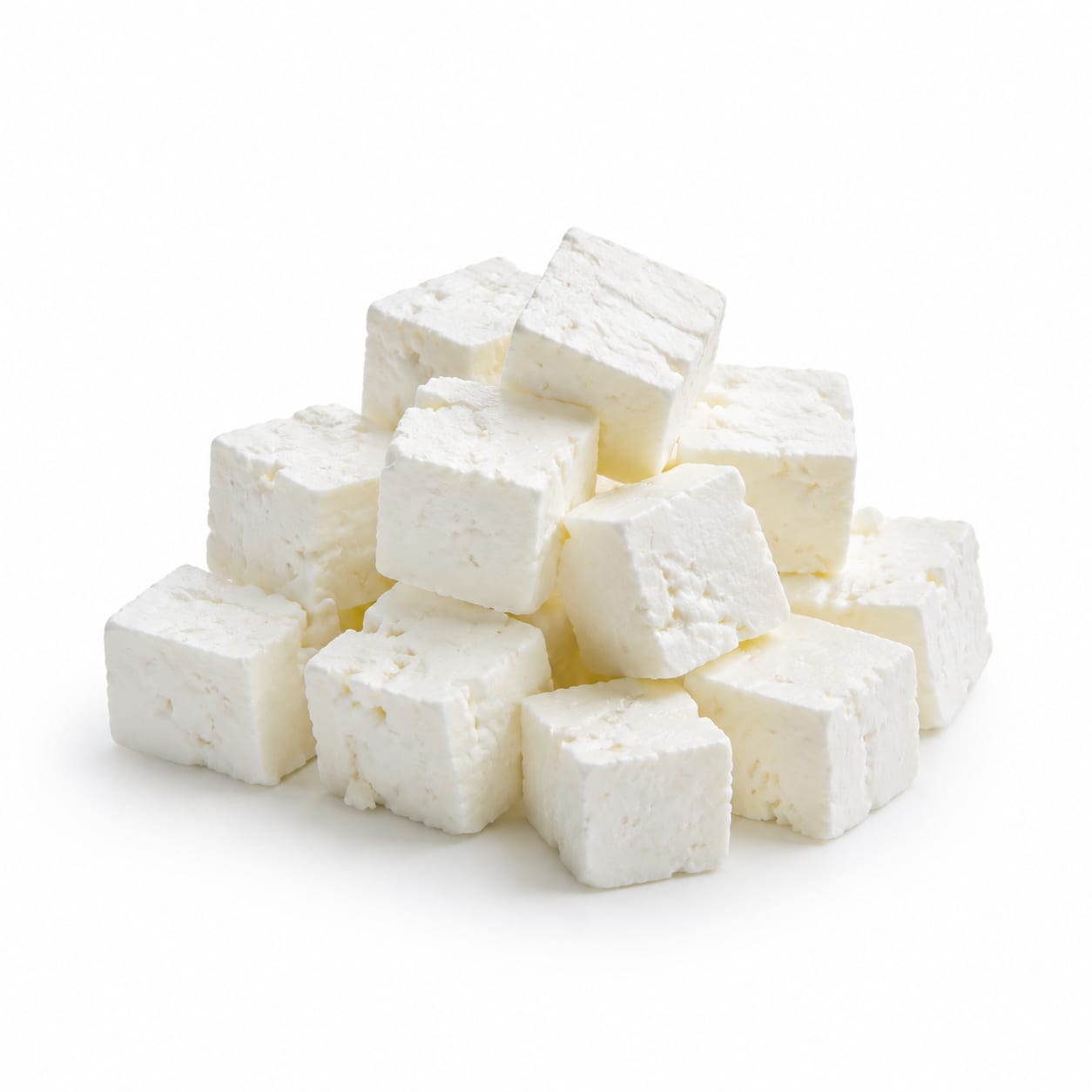
Feta Cheese
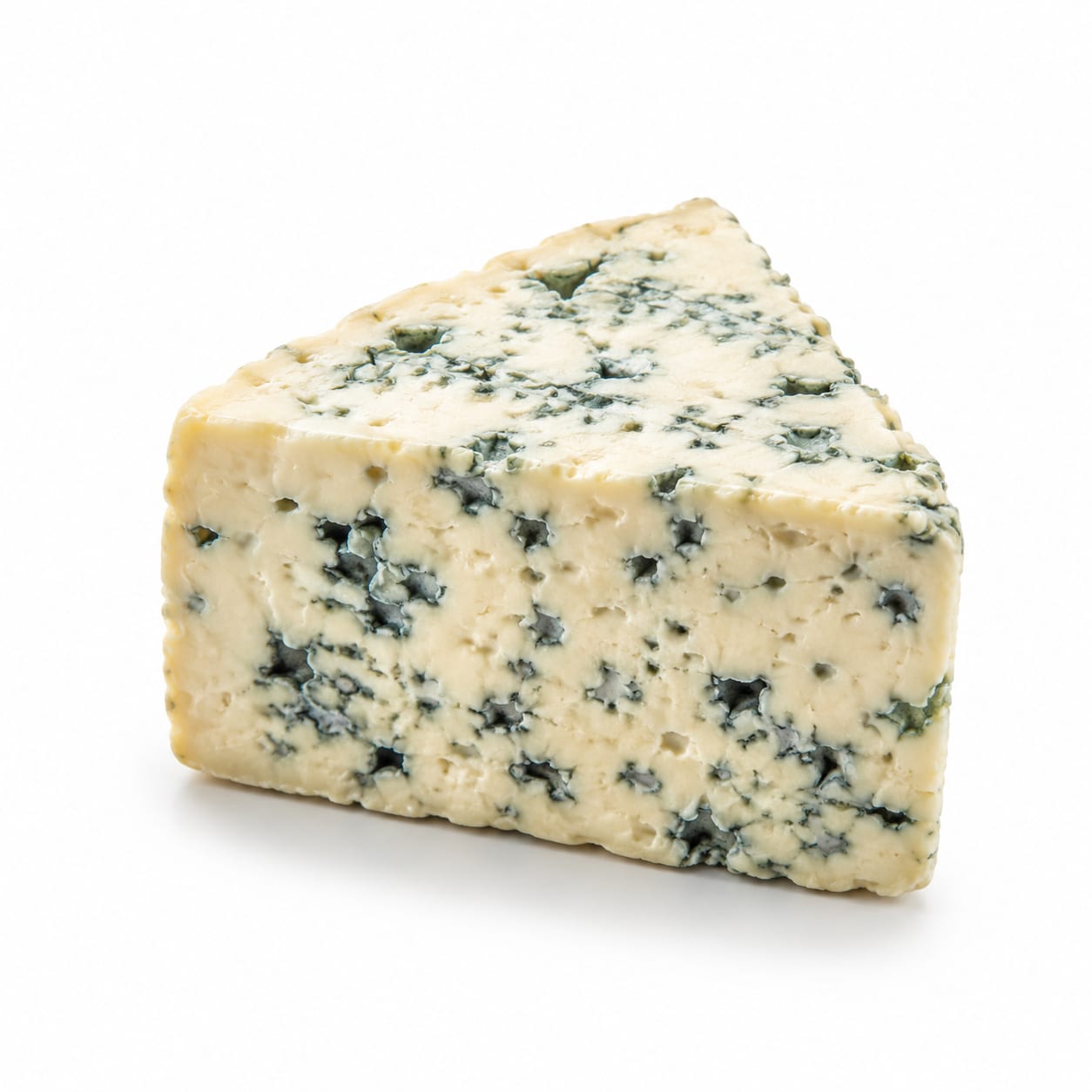
Blue Cheese
Feta Cheese is lighter and more versatile for daily use, while Blue Cheese delivers bolder flavor with unique mold-derived benefits but at a higher calorie cost.
Feta Cheese scores higher primarily due to lower calorie density and broader daily usability. Blue Cheese loses ground on fat content and narrower culinary appeal but remains valuable for its unique bioactive compounds and flavor efficiency.
Feta gives you fewer calories and easier portion control; Blue Cheese gives you more intense flavor and anti-inflammatory compounds from its mold, but packs more fat per bite.
At a glance
Executive summary
Overall
It depends
Healthier
Feta Cheese
More practical
Feta Cheese
Daily use
Feta Cheese
Key comparison lenses
sodium and heart health
Both cheeses are high in sodium, making cardiovascular impact the top concern for most users
calorie and fat comparison
Significant difference in calorie density and fat content affects weight management decisions
flavor intensity and portion control
Blue Cheese's strong flavor naturally limits portions while Feta's milder taste can lead to overeating
probiotic and gut benefits
Both offer fermentation benefits but through different microbial pathways
culinary versatility
Users often choose between these for salads, cooking, and cheese boards
Best choice for
Feta Cheese
- Mediterranean-style meals and salads
- Weight-conscious cheese lovers
- Daily cheese consumption without heavy calorie load
- People watching saturated fat intake
- Light summer dishes and wraps
Blue Cheese
- Cheese boards and entertaining
- Bold flavor with small portions
- Cooking rich sauces and dressings
- People seeking anti-inflammatory food compounds
- Burgers and steak toppings
Least suitable for
Feta Cheese
- Those needing bold flavor impact in small amounts
- Rich, indulgent recipes requiring intense cheese character
- People avoiding brined or high-sodium foods
Blue Cheese
- Daily cheese eaters watching calories
- Mild-palate diners or children
- People sensitive to strong flavors or mold
- Low-sodium diets
Deep comparison
Dimension by dimension
Each lens scores both foods and breaks down who each option suits.
- Dimension 1 · Priority 92It depends
sodium_load
Feta Cheese · 35Blue Cheese · 38Both are sodium-heavy cheeses. Feta is brined, pushing it to roughly 313mg per ounce. Blue Cheese sits slightly higher around 325-395mg per ounce depending on variety.
Tradeoff
Neither is a low-sodium winner. Feta is marginally less salty, but the difference is not meaningful enough to matter for strict low-sodium diets.
Why it matters
If you have hypertension or are sodium-sensitive, both cheeses require careful portioning. This is the shared Achilles' heel.
Real-world impact
Adding either cheese to an already salty meal like a restaurant salad can easily push you past 800mg sodium in a single dish.
Feta Cheese
- Marginally lower sodium per serving
- Easier to rinse to reduce surface salt
Better for
- Brining means salt penetrates the entire cheese, not just the surface
Worse for
Blue Cheese
- Not applicable — Blue Cheese is slightly higher in sodium
Better for
- Highest sodium among common cheeses
- Cannot rinse off the salt
Worse for
- Dimension 2 · Priority 88Feta Cheese
calorie_density_and_weight_management
Feta Cheese · 72Blue Cheese · 48Feta delivers roughly 70-75 calories per ounce compared to Blue Cheese's 100-110 calories per ounce. That 30-40% calorie difference adds up fast.
Tradeoff
Feta lets you use more volume for fewer calories. Blue Cheese demands discipline — a little goes a long way flavor-wise, but calorie density works against you if you overpour.
Why it matters
For anyone tracking calories or trying to lose weight, Feta is the clearly safer everyday choice.
Real-world impact
Crumbling 2 ounces of Feta on a salad adds about 150 calories. The same amount of Blue Cheese adds 200-220 calories — a meaningful gap if you eat salads daily.
Feta Cheese
- 30-40% fewer calories per ounce
- Lower total fat and saturated fat
- Easier to include in calorie-controlled meals
Better for
- Milder flavor can lead to using larger portions to get satisfaction
Worse for
Blue Cheese
- Stronger flavor means you may naturally use less
Better for
- High calorie density makes overeating riskier
- More saturated fat per serving
Worse for
- Dimension 3 · Priority 78Blue Cheese
probiotic_and_bioactive_compounds
Feta Cheese · 62Blue Cheese · 78Both are fermented, but Blue Cheese's Penicillium roqueforti mold produces unique anti-inflammatory and antimicrobial compounds not found in Feta.
Tradeoff
Feta offers traditional lactic acid bacteria probiotics from its brine fermentation. Blue Cheese goes further with mold-derived compounds that may reduce inflammation and improve gut diversity.
Why it matters
If you eat cheese partly for gut health benefits, Blue Cheese offers a broader spectrum of bioactive compounds.
Real-world impact
Regular moderate consumption of Blue Cheese has been associated with anti-inflammatory effects in emerging research, though you would need to eat it consistently in small amounts.
Feta Cheese
- Contains beneficial lactic acid bacteria
- Brining may preserve some probiotic activity
Better for
- Lacks the mold-derived bioactive compounds found in blue-veined cheeses
Worse for
Blue Cheese
- Penicillium roqueforti produces unique anti-inflammatory compounds
- Broader microbial diversity from mold fermentation
- Emerging evidence of cardiovascular-protective peptides
Better for
- Mold can cause digestive discomfort in sensitive individuals
Worse for
- Dimension 4 · Priority 85Blue Cheese
flavor_efficiency_and_portion_control
Feta Cheese · 55Blue Cheese · 82Blue Cheese delivers far more flavor per gram, which naturally encourages smaller portions. Feta's milder taste often leads to heavier handfuls.
Tradeoff
If you have strong portion discipline, Feta's lighter taste is fine. If you rely on flavor intensity to feel satisfied with less, Blue Cheese is surprisingly the better tool.
Why it matters
Many people overeat mild cheeses because they keep adding more to taste them. Strong cheeses self-regulate portions through flavor saturation.
Real-world impact
A single crumble of Blue Cheese on a burger satisfies the cheese craving. Feta often requires a generous crumbling to feel like you had cheese at all.
Feta Cheese
- Pleasing to a wider range of palates
- Does not overpower other ingredients
Better for
- Milder flavor can lead to larger portions to achieve satisfaction
Worse for
Blue Cheese
- Intense flavor naturally limits overeating
- A small amount transforms a dish
- More satisfying per bite for cheese lovers
Better for
- Flavor can dominate dishes if overused
- Not suitable for people who dislike strong cheese
Worse for
- Dimension 5 · Priority 75Blue Cheese
satiety_and_satisfaction
Feta Cheese · 60Blue Cheese · 74Blue Cheese's higher fat content and intense flavor create stronger satiety signals per bite. Feta is lighter but less filling.
Tradeoff
Feta feels refreshing and light, which is great for warm-weather meals. Blue Cheese feels rich and satisfying, which works better for curbing cravings.
Why it matters
If you eat cheese as a snack or craving-killer, Blue Cheese shuts down hunger faster. If you want a light meal addition, Feta keeps things breezy.
Real-world impact
A few cubes of Blue Cheese with crackers can end a snack attack. The same amount of Feta might leave you reaching for more food.
Feta Cheese
- Lighter mouthfeel suits salads and warm-weather eating
- Less likely to feel heavy after meals
Better for
- Lower fat means less satiety per calorie
Worse for
Blue Cheese
- Higher fat content triggers stronger fullness signals
- Intense flavor provides psychological satisfaction
- Better at stopping cravings with small amounts
Better for
- Richness can feel heavy in large amounts
Worse for
- Dimension 6 · Priority 72Feta Cheese
culinary_versatility
Feta Cheese · 82Blue Cheese · 62Feta works in salads, wraps, baked dishes, eggs, pasta, and Mediterranean recipes. Blue Cheese has a narrower range — it excels where its bold flavor is the star.
Tradeoff
Feta is a team player that enhances without dominating. Blue Cheese is a soloist that needs the right stage.
Why it matters
If you want one cheese for everything in your fridge, Feta is the more flexible daily driver.
Real-world impact
Feta crumbles into a lunch salad, melts into an omelet, and tops a flatbread equally well. Blue Cheese limits you to specific flavor pairings.
Feta Cheese
- Works in Mediterranean, Middle Eastern, and American dishes
- Mild flavor complements rather than dominates
- Crumbles easily for even distribution
Better for
- Cannot deliver the bold punch some dishes need
Worse for
Blue Cheese
- Unmatched in dressings, sauces, and burger toppings
- Creates signature flavor in specific recipes
Better for
- Overpowers delicate ingredients
- Limited cuisine compatibility
- Does not work in most Mediterranean or light recipes
Worse for
- Dimension 7 · Priority 80Feta Cheese
heart_health_impact
Feta Cheese · 52Blue Cheese · 42Neither cheese is heart-healthy by default, but Feta's lower saturated fat and calorie load makes it the lesser concern for cardiovascular risk.
Tradeoff
Blue Cheese's anti-inflammatory compounds offer some protective potential, but its higher saturated fat content works against heart health in practice.
Why it matters
If heart disease risk is a concern, both should be limited, but Feta allows more frequent moderate use with less lipid impact.
Real-world impact
Replacing Blue Cheese with Feta on your weekly salads could save you 3-5g of saturated fat per week — a small but meaningful reduction over months.
Feta Cheese
- Lower saturated fat per serving
- Fewer total calories reduces overall dietary burden
- Traditional Mediterranean diets include Feta with good heart outcomes
Better for
- Still a high-sodium cheese that raises blood pressure concerns
Worse for
Blue Cheese
- Anti-inflammatory compounds may partially offset fat concerns
Better for
- Higher saturated fat content
- More calories contribute to weight gain risk
- Both sodium and fat concerns compound cardiovascular risk
Worse for
Timeline
Health impact over time
Short-term
Hours to days
Feta Cheese
- Mild satiety from protein and fat without feeling heavy
- Sodium may cause temporary water retention
- Generally easy on digestion for most people
Blue Cheese
- Stronger satiety from higher fat content
- Sodium load may trigger thirst and bloating
- Mold can cause mild digestive discomfort in sensitive individuals
Long-term
Months to years
Feta Cheese
- Moderate consumption fits well within Mediterranean dietary patterns associated with longevity
- Consistent sodium intake requires monitoring for blood pressure
- Lower calorie burden supports weight maintenance
Blue Cheese
- Anti-inflammatory compounds from Penicillium mold may offer protective benefits with regular small consumption
- Higher saturated fat intake is a concern if eaten frequently
- Stronger flavor may help maintain portion discipline long-term
Risk profile
Safety & processing
Both are traditionally fermented cheeses with minimal modern additives. Feta's brining is an ancient preservation method. Blue Cheese's mold inoculation is a natural fermentation process. Neither raises significant ultra-processing concerns when you choose quality versions.
Feta Cheese
Listeria contamination
mediumFeta is sometimes made from unpasteurized milk, which carries listeria risk. Pregnant women should verify pasteurization.
High sodium health effects
mediumConsistent high sodium intake from brined cheese contributes to hypertension over time.
Blue Cheese
Mold sensitivity reactions
lowThe Penicillium mold is safe for most people but can cause digestive upset or allergic reactions in sensitive individuals.
Listeria contamination
mediumSimilar to Feta, unpasteurized Blue Cheese carries listeria risk. Pregnant women and immunocompromised individuals should avoid raw-milk versions.
Histamine intolerance
lowAged cheeses like Blue Cheese are high in histamine, which can trigger headaches or digestive issues in histamine-sensitive people.
Who wins for whom
Audience fit
Same foods, different winners depending on your goal.
children
Feta CheeseFeta's milder flavor and softer texture are more kid-friendly. Blue Cheese's strong taste and mold content are often rejected by children.
daily consumption
Feta CheeseFeta's lighter profile and culinary versatility make it more sustainable as an everyday cheese without accumulating excessive calories or fat.
diabetes
Feta CheeseBoth have minimal carbohydrate impact, but Feta's lower calorie and fat content makes it easier to manage alongside weight control, which is critical for diabetes.
elderly
Feta CheeseFeta is easier to digest, lower in saturated fat, and fits into heart-conscious eating patterns more easily for older adults managing blood pressure.
muscle gain
Blue CheeseBlue Cheese offers slightly more protein and calories per ounce, supporting the higher caloric needs of muscle building.
weight loss
Feta CheeseFeta's lower calorie density makes it easier to include in a calorie deficit without sacrificing cheese satisfaction.
Your move
Decision guide
Choose Feta Cheese
- You want a lighter cheese for daily salads and meals
- Calorie and fat intake matter more than bold flavor
- You cook Mediterranean-style dishes regularly
- You need a cheese that pleases most palates at gatherings
- You are watching your saturated fat or overall calorie intake
Choose Blue Cheese
- You crave intense cheese flavor and satisfaction in small amounts
- You are building a cheese board or entertaining
- You want anti-inflammatory benefits from fermented mold compounds
- You are cooking rich dishes like steaks, burgers, or creamy dressings
- You naturally stop eating after a small amount of strong cheese
Either works if
- You just need a cheese topping and both are available
- You are not sodium-sensitive and eat cheese in moderation
- You want fermented dairy benefits without a specific health condition driving the choice
Avoid both if
- You are on a strict low-sodium diet for hypertension or kidney disease
- You are lactose intolerant and cannot tolerate any cheese
- You are pregnant and cannot verify pasteurization
- You are following a dairy-free or vegan diet
Final recommendation
Keep Feta Cheese as your everyday fridge staple for its lighter calorie load and versatility. Add Blue Cheese as an occasional flavor weapon when you want maximum impact from minimum quantity. Both are high in sodium, so neither should be your primary protein source — think of them as flavor tools, not fuel.
Practical
Consumer tips
- 1
Rinsing Feta under cold water for a few seconds removes surface brine and reduces sodium by roughly 20-30%
- 2
Buy Blue Cheese in small wedges rather than pre-crumbled — the flavor holds better and you will naturally use less
- 3
Look for Feta labeled 'PDO' from Greece for the most authentic and typically higher-quality product
- 4
Freeze Blue Cheese crumbles for cooking — texture changes but flavor holds, and it prevents waste
- 5
If watching sodium, pair either cheese with potassium-rich foods like tomatoes, spinach, or avocado to help balance the load
- 6
Avoid pre-crumbled Feta in favor of block form — it retains more moisture and flavor with less surface salt exposure