
Nutrition comparison
Feta Cheese vs Cream Cheese: Nutrition, Calories, and Health Comparison
Compare Feta Cheese vs Cream Cheese to see which is healthier. Discover the differences in calories, protein, sodium, and best uses for your diet.
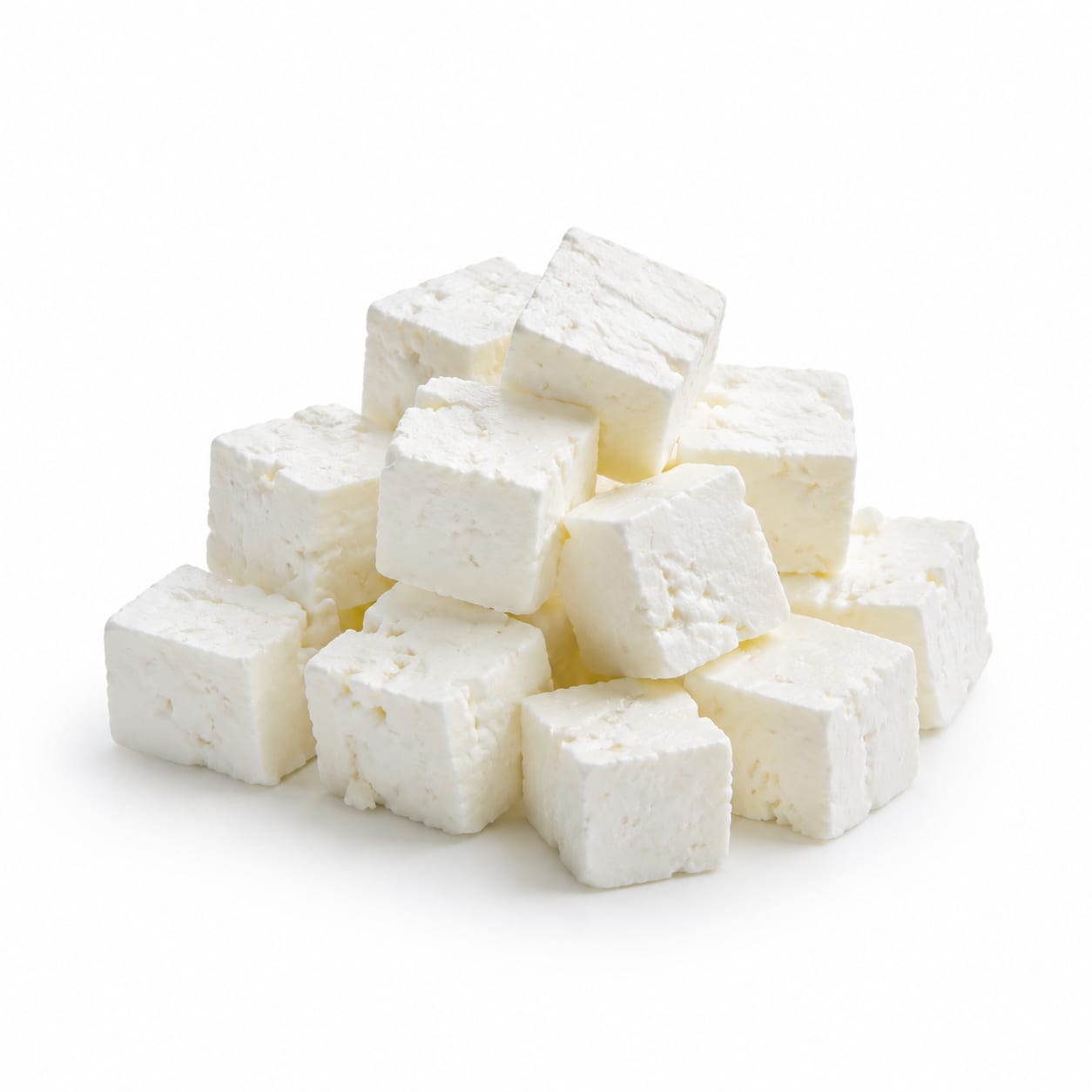
Feta Cheese
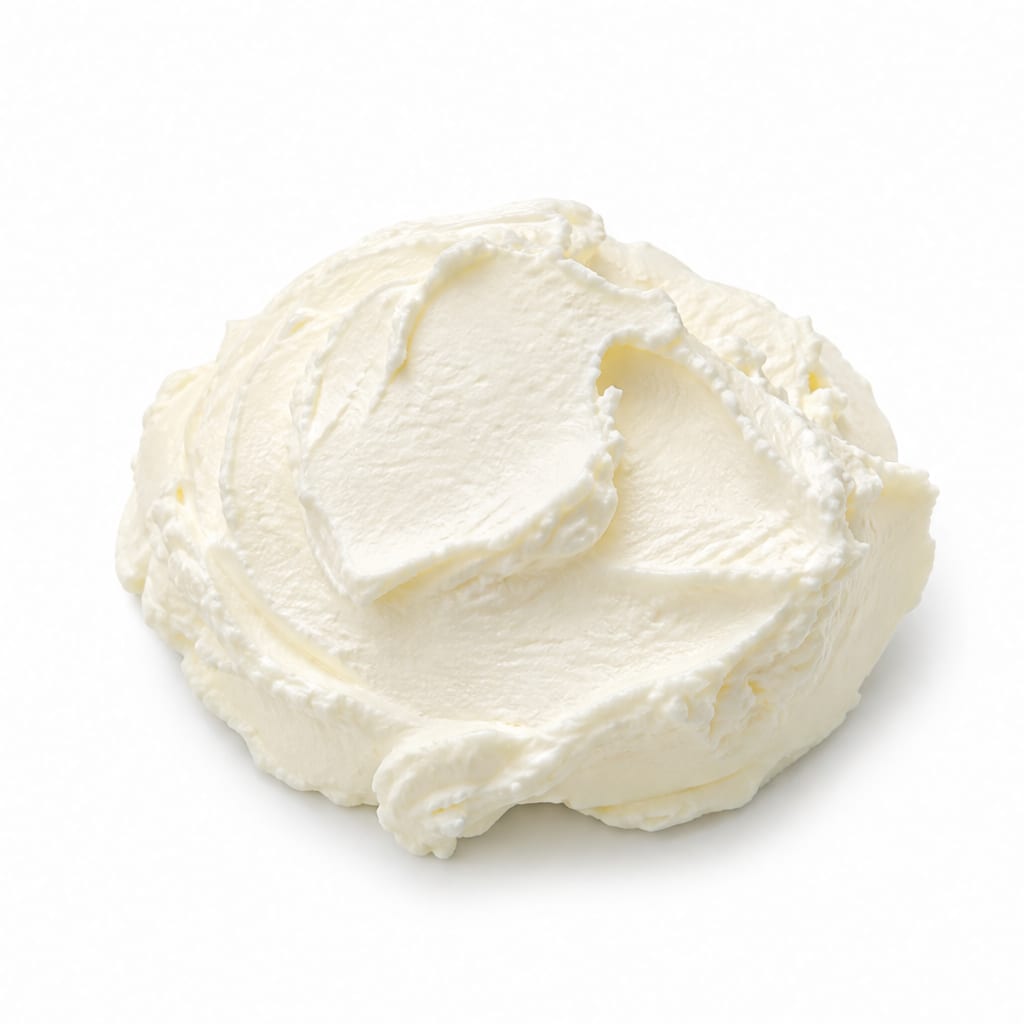
Cream Cheese
Feta Cheese offers more protein and a bolder flavor with fewer calories, while Cream Cheese provides a richer, lower-sodium spread but with more fat and less nutritional value.
Feta Cheese scores higher due to its better protein-to-calorie ratio and richer micronutrient profile, though Cream Cheese wins on sodium and spreadability.
Protein and lower calories versus lower sodium and spreadable creaminess.
At a glance
Executive summary
Overall
It depends
Healthier
Feta Cheese
More practical
Cream Cheese
Daily use
Feta Cheese
Key comparison lenses
Weight management and calorie density
Cream Cheese is highly calorie-dense from fat, while Feta Cheese offers a lighter option for daily meals.
Sodium intake and heart health
Feta Cheese is stored in brine and very high in sodium, whereas Cream Cheese is surprisingly low in salt.
Protein content and satiety
Users often assume all cheeses are equal in protein, but Feta Cheese provides significantly more protein per calorie.
Culinary use and spreadability
Cream Cheese is a staple spread, while Feta Cheese serves as a crumbled topping, changing how they are consumed.
Best choice for
Feta Cheese
- Salad lovers looking for bold flavor
- People watching their calorie intake
- Those needing more protein to stay full
Cream Cheese
- Bagel enthusiasts wanting a smooth spread
- Bakers making cheesecakes or frosting
- Those on low-sodium diets needing a mild fat source
Least suitable for
Feta Cheese
- People with severe hypertension
- Those strictly limiting sodium
Cream Cheese
- Strict calorie counters
- People seeking high-protein foods
Deep comparison
Dimension by dimension
Each lens scores both foods and breaks down who each option suits.
- Dimension 1 · Priority 90Feta Cheese
Calorie Density & Weight Management
Feta Cheese · 75Cream Cheese · 40Feta Cheese is significantly lower in calories per serving than Cream Cheese.
Tradeoff
You get fewer calories with Feta Cheese, but Cream Cheese offers a richer mouthfeel that might satisfy cravings faster in small amounts.
Why it matters
Managing calorie density helps with weight maintenance without feeling deprived.
Real-world impact
Choosing Feta Cheese on a salad keeps the meal light, whereas a bagel with Cream Cheese can quickly become a high-calorie breakfast.
Feta Cheese
- Weight loss diets
- Light meals
Better for
- Those wanting rich, satisfying spreads
Worse for
Cream Cheese
- Keto diets
- High-calorie needs
Better for
- Calorie-restricted diets
Worse for
- Dimension 2 · Priority 85Cream Cheese
Sodium & Heart Health
Feta Cheese · 30Cream Cheese · 70Feta Cheese is packed with sodium due to its brine curing, while Cream Cheese is comparatively low in sodium.
Tradeoff
Feta Cheese delivers a punchy flavor without needing added salt, but its baseline sodium is very high. Cream Cheese is milder but much gentler on blood pressure.
Why it matters
High sodium intake is a leading driver of hypertension and bloating.
Real-world impact
Eating Feta Cheese multiple times a day can easily push you over your daily sodium limit, while Cream Cheese is safer for heart-healthy routines.
Feta Cheese
- Flavor without adding extra salt at the table
Better for
- People watching blood pressure
Worse for
Cream Cheese
- Low-sodium diets
- Hypertension management
Better for
- Those who need bold, salty flavors
Worse for
- Dimension 3 · Priority 80Feta Cheese
Protein & Satiety
Feta Cheese · 70Cream Cheese · 35Feta Cheese provides a decent amount of protein, while Cream Cheese is mostly fat with minimal protein.
Tradeoff
Feta Cheese keeps you fuller for longer, but Cream Cheese feels more indulgent immediately.
Why it matters
Protein is essential for maintaining muscle and preventing energy crashes.
Real-world impact
A meal with Feta Cheese will stave off hunger until the next meal, whereas Cream Cheese alone might leave you snacking again soon.
Feta Cheese
- Satiety
- Muscle maintenance
Better for
- Those who prefer sweet, rich flavors over savory
Worse for
Cream Cheese
- Quick energy from fat
Better for
- High-protein diet followers
Worse for
- Dimension 4 · Priority 75It depends
Culinary Versatility & Convenience
Feta Cheese · 65Cream Cheese · 75Cream Cheese excels as a spread and dessert ingredient, while Feta Cheese shines in savory Mediterranean dishes.
Tradeoff
Cream Cheese is easier to spread and blend, but Feta Cheese adds a distinct tang that elevates salads and roasted dishes.
Why it matters
Practicality often dictates what you actually reach for in the fridge.
Real-world impact
Cream Cheese is the go-to for quick breakfasts and baking, while Feta Cheese is ideal for upgrading a quick weeknight dinner.
Feta Cheese
- Mediterranean meals
- Savory crumbles
Better for
- Spreading on bread
- Sweet recipes
Worse for
Cream Cheese
- Breakfast spreads
- Baking
- Dips
Better for
- Savory salads
- Hot pasta dishes
Worse for
Timeline
Health impact over time
Short-term
Hours to days
Feta Cheese
- Noticeable salty taste
- May cause bloating from sodium if consumed in large amounts
Cream Cheese
- Rich, heavy feeling in the stomach
- Quickly satisfies fat cravings
Long-term
Months to years
Feta Cheese
- Potential blood pressure increase if overconsumed
- Decent protein support for aging muscles
Cream Cheese
- Easy to overconsume calories leading to weight gain
- Low protein offers little muscle support
Risk profile
Safety & processing
Both are processed dairy products, but Feta Cheese typically contains fewer additives like gums or stabilizers, which are common in Cream Cheese to maintain its spreadable texture.
Feta Cheese
Listeria contamination
mediumUnpasteurized Feta Cheese can harbor Listeria; pregnant women should ensure it is made from pasteurized milk.
High sodium load
mediumThe brining process introduces high sodium, which can be risky for those with heart conditions.
Cream Cheese
Additive sensitivities
lowSome brands use gums or emulsifiers that can cause mild digestive upset in sensitive individuals.
Listeria contamination
lowLike all soft cheeses, Cream Cheese can harbor Listeria if not handled properly, though commercial versions are generally safe.
Who wins for whom
Audience fit
Same foods, different winners depending on your goal.
children
Cream CheeseCream Cheese has a milder flavor and smoother texture that kids usually prefer, plus lower sodium.
daily consumption
Feta CheeseFeta Cheese offers better nutritional value for daily use, provided sodium intake is managed elsewhere.
diabetes
Feta CheeseFeta Cheese has lower carbohydrate content and higher protein, leading to steadier blood sugar.
elderly
Feta CheeseThe higher protein in Feta Cheese helps prevent age-related muscle loss, assuming sodium is monitored.
muscle gain
Feta CheeseFeta Cheese provides more protein per serving, which is essential for muscle repair.
weight loss
Feta CheeseFeta Cheese has fewer calories and more protein, making it easier to stay within daily limits.
Your move
Decision guide
Choose Feta Cheese
- You want a flavorful, protein-rich cheese for salads and savory meals
- You are watching your calorie intake
- You need more satiating options to prevent snacking
Choose Cream Cheese
- You want a smooth, spreadable cheese for bagels or baking
- You are on a low-sodium diet
- You need a mild, kid-friendly option
Either works if
- You are following a low-carb or keto diet
- You want a fat source to keep you full
Avoid both if
- You have a severe dairy allergy or lactose intolerance
- You are strictly limiting saturated fat
Final recommendation
Choose Feta Cheese for everyday nutritional benefits like protein and lower calories, but keep Cream Cheese on hand for low-sodium needs, baking, and smooth breakfast spreads.
Practical
Consumer tips
- 1
Rinse Feta Cheese under cold water before eating to remove excess surface brine and reduce sodium.
- 2
Opt for whipped Cream Cheese to get the spreadability with fewer calories per serving.
- 3
Look for Feta Cheese made from sheep or goat milk for easier digestion if cow's milk bothers you.
- 4
Check Cream Cheese labels for added gums and stabilizers if you have a sensitive stomach.