
Nutrition comparison
Feta Cheese vs Ricotta: Nutrition, Sodium, and Health Comparison
Compare Feta Cheese vs Ricotta to see which is healthier. Discover the tradeoffs between sodium, protein, and digestion to make the best choice for your diet.
Overall winner · Ricotta
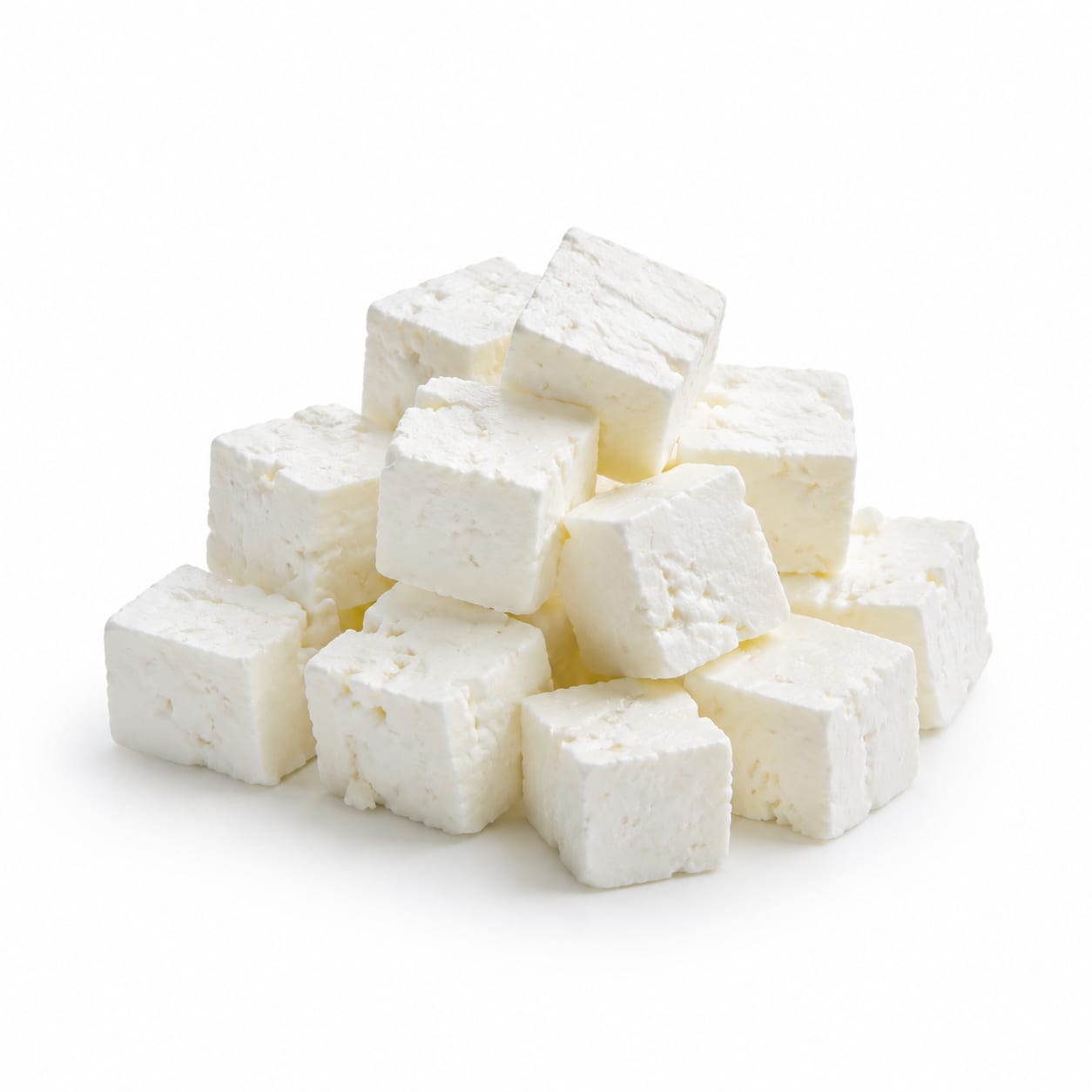
Feta Cheese
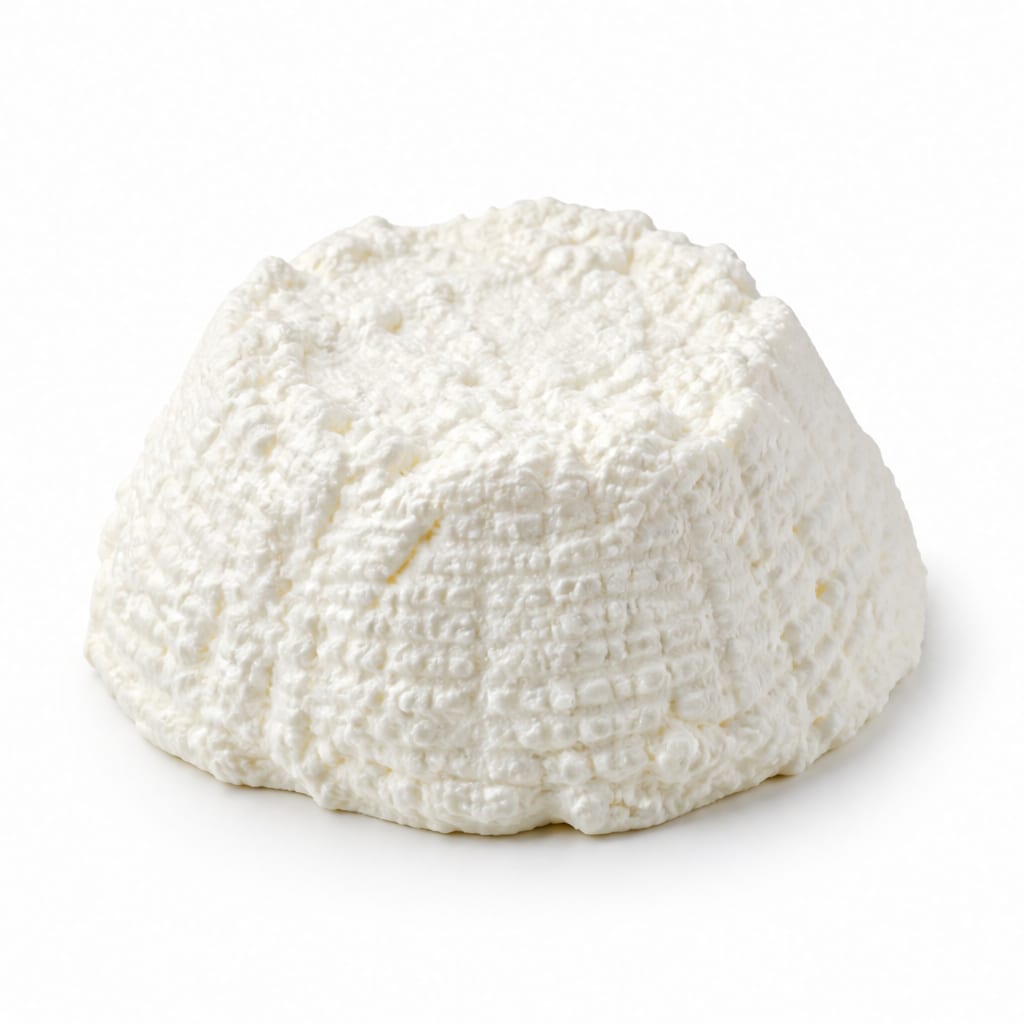
Ricotta
Ricotta is the safer everyday choice due to its low sodium and high protein, while Feta Cheese is a flavor powerhouse best used in moderation.
Ricotta scores higher primarily due to its favorable sodium profile and higher protein content, making it more suitable for daily consumption. Feta Cheese loses ground because its high salt content limits how much you can safely eat.
You trade Feta Cheese's bold, salty flavor and easy digestion for Ricotta's heart-friendly sodium profile and muscle-building protein.
At a glance
Executive summary
Overall
Ricotta
Healthier
Ricotta
More practical
Ricotta
Daily use
Ricotta
Key comparison lenses
Sodium and heart health impact
Feta Cheese is brined and extremely high in sodium, while Ricotta is notably low in salt, making this the most critical health tradeoff.
Protein quality and muscle support
Ricotta is rich in whey protein which absorbs quickly, whereas Feta Cheese provides less protein per serving due to its dense, fatty composition.
Lactose tolerance and digestion
Feta Cheese is lower in lactose due to fermentation, while Ricotta can trigger symptoms for sensitive individuals.
Culinary versatility and portion control
Feta Cheese acts as a salty flavor enhancer used sparingly, while Ricotta is a mild base consumed in larger volumes.
Best choice for
Feta Cheese
- Salads and Mediterranean bowls needing a salty kick
- People with lactose intolerance who still want cheese
- Low-carb diets requiring bold flavor without extra volume
Ricotta
- High-protein breakfasts and post-workout meals
- Anyone watching their blood pressure or sodium intake
- Sweet and savory recipes needing a creamy, mild base
Least suitable for
Feta Cheese
- People with hypertension or salt-sensitive conditions
- Large-volume eating or heavy snacking
- Those seeking a mild, low-sodium dairy base
Ricotta
- Strict lactose intolerance sufferers
- Dishes requiring a sharp, pronounced cheese flavor
- Very low-moisture cooking applications
Deep comparison
Dimension by dimension
Each lens scores both foods and breaks down who each option suits.
- Dimension 1 · Priority 95Ricotta
Sodium & Blood Pressure
Feta Cheese · 25Ricotta · 90Feta Cheese is packed with sodium from the brining process, while Ricotta is naturally low in salt.
Tradeoff
Choosing Feta Cheese means accepting a heavy sodium load that can spike blood pressure, whereas Ricotta keeps your heart happy but lacks that salty punch.
Why it matters
High sodium intake is a leading driver of hypertension. Eating Feta Cheese regularly requires careful balancing with low-sodium foods elsewhere in your day.
Real-world impact
A single serving of Feta Cheese can take up a third of your daily sodium budget, leaving little room for salt in the rest of your meals.
Feta Cheese
- Adding flavor without needing extra table salt
Better for
- Heart health
- Daily snacking without overdoing salt
Worse for
Ricotta
- Managing blood pressure
- Eating dairy freely without sodium guilt
Better for
- Satisfying salty cravings naturally
Worse for
- Dimension 2 · Priority 85Ricotta
Protein & Satiety
Feta Cheese · 60Ricotta · 85Ricotta delivers more protein per calorie, largely from highly absorbable whey, keeping you fuller for longer.
Tradeoff
You get more muscle-feeding, hunger-busting protein from Ricotta, but Feta Cheese offers a denser, more immediate flavor satisfaction.
Why it matters
Whey protein in Ricotta is excellent for muscle repair and steady satiety, making it a smarter choice for active people or those managing weight.
Real-world impact
A bowl of Ricotta at breakfast will keep you full until lunch, while Feta Cheese is usually eaten in amounts too small to provide much protein.
Feta Cheese
- Adding small amounts of protein to salads without heaviness
Better for
- Serving as a primary protein source
Worse for
Ricotta
- Post-workout recovery
- Staying full between meals
- Building lean muscle
Better for
- Low-calorie flavor enhancement
Worse for
- Dimension 3 · Priority 80Feta Cheese
Digestive Tolerance
Feta Cheese · 85Ricotta · 55The fermentation and aging of Feta Cheese break down much of the lactose, making it easier to digest than Ricotta.
Tradeoff
Feta Cheese is gentler on sensitive stomachs despite its sodium, while Ricotta's higher lactose content can cause bloating for some.
Why it matters
If dairy normally upsets your stomach, the lower lactose in Feta Cheese might be the difference between enjoying cheese and suffering through it.
Real-world impact
You can sprinkle Feta Cheese on a salad without worrying about gas, but a large serving of Ricotta might leave you feeling puffy and uncomfortable.
Feta Cheese
- Lactose-sensitive individuals
- Light garnishing without digestive regret
Better for
- High-volume consumption
Worse for
Ricotta
- Those completely lactose-tolerant seeking creamy textures
Better for
- Avoiding bloating and stomach upset
Worse for
- Dimension 4 · Priority 75It depends
Culinary Versatility & Portion Control
Feta Cheese · 70Ricotta · 80Feta Cheese is a potent garnish that naturally limits portions, while Ricotta is a versatile base used in both sweet and savory dishes.
Tradeoff
Feta Cheese's strong flavor prevents overeating but limits its use to savory dishes, whereas Ricotta's mildness invites larger portions and broader recipes.
Why it matters
Portion control is effortless with Feta Cheese because a little goes a long way. Ricotta requires more mindful eating since it is easy to over-consume in smoothies or desserts.
Real-world impact
A small crumble of Feta Cheese transforms a salad, but Ricotta can act as the main event in a lasagna, pancake, or bowl, carrying more calories per sitting.
Feta Cheese
- Effortless portion control
- Savory flavor bombs
Better for
- Sweet recipes
- Acting as a bulk ingredient
Worse for
Ricotta
- Breakfast bases
- Desserts and baking
- Creamy sauces
Better for
- Built-in portion control
Worse for
Timeline
Health impact over time
Short-term
Hours to days
Feta Cheese
- Quick salty satisfaction that enhances bland meals
- Potential water retention from high sodium intake
- Unlikely to cause digestive upset due to low lactose
Ricotta
- Comforting, filling sensation thanks to high protein and moisture
- Possible bloating or gas for those with lactose sensitivity
- Gentle on blood pressure with minimal sodium
Long-term
Months to years
Feta Cheese
- Increased risk of hypertension if consumed frequently or in large amounts
- Easier long-term dairy maintenance for the lactose intolerant
Ricotta
- Supports muscle maintenance and steady appetite control
- Better cardiovascular profile due to low sodium and favorable fat content if part-skim is chosen
Risk profile
Safety & processing
Both are traditional cheeses with simple ingredients, but Feta Cheese requires a brining process that adds significant sodium, while Ricotta is simply coagulated whey with minimal intervention.
Feta Cheese
Listeria from unpasteurized milk
mediumTraditional Feta Cheese made from raw milk can harbor Listeria, posing a specific risk during pregnancy. Pasteurized versions are widely available and much safer.
Excessive sodium intake
highThe brining process loads Feta Cheese with salt, which is a chronic health risk rather than an acute food safety issue.
Ricotta
Spoilage from high moisture
mediumRicotta has high water content and spoils faster than harder cheeses. It must be consumed quickly after opening and kept strictly refrigerated.
Lactose-related digestive distress
lowNot a pathogen, but the higher lactose content can cause significant discomfort for intolerant individuals.
Who wins for whom
Audience fit
Same foods, different winners depending on your goal.
children
RicottaRicotta is mild, easy to chew, and low in sodium, making it far more appropriate for developing palates and young kidneys than salty Feta Cheese.
daily consumption
RicottaRicotta's low sodium makes it safe to eat every day, while the salt load in Feta Cheese makes it better suited as an occasional garnish.
diabetes
RicottaBoth are low in carbs, but Ricotta's higher protein content stabilizes blood sugar more effectively, and its low sodium protects cardiovascular health, which is crucial for diabetics.
elderly
RicottaOlder adults need to protect their blood pressure and maintain muscle mass; Ricotta's low sodium and high whey protein address both concerns better than Feta Cheese.
muscle gain
RicottaRicotta is rich in fast-absorbing whey protein, making it an excellent post-workout option to stimulate muscle protein synthesis.
weight loss
RicottaRicotta provides more protein and volume for fewer calories, keeping you full longer, whereas Feta Cheese's high sodium can cause water retention and its dense fat content adds up quickly.
Your move
Decision guide
Choose Feta Cheese
- You want a bold, salty kick to finish off a salad or roasted vegetables
- You are lactose intolerant but still want to enjoy cheese
- You struggle with portion control and need a cheese that stops you after a few bites
Choose Ricotta
- You need a high-protein, filling breakfast or snack
- You are watching your blood pressure or sodium intake
- You want a mild, creamy base for lasagna, pancakes, or toast
Either works if
- You are on a low-carb or keto diet and need a fat and protein source
- You want to add creaminess to a dish and are flexible on flavor profile
Avoid both if
- You have a severe dairy allergy
Final recommendation
Keep Ricotta in your fridge as a daily dietary staple for protein and creaminess, and treat Feta Cheese as a flavor garnish to use a few times a week. This approach gives you the muscle-feeding benefits of Ricotta without the blood-pressure risks of daily Feta Cheese consumption.
Practical
Consumer tips
- 1
Rinse Feta Cheese under cold water before eating to remove excess surface brine and lower the sodium content slightly.
- 2
Opt for part-skim Ricotta to get the protein benefits with less saturated fat.
- 3
If you love the taste of Feta Cheese but hate the sodium, try mixing a small amount of Feta Cheese into a larger portion of Ricotta for a creamy, tangy spread.
- 4
Check labels for Feta Cheese made from 100% sheep's milk for the most authentic flavor and easier digestion.