
Nutrition comparison
Feta vs Halloumi: Which Cheese Is Healthier for Daily Eating?
Compare Feta Cheese and Halloumi on calories, sodium, protein, cooking versatility, and gut health. Find out which cheese fits your diet and lifestyle better.
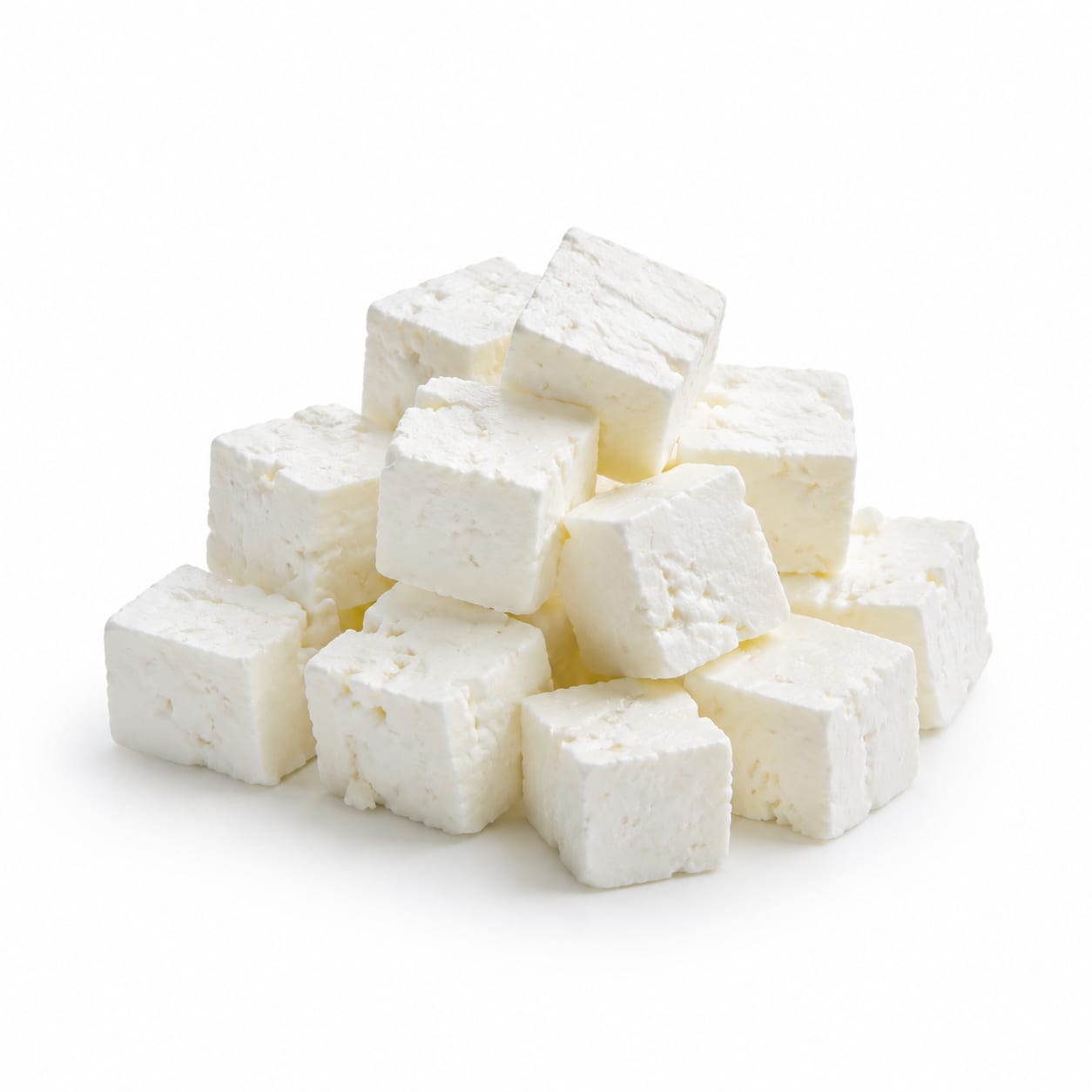
Feta Cheese
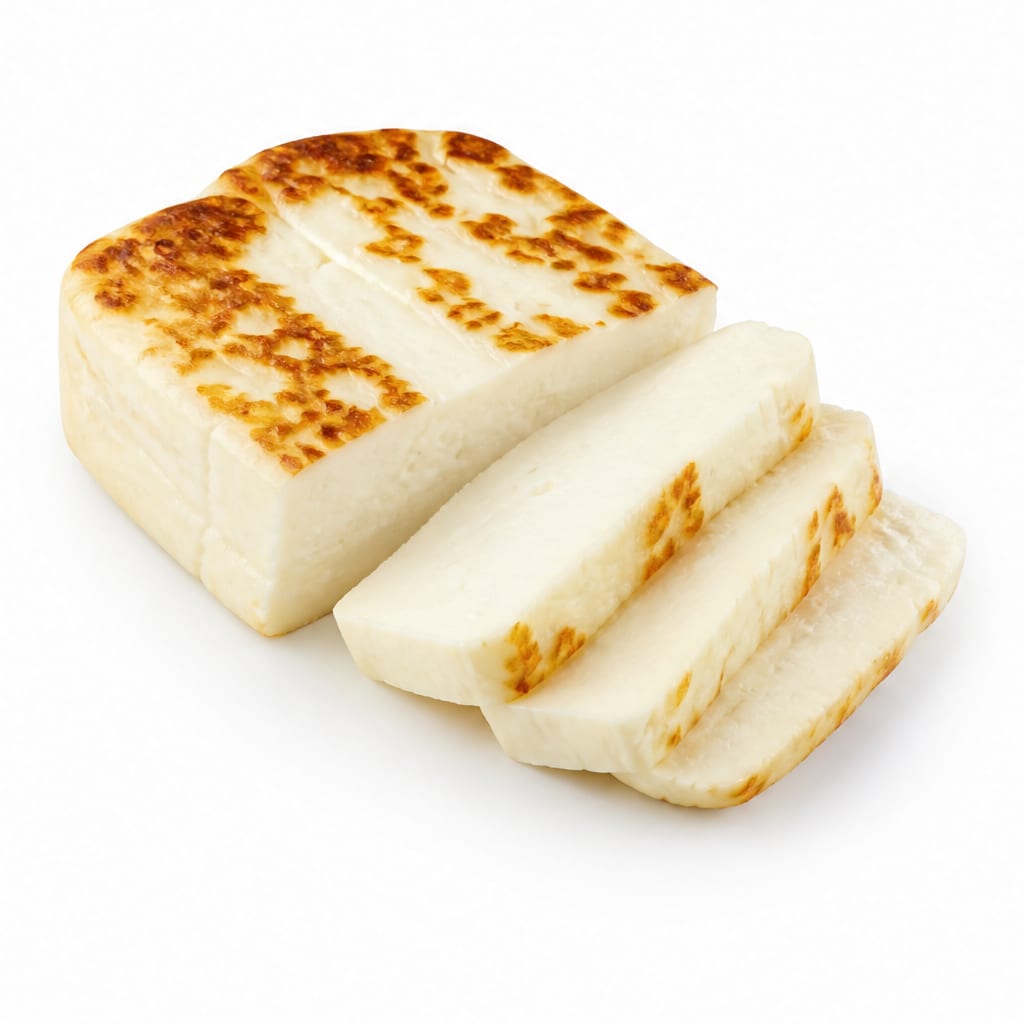
Halloumi
Feta is the lighter, more everyday-friendly cheese with probiotic potential. Halloumi is the indulgent, versatile cooking cheese that satisfies like a main dish.
Feta scores higher primarily due to lower calorie density and probiotic potential, making it more suitable for regular consumption. Halloumi loses ground on sodium, fat, and calorie load but remains valuable for its unique cooking properties and satiety.
Feta gives you fewer calories and potential gut benefits, while Halloumi gives you grilling magic and heavier satiety at the cost of more fat and sodium.
At a glance
Executive summary
Overall
It depends
Healthier
Feta Cheese
More practical
Halloumi
Daily use
Feta Cheese
Key comparison lenses
Sodium and heart health impact
Both cheeses are notoriously high in sodium, making this the top concern for most daily consumers
Calorie density and weight management
Halloumi is significantly more calorie-dense, which matters for portion control and weight goals
Cooking versatility and meal integration
Halloumi's unique high-melt-point property creates a fundamentally different culinary experience
Gut health and probiotic potential
Feta's brined fermentation may offer probiotic advantages that Halloumi lacks
Satiety and satisfaction
The chewy, fatty nature of Halloumi provides a different fullness experience than crumbly Feta
Best choice for
Feta Cheese
- Salad lovers wanting a tangy, light topping
- People watching calorie intake closely
- Those seeking potential probiotic benefits
- Mediterranean diet followers
- Anyone needing portion-controlled flavor bursts
Halloumi
- Vegetarians wanting a satisfying protein centerpiece
- Grill enthusiasts and BBQ cooks
- People who find light meals unsatisfying
- Those wanting a cheese that replaces meat texture
- Busy cooks needing a quick pan-fried protein
Least suitable for
Feta Cheese
- Anyone needing a cheese that holds its shape when cooked
- People wanting a substantial protein source from cheese
- Those who dislike tangy or acidic flavors
- Grilling or frying applications
Halloumi
- People strictly limiting sodium or fat
- Those trying to lose weight while eating cheese regularly
- Anyone prone to overeating rich foods
- Low-calorie meal builders
Deep comparison
Dimension by dimension
Each lens scores both foods and breaks down who each option suits.
- Dimension 1 · Priority 92Feta Cheese
Sodium Load
Feta Cheese · 35Halloumi · 22Both are sodium bombs, but Halloumi typically packs even more salt per serving than Feta.
Tradeoff
Feta is slightly less punishing on blood pressure, but neither cheese belongs in a low-sodium diet.
Why it matters
High sodium intake directly raises blood pressure and bloating risk. Even small daily excesses compound over time.
Real-world impact
A single Halloumi portion can deliver half your daily sodium allowance. Feta is marginally more forgiving but still requires careful portioning.
Feta Cheese
- Blood pressure management
- Reducing water retention
- More flexible sodium budget for other meals
Better for
- Still too salty for low-sodium diets
Worse for
Halloumi
- Highest sodium load of common cheeses
- Almost impossible to fit into low-sodium meal plans
- Can trigger noticeable bloating after eating
Worse for
- Dimension 2 · Priority 88Feta Cheese
Calorie Density and Weight Management
Feta Cheese · 62Halloumi · 38Feta delivers strong flavor at roughly half the calories per serving of Halloumi.
Tradeoff
You can enjoy a satisfying crumble of Feta on a salad without blowing your calorie budget. Halloumi demands portion discipline most people struggle with.
Why it matters
Calorie density determines how much food you can eat before feeling full. Lower density foods make weight management feel effortless.
Real-world impact
A typical Halloumi portion runs 300-400 calories before adding anything else. The same visual volume of Feta costs around 150-200 calories.
Feta Cheese
- Weight loss or maintenance diets
- Building large satisfying salads
- Flavor enhancement without calorie overload
Better for
- May feel too light as a standalone protein source
Worse for
Halloumi
- Situations requiring calorie density like hiking or heavy training days
Better for
- Easy to overconsume calories without realizing
- Portion creep is almost inevitable when grilling
- Hard to stop at a reasonable serving
Worse for
- Dimension 3 · Priority 85Halloumi
Cooking Versatility
Feta Cheese · 42Halloumi · 88Halloumi is one of the few cheeses you can grill, fry, or roast without it melting into a puddle.
Tradeoff
Feta crumbles beautifully into cold dishes but fails under heat. Halloumi transforms into a golden, crispy protein slab that works as a main dish.
Why it matters
A cheese that cooks well expands your meal options dramatically and reduces reliance on meat.
Real-world impact
Halloumi can replace chicken in a sandwich or stand alone as a BBQ item. Feta is limited to topping, mixing, or stuffing inside baked dishes where texture doesn't matter.
Feta Cheese
- Cold salads and grain bowls
- Mediterranean-style wraps
- Whipped dips and spreads
Better for
- Cannot be grilled or fried
- Melts into an unappealing texture under direct heat
Worse for
Halloumi
- Grilling and barbecuing
- Pan-frying as a quick protein
- Sandwiches and burgers as a meat substitute
- Skewers and kebabs
Better for
- Does not crumble or spread easily
- Overpowers delicate dishes with its firm texture
Worse for
- Dimension 4 · Priority 72Feta Cheese
Gut Health and Probiotics
Feta Cheese · 68Halloumi · 35Traditionally made Feta retains live cultures from its brined fermentation. Halloumi is typically heat-treated, killing beneficial bacteria.
Tradeoff
Feta may support gut health when made traditionally and unheated. Halloumi offers almost no probiotic benefit regardless of preparation.
Why it matters
Gut microbiome diversity influences digestion, immunity, and even mood. Small daily probiotic sources add up over time.
Real-world impact
Adding Feta to a cold salad gives you a small probiotic boost similar to yogurt. Cooking Feta destroys this advantage, making it equal to Halloumi.
Feta Cheese
- Raw consumption preserves live cultures
- Supports gut microbiome diversity
- Pairs well with prebiotic foods like greens and onions
Better for
- Probiotic benefit disappears if cooked or baked
Worse for
Halloumi
- Heat processing eliminates probiotic potential
- No meaningful gut health advantage
Worse for
- Dimension 5 · Priority 70Halloumi
Satiety and Satisfaction
Feta Cheese · 50Halloumi · 78Halloumi's dense, chewy texture and high fat content make it far more filling per serving.
Tradeoff
Halloumi satisfies like a main course. Feta satisfies like a condiment. Different roles, different fullness outcomes.
Why it matters
Meals that actually fill you reduce snacking and cravings later. Satiety is the bridge between eating and feeling done.
Real-world impact
A Halloumi-based meal can keep you full for 4-5 hours. A Feta-topped salad often leaves you hunting for snacks within 2 hours.
Feta Cheese
- Light meals where you don't want to feel heavy
Better for
- Rarely satisfying as a protein centerpiece
- Leaves heavy eaters wanting more food
Worse for
Halloumi
- Replacing meat with a satisfying alternative
- Long gaps between meals
- Preventing afternoon energy crashes
- Active days requiring sustained energy
Better for
- Heavy feeling may be uncomfortable in hot weather
- Can feel too rich for light lunches
Worse for
- Dimension 6 · Priority 75Feta Cheese
Fat Profile and Heart Health
Feta Cheese · 52Halloumi · 38Feta has less total fat and slightly more favorable fat composition than Halloumi, though both are saturated-fat-heavy.
Tradeoff
Neither cheese is heart-healthy in large amounts. Feta simply does less damage per serving, making it the safer default for regular use.
Why it matters
Saturated fat intake directly impacts cardiovascular risk over decades. Small daily differences compound into real health outcomes.
Real-world impact
Eating Halloumi three times a week meaningfully increases your saturated fat ceiling. Feta at the same frequency leaves more room for other fat sources like olive oil or avocado.
Feta Cheese
- More room in daily saturated fat budget
- Better lipid profile when consumed regularly
- Easier to pair with heart-healthy fats like olive oil
Better for
- Still a significant saturated fat source
Worse for
Halloumi
- High saturated fat per serving
- Regular consumption raises cardiovascular risk faster
- Leaves less room for healthy fats elsewhere
Worse for
Timeline
Health impact over time
Short-term
Hours to days
Feta Cheese
- Mild bloating possible from sodium if portions are large
- Quick flavor satisfaction without heavy fullness
- Potential probiotic benefit within hours of consumption
Halloumi
- Noticeable thirst after eating due to high sodium
- Heavy, satisfying fullness that delays hunger
- Possible sluggish feeling from high fat density
Long-term
Months to years
Feta Cheese
- More sustainable for regular consumption at moderate portions
- Lower cumulative cardiovascular risk than Halloumi
- Potential gut microbiome benefits with consistent raw consumption
- Bone density support from calcium without excessive calorie load
Halloumi
- Higher cardiovascular risk if eaten frequently due to saturated fat and sodium
- Weight creep risk from calorie density if portions aren't strictly managed
- Excellent calcium and protein intake but at a metabolic cost
- May contribute to blood pressure elevation over time
Risk profile
Safety & processing
Both are traditional cheeses made with minimal ingredients: milk, salt, rennet, and cultures. Feta's brining is a natural preservation method. Halloumi's folding and heating is equally traditional. Neither typically contains artificial preservatives, though mass-produced versions may add stabilizers. Check labels for the shortest ingredient lists.
Feta Cheese
Listeria contamination
mediumSoft brined cheeses carry a higher listeria risk, especially when made from unpasteurized milk. Pregnant women should avoid raw-milk Feta.
Bacterial growth in brine
lowOnce opened, Feta's brine can harbor bacteria if not refrigerated properly. Use within a week of opening.
Halloumi
High-temperature cooking carcinogens
lowGrilling or frying Halloumi to a dark char can produce small amounts of acrylamide or advanced glycation end products. Moderate browning is fine.
Listeria in unheated Halloumi
mediumSimilar to Feta, raw-milk versions pose listeria risk. Cooking eliminates this concern, giving Halloumi a slight safety edge when grilled.
Who wins for whom
Audience fit
Same foods, different winners depending on your goal.
children
Feta CheeseFeta's milder sodium load and softer texture make it more appropriate for developing palates and smaller bodies. Halloumi's salt intensity is excessive for most kids.
daily consumption
Feta CheeseFeta's lighter profile makes it sustainable as a near-daily addition. Halloumi is better treated as a few-times-per-week indulgence.
diabetes
Feta CheeseBoth have minimal carbohydrate impact, but Feta's lower calorie density helps with weight management, which is the primary driver of diabetes control.
elderly
Feta CheeseLower sodium and calorie density make Feta safer for aging cardiovascular systems. The probiotic potential also supports the gut health decline common in older adults.
muscle gain
HalloumiHalloumi provides more protein and calories per serving, supporting muscle-building diets where calorie surplus is intentional.
weight loss
Feta CheeseFeta delivers strong flavor at roughly half the calories, making it far easier to fit into a calorie deficit without feeling deprived.
Your move
Decision guide
Choose Feta Cheese
- You eat cheese daily and need a sustainable option
- You're building salads or grain bowls and want flavor without heaviness
- Blood pressure or sodium intake is a concern
- You want potential probiotic benefits from raw consumption
- You prefer lighter meals that don't leave you sluggish
Choose Halloumi
- You want a vegetarian protein that actually satisfies like meat
- You're grilling or cooking and need a cheese that holds its shape
- You have long gaps between meals and need lasting fullness
- You're active and can afford the calorie density
- You find light meals unsatisfying and end up snacking
Either works if
- You're eating cheese occasionally and both fit your calorie budget
- You're cooking a dish where either cheese works as a minor ingredient
- You want calcium and protein from a whole-food source rather than supplements
Avoid both if
- You're on a strict low-sodium diet for kidney or blood pressure issues
- You have a dairy allergy or severe lactose intolerance
- Your doctor has advised minimizing saturated fat intake
Final recommendation
Keep Feta in your fridge as the everyday cheese and treat Halloumi as your weekend or entertaining cheese. Feta gives you more flexibility for daily health goals, while Halloumi delivers the cooking experience and satisfaction that makes occasional meals memorable. If you can only choose one, Feta is the safer long-term companion.
Practical
Consumer tips
- 1
Rinse Feta briefly under cold water to reduce surface sodium by up to 25% without losing flavor
- 2
Soak Halloumi in cold water for 30 minutes before cooking to draw out excess salt
- 3
Buy both cheeses in block form rather than pre-crumbled or pre-sliced for better quality and less waste
- 4
Look for Feta labeled 'PDO' from Greece for the most authentic probiotic potential
- 5
Freeze Halloumi slices between parchment paper for quick single-serving grilling
- 6
Pair either cheese with potassium-rich foods like tomatoes or spinach to partially counterbalance sodium
- 7
Cook Feta into warm dishes only if probiotic benefit doesn't matter to you, since heat kills the cultures
- 8
Limit Halloumi portions to roughly 75 grams per meal to keep calories and sodium in reasonable territory