
Nutrition comparison
Feta Cheese vs Brie: Which is Healthier?
Compare Feta Cheese vs Brie on calories, sodium, calcium, and safety. Find out which soft cheese is better for weight loss, pregnancy, and daily snacking.
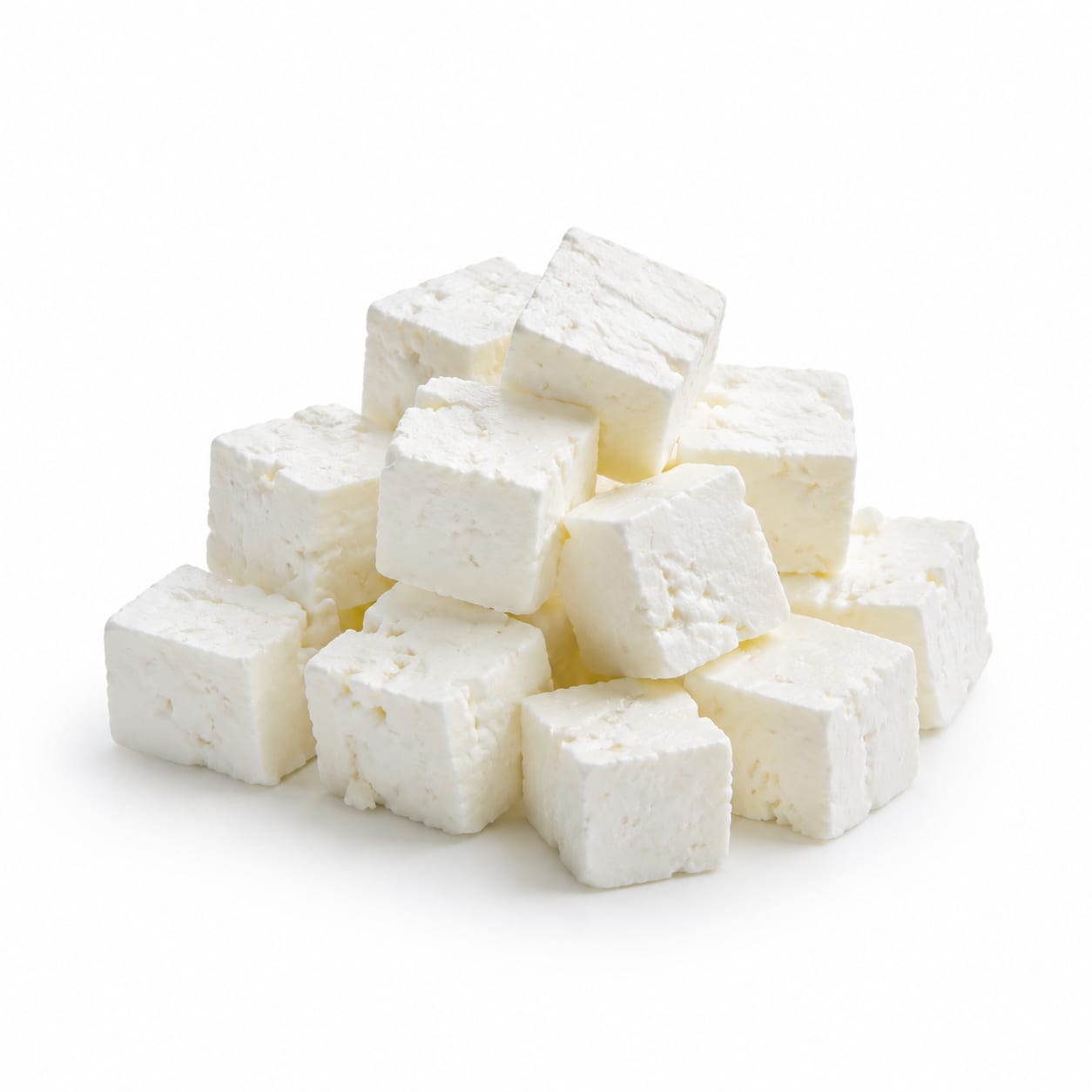
Feta Cheese
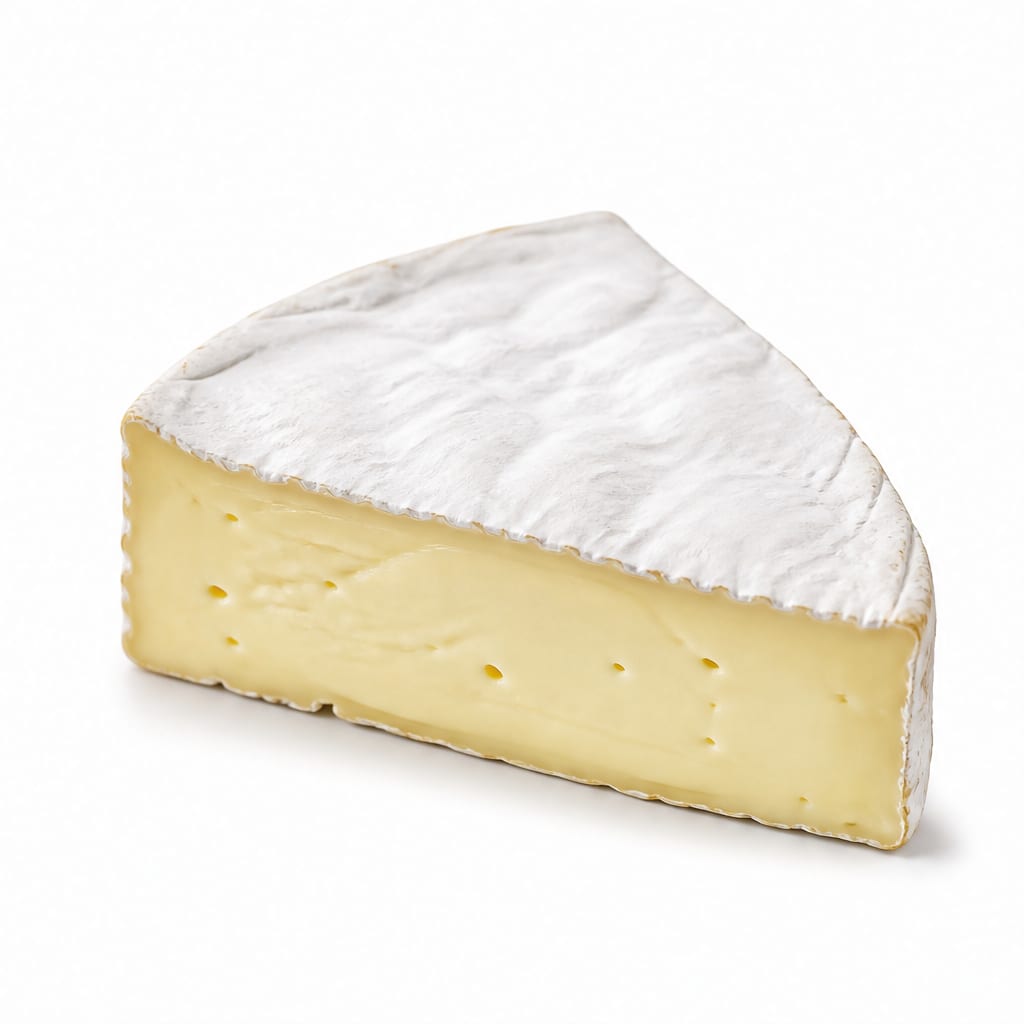
Brie
Feta Cheese wins for lower calories and higher calcium, while Brie offers a creamier, milder experience with far less sodium.
Feta Cheese scores slightly higher due to its lower calorie density and higher calcium, but its extreme sodium content keeps the score moderate. Brie scores lower mainly because of its high saturated fat and calorie density.
You are trading Feta Cheese's high sodium and crumbly texture for Brie's high calorie density and creamy richness.
At a glance
Executive summary
Overall
It depends
Healthier
Feta Cheese
More practical
Brie
Daily use
Feta Cheese
Key comparison lenses
Sodium and blood pressure impact
Feta Cheese is brined and extremely high in sodium compared to Brie, which is a major health differentiator.
Calorie and fat density for weight management
Brie is significantly higher in calories and fat, making portion control more important.
Food safety and pregnancy suitability
Brie is a mold-ripened soft cheese with a higher risk of Listeria, making it riskier for pregnant women.
Bone health and calcium content
Feta Cheese provides more calcium per serving, which is crucial for bone density.
Best choice for
Feta Cheese
- Salad toppings and Mediterranean diets
- People watching their calorie intake
- Those needing a strong flavor punch with less food volume
Brie
- Cheese boards and entertaining
- Those wanting a mild, creamy spread for crackers
- People sensitive to salty foods
Least suitable for
Feta Cheese
- People with high blood pressure or on low-sodium diets
- Those who dislike salty flavors
- Pregnant women if made from unpasteurized milk
Brie
- People strictly counting calories or limiting saturated fat
- Those who struggle with portion control on rich foods
- Pregnant women due to listeria risk
Deep comparison
Dimension by dimension
Each lens scores both foods and breaks down who each option suits.
- Dimension 1 · Priority 92Brie
Sodium Load
Feta Cheese · 15Brie · 70Feta Cheese is packed with sodium from the brining process, while Brie is relatively low in salt.
Tradeoff
Choosing Feta Cheese gives you more calcium but also a massive dose of sodium that can spike blood pressure.
Why it matters
High sodium intake is a leading driver of hypertension and bloating.
Real-world impact
Eating Feta Cheese might leave you thirsty and puffy the next day, whereas Brie is easier on your blood pressure.
Feta Cheese
- Those who sweat heavily and need electrolyte replenishment
Better for
- Salt-sensitive individuals
- Those eating processed foods that are already high in sodium
Worse for
Brie
- People with high blood pressure
- Anyone prone to bloating or water retention
Better for
- Those looking for a strongly seasoned cheese to flavor a bland dish
Worse for
- Dimension 2 · Priority 85Feta Cheese
Calorie and Fat Density
Feta Cheese · 72Brie · 45Brie is significantly more calorie-dense and higher in total fat and saturated fat than Feta Cheese.
Tradeoff
Brie delivers a rich, satisfying mouthfeel, but you get far more calories per ounce compared to Feta Cheese.
Why it matters
Calorie density dictates how easily you can manage your weight without feeling deprived.
Real-world impact
It is very easy to overeat Brie on a cheese board, quickly consuming hundreds of calories before feeling full.
Feta Cheese
- Weight loss diets
- Calorie-conscious snacking
Better for
- People needing high-calorie options for weight gain
Worse for
Brie
- Keto or low-carb diets needing high fat intake
- Those wanting a small amount of food to feel highly satisfied
Better for
- Anyone strictly monitoring saturated fat intake
Worse for
- Dimension 3 · Priority 75Feta Cheese
Bone Health and Calcium
Feta Cheese · 80Brie · 50Feta Cheese provides a notably higher amount of calcium per serving than Brie.
Tradeoff
You sacrifice some bone-building minerals when you choose the creamier texture of Brie.
Why it matters
Adequate calcium intake is essential for preventing osteoporosis and maintaining structural strength.
Real-world impact
Regularly choosing Feta Cheese over Brie gives a more meaningful daily contribution to your calcium needs.
Feta Cheese
- Older adults at risk of osteoporosis
- People who do not consume milk or yogurt
Better for
- People with calcium-restricted diets due to kidney issues
Worse for
Brie
- Those who get plenty of calcium from other dietary sources
Better for
- Individuals relying on cheese as a primary calcium source
Worse for
- Dimension 4 · Priority 80Feta Cheese
Food Safety and Pregnancy Suitability
Feta Cheese · 65Brie · 40Brie is a surface-ripened soft cheese that carries a higher risk of Listeria contamination than Feta Cheese.
Tradeoff
While both can be made from unpasteurized milk, Brie's moist rind creates an ideal environment for bacterial growth.
Why it matters
Listeriosis is a serious foodborne illness that can cause severe complications during pregnancy.
Real-world impact
Pregnant women are generally advised to avoid Brie entirely, while pasteurized Feta Cheese is often considered safer.
Feta Cheese
- Pregnant women seeking a safer cheese option
- Those with compromised immune systems
Better for
- Still risky if made from raw milk
Worse for
Brie
- Not applicable for food safety
Better for
- Expectant mothers
- Elderly individuals
Worse for
Timeline
Health impact over time
Short-term
Hours to days
Feta Cheese
- Increased thirst and water retention due to high sodium
- Quick savory satisfaction from intense flavor
Brie
- A heavy, comforting feeling of fullness from high fat content
- Slower digestion due to rich creaminess
Long-term
Months to years
Feta Cheese
- Potential blood pressure elevation if consumed frequently
- Improved bone density from higher calcium intake
Brie
- Possible weight gain if portions are not carefully controlled
- Increased cardiovascular risk from high saturated fat intake
Risk profile
Safety & processing
Both are traditional fermented dairy products with minimal artificial additives. Feta Cheese relies on a salt brine for preservation, while Brie uses natural mold cultures for ripening.
Feta Cheese
Listeria (if unpasteurized)
mediumUnpasteurized Feta Cheese can harbor Listeria, though pasteurized versions are common and safer.
Excessive sodium intake
mediumThe brining process loads Feta Cheese with sodium, which can acutely raise blood pressure in sensitive individuals.
Brie
Listeria contamination
highBrie is a mold-ripened soft cheese with a high moisture rind, making it a prime environment for Listeria growth, especially if unpasteurized.
Who wins for whom
Audience fit
Same foods, different winners depending on your goal.
children
BrieBrie's mild, creamy texture is usually more appealing to kids than Feta Cheese's salty, crumbly bite.
daily consumption
Feta CheeseFeta Cheese is easier to incorporate into salads and lighter meals without exceeding daily calorie limits, though sodium must be watched.
diabetes
It dependsBoth are very low in carbohydrates and will not spike blood sugar, though Feta Cheese has fewer calories and Brie has more fat to slow digestion.
elderly
Feta CheeseFeta Cheese offers more calcium for bone health, provided their blood pressure is well managed.
muscle gain
It dependsBoth provide moderate protein, but neither is a primary muscle-building food compared to cottage cheese or Greek yogurt.
weight loss
Feta CheeseFeta Cheese has fewer calories per ounce and its strong flavor means you can use less while still getting a satisfying taste.
Your move
Decision guide
Choose Feta Cheese
- You are watching your calorie intake but want bold flavor
- You need more calcium in your diet
- You are meal-prepping salads or Mediterranean bowls
Choose Brie
- You are hosting a gathering and want a crowd-pleasing cheese
- You are on a keto diet and need high-fat options
- You want a comforting, creamy snack on a cold day
Either works if
- You are simply looking for a low-carb cheese to snack on
- You want to add variety to your cheese rotation
Avoid both if
- You are strictly limiting saturated fat for heart disease management
- You have a severe dairy allergy or lactose intolerance
Final recommendation
Let your meal and health goals decide. Pick Feta Cheese for lighter, salad-based meals and a calcium boost, but choose Brie when you crave creamy richness and are sharing a cheese board. Just keep an eye on Feta Cheese's sodium and Brie's calorie density.
Practical
Consumer tips
- 1
Rinse Feta Cheese under cold water before eating to wash away some of the surface salt and reduce sodium content.
- 2
Measure Brie portions before eating, as it is very easy to overeat this creamy cheese.
- 3
Always check the label to ensure both cheeses are made from pasteurized milk, especially if you are pregnant.
- 4
Crumble Feta Cheese finely to distribute its strong flavor further and use less overall.