
Nutrition comparison
Feta Cheese vs Parmesan: Nutrition, Sodium & Health Comparison
Compare Feta Cheese vs Parmesan to see which is healthier. Learn about protein, calcium, lactose, and sodium levels to make the best dietary choice.
Overall winner · Parmesan
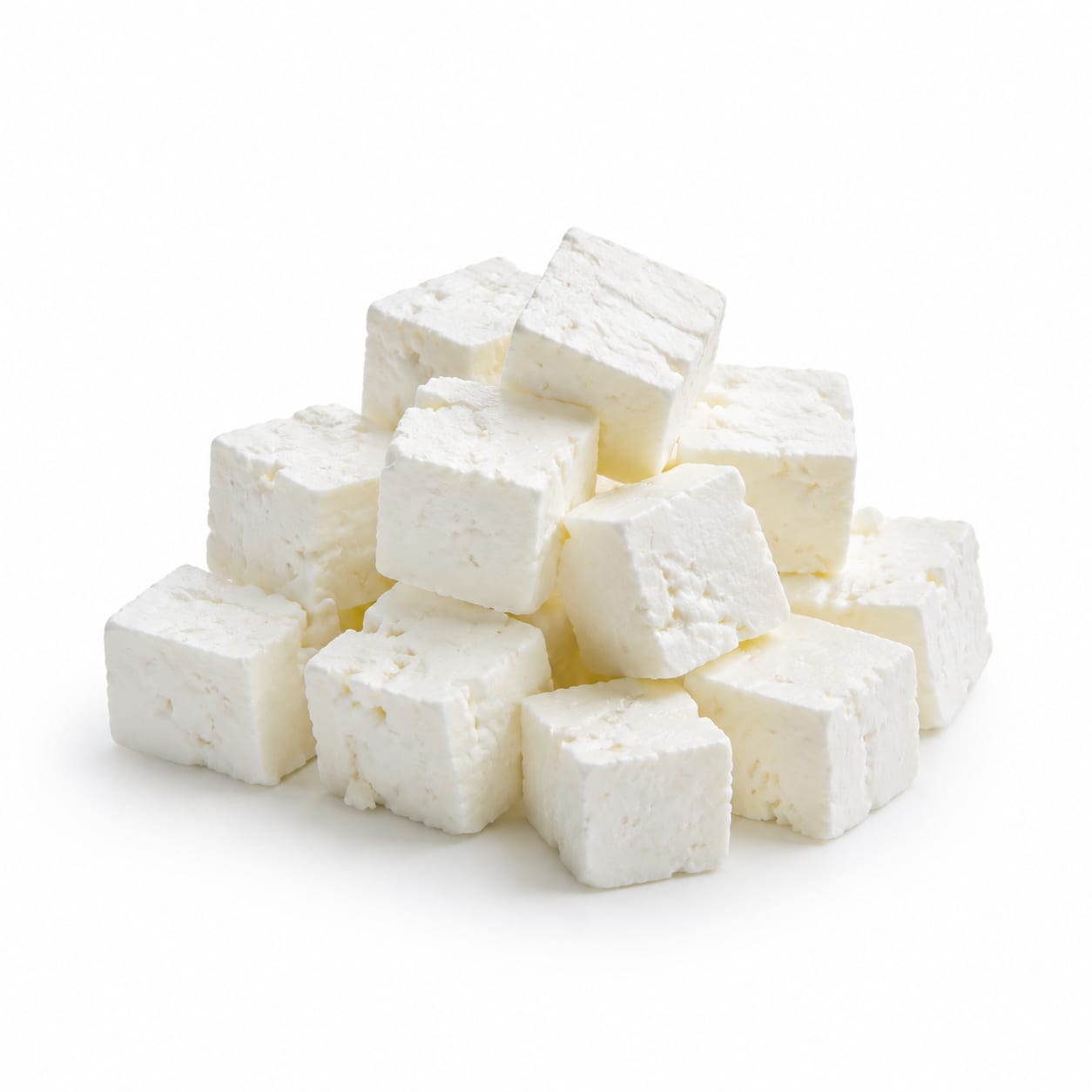
Feta Cheese
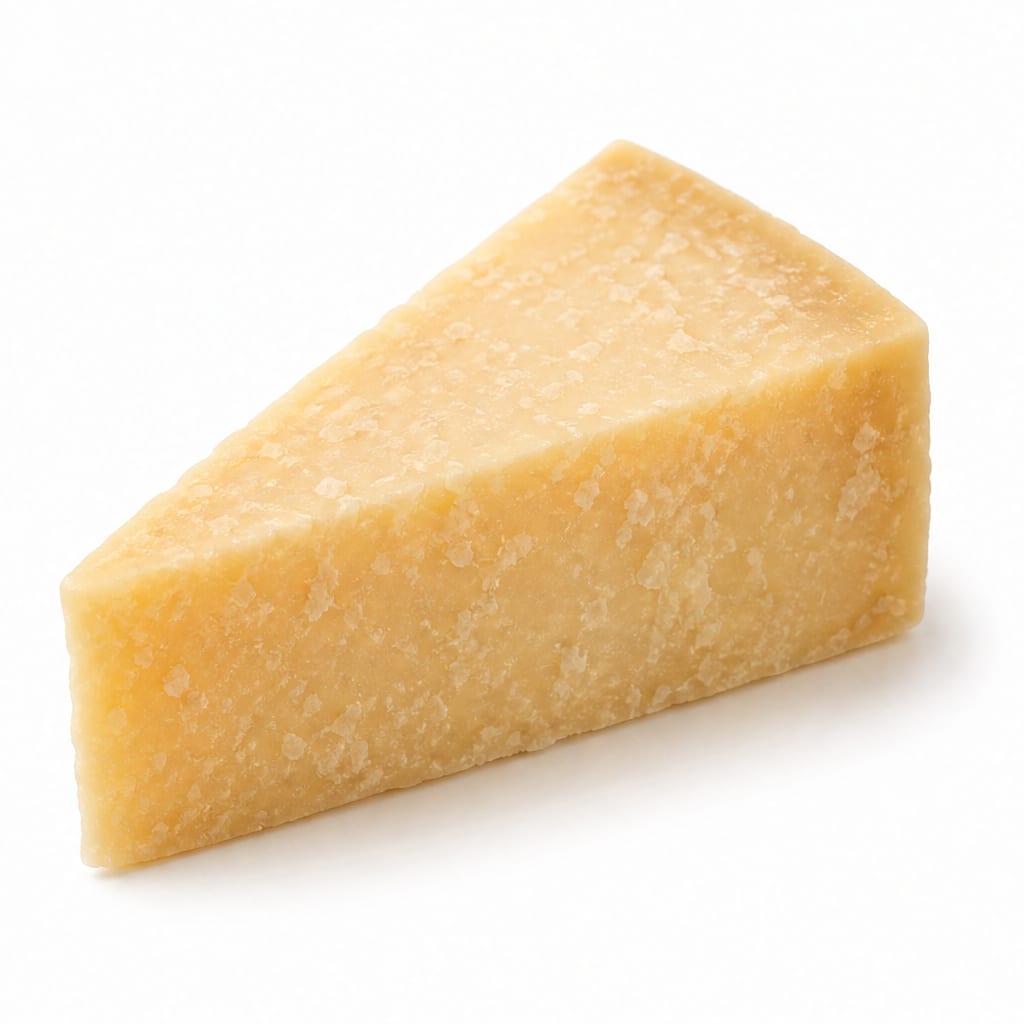
Parmesan
Parmesan delivers far more protein and calcium per bite with virtually no lactose, while Feta Cheese offers a creamier, lighter texture for salads but carries a heavy sodium punch.
Parmesan scores higher due to its superior protein and calcium density, near-zero lactose, and built-in portion control from its intense flavor. Feta Cheese loses significant points for its high sodium content and lower nutritional density per calorie.
Intense nutrition and easy digestion in Parmesan versus the moist, crumbly appeal of Feta Cheese that is much easier to overeat and far saltier.
At a glance
Executive summary
Overall
Parmesan
Healthier
Parmesan
More practical
It depends
Daily use
Parmesan
Key comparison lenses
Sodium load and blood pressure impact
Feta Cheese is brined and extremely high in salt, while Parmesan is also salty but naturally portion-controlled by its intense flavor.
Protein density and satiety
Parmesan offers nearly double the protein per ounce, making it far more filling and efficient for muscle maintenance.
Lactose tolerance and digestibility
Parmesan is aged until lactose-free, whereas Feta Cheese retains trace amounts that can bother sensitive stomachs.
Bone health and calcium density
Parmesan is one of the most calcium-dense foods available, easily outperforming Feta Cheese per serving.
Pregnancy safety and pasteurization
Traditional Feta Cheese is often unpasteurized, posing listeria risks during pregnancy, while Parmesan is strictly regulated and aged safely.
Best choice for
Feta Cheese
- Mediterranean diet followers wanting authentic flavor
- Salad lovers looking for a creamy, tangy texture
- Those who prefer a milder, less intense cheese
Parmesan
- Lactose-intolerant individuals
- Older adults needing a calcium and protein boost
- People watching their portion sizes
Least suitable for
Feta Cheese
- People on strict low-sodium diets
- Those with moderate to severe lactose intolerance
- Pregnant women avoiding unpasteurized dairy
Parmesan
- People who struggle with calorie-dense foods
- Those sensitive to high histamine levels
- Anyone who dislikes strong, sharp flavors
Deep comparison
Dimension by dimension
Each lens scores both foods and breaks down who each option suits.
- Dimension 1 · Priority 92Parmesan
Sodium Load & Blood Pressure
Feta Cheese · 35Parmesan · 65Feta Cheese is soaked in brine, making it significantly higher in sodium than Parmesan, especially since you typically eat larger quantities of it.
Tradeoff
You get a tangy, moist bite with Feta Cheese, but you pay for it with a heavy sodium load that can spike blood pressure.
Why it matters
High sodium intake is a leading driver of hypertension and water retention.
Real-world impact
Eating a Feta Cheese salad can easily push you past half your daily sodium limit, while a sprinkle of Parmesan adds flavor without the salt bomb.
Feta Cheese
- Athletes who sweat heavily and need to replenish sodium
Better for
- Salt-sensitive individuals
- Those with kidney issues
Worse for
Parmesan
- People managing high blood pressure
- Anyone prone to bloating and water retention
Better for
- People who heavily salt the rest of their meal
Worse for
- Dimension 2 · Priority 88Parmesan
Protein & Satiety
Feta Cheese · 50Parmesan · 90Parmesan packs nearly double the protein per ounce compared to Feta Cheese, making it far more filling.
Tradeoff
Parmesan is calorie-dense, but its high protein and umami flavor satisfy you quickly, whereas Feta Cheese is lighter but less satiating.
Why it matters
Protein is key for staying full between meals and maintaining muscle mass without overeating.
Real-world impact
A sprinkle of Parmesan on your pasta will keep you full for hours, while a Feta Cheese topping might leave you hunting for a snack sooner.
Feta Cheese
- Light snackers who prefer smaller, less dense bites
Better for
- Those needing high protein intake for muscle repair
Worse for
Parmesan
- Athletes needing efficient protein intake
- People trying to stay full longer on less food
Better for
- People who struggle to stop eating rich, tasty foods
Worse for
- Dimension 3 · Priority 80Parmesan
Bone Health & Calcium
Feta Cheese · 55Parmesan · 95Parmesan is one of the most calcium-dense foods available, far outpacing Feta Cheese per serving.
Tradeoff
You get exceptional bone-building nutrition in a small amount of Parmesan, while Feta Cheese requires a larger, saltier portion to get the same calcium.
Why it matters
Adequate calcium is crucial for preventing osteoporosis and maintaining structural strength as you age.
Real-world impact
A single ounce of Parmesan covers about a third of your daily calcium needs, making it an easy win for bone health.
Feta Cheese
- Those already getting plenty of calcium from other sources
Better for
- Those relying on cheese as a primary calcium source
Worse for
Parmesan
- Older adults at risk for osteoporosis
- People who avoid dairy milk but need calcium
Better for
- People who strictly limit all dairy intake
Worse for
- Dimension 4 · Priority 85Parmesan
Digestive Tolerance & Lactose
Feta Cheese · 60Parmesan · 95Because Parmesan is aged for a long time, it contains virtually no lactose, whereas Feta Cheese still has trace amounts.
Tradeoff
Parmesan is a safe bet for sensitive stomachs, while Feta Cheese might cause mild bloating for those with lactose intolerance.
Why it matters
Lactose intolerance affects a majority of adults globally, leading to gas, bloating, and discomfort.
Real-world impact
If dairy usually upsets your stomach, Parmesan is usually safe to enjoy, while Feta Cheese might still trigger symptoms.
Feta Cheese
- People with only very mild lactose sensitivity
Better for
- Anyone with moderate to severe lactose intolerance
Worse for
Parmesan
- Those with diagnosed lactose intolerance
- People with sensitive digestion
Better for
- Those with a dairy allergy, which is different from lactose intolerance
Worse for
- Dimension 5 · Priority 70Parmesan
Flavor Intensity & Portion Control
Feta Cheese · 60Parmesan · 85Parmesan's intense umami flavor naturally limits how much you eat, while Feta Cheese's mild creaminess makes it easy to over-consume.
Tradeoff
A little Parmesan goes a long way for flavor, whereas Feta Cheese's softer profile often leads to larger, heavier portions.
Why it matters
Built-in portion control helps manage calorie intake without requiring strict willpower.
Real-world impact
You might easily crumble half a cup of Feta Cheese onto a salad, but a few shavings of Parmesan are usually enough to satisfy your taste buds.
Feta Cheese
- Those who prefer a subtle, creamy background flavor
Better for
- People who struggle with portion control
Worse for
Parmesan
- People trying to manage calorie intake through mindful eating
- Flavor seekers who love umami
Better for
- Those who find strong cheese flavors overwhelming
Worse for
Timeline
Health impact over time
Short-term
Hours to days
Feta Cheese
- Bloating from higher sodium and trace lactose
- Quick water retention leading to a puffy feeling
Parmesan
- High satiety from concentrated protein
- Easy digestion with no lactose-related gas
Long-term
Months to years
Feta Cheese
- Potential blood pressure issues from consistent high sodium intake
- Moderate bone support from calcium, offset by sodium loss
Parmesan
- Stronger bones from highly absorbable calcium
- Better muscle maintenance from dense protein content
Risk profile
Safety & processing
Both are traditional fermented dairy products with minimal artificial additives. Feta Cheese requires a brining process that adds significant sodium, while Parmesan relies on extensive natural aging to develop its flavor and texture.
Feta Cheese
Listeria from unpasteurized milk
highAuthentic imported Feta Cheese is often made from raw unpasteurized milk, posing a significant risk to pregnant women and immunocompromised individuals.
Excessive sodium intake
mediumThe brining process loads Feta Cheese with salt, which can be dangerous for those with hypertension if consumed frequently.
Parmesan
Histamine intolerance
mediumAs a long-aged cheese, Parmesan contains high levels of histamine, which can trigger headaches or skin flushing in sensitive individuals.
Who wins for whom
Audience fit
Same foods, different winners depending on your goal.
children
Feta CheeseFeta Cheese has a milder, creamier flavor and softer texture that children usually prefer over the sharp, gritty bite of Parmesan.
daily consumption
ParmesanParmesan's low lactose content and built-in portion control make it easier to incorporate daily without digestive upset or sodium overload.
diabetes
ParmesanParmesan has virtually zero carbohydrates and lactose, causing no blood sugar spikes, whereas Feta Cheese has trace carbs and is often paired with high-carb dishes.
elderly
ParmesanThe high calcium and protein density in Parmesan are crucial for preventing age-related muscle loss and osteoporosis, and it is easier to digest.
muscle gain
ParmesanParmesan provides significantly more protein per ounce, supporting muscle repair and growth more efficiently.
weight loss
ParmesanParmesan's intense flavor and high protein make it more satisfying in smaller amounts, helping to control overall calorie intake naturally.
Your move
Decision guide
Choose Feta Cheese
- You are making a Greek salad and need that creamy, tangy crumble
- You prefer a milder, less intense cheese flavor
- You are not sensitive to sodium and want a moist, refreshing cheese
Choose Parmesan
- You are lactose intolerant but still want to enjoy cheese
- You need to boost your protein and calcium intake efficiently
- You want maximum flavor with minimal calories
Either works if
- You are looking for a savory topping for warm roasted vegetables
- You tolerate dairy well and want to add healthy fats to your meal
Avoid both if
- You are following a strict vegan diet
- You have a severe dairy allergy
Final recommendation
For everyday nutritional value, digestive ease, and bone health, Parmesan is the stronger choice. However, if a refreshing, creamy texture is the priority and sodium is not a health concern, Feta Cheese is a perfectly enjoyable option in moderation.
Practical
Consumer tips
- 1
Rinse Feta Cheese under cold water before eating to remove excess surface salt and reduce the sodium load.
- 2
Buy Parmesan in block form and grate it fresh; pre-grated Parmesan often contains anti-caking additives and loses flavor quickly.
- 3
If you are pregnant, always check the label on Feta Cheese to ensure it is made from pasteurized milk.
- 4
Use a microplane to grate Parmesan finely; it looks like a larger volume and helps you use less while getting big flavor.