
Nutrition comparison
Feta Cheese vs Cottage Cheese: Nutrition, Protein & Health Comparison
Compare Feta Cheese vs Cottage Cheese for protein, sodium, weight loss, and daily health. Find out which cheese is better for your diet goals.
Overall winner · Cottage Cheese
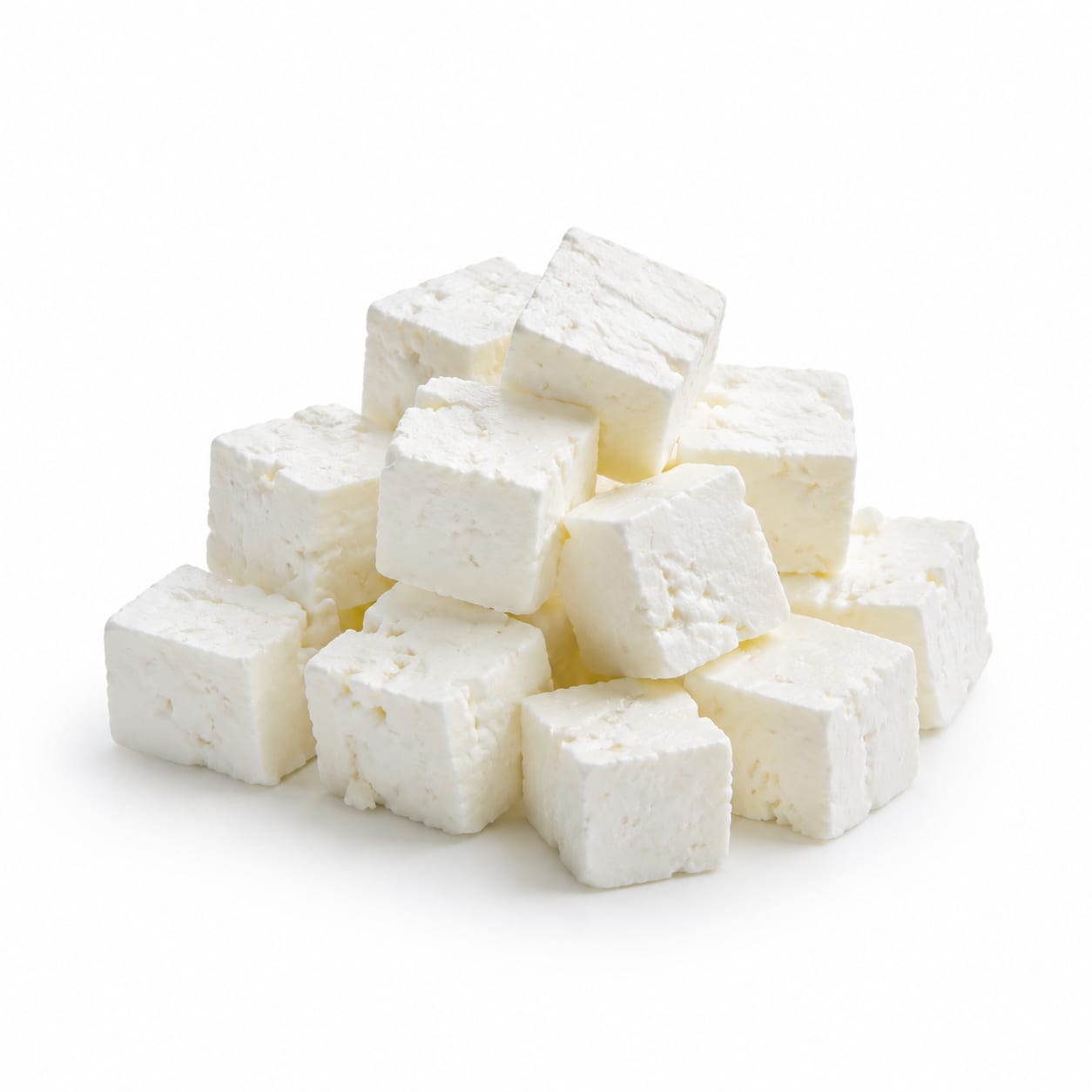
Feta Cheese
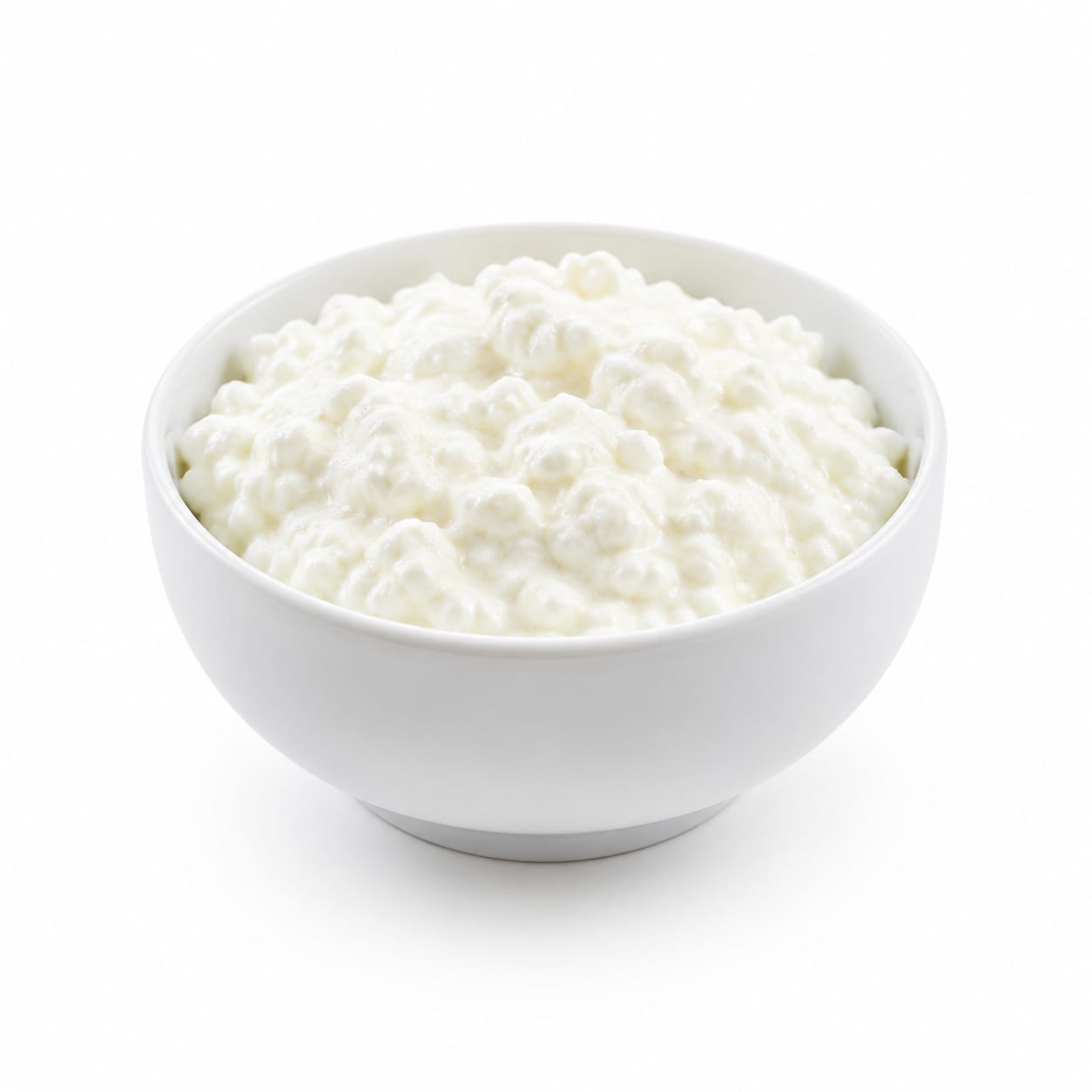
Cottage Cheese
Cottage Cheese wins for protein and everyday health, while Feta Cheese brings bold flavor but carries a heavy sodium hit.
Cottage Cheese scores significantly higher due to its superior protein content, lower sodium, and better fit for daily health goals. Feta Cheese remains a flavorful accent but is less suitable as a dietary staple.
High protein and mild versatility versus rich taste and high sodium.
At a glance
Executive summary
Overall
Cottage Cheese
Healthier
Cottage Cheese
More practical
Cottage Cheese
Daily use
Cottage Cheese
Key comparison lenses
Protein intake and muscle support
Cottage Cheese is a massive protein source, while Feta is primarily a fat and flavor source.
Sodium levels and heart health
Feta is brined and extremely high in sodium, making it a concern for daily consumption compared to Cottage Cheese.
Weight loss and satiety
Cottage Cheese offers high volume and protein for low calories, whereas Feta is calorie-dense and less filling.
Low-carb and keto diet compatibility
Both are low in carbs, but Feta's higher fat content makes it specifically attractive for keto followers.
Best choice for
Feta Cheese
- Keto and high-fat diets
- Mediterranean diet salads
- Flavor-focused accent dishes
Cottage Cheese
- High-protein diets
- Weight loss and fat loss
- Post-workout recovery
Least suitable for
Feta Cheese
- Low-sodium diets
- Hypertension management
- Large portion snacking
Cottage Cheese
- Lactose-sensitive individuals
- Those who dislike textured curds
Deep comparison
Dimension by dimension
Each lens scores both foods and breaks down who each option suits.
- Dimension 1 · Priority 95Cottage Cheese
Protein & Satiety
Feta Cheese · 30Cottage Cheese · 95Cottage Cheese is a protein powerhouse, while Feta provides minimal protein per serving.
Tradeoff
You sacrifice bold flavor for massive satiety and muscle support with Cottage Cheese.
Why it matters
Protein keeps you full and stabilizes blood sugar, making Cottage Cheese far more satisfying.
Real-world impact
A bowl of Cottage Cheese will keep you full for hours; Feta will leave you hungry again quickly.
Feta Cheese
- Adding savory flavor without relying on meat
Better for
- Feeling full on a low-calorie budget
- Muscle building
Worse for
Cottage Cheese
- Post-workout recovery
- Staying full until lunch
Better for
- Dishes where a salty, crumbly texture is essential
Worse for
- Dimension 2 · Priority 90Cottage Cheese
Sodium & Heart Health
Feta Cheese · 25Cottage Cheese · 70Feta is soaked in brine, making it exceptionally high in sodium compared to the milder Cottage Cheese.
Tradeoff
Feta delivers a salty punch that elevates meals, but it can easily push your daily sodium intake over the edge.
Why it matters
Excess sodium raises blood pressure and increases cardiovascular risk over time.
Real-world impact
Eating a full serving of Feta can use up a third of your daily sodium allowance, whereas Cottage Cheese fits comfortably into a heart-healthy plan.
Feta Cheese
- Satisfying salt cravings in small amounts
Better for
- Managing hypertension
- Avoiding water retention
Worse for
Cottage Cheese
- Keeping blood pressure in check
- Eating cheese daily without worry
Better for
- When you need a strongly seasoned cheese
Worse for
- Dimension 3 · Priority 85Cottage Cheese
Fat Profile & Calorie Density
Feta Cheese · 50Cottage Cheese · 85Feta is significantly higher in fat and calories, while Cottage Cheese offers a lean, high-volume alternative.
Tradeoff
Feta provides a richer mouthfeel, but Cottage Cheese lets you eat more volume for fewer calories.
Why it matters
Lower calorie density makes it easier to maintain or lose weight without feeling deprived.
Real-world impact
You can eat a generous cup of Cottage Cheese for the same calories as a small sprinkle of Feta.
Feta Cheese
- Keto and low-carb diets
- Adding richness to salads
Better for
- Keeping calories low
- Fat loss phases
Worse for
Cottage Cheese
- Calorie-controlled diets
- Late-night snacking without guilt
Better for
- High-fat, low-carb meal plans
Worse for
- Dimension 4 · Priority 75It depends
Culinary Versatility & Flavor
Feta Cheese · 85Cottage Cheese · 75Feta is a specialized flavor enhancer, while Cottage Cheese is a blank canvas for both sweet and savory dishes.
Tradeoff
Feta instantly upgrades a dish with its tangy profile, but Cottage Cheese adapts to almost any meal or snack.
Why it matters
A versatile food is easier to incorporate into daily routines and meal prep.
Real-world impact
Cottage Cheese works in smoothies, bowls, and baking; Feta is mostly confined to savory salads and Mediterranean plates.
Feta Cheese
- Greek salads
- Roasted vegetable toppings
Better for
- Sweet recipes
- Breakfast smoothies
Worse for
Cottage Cheese
- Breakfast bowls
- Smoothies
- High-protein dips
Better for
- When you need a distinct, bold cheese flavor
Worse for
- Dimension 5 · Priority 70It depends
Bone Health & Micronutrients
Feta Cheese · 75Cottage Cheese · 80Both offer calcium and B vitamins, but Cottage Cheese delivers more protein-bound nutrients without the sodium drawback.
Tradeoff
Feta provides a good calcium boost, but the accompanying sodium somewhat negates the bone-health benefits.
Why it matters
Calcium is crucial for bone density, but high sodium can actually leach calcium from bones.
Real-world impact
Cottage Cheese supports bone health without the hidden cost of excessive salt.
Feta Cheese
- Getting calcium in a keto-friendly package
Better for
- Those at risk for osteoporosis who also have high blood pressure
Worse for
Cottage Cheese
- Long-term bone and cardiovascular health
Better for
- Situations where you need a concentrated, low-lactose calcium source
Worse for
Timeline
Health impact over time
Short-term
Hours to days
Feta Cheese
- Quick salty satisfaction
- May trigger thirst due to high sodium
Cottage Cheese
- Highly filling
- Steady energy without a crash
Long-term
Months to years
Feta Cheese
- Risk of elevated blood pressure if consumed frequently
- Contributes to saturated fat intake
Cottage Cheese
- Supports muscle maintenance and healthy aging
- Easier on the cardiovascular system
Risk profile
Safety & processing
Both are relatively simple dairy products, though Feta requires a brining process that adds significant sodium. Cottage Cheese is closer to fresh curd with minimal intervention.
Feta Cheese
High sodium load
highFeta is stored in brine, making it one of the saltiest cheeses available, which is a direct risk for blood pressure.
Listeria (unpasteurized)
mediumTraditional Feta is made from unpasteurized sheep or goat milk, which carries a slight risk for pregnant women.
Cottage Cheese
Spoilage
lowHighly perishable once opened and needs strict refrigeration, but generally very safe.
Who wins for whom
Audience fit
Same foods, different winners depending on your goal.
children
It dependsCottage Cheese is a great mild protein source for kids, but Feta can be introduced in small amounts for flavor exposure if sodium is managed elsewhere.
daily consumption
Cottage CheeseIts nutritional profile supports daily eating without excessive sodium or saturated fat.
diabetes
Cottage CheeseLower in carbohydrates and sodium, with higher protein to stabilize blood sugar.
elderly
Cottage CheeseHigh protein helps prevent age-related muscle loss, and lower sodium protects heart health.
muscle gain
Cottage CheeseCasein protein in Cottage Cheese digests slowly, providing a steady amino acid stream ideal for muscle repair.
weight loss
Cottage CheeseCottage Cheese provides high volume and protein for very few calories, keeping you full longer.
Your move
Decision guide
Choose Feta Cheese
- You need a flavor punch for a salad or roasted veggies
- You follow a keto diet and want a higher-fat cheese
- You are making a Mediterranean-inspired dish
Choose Cottage Cheese
- You want a high-protein breakfast or snack
- You are watching your blood pressure or sodium intake
- You need a filling, low-calorie base for meals
Either works if
- You want a low-carb cheese option
- You need a dairy source of calcium
Avoid both if
- You have a severe dairy allergy
- You are strictly vegan
Final recommendation
Use Cottage Cheese as your daily protein workhorse and keep Feta Cheese as a flavorful garnish rather than a main course.
Practical
Consumer tips
- 1
Rinsing Feta under cold water before serving can remove some surface sodium.
- 2
Opt for low-sodium Cottage Cheese if blood pressure is a primary concern.
- 3
Blend Cottage Cheese with a hand blender for a smooth ricotta-like texture if you dislike the curds.