
Nutrition comparison
Feta Cheese vs Mozzarella: Which is Healthier?
Compare Feta Cheese vs Mozzarella on sodium, protein, calcium, and taste. Find out which cheese is better for weight loss, melting, and daily snacking.
Overall winner · Mozzarella
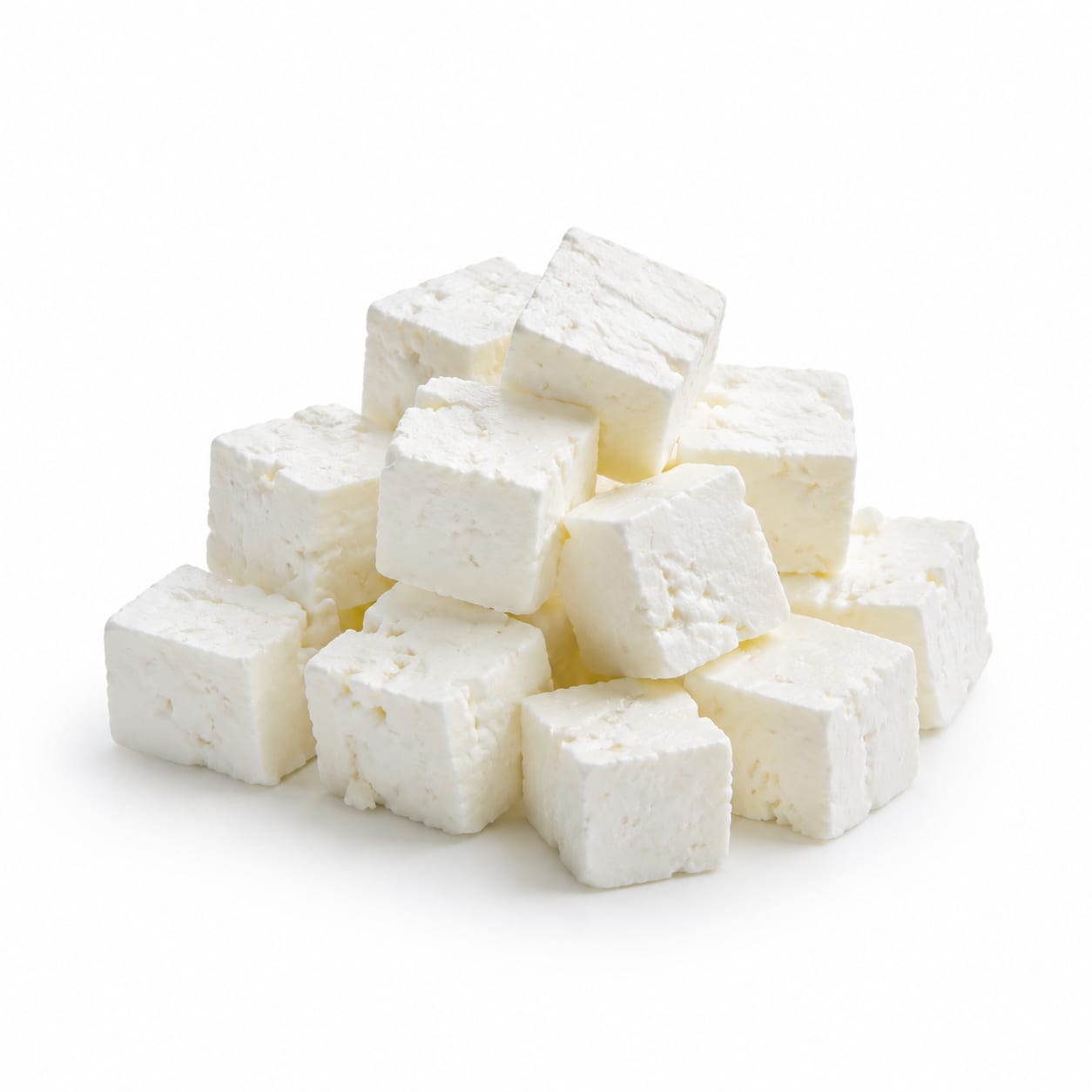
Feta Cheese
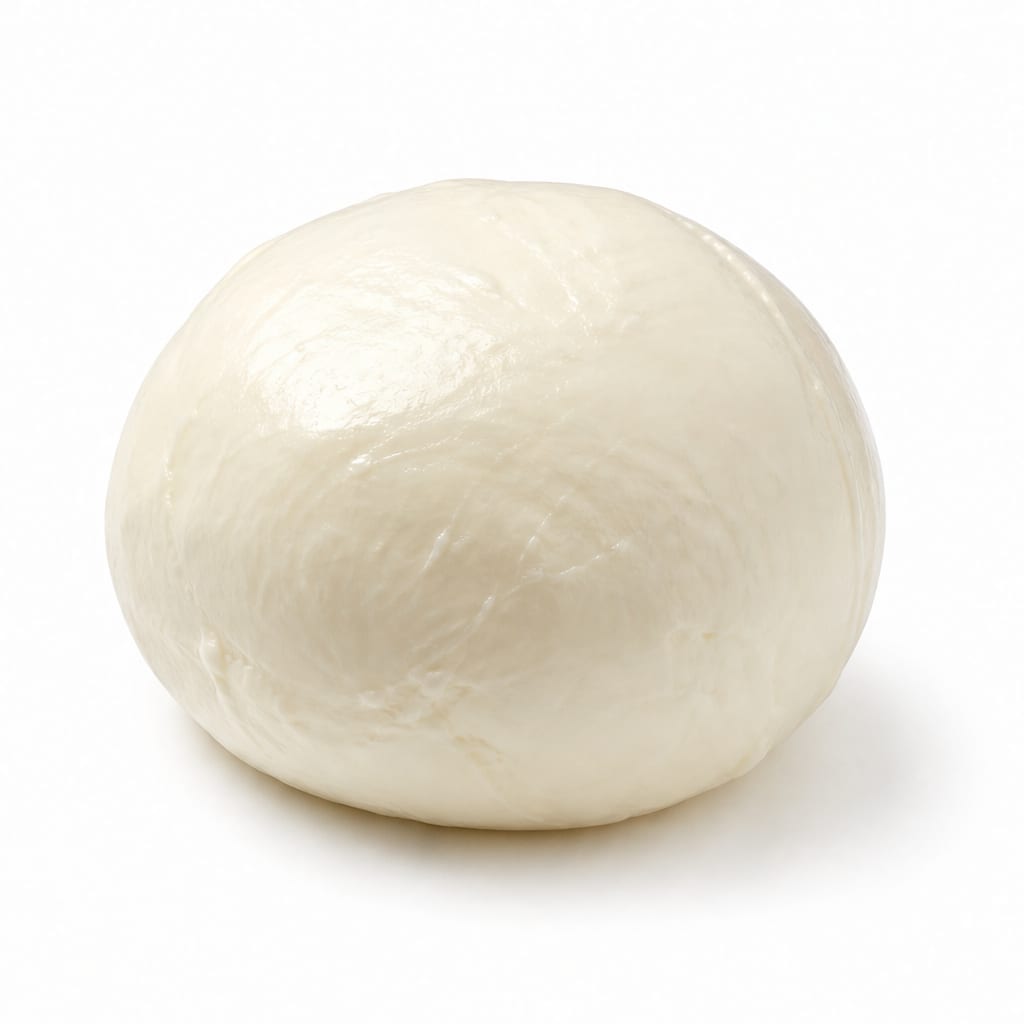
Mozzarella
Mozzarella is the safer daily driver thanks to lower sodium and higher protein, while Feta Cheese is a flavor-forward treat best used in moderation.
Mozzarella scores higher primarily due to its significantly lower sodium content and higher protein density, making it more suitable for regular consumption. Feta Cheese loses ground on daily health metrics because of its extreme salt load.
Intense salty tang and crumbly texture versus mild flavor, meltability, and a much friendlier sodium profile.
At a glance
Executive summary
Overall
Mozzarella
Healthier
Mozzarella
More practical
Mozzarella
Daily use
Mozzarella
Key comparison lenses
Sodium and blood pressure impact
Feta Cheese is brined and extremely high in sodium, while Mozzarella is comparatively low, making this the biggest health tradeoff.
Protein and satiety for snacking
Mozzarella provides more protein per calorie, making it a better standalone snack for staying full.
Culinary use and melting behavior
Mozzarella melts smoothly for hot dishes, whereas Feta Cheese crumbles and browns, suited for cold or finishing dishes.
Lactose tolerance
Both are relatively low in lactose, but Mozzarella is often easier on sensitive stomachs.
Best choice for
Feta Cheese
- Mediterranean salads
- Finishing dishes with a salty kick
- Occasional flavor boosting
Mozzarella
- Daily snacking
- Melting on pizzas and pasta
- High-protein low-carb diets
Least suitable for
Feta Cheese
- People watching their blood pressure
- Daily heavy consumption
- Mild-flavored dishes where salt would overpower
Mozzarella
- Dishes needing a sharp, tangy punch
- Vegan diets
- Crumbly salad toppings
Deep comparison
Dimension by dimension
Each lens scores both foods and breaks down who each option suits.
- Dimension 1 · Priority 95Mozzarella
Sodium Load
Feta Cheese · 15Mozzarella · 80Feta Cheese packs a massive sodium punch due to its brine aging, while Mozzarella is surprisingly mild in salt.
Tradeoff
You get bold flavor from Feta Cheese but at the cost of water retention and blood pressure spikes.
Why it matters
High sodium intake is a leading driver of hypertension and bloating, especially if eaten frequently.
Real-world impact
Eating Feta Cheese at lunch might leave you reaching for water all afternoon and feeling puffy by evening.
Feta Cheese
- Flavor satisfaction with less cheese needed
Better for
- Heart health if consumed daily
- Thirst and water retention
Worse for
Mozzarella
- Blood pressure management
- Avoiding afternoon bloating
Better for
- Dishes that need a salty backbone
Worse for
- Dimension 2 · Priority 85Mozzarella
Protein & Satiety
Feta Cheese · 65Mozzarella · 85Mozzarella delivers more protein per ounce and per calorie, keeping you fuller for longer.
Tradeoff
Feta Cheese is richer and creamier but less filling, making it easier to overeat.
Why it matters
Protein is key for muscle maintenance and preventing cravings between meals.
Real-world impact
A Mozzarella string cheese stick is a satisfying afternoon snack that kills hunger; Feta Cheese leaves you wanting more.
Feta Cheese
- Rich mouthfeel with smaller portions
Better for
- Appetite control
Worse for
Mozzarella
- Post-workout recovery
- Staying full between meals
Better for
- Richness in flavor
Worse for
- Dimension 3 · Priority 75Mozzarella
Calcium Content
Feta Cheese · 70Mozzarella · 85Mozzarella is one of the best cheese sources of calcium, outpacing Feta Cheese by a noticeable margin.
Tradeoff
Both support bone health, but Mozzarella gets you there faster with fewer calories and less salt.
Why it matters
Adequate calcium is crucial for bone density and muscle function, especially as you age.
Real-world impact
Choosing Mozzarella helps you hit your daily calcium goals without maxing out your sodium budget.
Feta Cheese
- Adding calcium to Mediterranean-style meals
Better for
- Calcium-to-sodium ratio
Worse for
Mozzarella
- Meeting daily calcium needs efficiently
- Bone health for older adults
Better for
- None significant
Worse for
- Dimension 4 · Priority 80Mozzarella
Culinary Versatility
Feta Cheese · 55Mozzarella · 90Mozzarella melts beautifully into stretchy goodness, while Feta Cheese crumbles and holds its shape when heated.
Tradeoff
Feta Cheese excels as a finishing salt-bomb, but Mozzarella is the backbone of countless hot and cold dishes.
Why it matters
A versatile cheese makes meal prep easier and fits into more recipes without extra ingredients.
Real-world impact
Mozzarella works for pizza, caprese, and sandwiches; Feta Cheese is mostly relegated to salads and savory baking.
Feta Cheese
- Greek and Mediterranean specific dishes
- Watermelon pairings
Better for
- Hot sandwiches
- Melting applications
Worse for
Mozzarella
- Pizza and pasta melting
- Grilled cheese and paninis
- Cold snacks
Better for
- Providing a salty, tangy contrast
Worse for
- Dimension 5 · Priority 70Mozzarella
Digestive Tolerance
Feta Cheese · 60Mozzarella · 75Mozzarella is very low in lactose, while Feta Cheese is moderately low but can still trigger sensitive stomachs.
Tradeoff
If dairy upsets your stomach, Mozzarella is generally the safer bet, especially fresh varieties.
Why it matters
Lactose intolerance affects a huge portion of adults, making easy digestion a major quality-of-life factor.
Real-world impact
You can enjoy Mozzarella without worrying as much about bloating or stomach cramps after dinner.
Feta Cheese
- Easier digestion than hard aged cheeses
Better for
- People with high lactose sensitivity
Worse for
Mozzarella
- Lactose-sensitive individuals
- Gentle on the stomach
Better for
- Dairy allergies (both are equally bad)
Worse for
Timeline
Health impact over time
Short-term
Hours to days
Feta Cheese
- Thirst and water retention from high sodium
- Quick satiety from rich fat content
Mozzarella
- Steady energy and fullness from protein
- Mild digestion with low lactose
Long-term
Months to years
Feta Cheese
- Increased blood pressure risk if eaten frequently
- Potential bone support from calcium, offset by sodium loss
Mozzarella
- Better muscle maintenance from higher protein
- Stronger bone density from high calcium without the sodium drawback
Risk profile
Safety & processing
Feta Cheese is processed with a salt brine for aging and preservation, while fresh Mozzarella is simply stretched curd in water. Both are natural cheeses with minimal artificial additives, but Mozzarella undergoes less manipulation.
Feta Cheese
Listeria from unpasteurized milk
mediumTraditional Feta Cheese is made from unpasteurized sheep or goat milk, posing a risk for pregnant women if not clearly labeled as pasteurized.
Excessive sodium intake
highA single serving can contain nearly a third of your daily sodium limit, risking cardiovascular strain.
Mozzarella
Listeria from fresh unpasteurized varieties
mediumFresh Mozzarella can harbor Listeria if made from raw milk, though most commercial versions use pasteurized milk.
Spoilage if not refrigerated
lowFresh Mozzarella has a shorter shelf life and can spoil quickly if left out, unlike low-moisture Mozzarella.
Who wins for whom
Audience fit
Same foods, different winners depending on your goal.
children
MozzarellaKids love the mild flavor and stringy texture, and parents appreciate the lower sodium and high calcium for growing bones.
daily consumption
MozzarellaMozzarella is gentle enough on your sodium budget to be eaten every day, while Feta Cheese is best kept to a few times a week.
diabetes
MozzarellaBoth have near-zero carbs, but Mozzarella's lower sodium is better for the heart health risks associated with diabetes.
elderly
MozzarellaThe calcium-to-sodium ratio is crucial for aging bones and blood pressure, giving Mozzarella a clear edge.
muscle gain
MozzarellaHigher protein content per ounce makes Mozzarella a better building block for muscle repair.
weight loss
MozzarellaMozzarella offers more protein and fewer calories per serving, keeping you full without the bloating from sodium.
Your move
Decision guide
Choose Feta Cheese
- You are making a Greek salad or Mediterranean flatbread
- You want a small amount of cheese to deliver a huge flavor punch
- You rarely eat cheese and want something memorable when you do
Choose Mozzarella
- You want a daily high-protein snack that melts well
- You are watching your blood pressure or sodium intake
- You are making pizza, lasagna, or a caprese salad
Either works if
- You need a low-carb, keto-friendly cheese addition to a meal
- You are looking to increase your daily calcium intake
Avoid both if
- You have a severe dairy allergy
- You are on a strict vegan diet
Final recommendation
Keep Mozzarella in your fridge for everyday eating, cooking, and snacking. Treat Feta Cheese as a flavor enhancer you add a crumble of here and there, rather than a staple cheese.
Practical
Consumer tips
- 1
Rinsing Feta Cheese under cold water can remove some surface salt, making it slightly milder.
- 2
Opt for part-skim Mozzarella to get the highest protein-to-calorie ratio for snacking.
- 3
If buying Feta Cheese, look for blocks stored in brine rather than pre-crumbled for better texture and flavor.
- 4
Fresh Mozzarella spoils faster than low-moisture; eat it within a few days of opening.