
Nutrition comparison
Feta Cheese vs Goat Cheese: Nutrition, Digestion & Health Comparison
Compare feta cheese vs goat cheese to see which is healthier. Learn about sodium, lactose, protein, and digestion to make the best choice for your diet.
Overall winner · Goat Cheese
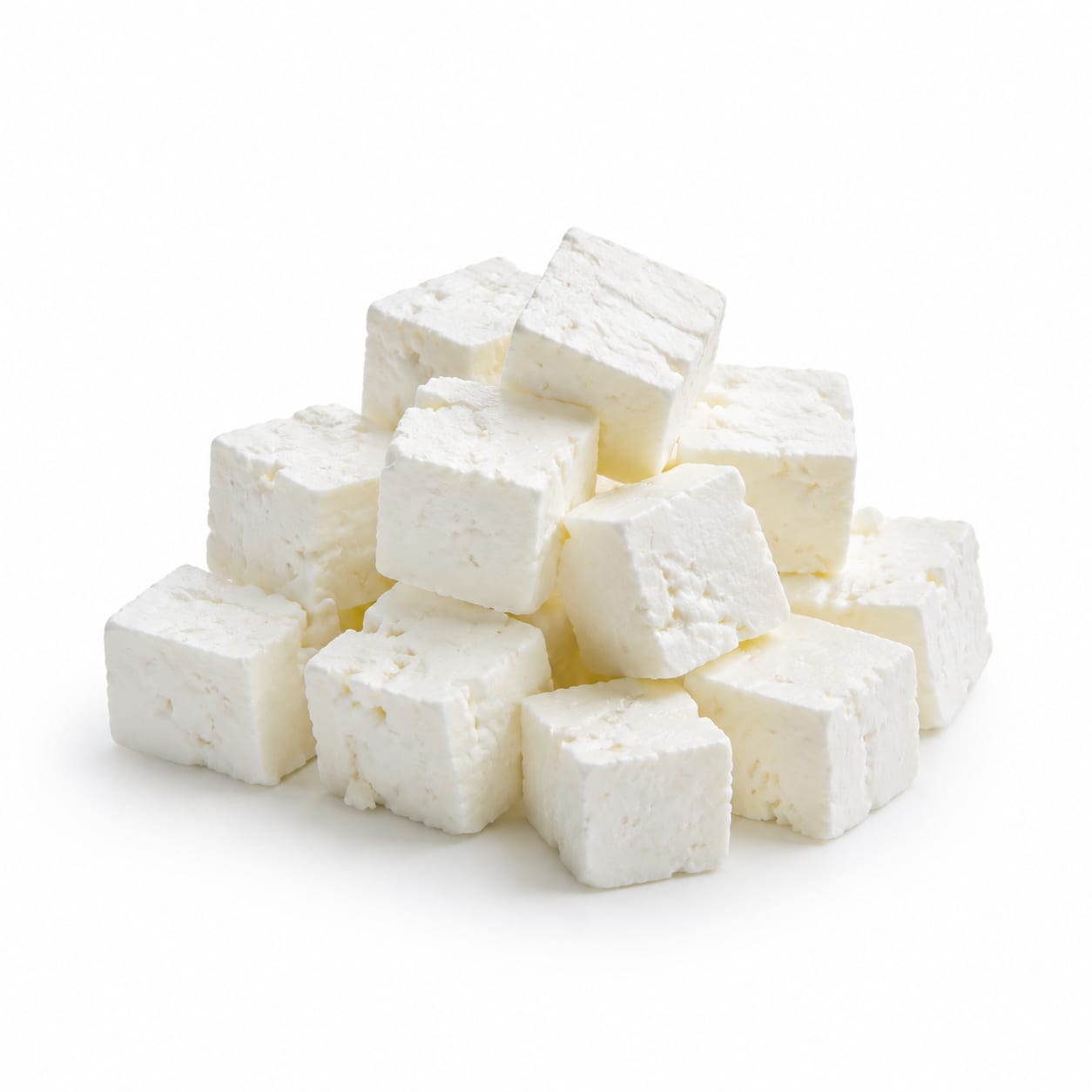
Feta Cheese
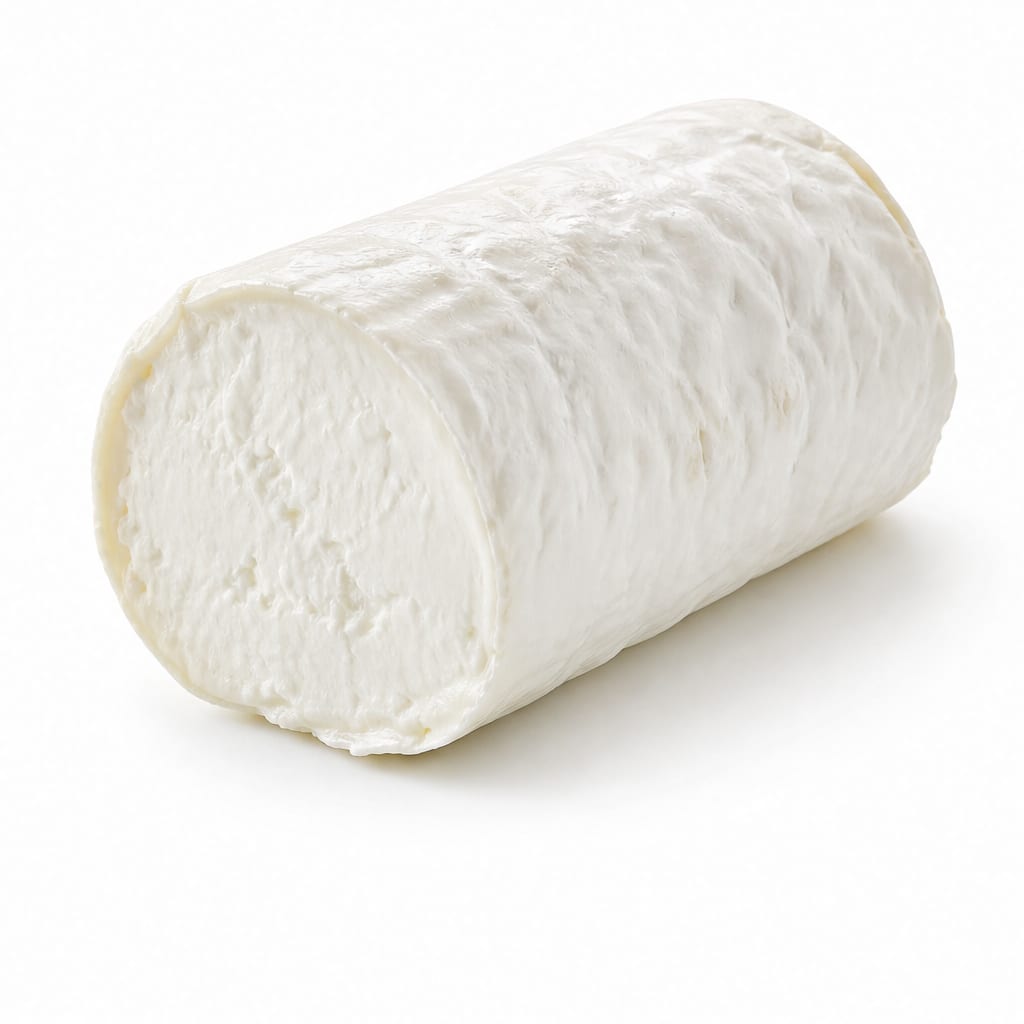
Goat Cheese
Goat cheese wins for everyday eating due to easier digestion and far less sodium, though feta brings more protein and a bolder salad bite.
Goat cheese scores higher primarily due to its digestive friendliness and significantly lower sodium. Feta remains a strong option but its extreme salt content limits daily usability.
You trade feta's high sodium and potential digestive friction for goat cheese's creamier, gentler, and lower-salt experience.
At a glance
Executive summary
Overall
Goat Cheese
Healthier
Goat Cheese
More practical
Goat Cheese
Daily use
Goat Cheese
Key comparison lenses
digestive tolerance
Goat cheese is significantly easier to digest for people with mild lactose intolerance or cow dairy sensitivities
sodium intake
Feta is a brined cheese with a massive sodium load, making it a concern for blood pressure management
culinary use and flavor
Feta provides a salty crumbly bite while goat cheese offers a creamy tangy spread, changing how they are used in meals
protein and nutrient density
Feta generally packs slightly more protein per serving, while goat cheese offers a slightly different fatty acid profile
Best choice for
Feta Cheese
- Greek-style salads and watermelon pairings
- Those needing higher protein from dairy
- Craving a sharp, salty flavor punch in small amounts
Goat Cheese
- People with cow dairy sensitivities
- Those watching their blood pressure
- Creamy spreads, dips, and pizza toppings
Least suitable for
Feta Cheese
- Low-sodium diets
- People with lactose intolerance
- Late-night snacking due to thirst-inducing salt
Goat Cheese
- Strict low-fat diets if using full-fat varieties
- Those who dislike tangy flavors
- Crumbly salad topping needs
Deep comparison
Dimension by dimension
Each lens scores both foods and breaks down who each option suits.
- Dimension 1 · Priority 92Goat Cheese
digestive_tolerance
Feta Cheese · 45Goat Cheese · 90Goat cheese is much gentler on the stomach, while feta can trigger bloating in sensitive individuals.
Tradeoff
Choosing feta means risking digestive discomfort if you have any lactose sensitivity, whereas goat cheese offers smooth digestion with similar satisfaction.
Why it matters
Many adults lose the enzyme needed to break down cow milk lactose, making feta a common hidden trigger for bloating or gas.
Real-world impact
Eating feta might leave you feeling puffy after a salad, while goat cheese digests quietly without the aftermath.
Feta Cheese
- Those with zero lactose sensitivity
Better for
- Irritable bowel syndrome sufferers
Worse for
Goat Cheese
- Anyone with mild to moderate lactose intolerance
- People prone to post-meal bloating
Better for
- Those with specific goat milk allergies
Worse for
- Dimension 2 · Priority 88Goat Cheese
sodium_and_heart_health
Feta Cheese · 30Goat Cheese · 70Feta is soaked in brine, delivering a massive sodium hit. Goat cheese is naturally much lower in salt.
Tradeoff
Feta's signature salty flavor comes at the cost of heavy sodium intake, whereas goat cheese offers a tangy flavor without the blood pressure spike.
Why it matters
High sodium intake directly drives up blood pressure and causes water retention, making feta a risky everyday choice.
Real-world impact
A feta-heavy salad can leave you reaching for water all afternoon and feeling puffy the next day.
Feta Cheese
- Athletes needing sodium replenishment after heavy sweating
Better for
- Hypertension patients
- Kidney disease sufferers
Worse for
Goat Cheese
- Anyone monitoring blood pressure
- People prone to water retention
Better for
- Craving intense savory flavor without adding extra salt
Worse for
- Dimension 3 · Priority 70Feta Cheese
protein_density
Feta Cheese · 78Goat Cheese · 65Feta contains slightly more protein per serving than goat cheese, making it a marginally better muscle-supporting option.
Tradeoff
You get a small protein boost with feta, but it comes packaged with the heavy sodium load.
Why it matters
Protein from dairy helps maintain muscle and keeps you full, though the difference here is relatively small.
Real-world impact
Feta will keep you slightly more full after a meal, but not enough to justify the salt if digestion is an issue.
Feta Cheese
- Vegetarians seeking convenient protein sources
- Light muscle maintenance diets
Better for
- High-protein diets needing large servings
Worse for
Goat Cheese
- Those prioritizing nutrient balance over pure protein
Better for
- Very low-calorie cutting phases
Worse for
- Dimension 4 · Priority 75It depends
culinary_versatility
Feta Cheese · 75Goat Cheese · 80Feta excels at crumbly toppings and salty contrasts, while goat cheese shines as a creamy base or spread.
Tradeoff
Feta gives you texture and salt bombs; goat cheese gives you creaminess and tang.
Why it matters
How you cook dictates which works better, as they are rarely direct substitutes for each other.
Real-world impact
Use feta to finish a Mediterranean bowl, but reach for goat cheese to spread on a sandwich or melt on a flatbread.
Feta Cheese
- Mediterranean salads
- Savory baked goods
Better for
- Smooth sauces and spreads
Worse for
Goat Cheese
- Sandwiches and wraps
- Pizza and pasta additions
- Appetizer spreads
Better for
- Crumbly salad garnishes
Worse for
Timeline
Health impact over time
Short-term
Hours to days
Feta Cheese
- Can cause immediate thirst due to high brine content
- May trigger bloating or gas in lactose-sensitive individuals
Goat Cheese
- Provides steady, comfortable digestion
- Offers a satisfying creamy mouthfeel without excessive salt
Long-term
Months to years
Feta Cheese
- Regular consumption may contribute to elevated blood pressure
- Occasional use poses minimal risk but daily use adds up fast
Goat Cheese
- Easier daily inclusion without cardiovascular strain
- Contains medium-chain fatty acids that are easier to metabolize
Risk profile
Safety & processing
Both are traditional fermented dairy products, but feta requires a brining step that adds significant sodium. Goat cheese is often sold fresher with minimal intervention.
Feta Cheese
High sodium load
highThe brining process loads feta with sodium, posing a direct risk to blood pressure and heart health if eaten frequently.
Listeria from unpasteurized milk
mediumTraditional feta made from raw milk can carry listeria, a risk for pregnant women, though most commercial versions use pasteurized milk.
Goat Cheese
Listeria from unpasteurized milk
mediumFresh goat cheese made from raw milk carries listeria risk, so pregnant women should verify pasteurization.
Cross-reactivity for cow dairy allergy
lowWhile most with cow dairy issues tolerate goat cheese, a small percentage with severe allergies may still react.
Who wins for whom
Audience fit
Same foods, different winners depending on your goal.
children
Goat CheeseGoat cheese is gentler on developing digestive systems and lacks the extreme sodium levels found in feta.
daily consumption
Goat CheeseGoat cheese can be eaten daily without spiking sodium intake or causing digestive buildup.
diabetes
Goat CheeseBoth have minimal carbs, but goat cheese's lower sodium makes it safer for cardiovascular health, which is crucial for diabetics.
elderly
Goat CheeseLower sodium and easier digestion make goat cheese much safer for aging hearts and stomachs.
muscle gain
Feta CheeseFeta provides slightly more protein per serving, giving it a minor edge for muscle maintenance.
weight loss
Goat CheeseGoat cheese is lower in sodium, reducing water retention, and its creamy texture feels more indulgent in smaller portions.
Your move
Decision guide
Choose Feta Cheese
- You are making a Greek salad and need that authentic salty crumble
- You have no lactose issues and want a slightly higher protein topping
- You are sweating heavily and actually need the extra salt
Choose Goat Cheese
- You have any sensitivity to cow dairy or lactose
- You are watching your blood pressure or sodium intake
- You want a creamy spread for toast or a mild melting cheese
Either works if
- You just want a flavorful cheese addition and have no specific health restrictions
- You are cooking a dish where either texture could work
Avoid both if
- You are on a strict vegan diet
- You have severe dairy allergies to both cow and goat milk
Final recommendation
Keep goat cheese as your everyday fridge staple for its digestive ease and heart-friendly sodium levels. Treat feta as a flavor enhancer to use a few times a week when a specific recipe calls for that salty bite.
Practical
Consumer tips
- 1
Rinse feta under cold water before eating to wash away some surface brine and reduce sodium
- 2
Check labels to ensure goat cheese is made from 100% goat milk for maximum digestibility
- 3
Buy feta stored in block form in brine rather than pre-crumbled for better flavor and fewer additives
- 4
If pregnant, always verify that either cheese is made from pasteurized milk