
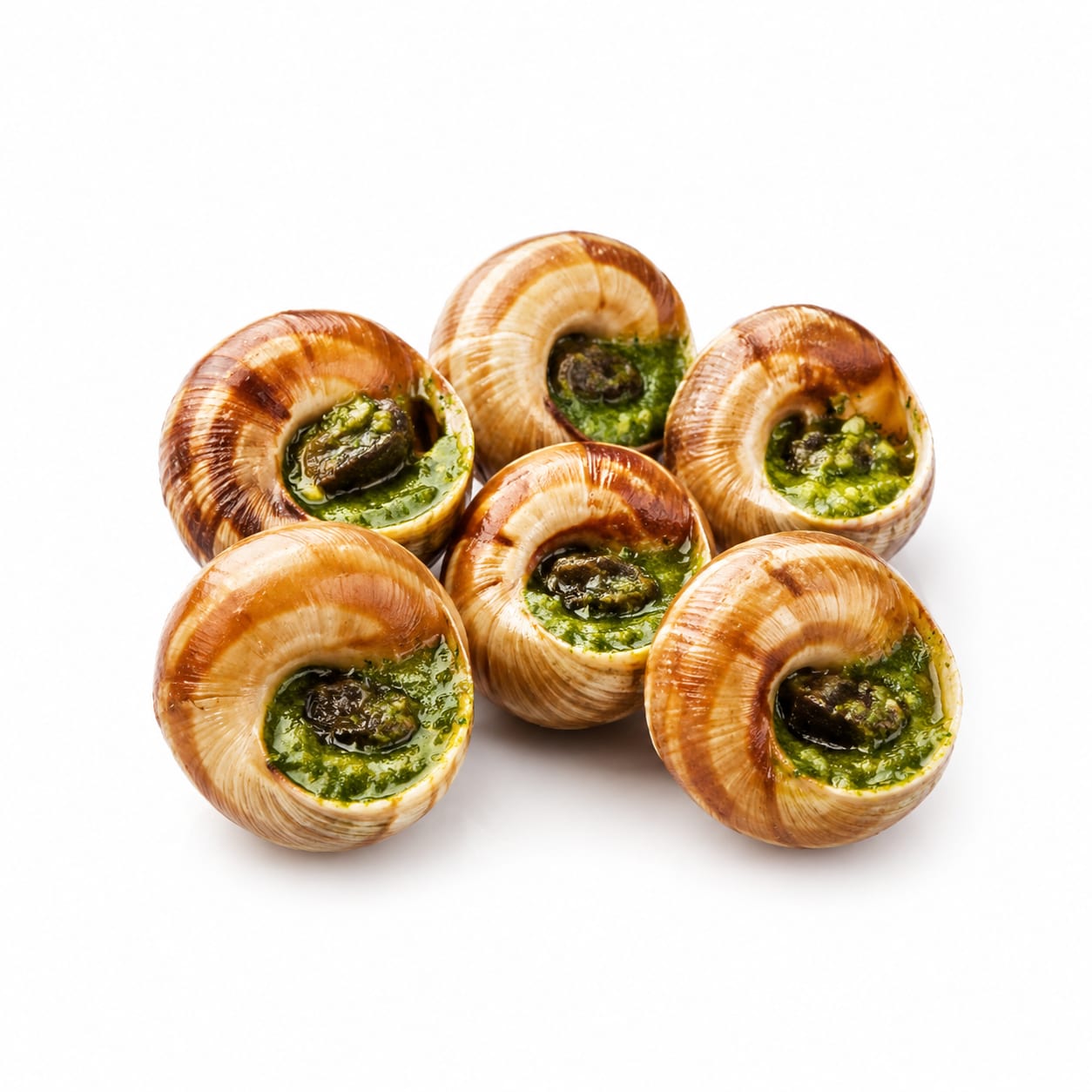
Seafood / Exotic Meat
Escargot
Escargot is an edible land snail served as a lean, protein-rich delicacy, often cooked with garlic butter.
Edible land snails typically served as an appetizer, most famously prepared with garlic, butter, and parsley in French cuisine.
lean protein-dense mollusk
Typical serving · 85g
Common varieties · Helix pomatia (Burgundy snail), Helix aspersa (Petit-Gris), Helix lucorum (Turkish snail), Cornu aspersum (Garden snail)
Overall context score across nutrition, safety, and diet fit
At a glance
Quick facts
Simple indicators based on nutrition, processing, and diet fit.
The story
What makes it unique
Escargot is a high-protein, low-carbohydrate food with a moderate digestion speed due to its dense muscle tissue. Its natural macronutrient profile is exceptionally lean, consisting mostly of protein and water, though traditional culinary preparations frequently add significant saturated fat. Satiety is high because of the concentrated protein content.
Varieties: Helix pomatia (Burgundy snail) · Helix aspersa (Petit-Gris) · Helix lucorum (Turkish snail) · Cornu aspersum (Garden snail)
Per 100g
Nutrition breakdown
Macro balance and key metrics at a glance.
Energy
Density 0.90 kcal/g
Protein
Carbs
Fat
Fiber
Sugar
0 g
Sodium
70 mg
Potassium
250 mg
Glycemic index
0
Glycemic load
0
Water content
79%
Standout compounds
Nutrient highlights
Protein
highsupports muscle growth and repair
Selenium
highacts as an antioxidant and supports thyroid function
Iron
moderateessential for oxygen transport in the blood
Vitamin B12
moderatecrucial for nerve function and DNA synthesis
Wellness map
Health scores & processing
NOVA processing scale
minimally processed (fresh) or processed (canned) · Whole food
Fresh or frozen escargot is a whole unprocessed food. Canned versions may contain added salt or preservatives, while restaurant preparations typically add butter and garlic.
Diet compatibility
- Weight loss
- Muscle gain
- Diabetes
- Gut health
- Low carb
- High protein
- Heart health
Relative standing
Food rankings
Qualitative ranks compared to similar whole foods.
- Satietygood
- Blood sugarexcellent
- Nutrient densitygood
- Fitness fuelgood
- Processing qualityexcellent
Eat with confidence
Food safety profile
Escargot must be thoroughly cooked to eliminate parasites and bacteria. Farmed snails are generally safer than wild-caught due to controlled diets and environments.
Evidence confidence 85%
- Pesticidesmoderate
- Antibioticslow
- Heavy metalsmoderate
- Contaminationmoderate
Watch for
- Angiostrongylus cantonensis (rat lungworm)
- Salmonella
- heavy metals from soil
Safer choices
Farmed escargot from reputable suppliers
Prep tips
Purge live snails with cornmeal or flour for several days before cooking to clear their digestive tracts. Boil thoroughly before baking or sautéing.
Farmed snails are regulated for safety; wild foraging carries higher risk of parasite and pesticide exposure.
Deep dive
Health analysis
How this food may fit different goals and preparation choices.
Weight loss
Naturally very low in calories and fat, making it excellent for weight loss if not prepared with heavy butter sauces.
Blood sugar
Contains virtually zero carbohydrates, resulting in no glycemic impact and making it ideal for blood sugar management.
Fitness & energy
Provides high-quality protein for muscle repair, though it lacks fast carbohydrates for immediate post-workout glycogen replenishment.
Gut health
Easily digestible lean protein, but lacks dietary fiber, so it does not directly support microbiome diversity.
Processing quality
Fresh or frozen snails are whole foods; canned versions may have added sodium, while restaurant versions are defined by their high-fat sauces.
Food safety
Requires strict cooking to neutralize potential parasites; farmed varieties are strongly preferred over wild foraging.
Common mistakes
Assuming restaurant escargot is a low-fat dish due to its lean natural state, ignoring the garlic butter it is cooked and served in.
Best preparation
Steaming or boiling first, then baking with a moderate amount of olive oil, garlic, and herbs instead of heavy butter.
Practical guide
Best use cases
When and how this food fits real eating patterns.
high-protein low-carb appetizer
Ideal for ketogenic or low-carb diets when prepared with olive oil instead of butter.
elegant weight-loss meal
Provides a high-satiety, low-calorie protein source for dieters seeking gourmet options.
iron-rich food for anemia
Offers a highly bioavailable source of iron to support red blood cell production.
Balance sheet
Pros & cons
Upsides
- Very high protein content relative to calories
- Naturally extremely low in carbohydrates
- Good source of selenium and iron
- Low energy density in its natural state
- Zero glycemic impact
Trade-offs
- Often prepared with high-fat, high-calorie garlic butter
- Risk of parasites if not properly cooked
- Lacks dietary fiber
- Can accumulate heavy metals from soil if wild-caught
- High culinary barrier for many people
Fit check
Who is it for?
Great match
- low-carb diets
- high-protein meal plans
- blood sugar management
- gourmet weight loss dining
Consider alternatives
- vegans and vegetarians
- those with shellfish or mollusk allergies
- strict low-fat diets if prepared traditionally
Side by side
How it compares
Open the full head-to-head analysis for nutrition, safety, and practical tradeoffs.
This food
Escargot
VS85% alike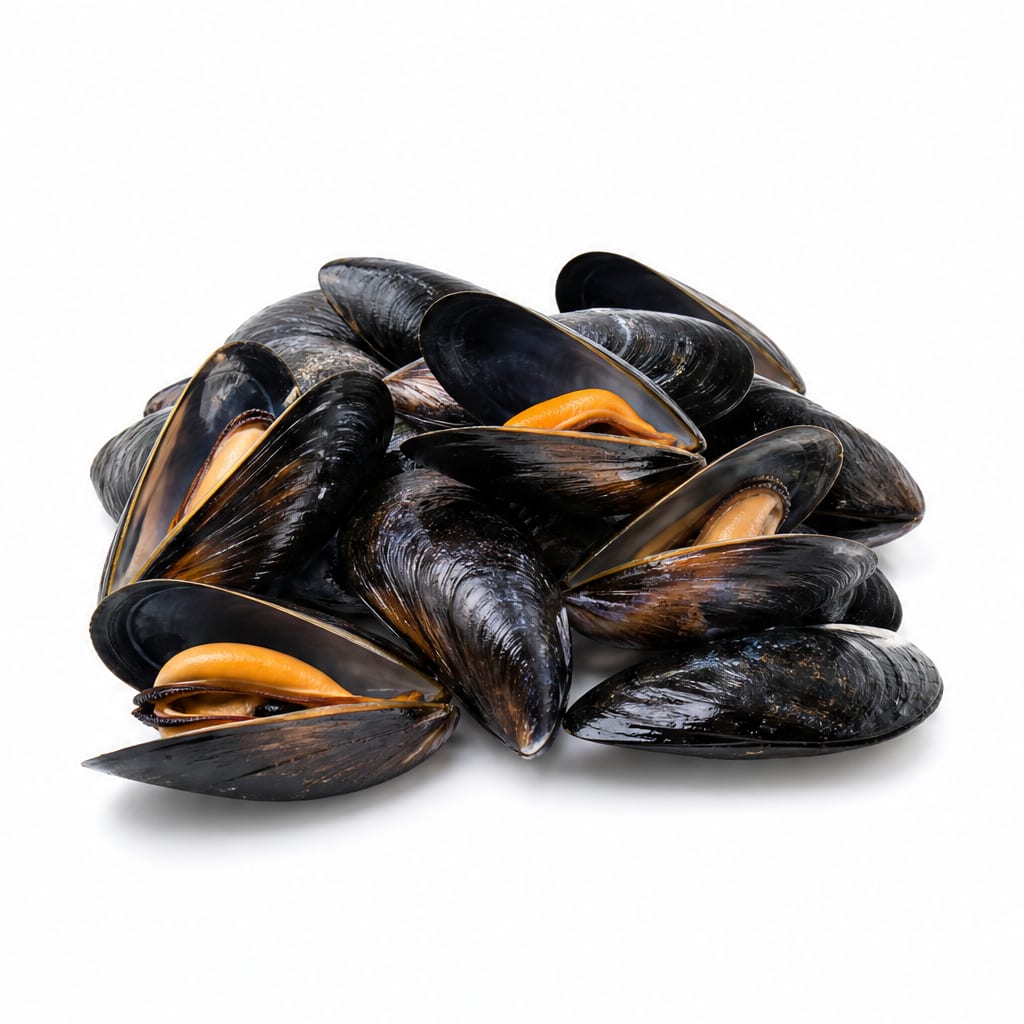
Compare with
Mussels
Escargot is leaner and higher in protein than mussels, but mussels provide more omega-3 fatty acids and iron.
Escargot provides more protein and fewer calories than mussels, making it better for weight loss, while mussels offer more omega-3s.
This food
Escargot
VS80% alike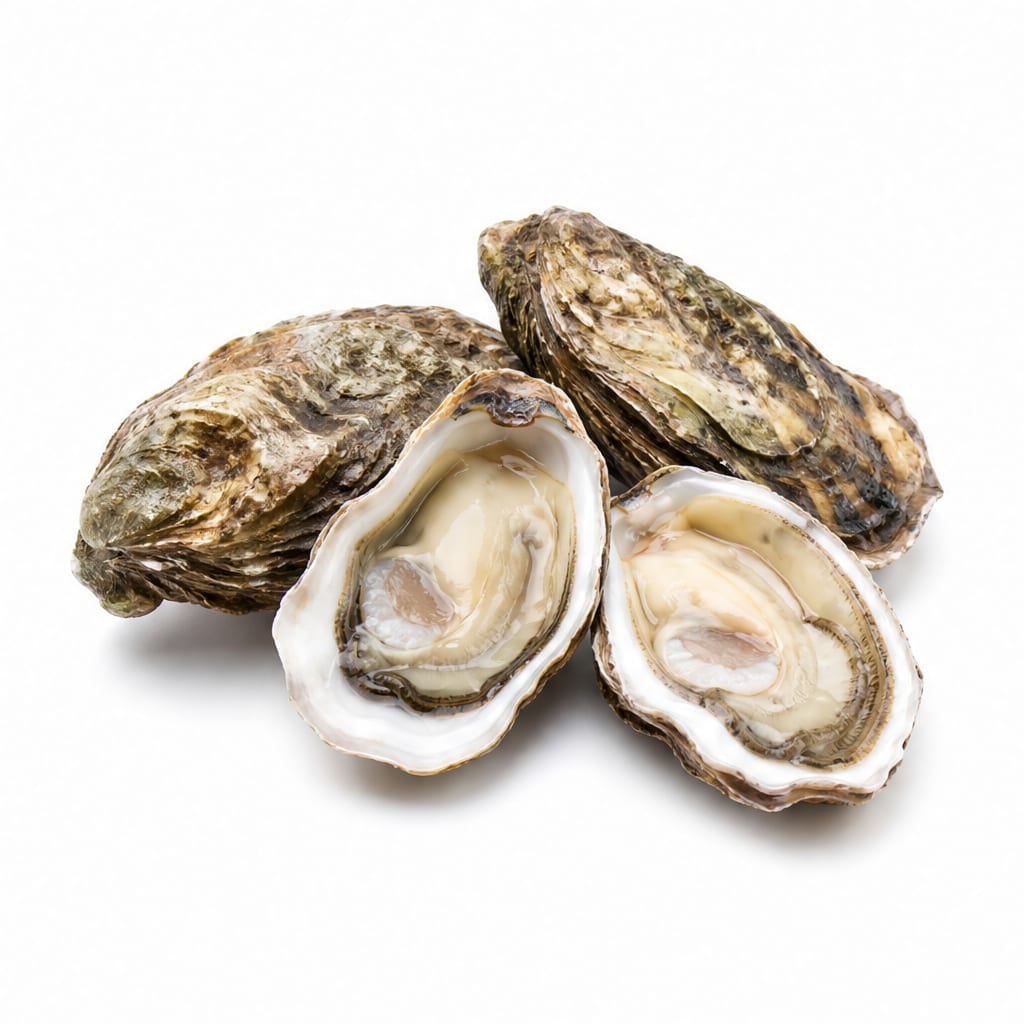
Compare with
Oysters
Escargot offers significantly more protein and fewer calories than oysters, while oysters excel in zinc and vitamin B12.
Escargot is much higher in protein and lower in calories than oysters, but oysters are superior for zinc and B12 intake.
This food
Escargot
VS80% alike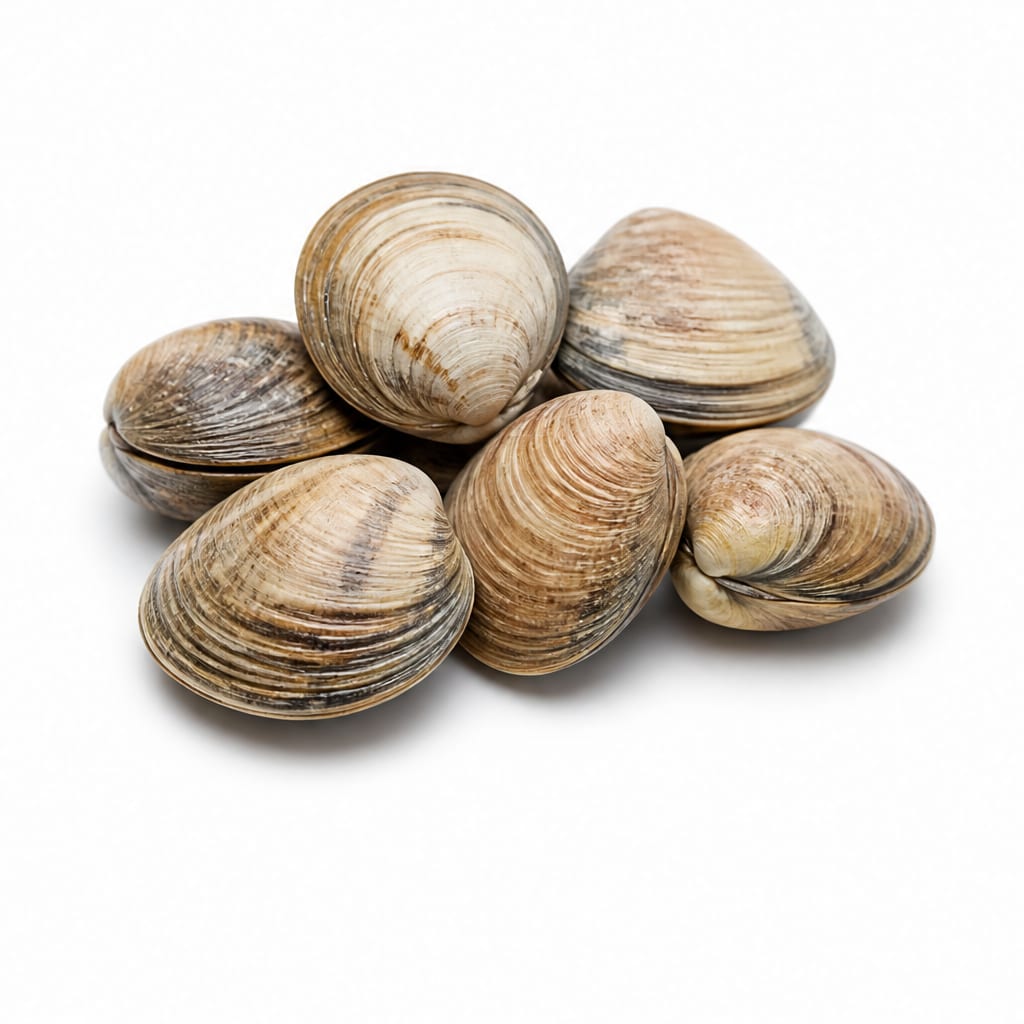
Compare with
Clams
Escargot is a leaner protein source compared to clams, though clams are notably richer in vitamin B12 and iron.
Escargot is leaner and higher in protein than clams, while clams provide more vitamin B12 and iron.
This food
Escargot
VS75% alike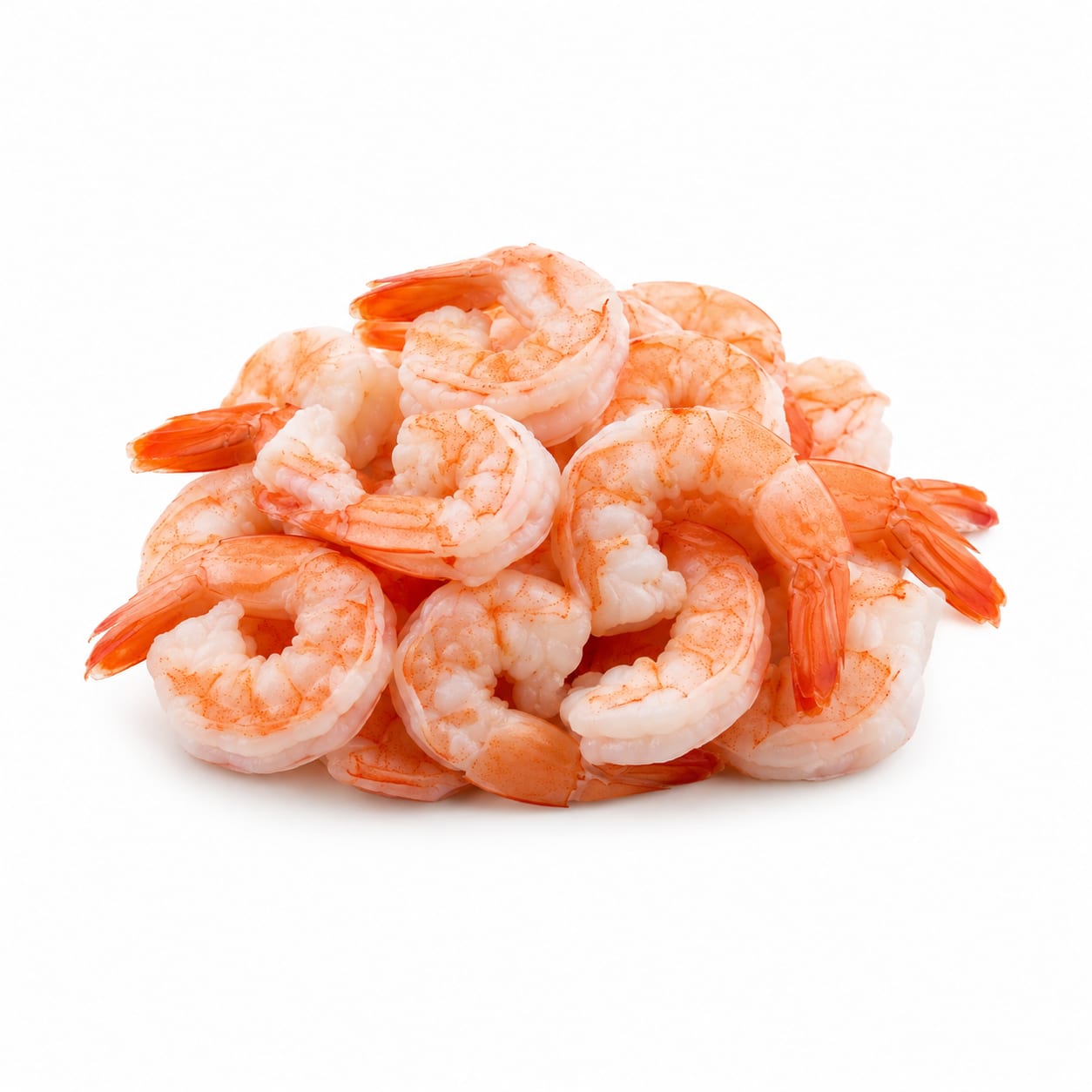
Compare with
Shrimp
Both are excellent lean proteins, but escargot is lower in cholesterol while shrimp offers more iodine and is more widely available.
Shrimp and escargot are both lean proteins, but escargot is lower in cholesterol while shrimp provides more iodine.
This food
Escargot
VS75% alike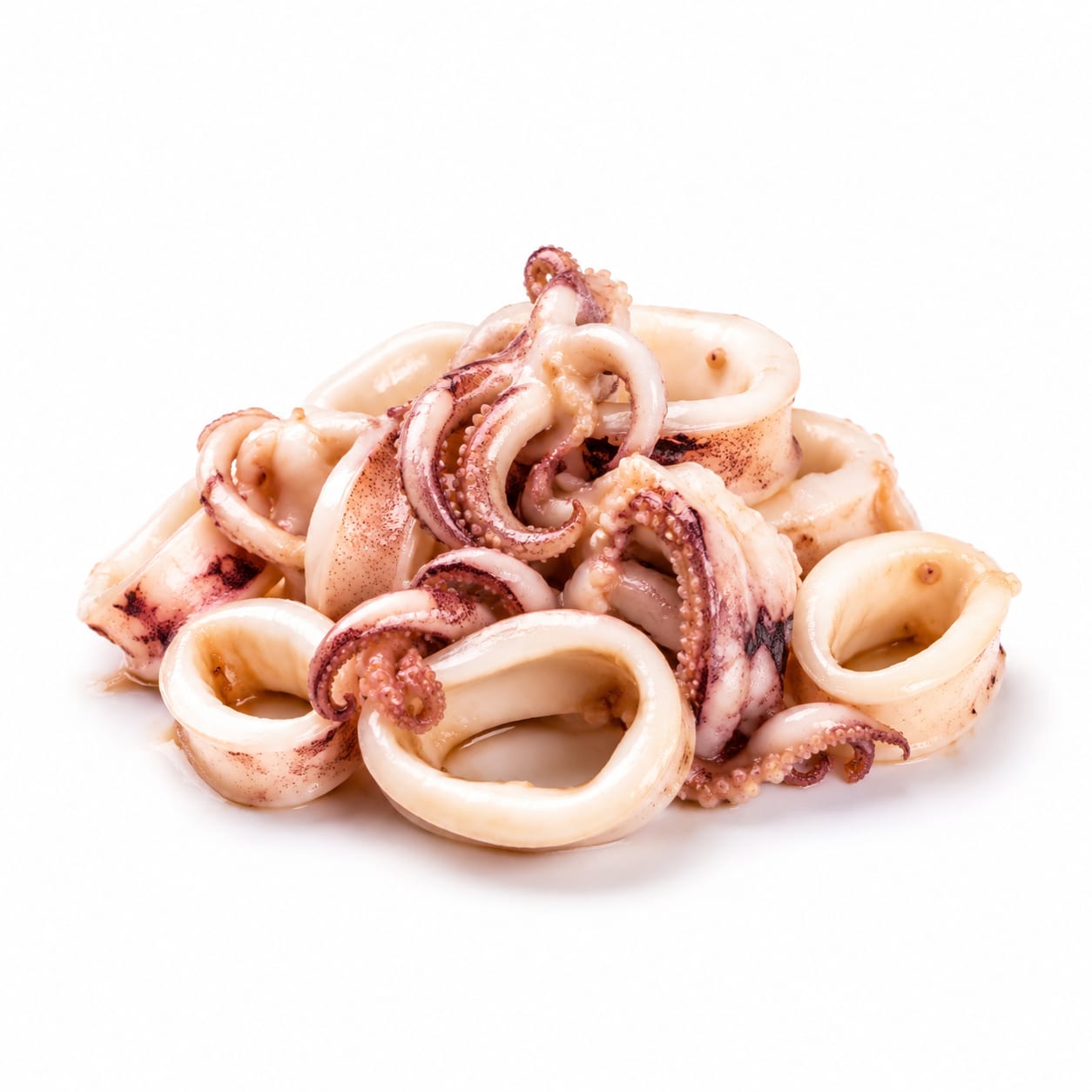
Compare with
Squid
Squid is slightly lower in calories, but escargot provides a denser protein profile and more iron per serving.
Squid is slightly lower in calories, but escargot offers more protein and iron per serving for better satiety and fitness fuel.
This food
Escargot
VS70% alike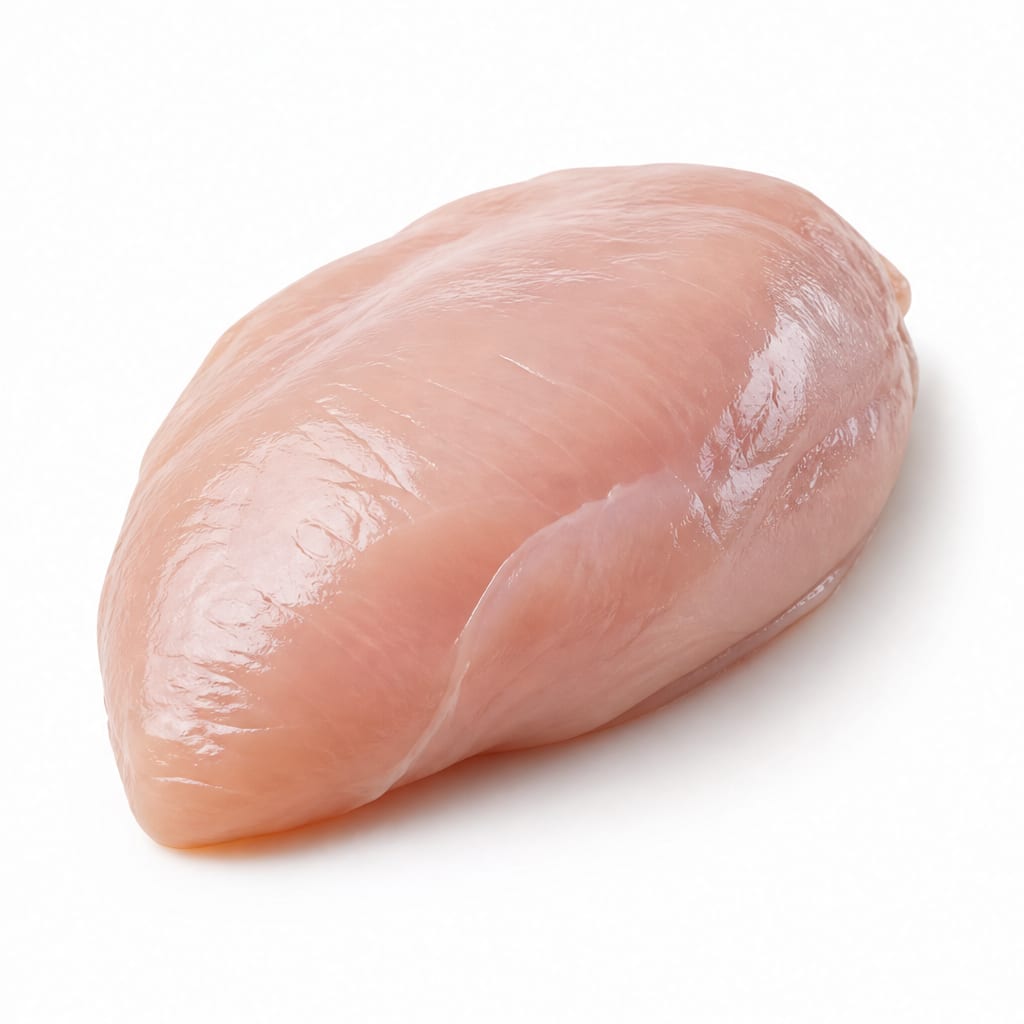
Compare with
Chicken Breast
Chicken breast is the standard for lean protein and satiety, while escargot offers a similar macronutrient profile with more unique micronutrients like selenium.
Chicken breast is more practical and satiating, while escargot offers similar lean protein with a richer selenium profile.
This food
Escargot
VS65% alike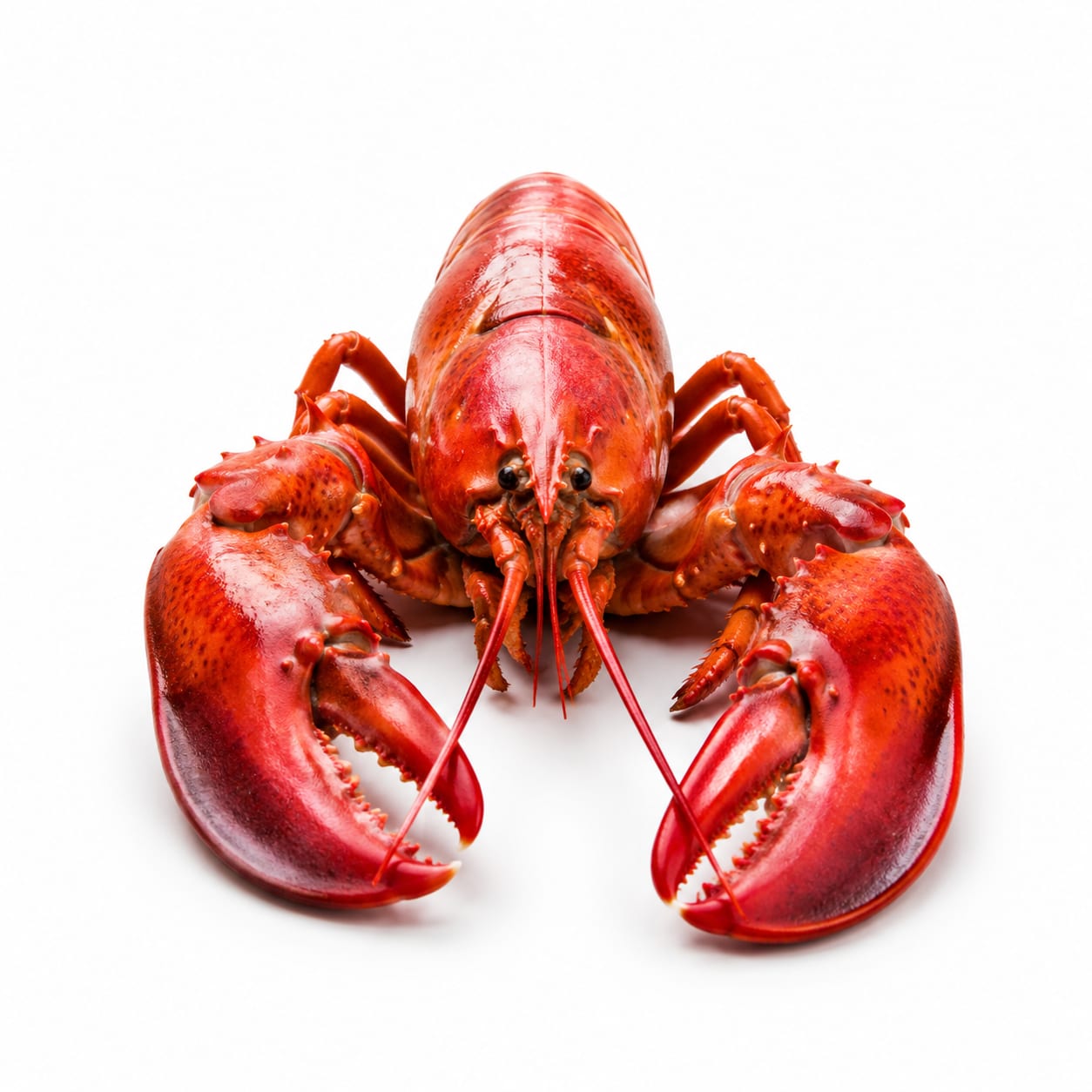
Compare with
Lobster
Escargot is leaner and more affordable than lobster, providing more protein per calorie, while lobster is prized for its tender texture.
Escargot is leaner and higher in protein per calorie than lobster, making it a better weight loss choice.
This food
Escargot
VS65% alike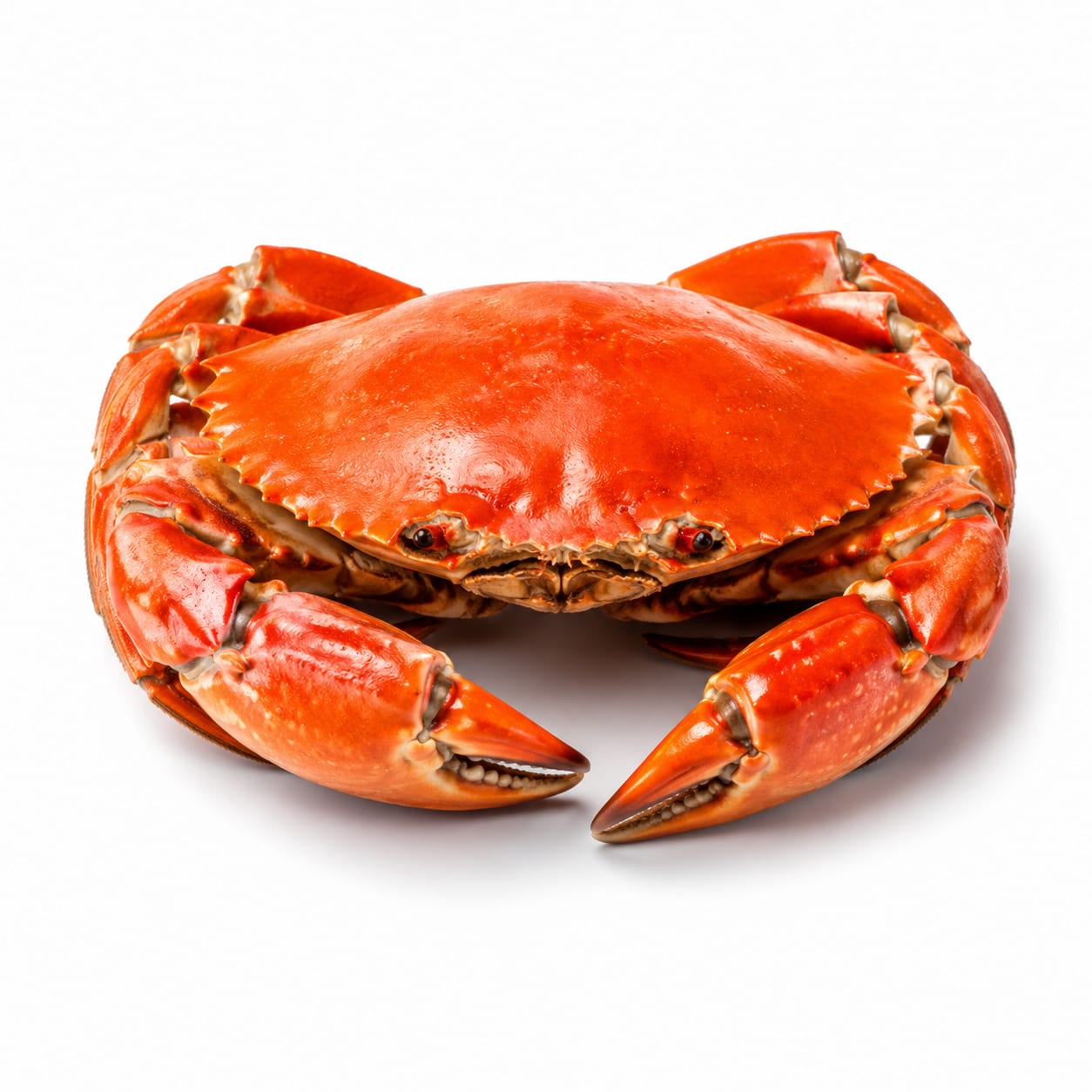
Compare with
Crab
Escargot is lower in fat and calories than crab, making it better for weight loss, though crab provides more omega-3 fats.
Escargot is lower in calories and higher in protein than crab, making it more suitable for weight loss and muscle gain.
This food
Escargot
VS70% alike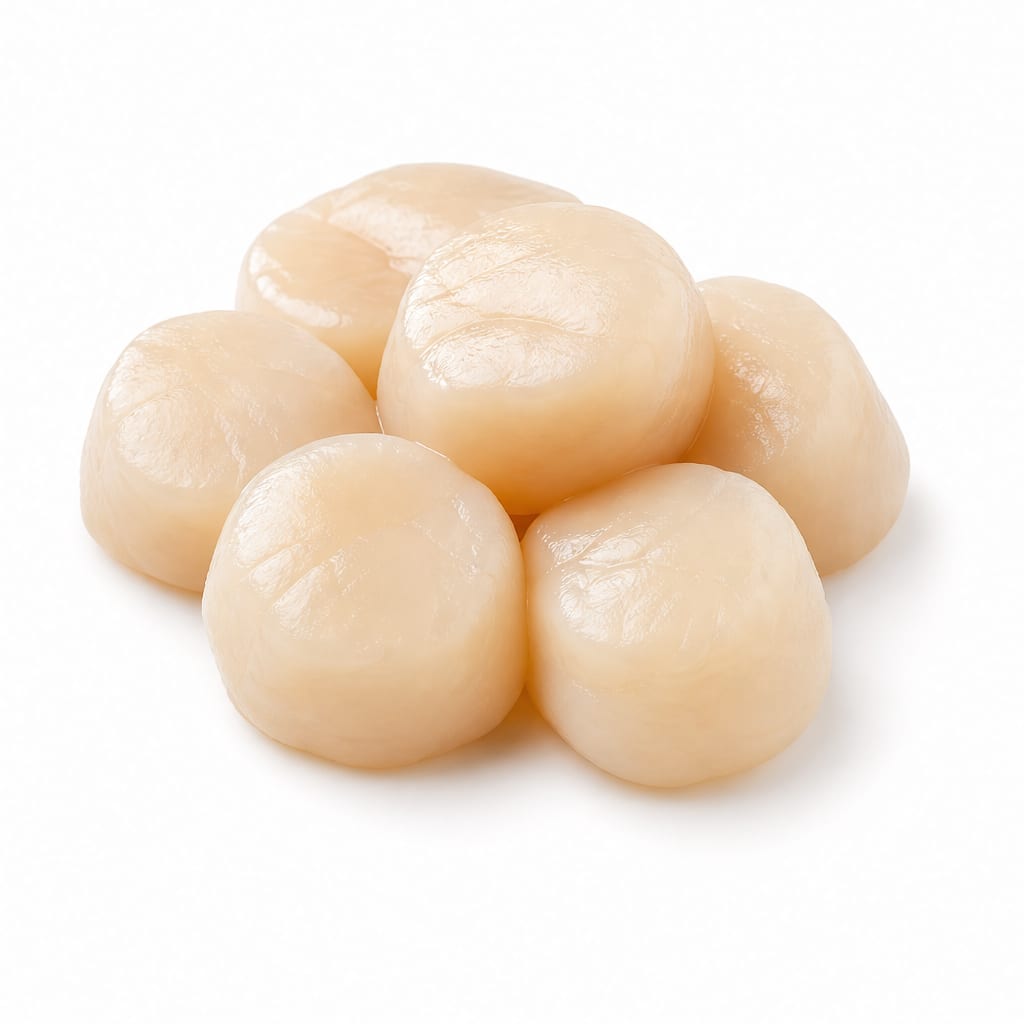
Compare with
Scallops
Escargot is slightly leaner than scallops, offering more protein per calorie, while scallops are richer in magnesium and potassium.
Escargot is slightly leaner and higher in protein than scallops, while scallops offer more magnesium and potassium.
This food
Escargot
VS60% alike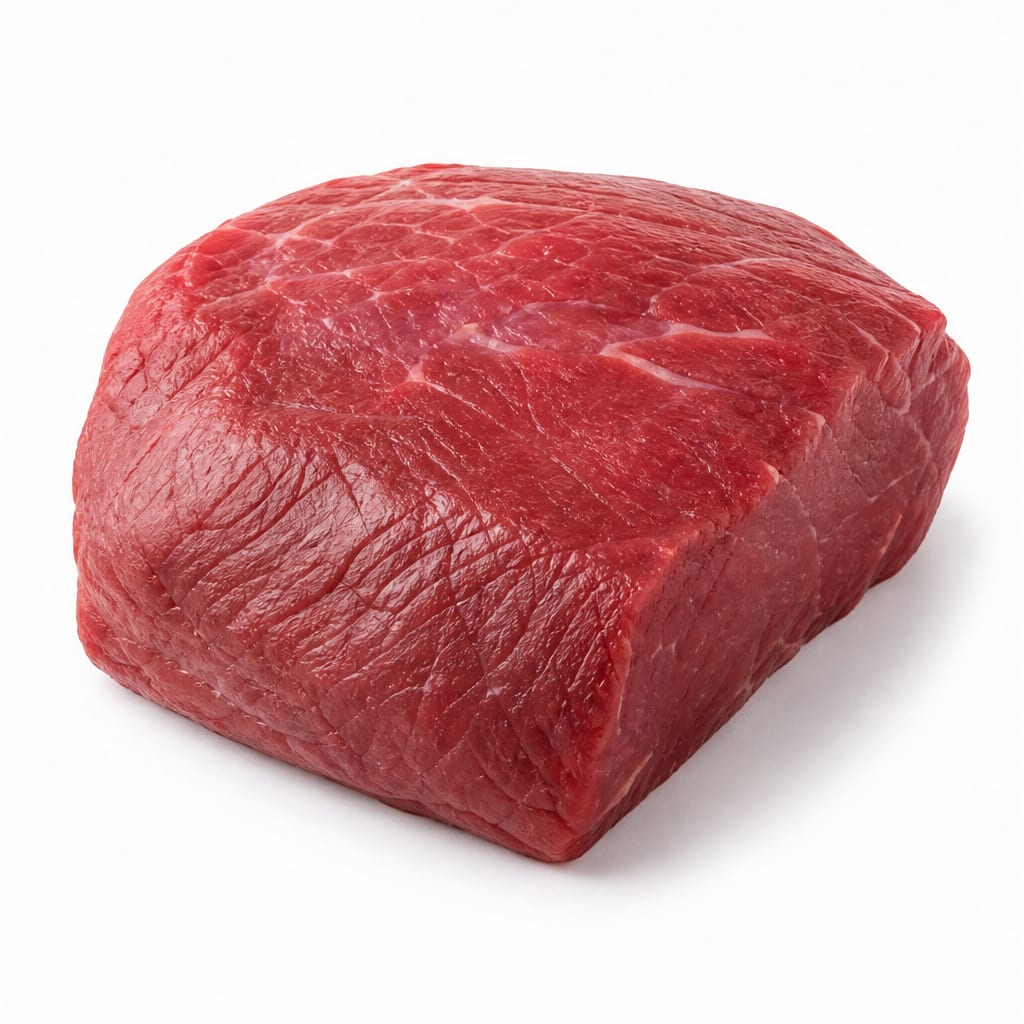
Compare with
Lean Beef
Escargot is significantly lower in fat and calories than lean beef, but beef provides higher iron content and greater satiety.
Escargot is much lower in fat and calories than lean beef, but beef provides more iron and stronger satiety.
Common questions
FAQ
Answers aligned with how people search for this food.
Are escargot good for weight loss?
Yes, plain escargot is excellent for weight loss because it is very low in calories and high in protein, which increases satiety. However, the traditional garlic butter preparation adds significant calories and fat.
How many calories are in escargot?
Plain cooked escargot contains about 90 calories per 100 grams. A typical restaurant serving prepared with garlic butter can contain 200 to 300 calories or more depending on the amount of butter used.
Is escargot high in protein?
Yes, escargot is very high in protein, providing about 16 grams per 100 gram serving, making it comparable to lean poultry or fish.
Can diabetics eat escargot?
Yes, escargot has virtually zero carbohydrates and will not spike blood sugar, making it a safe and nutritious choice for people with diabetes when prepared without sugary sauces.
Is escargot safe to eat raw?
No, escargot must be thoroughly cooked to kill potential parasites like the rat lungworm and bacteria such as Salmonella.
Does escargot have a lot of cholesterol?
Escargot contains moderate cholesterol, but its natural saturated fat content is extremely low, meaning it does not negatively impact blood cholesterol levels significantly in its plain form.
What nutrients are in escargot?
Escargot is rich in protein, selenium, iron, magnesium, and vitamin B12, supporting muscle function, antioxidant defense, and red blood cell production.
Is escargot considered seafood?
Culinarily, escargot is often grouped with seafood on restaurant menus, but biologically it is a terrestrial gastropod mollusk, not a marine animal.
Transparency
Data confidence
Estimated confidence for nutrition data, interpretation, safety notes, and comparisons.
Nutrition data
Health analysis
Food safety
Comparisons