
Nutrition comparison
Escargot vs Shrimp: Nutrition, Safety, and Taste Compared
Comparing escargot and shrimp? Discover the nutritional differences, health benefits, and safety risks of these lean proteins to find out which is better for your diet.
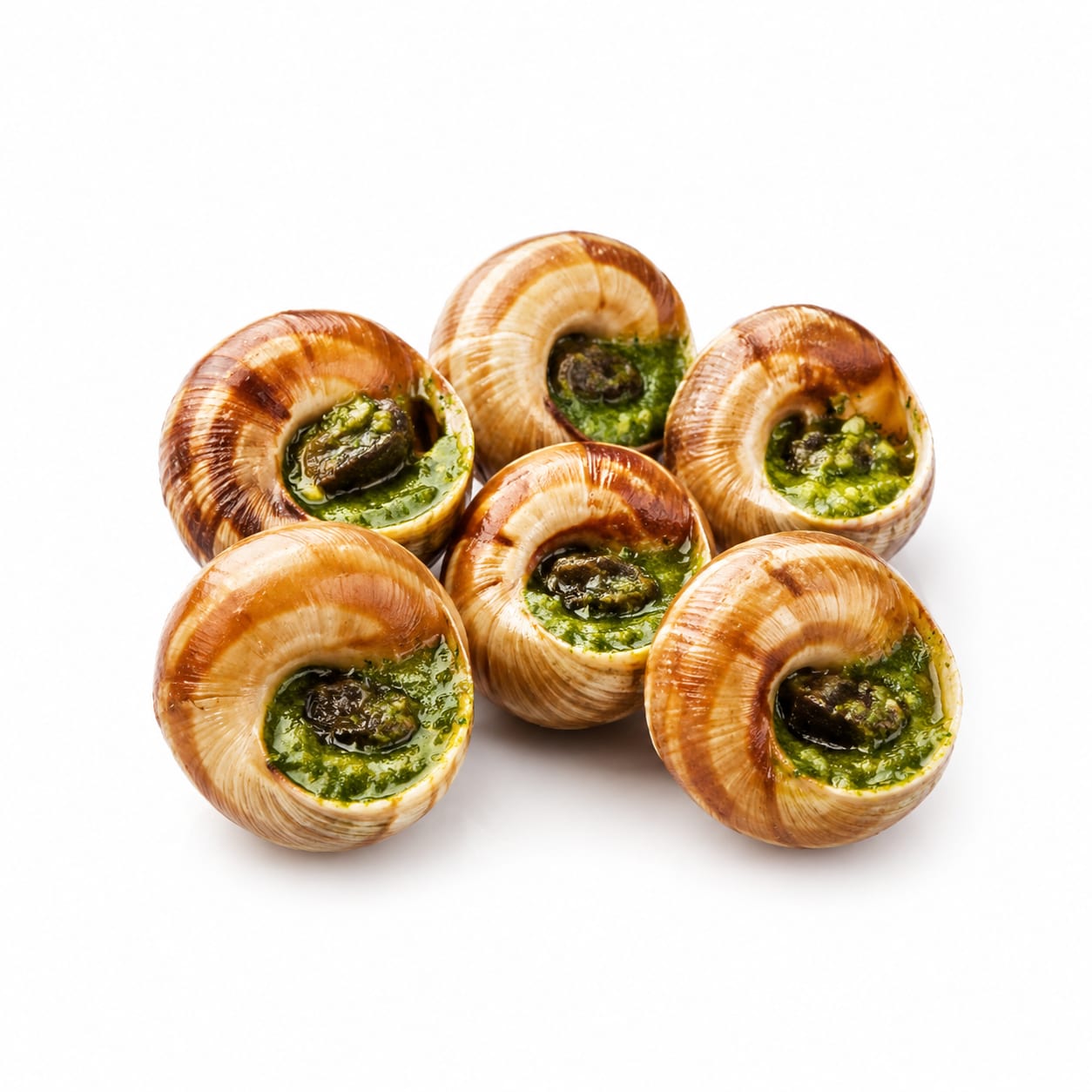
Escargot
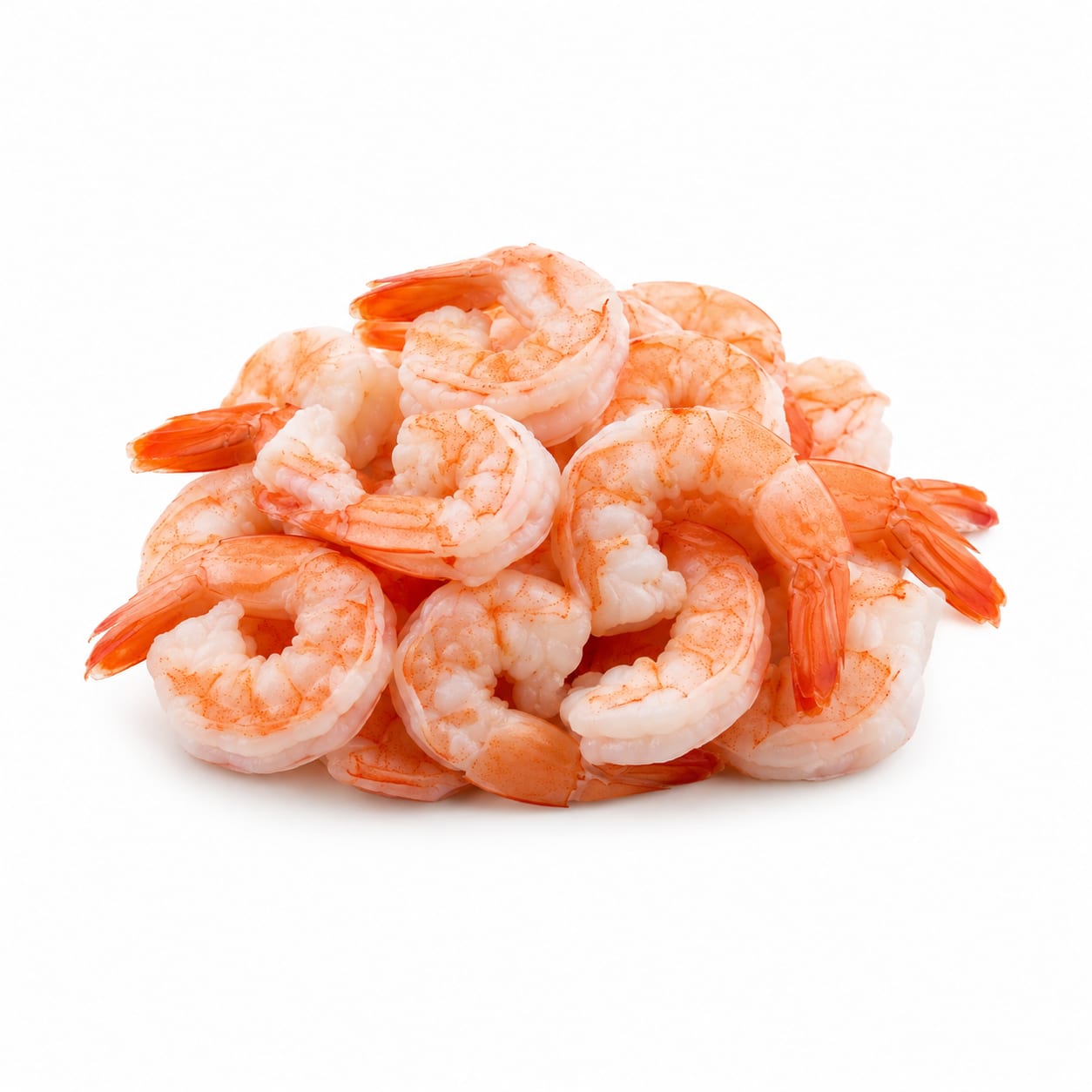
Shrimp
Shrimp is a more practical, everyday lean protein with heart-healthy omega-3s, while escargot offers a unique iron boost but carries higher culinary and safety hurdles.
Shrimp scores slightly higher due to broader accessibility, omega-3 content, and everyday practicality, though escargot remains a strong, iron-rich alternative.
Everyday convenience and omega-3s from shrimp versus the iron density and delicacy status of escargot.
At a glance
Executive summary
Overall
It depends
Healthier
It depends
More practical
Shrimp
Daily use
Shrimp
Key comparison lenses
Protein quality and micronutrient density
Both are lean proteins but offer vastly different micronutrients, primarily iron versus iodine and omega-3s.
Food safety and contamination risks
Escargot carries parasite and soil-heavy-metal risks, while shrimp faces microplastic and aquaculture chemical concerns.
Everyday practicality and accessibility
Shrimp is a common weeknight staple, whereas escargot is a niche delicacy with high preparation barriers.
Cholesterol and heart health impact
Both contain dietary cholesterol, but their differing fat profiles impact heart health recommendations.
Best choice for
Escargot
- People needing a dense iron boost
- Culinary adventurers seeking low-fat delicacies
- Those avoiding shellfish but tolerating mollusks
Shrimp
- Everyday meal preppers
- People needing iodine and omega-3s
- Those wanting quick-cooking lean protein
Least suitable for
Escargot
- People squeamish about food prep
- Those concerned about soil-borne heavy metals
- Individuals with mollusk allergies
Shrimp
- Individuals with shellfish allergies
- Those strictly limiting dietary cholesterol
- People avoiding farmed seafood risks
Deep comparison
Dimension by dimension
Each lens scores both foods and breaks down who each option suits.
- Dimension 1 · Priority 90It depends
Protein & Micronutrient Density
Escargot · 82Shrimp · 85Both are lean protein powerhouses, but they shine in different micronutrients. Escargot delivers exceptional iron, while shrimp provides iodine and omega-3s.
Tradeoff
You trade escargot's iron for shrimp's omega-3 fatty acids and iodine.
Why it matters
Iron is crucial for energy and preventing anemia, while omega-3s support brain and heart health.
Real-world impact
Choosing escargot might help if you are feeling fatigued from low iron; shrimp is better if you need steady brain fuel and heart support.
Escargot
- Boosting iron levels
- Supporting energy metabolism
Better for
- Getting essential omega-3 fats
Worse for
Shrimp
- Increasing omega-3 intake
- Supporting thyroid function via iodine
Better for
- Getting a dense iron hit
Worse for
- Dimension 2 · Priority 75Shrimp
Heart Health & Cholesterol
Escargot · 70Shrimp · 75Both contain dietary cholesterol, but shrimp brings heart-protective omega-3s to the table, whereas escargot is virtually fat-free.
Tradeoff
Shrimp's cholesterol comes packaged with beneficial fats, while escargot's cholesterol lacks this balancing fat profile.
Why it matters
Dietary cholesterol impacts people differently, but pairing it with omega-3s helps mitigate inflammatory risks.
Real-world impact
Eating shrimp can actively support heart health despite its cholesterol; escargot is neutral but lacks the active cardiovascular benefits.
Escargot
- Very low-fat diets
Better for
- Providing heart-healthy fats
Worse for
Shrimp
- Heart-healthy diets
- Anti-inflammatory eating patterns
Better for
- Strict zero-cholesterol diets
Worse for
- Dimension 3 · Priority 85It depends
Food Safety & Contamination
Escargot · 65Shrimp · 68Escargot risks involve soil contaminants and parasites, while shrimp faces issues with microplastics and farmed antibiotic residues.
Tradeoff
Soil-borne heavy metals and parasites in escargot versus ocean-borne microplastics and aquaculture chemicals in shrimp.
Why it matters
Both require careful sourcing to avoid consuming harmful contaminants that can accumulate over time.
Real-world impact
Properly cooking escargot eliminates parasites, but heavy metals remain. Sourcing wild or high-quality farmed shrimp reduces chemical exposure.
Escargot
- Avoiding microplastics found in marine environments
Better for
- Parasite risk if undercooked
- Potential heavy metal accumulation
Worse for
Shrimp
- Avoiding soil-based heavy metals like cadmium
Better for
- Antibiotic exposure in farmed varieties
- Microplastic ingestion
Worse for
- Dimension 4 · Priority 80Shrimp
Practicality & Culinary Use
Escargot · 45Shrimp · 90Shrimp is a weeknight dinner hero that cooks in minutes. Escargot is a niche delicacy requiring specialized prep and an adventurous palate.
Tradeoff
Shrimp's quick convenience and versatility against escargot's gourmet appeal and high preparation barrier.
Why it matters
You are far more likely to reap the nutritional benefits of a food you can easily cook and enjoy regularly.
Real-world impact
Shrimp can be tossed in a stir-fry on a busy Tuesday; escargot is typically reserved for restaurant experiences or weekend projects.
Escargot
- Impressing dinner guests
- Exploring French cuisine
Better for
- Fast everyday cooking
- Beginner cooks
Worse for
Shrimp
- Quick weeknight meals
- Meal prepping lean protein
Better for
- Gourmet, intricate dinner party centerpieces
Worse for
Timeline
Health impact over time
Short-term
Hours to days
Escargot
- Provides a quick, low-calorie protein boost
- May cause digestive upset if not thoroughly cooked due to parasite risk
Shrimp
- Highly satiating with quick-cooking protein
- Can trigger immediate allergic reactions in sensitive individuals
Long-term
Months to years
Escargot
- Excellent for maintaining iron stores and preventing anemia
- Risk of heavy metal accumulation if consumed frequently from polluted areas
Shrimp
- Supports cardiovascular and cognitive health through omega-3s
- Consistent intake may expose you to microplastics or farm chemicals if not carefully sourced
Risk profile
Safety & processing
Both are whole, minimally processed animal foods in their natural state, though commercially available shrimp is sometimes treated with preservatives like sodium bisulfite to prevent discoloration.
Escargot
Parasites and pathogens
highEscargot can carry rat lungworm and other dangerous parasites; thorough cooking is absolutely mandatory.
Heavy metal contamination
mediumAs ground foragers, they can accumulate cadmium and lead from polluted soil.
Shrimp
Shellfish allergy
highOne of the most common and severe food allergies, potentially causing life-threatening anaphylaxis.
Antibiotics and chemicals
mediumFarmed shrimp often contain antibiotic residues; always opt for wild-caught or certified sustainable.
Microplastics
mediumMarine environments are heavily polluted, and shrimp ingest microplastics that can transfer to consumers.
Who wins for whom
Audience fit
Same foods, different winners depending on your goal.
children
ShrimpShrimp is easier to introduce to kids, bite-sized, and lacks the heavy parasite risks associated with foraging snails.
daily consumption
ShrimpShrimp is far more practical, versatile, and easier to source safely for daily meals.
diabetes
It dependsNeither contains carbohydrates, so both are safe for blood sugar, though preparation methods like butter-heavy escargot dishes matter.
elderly
ShrimpShrimp provides omega-3s for cognitive health and is easier to chew and digest than escargot.
muscle gain
ShrimpShrimp is easier to eat in large quantities regularly, providing a more practical and consistent protein source for muscle building.
weight loss
It dependsBoth are incredibly low in calories and high in protein, making them equally effective for weight loss depending on preparation methods.
Your move
Decision guide
Choose Escargot
- You need a significant iron boost
- You are exploring gourmet French cooking
- You have a shellfish allergy but tolerate mollusks
Choose Shrimp
- You want a quick, versatile weeknight protein
- You need omega-3s but dislike fish
- You are meal-prepping lean lunches
Either works if
- You want a low-calorie, zero-carb protein source
- You are bored with standard chicken and beef options
Avoid both if
- You have severe cholesterol restrictions advised by a doctor
- You follow a vegan or vegetarian diet
Final recommendation
Choose shrimp for an everyday, heart-healthy, and convenient lean protein. Save escargot for a special occasion when you want an iron-rich delicacy, ensuring it is sourced from reputable suppliers and cooked thoroughly.
Practical
Consumer tips
- 1
If buying frozen shrimp, check the label for sodium bisulfite or STPP and avoid brands that use them.
- 2
Always boil escargot for at least 5 minutes before baking to eliminate parasite risks.
- 3
Look for wild-caught or ASC-certified shrimp to avoid antibiotic exposure.
- 4
If you are iron-deficient, pairing escargot with vitamin C-rich vegetables enhances absorption.
- 5
Devein shrimp properly to reduce the intake of sand and accumulated contaminants.