
Nutrition comparison
Escargot vs Squid: Nutrition, Cholesterol, and Safety Compared
Comparing Escargot and Squid? Discover which lean protein wins for iron, B12, cholesterol, and heavy metal safety to make the best choice for your diet.
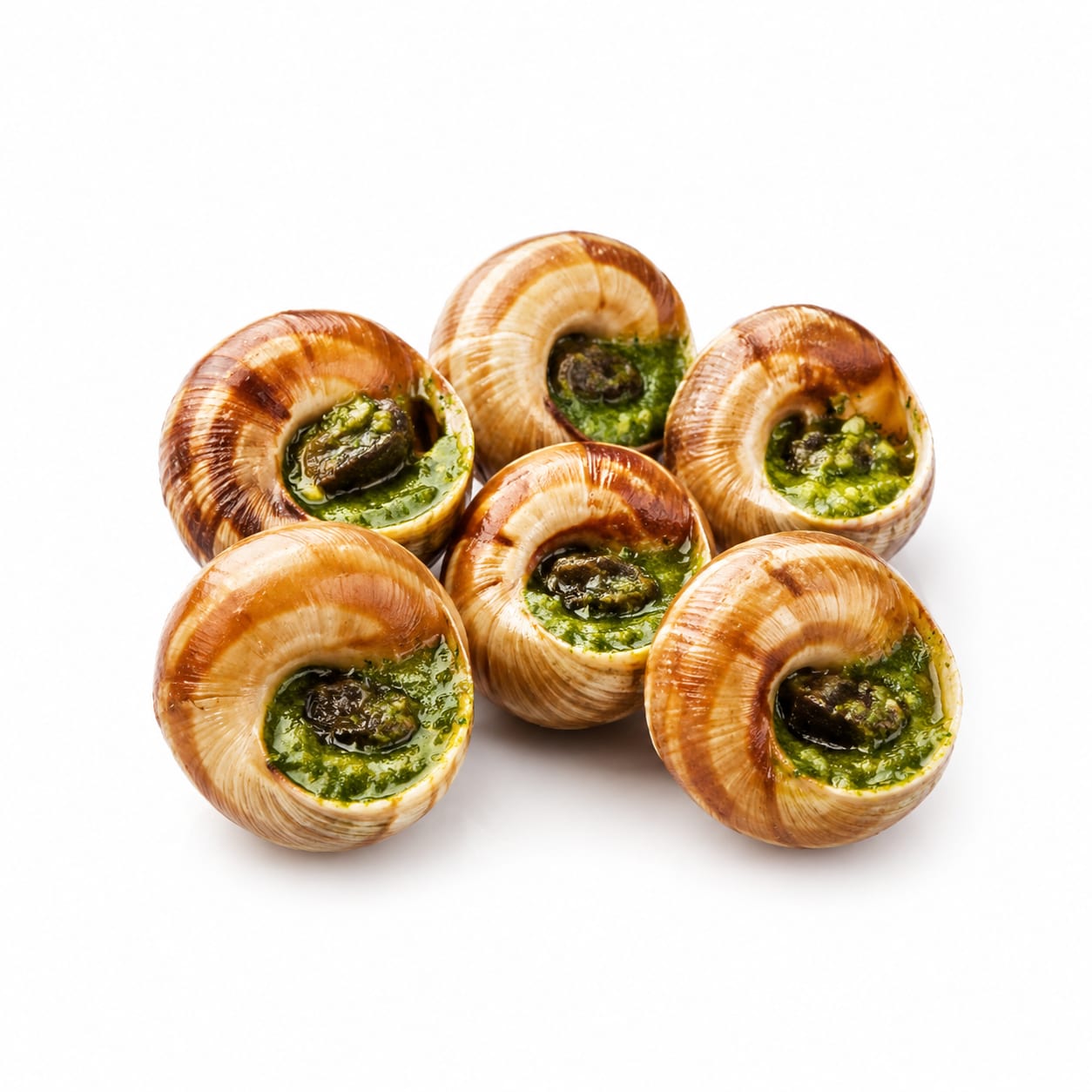
Escargot
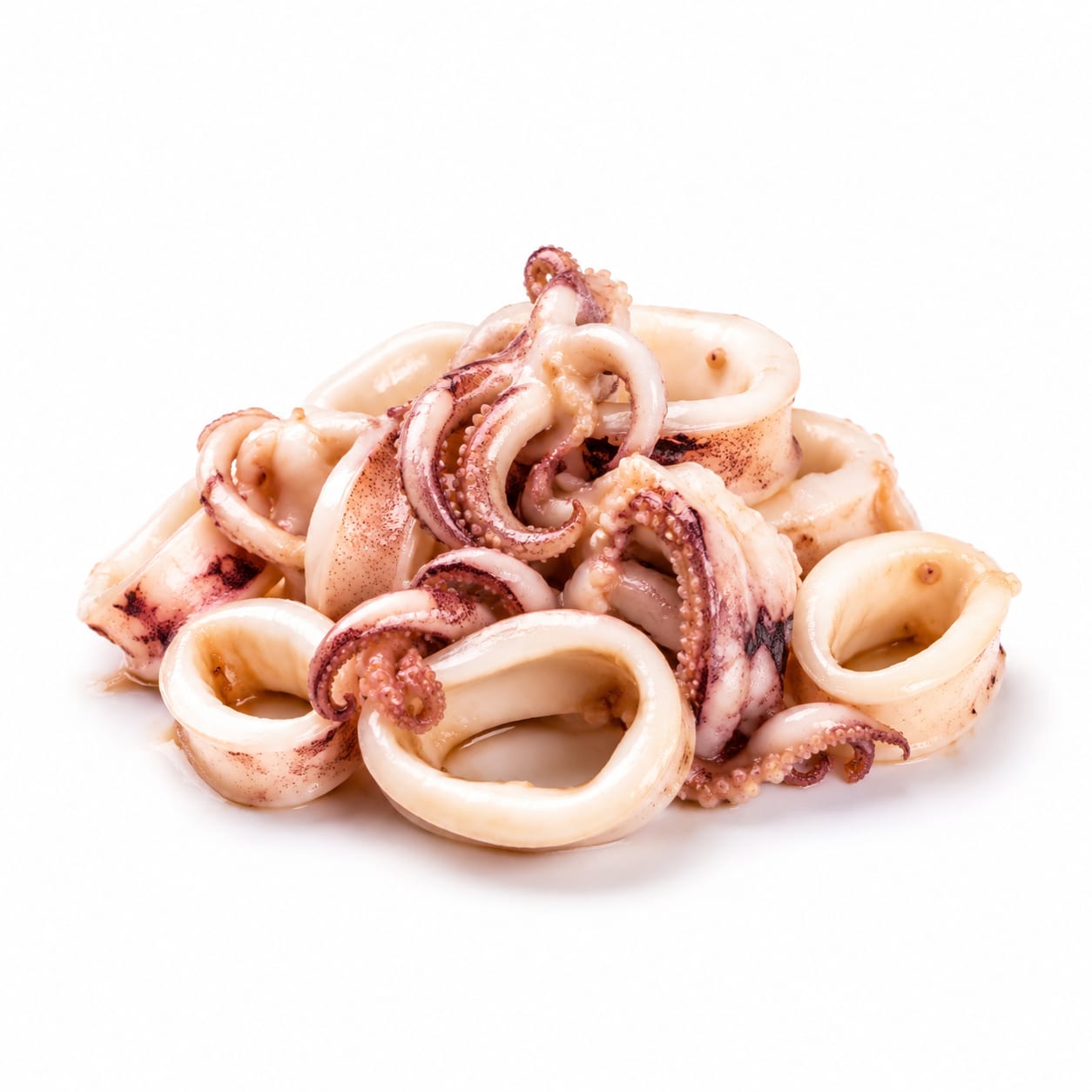
Squid
Escargot wins for iron and lower cholesterol, while Squid offers more B12 and selenium but carries a higher cholesterol load and heavy metal risk.
Escargot slightly edges out Squid due to its vastly lower cholesterol and superior iron content, but Squid remains highly competitive because of its B12 density and everyday culinary practicality.
Escargot provides superior iron and magnesium with minimal cholesterol, whereas Squid delivers exceptional B12 and selenium but comes with significant dietary cholesterol and ocean-borne contaminants.
At a glance
Executive summary
Overall
It depends
Healthier
It depends
More practical
Squid
Daily use
Squid
Key comparison lenses
Micronutrient superiority and unique mineral profiles
Escargot and Squid offer vastly different micronutrient benefits, primarily iron versus B12, which drives the core nutritional tradeoff.
Cholesterol and heart health impact
Squid is notoriously high in dietary cholesterol, while Escargot is surprisingly lean, making heart health a major decision factor.
Contamination and heavy metal safety
Squid carries risks of cadmium and microplastics from ocean waters, whereas Escargot faces parasite risks if not properly farmed or cooked.
Culinary practicality and preparation methods
Escargot is largely a restaurant delicacy cooked in butter, while Squid is a versatile everyday seafood option available globally.
Best choice for
Escargot
- Boosting iron levels and fighting fatigue
- Managing dietary cholesterol while enjoying gourmet protein
Squid
- Increasing vitamin B12 for nerve health
- Adding versatile, quick-cooking seafood to your diet
Least suitable for
Escargot
- Diners uncomfortable with rich, butter-heavy restaurant preparations
- Those seeking quick everyday meal solutions
Squid
- People with severe shellfish or mollusk allergies
- Individuals strictly monitoring dietary cholesterol
Deep comparison
Dimension by dimension
Each lens scores both foods and breaks down who each option suits.
- Dimension 1 · Priority 92It depends
Micronutrient Density
Escargot · 88Squid · 85Escargot dominates in iron and magnesium, while Squid is a powerhouse for vitamin B12 and selenium.
Tradeoff
You choose between land-based mineral support (iron) or sea-based neurological and antioxidant support (B12 and selenium).
Why it matters
Iron is critical for energy and preventing anemia, while B12 is essential for nerve function and brain health.
Real-world impact
Eating Escargot can help fix afternoon fatigue linked to low iron, whereas Squid supports long-term cognitive sharpness.
Escargot
- Anemia prevention
- Muscle recovery via magnesium
Better for
- B12 deficiency diets
Worse for
Squid
- Nervous system support
- Thyroid health via selenium
Better for
- Iron-deficient individuals
Worse for
- Dimension 2 · Priority 88Escargot
Cholesterol and Heart Health
Escargot · 90Squid · 45Escargot is remarkably low in cholesterol, whereas Squid contains a massive amount of dietary cholesterol per serving.
Tradeoff
Squid offers lean protein but packs a cholesterol punch that concerns cardiologists, while Escargot is genuinely heart-friendly in its base form.
Why it matters
For those managing lipid profiles, dietary cholesterol from Squid can be a significant disruptor.
Real-world impact
If you have high cholesterol, eating fried calamari or grilled Squid can spike your numbers, while Escargot keeps your heart diet on track.
Escargot
- Heart-healthy diets
- Managing hypercholesterolemia
Better for
- Diets requiring high caloric density
Worse for
Squid
- Very active individuals who process cholesterol efficiently
Better for
- Cardiovascular disease risk
Worse for
- Dimension 3 · Priority 85Escargot
Safety and Contaminants
Escargot · 78Squid · 65Farmed Escargot is generally clean, while Squid frequently accumulates ocean contaminants like cadmium and microplastics.
Tradeoff
Escargot requires thorough cooking to eliminate land-based parasite risks, but Squid carries systemic ocean pollution that cannot be cooked out.
Why it matters
Heavy metals and microplastics have long-term endocrine-disrupting effects, whereas Escargot parasites are easily neutralized by proper cooking.
Real-world impact
Choosing farmed Escargot gives you a cleaner protein slate, while frequent Squid consumption adds to your cumulative heavy metal burden.
Escargot
- Minimizing heavy metal exposure
- Avoiding microplastics
Better for
- Eating wild-foraged snails without proper purification
Worse for
Squid
- Those with access to clean, sustainably caught small squid
Better for
- Frequent consumers of large or deep-sea squid species
Worse for
- Dimension 4 · Priority 75Squid
Culinary Practicality and Versatility
Escargot · 40Squid · 90Squid is a globally accessible, quick-cooking seafood staple, whereas Escargot is a niche delicacy rarely cooked at home.
Tradeoff
You gain everyday meal flexibility with Squid, but Escargot offers a more unique, nutrient-dense dining experience.
Why it matters
A healthy protein only works if you actually eat it; Squid is far easier to source, prep, and incorporate into weekly meals.
Real-world impact
Squid can be tossed in a 2-minute stir-fry on a busy Tuesday, while Escargot is usually reserved for a weekend dinner out.
Escargot
- Special occasion dining
- Impressing dinner guests
Better for
- Convenience-focused lifestyles
Worse for
Squid
- Quick weeknight dinners
- Meal prepping lean proteins
Better for
- Formal French dining experiences
Worse for
Timeline
Health impact over time
Short-term
Hours to days
Escargot
- High satiety from protein and traditional butter preparations
- Potential digestive discomfort if not cooked thoroughly
Squid
- Quick, light protein energy without feeling weighed down
- Risk of allergic reaction in susceptible individuals
Long-term
Months to years
Escargot
- Improved iron status and energy levels
- Better magnesium intake for sleep and muscle recovery
Squid
- Robust B12 levels supporting brain health
- Potential cholesterol concerns if consumed too frequently
Risk profile
Safety & processing
Both Escargot and Squid are whole-food proteins in their raw state. However, Escargot is almost always drenched in garlic butter, and Squid is often breaded and fried, which drastically alters their health profiles.
Escargot
Parasites and Bacteria
mediumWild snails can carry rat lungworm and other parasites. Farmed Escargot is much safer, but thorough cooking is always mandatory.
Squid
Cadmium and Heavy Metals
highSquid accumulate cadmium in their digestive glands, and larger species carry higher loads of ocean heavy metals.
Shellfish Allergy
highSquid is a mollusk and triggers severe allergic reactions in shellfish-allergic individuals.
Who wins for whom
Audience fit
Same foods, different winners depending on your goal.
children
It dependsSquid is more kid-friendly as calamari, but Escargot is safer from a heavy metal perspective; portion control is key for both.
daily consumption
SquidSquid is more practical for daily cooking, though neither should be eaten daily due to cholesterol and heavy metal accumulation respectively.
diabetes
EscargotBoth have zero carbs, but Escargot's lower cholesterol makes it a safer long-term choice for diabetics managing cardiovascular risk.
elderly
EscargotEscargot provides highly bioavailable iron and magnesium without the cholesterol burden that older adults need to avoid.
muscle gain
SquidSquid provides slightly more protein per calorie and is far easier to eat in the larger quantities required for muscle building.
weight loss
EscargotEscargot is lower in cholesterol and, if prepared with moderate butter, offers a highly satiating, low-calorie protein that supports steady energy.
Your move
Decision guide
Choose Escargot
- You need a major iron boost without the cholesterol
- You want a gourmet meal that is surprisingly heart-healthy
- You are concerned about ocean-borne heavy metals
Choose Squid
- You need more B12 and selenium in your diet
- You want a quick, versatile protein for stir-fries or grilling
- You have healthy cholesterol levels and crave seafood
Either works if
- You simply want a high-quality, zero-carb protein source
- You are bored with standard chicken or beef options
Avoid both if
- You have gout and are sensitive to purines
- You have a known mollusk allergy
Final recommendation
Choose Escargot when dining out for a low-cholesterol, iron-rich treat, and opt for Squid at home when you need a quick B12 boost, keeping portions moderate to manage cholesterol and heavy metal exposure.
Practical
Consumer tips
- 1
Always buy farmed Escargot to avoid dangerous parasites found in wild snails.
- 2
Ask for Escargot with less butter when dining out to keep it truly heart-healthy.
- 3
Choose smaller Squid over larger ones to minimize heavy metal and cadmium accumulation.
- 4
Avoid breaded and fried calamari; grill or sauté Squid to maintain its naturally lean profile.