
Nutrition comparison
Escargot vs Mussels: Nutrition, Safety, and Taste Compared
Discover the nutritional differences between Escargot and Mussels. Compare iron, B12, omega-3s, and food safety to find out which shellfish is better for your health.
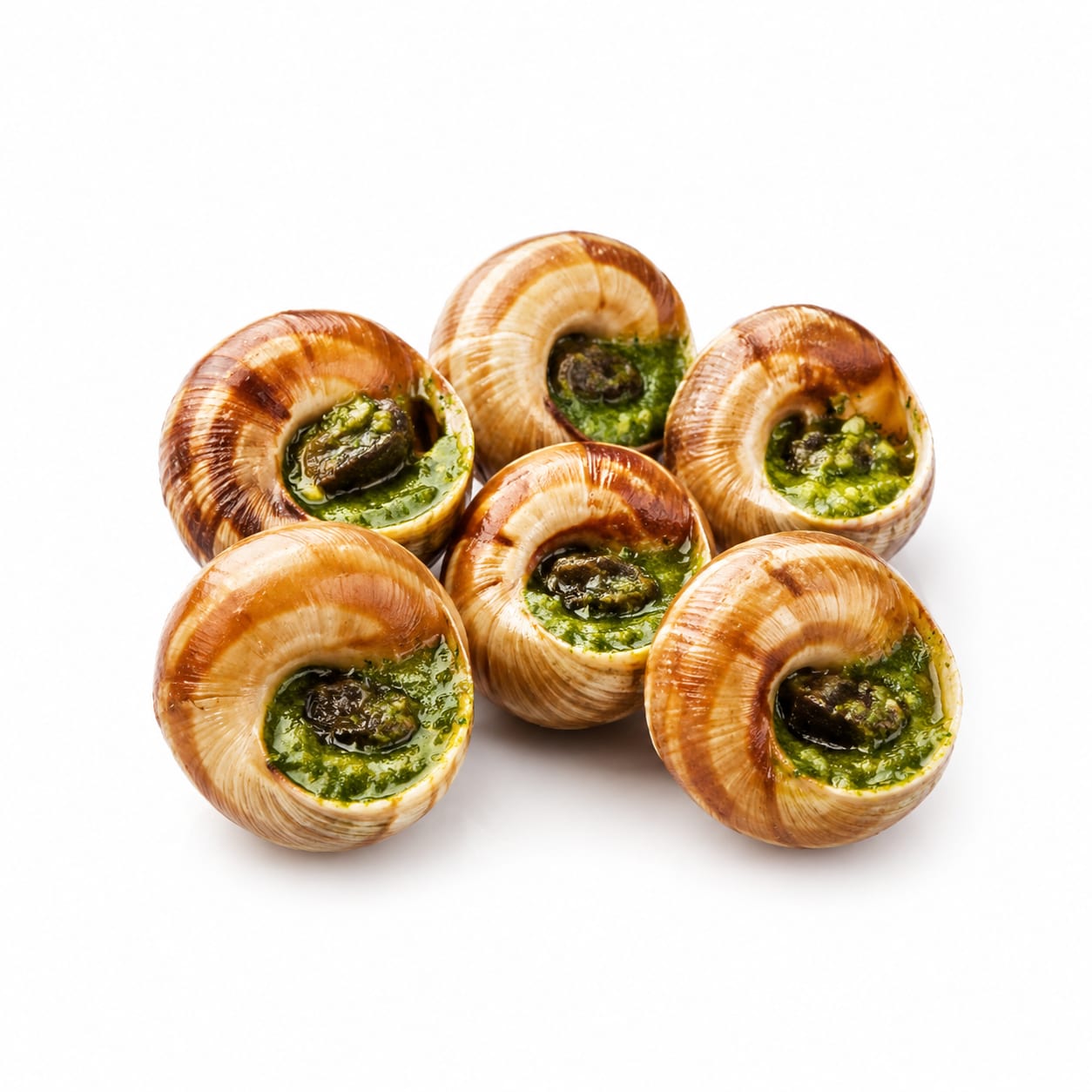
Escargot
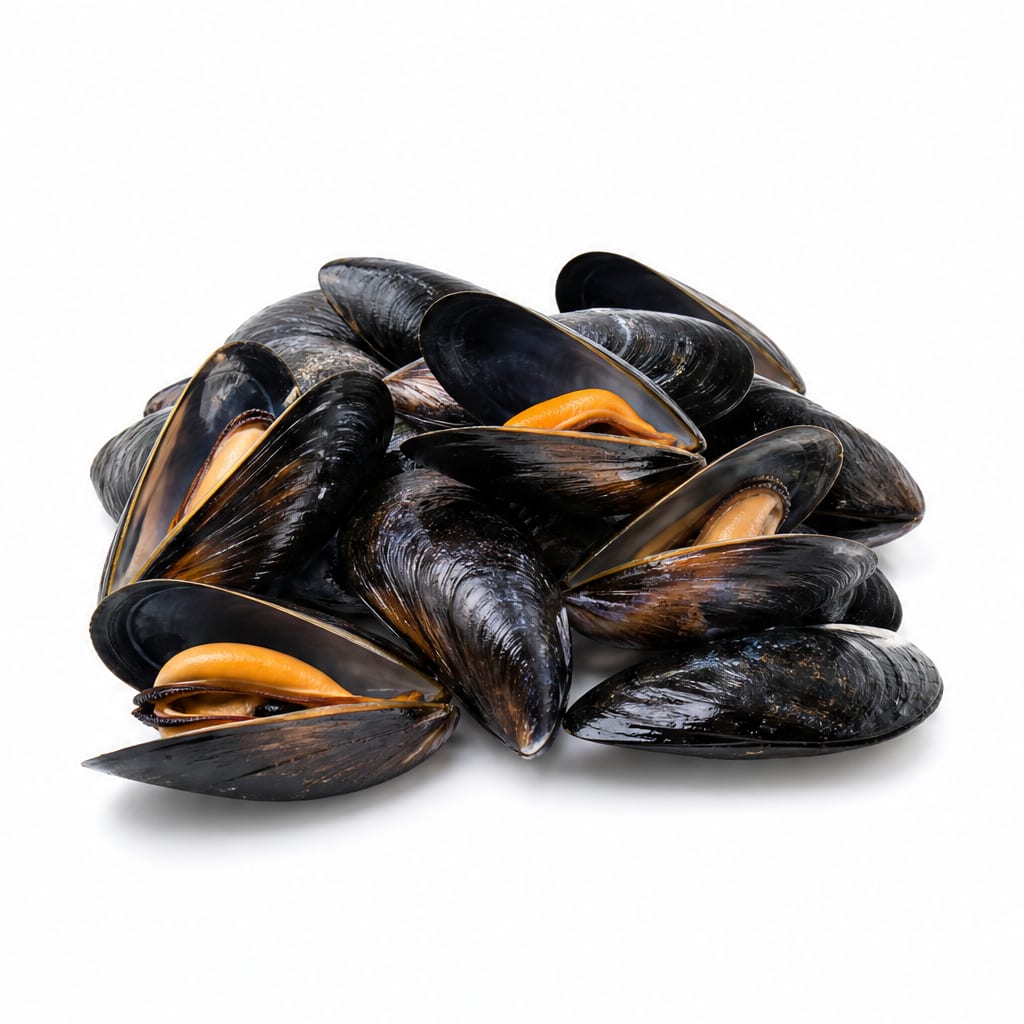
Mussels
Escargot delivers an exceptional iron punch, while Mussels offer superior B12, omega-3s, and easier everyday access.
Mussels score higher due to their omega-3 content, affordability, and versatility as a regular dietary staple, though Escargot's iron profile is elite.
Choosing between unmatched iron content from Escargot and better heart-healthy fats plus lower cost from Mussels.
At a glance
Executive summary
Overall
It depends
Healthier
Mussels
More practical
Mussels
Daily use
Mussels
Key comparison lenses
Micronutrient superiority (Iron vs B12)
Escargot provides massive iron levels, while Mussels are a top-tier source of B12 and manganese.
Contamination and safety profile
Comparing terrestrial parasite risks in snails versus marine biotoxin and microplastic risks in filter-feeding mussels.
Heart health and fat profile
Mussels offer beneficial omega-3s, whereas Escargot contains more cholesterol and negligible healthy fats.
Culinary practicality and cost
Mussels are an affordable everyday seafood, while Escargot is typically an expensive, specialty dining experience.
Best choice for
Escargot
- Treating iron-deficiency anemia
- High-protein low-carb gourmet dining
Mussels
- Boosting B12 levels
- Affordable weekly seafood
- Getting anti-inflammatory omega-3s
Least suitable for
Escargot
- Budget-conscious meal prep
- Those strictly limiting dietary cholesterol
Mussels
- People with severe shellfish allergies
- Those highly concerned about microplastics in filter feeders
Deep comparison
Dimension by dimension
Each lens scores both foods and breaks down who each option suits.
- Dimension 1 · Priority 95It depends
Micronutrient Density
Escargot · 88Mussels · 92Escargot is an iron powerhouse, while Mussels dominate in B12 and manganese.
Tradeoff
You trade Escargot's massive iron hit for Mussels' broader B-vitamin and mineral coverage.
Why it matters
Iron is crucial for energy and oxygen transport, but B12 is vital for nerve function and blood cell formation.
Real-world impact
Eating Escargot can help fight fatigue from anemia, whereas Mussels better support overall nervous system health.
Escargot
- Combating iron deficiency
- Boosting energy in anemia-prone individuals
Better for
- B12 deficiency
- Manganese intake
Worse for
Mussels
- Supporting nerve health
- Improving overall B-vitamin intake
Better for
- Severe iron deficiency
Worse for
- Dimension 2 · Priority 90Mussels
Heart Health & Fats
Escargot · 65Mussels · 88Mussels provide beneficial omega-3 fatty acids, whereas Escargot contains higher cholesterol and negligible omega-3s.
Tradeoff
Escargot lacks the heart-protective fats found in Mussels and carries more dietary cholesterol.
Why it matters
Omega-3s reduce inflammation and support cardiovascular health, while high cholesterol can be a concern for sensitive individuals.
Real-world impact
Regularly choosing Mussels can support cardiovascular wellness, while Escargot is best enjoyed moderately if you watch your cholesterol.
Escargot
- Very low-fat diets where omega-3s are obtained elsewhere
Better for
- Managing high cholesterol
- Getting anti-inflammatory fats
Worse for
Mussels
- Cardiovascular health
- Reducing inflammation
Better for
- Strictly avoiding all marine fats
Worse for
- Dimension 3 · Priority 85Escargot
Contamination & Safety
Escargot · 80Mussels · 70Escargot mostly avoids oceanic biotoxins and microplastics, while Mussels are filter feeders that accumulate ocean contaminants.
Tradeoff
Escargot carries a slight parasite risk if wild-foraged, but Mussels consistently face ocean pollution and red tide toxins.
Why it matters
Filter feeders like Mussels naturally concentrate whatever is in their water, including heavy metals and microplastics.
Real-world impact
Sourcing clean Mussels requires trusting your fishmonger, whereas farmed Escargot is generally raised in controlled, land-based environments.
Escargot
- Avoiding microplastics
- Minimizing heavy metal exposure
Better for
- Risk of improper cooking leading to parasite transmission
Worse for
Mussels
- Avoiding terrestrial parasites
Better for
- Biotoxin accumulation
- Microplastic ingestion
Worse for
- Dimension 4 · Priority 80Mussels
Culinary Practicality & Cost
Escargot · 45Mussels · 90Mussels are cheap, quick to cook, and widely available, whereas Escargot is an expensive specialty item requiring specific preparation.
Tradeoff
You pay a premium and face limited availability for Escargot, while Mussels are a budget-friendly weeknight dinner.
Why it matters
Nutritional value only matters if you can actually incorporate the food into your life regularly.
Real-world impact
You can easily steam a pot of Mussels for a low cost, but Escargot is usually a restaurant splurge or a tedious home prep project.
Escargot
- Upscale dining experiences
- Impressing dinner guests
Better for
- Affordable family dinners
- Quick weeknight meals
Worse for
Mussels
- Weeknight meal prep
- Budget-friendly protein
- Quick cooking
Better for
- High-end culinary presentation
Worse for
Timeline
Health impact over time
Short-term
Hours to days
Escargot
- Quick iron boost for energy
- Heavy feeling if eaten with rich butter sauces
Mussels
- Rapid B12 replenishment
- Light but satisfying post-meal feeling
Long-term
Months to years
Escargot
- Improved iron stores
- Potential cholesterol concerns if eaten frequently with butter
Mussels
- Better cardiovascular health from omega-3s
- Potential low-level heavy metal accumulation if sourced from polluted waters
Risk profile
Safety & processing
Both Escargot and Mussels are whole, natural foods. The main additive concern comes from whatever they are cooked in, like garlic butter for Escargot or broth for Mussels.
Escargot
Parasitic infection (Angiostrongylus)
mediumWild Escargot can carry rat lungworm; thorough cooking eliminates this risk, but improper preparation is dangerous.
High cholesterol
lowEscargot is naturally high in cholesterol, which is a moderate concern for sensitive individuals.
Mussels
Biotoxins (Red Tide)
highFilter feeders like Mussels concentrate algal toxins which cannot be cooked out; sourcing from monitored waters is critical.
Microplastics and heavy metals
mediumMussels filter large volumes of water, accumulating microplastics and metals like lead or cadmium over time.
Who wins for whom
Audience fit
Same foods, different winners depending on your goal.
children
MusselsMussels are easier to chew and less intimidating, though both must be thoroughly cooked.
daily consumption
MusselsMussels are affordable, widely available, and sustainable enough for regular weekly meals.
diabetes
MusselsMussels have a better fat profile with omega-3s and zero carbs, while Escargot is often paired with carb-heavy or high-sat-fat sides.
elderly
MusselsThe B12 and omega-3s in Mussels support brain and joint health in aging, and they are easier to digest.
muscle gain
It dependsBoth offer excellent lean protein, but Mussels are easier to eat in larger quantities.
weight loss
MusselsMussels are lower in calories and typically cooked in lighter broths compared to Escargot's butter-heavy preparations.
Your move
Decision guide
Choose Escargot
- You need a serious iron boost
- You want a gourmet culinary experience
- You are concerned about ocean-borne microplastics
Choose Mussels
- You want heart-healthy omega-3s
- You need an affordable, quick seafood dinner
- You are focusing on B12 and nervous system health
Either works if
- You want high-quality lean protein
- You are looking for low-carb dinner options
Avoid both if
- You have a severe mollusk allergy
- You cannot guarantee safe sourcing for your seafood
Final recommendation
Make Mussels your go-to for regular, heart-healthy, and budget-friendly nutrition. Save Escargot for a special occasion iron-rich treat, ensuring it is thoroughly cooked.
Practical
Consumer tips
- 1
Always buy Mussels from reputable sources that test for biotoxins; closed shells before cooking and open after are good signs.
- 2
If preparing Escargot at home, ensure they are farmed and cooked thoroughly to eliminate any parasite risks.
- 3
Ask for Escargot prepared with olive oil and herbs instead of heavy butter to keep the meal heart-healthy.
- 4
Steam Mussels with white wine, garlic, and tomatoes for a nutrient-dense, low-calorie meal.