
Nutrition comparison
Escargot vs Lobster: Nutrition, Mercury, and Health Comparison
Comparing Escargot and Lobster? Discover which luxury protein is lower in mercury, higher in iron, and better for your health goals.
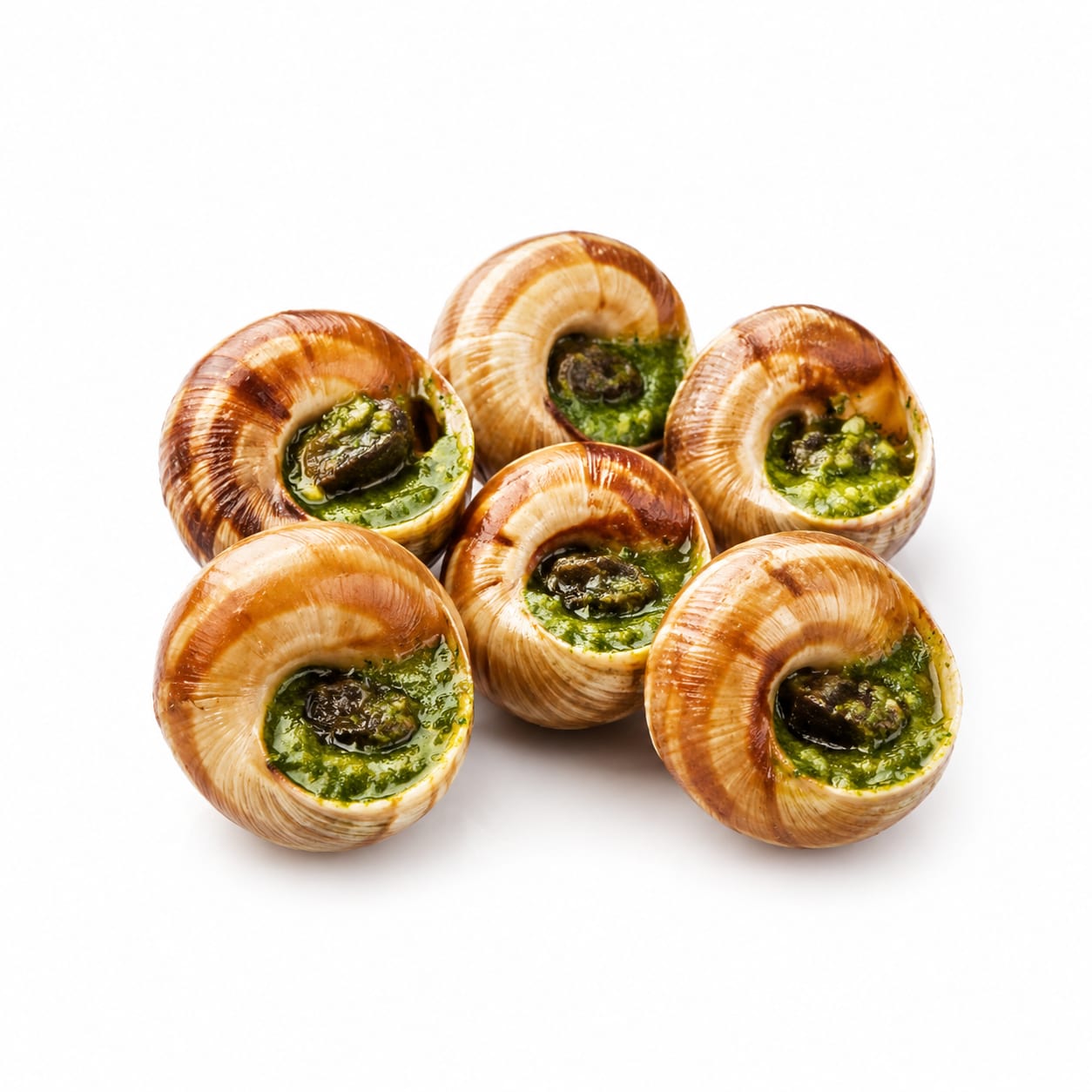
Escargot
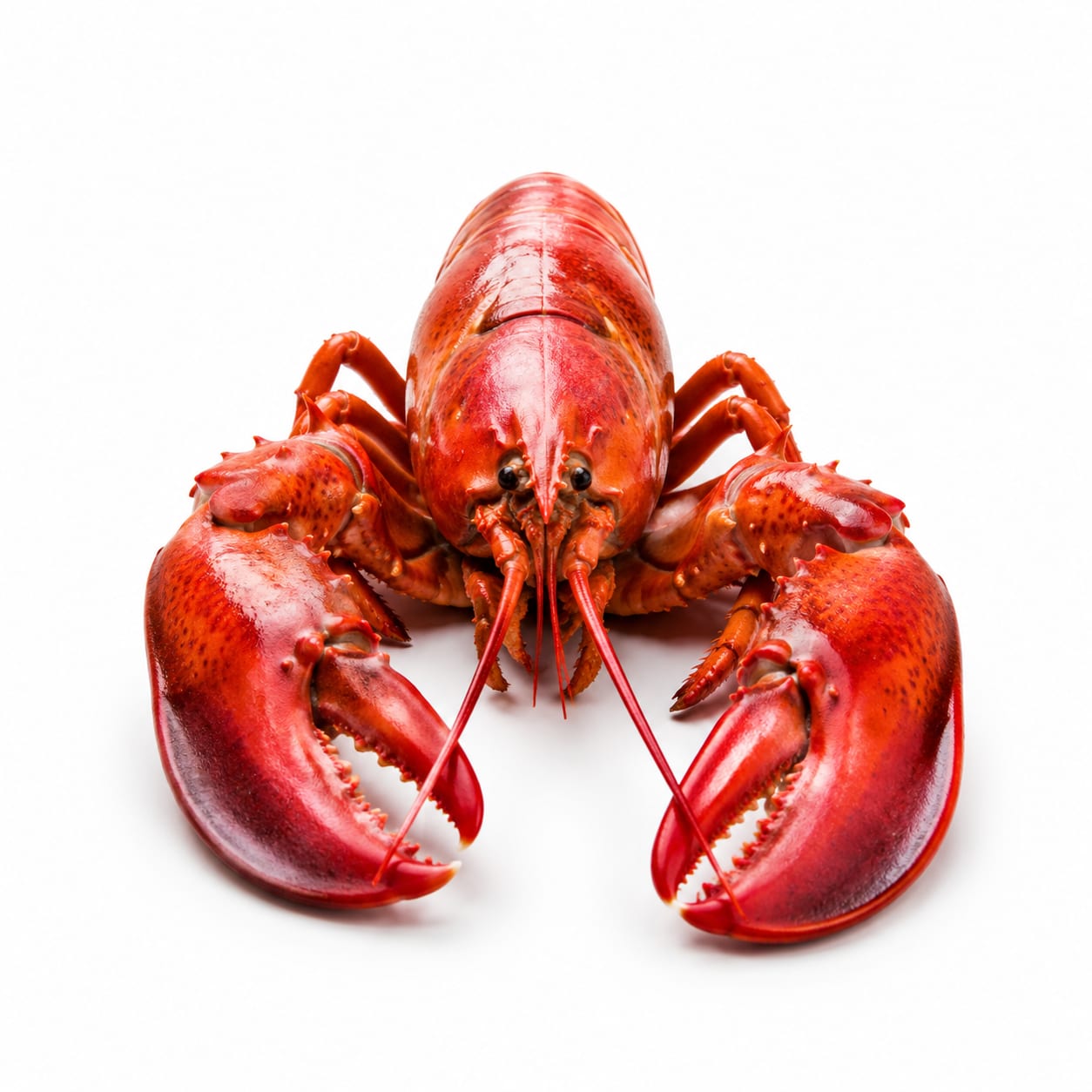
Lobster
Escargot offers superior iron and lower heavy metal risk, while lobster delivers more protein and B12 per serving as a mainstream main course.
Escargot edges out lobster slightly due to a better micronutrient profile and lower heavy metal accumulation, though both are excellent lean proteins.
Escargot wins on micronutrient density and lower mercury, but lobster is a more satisfying, protein-dense centerpiece meal.
At a glance
Executive summary
Overall
It depends
Healthier
Escargot
More practical
Lobster
Daily use
Escargot
Key comparison lenses
Luxury lean protein comparison
Both are premium dining choices valued for their high-quality protein and low fat content.
Heavy metal and toxin exposure
Lobster is a bottom-feeder prone to mercury accumulation, while escargot generally carries a lower heavy metal burden.
Micronutrient density
Escargot is surprisingly rich in iron and magnesium, whereas lobster excels in B12 and zinc.
Cholesterol impact
Both foods are high in dietary cholesterol, which is a common concern for heart-conscious consumers.
Best choice for
Escargot
- People monitoring their mercury intake
- Those needing an iron boost
- Anyone wanting a light, low-calorie appetizer
Lobster
- Athletes needing high-quality protein for recovery
- People looking for a filling main course
- Those wanting a B12 and zinc boost
Least suitable for
Escargot
- People squeamish about texture
- Those wanting a hearty, filling meal
- Anyone needing a quick weeknight dinner
Lobster
- People highly concerned about heavy metals
- Those on a strict budget
- Individuals with shellfish allergies
Deep comparison
Dimension by dimension
Each lens scores both foods and breaks down who each option suits.
- Dimension 1 · Priority 90Escargot
Protein & Micronutrient Density
Escargot · 85Lobster · 80Escargot packs a surprising punch with iron and magnesium, while lobster shines with B12 and zinc.
Tradeoff
You get more blood-building iron from Escargot, but more DNA-supporting B12 from Lobster.
Why it matters
Iron deficiency is common, making Escargot a potent functional food, but B12 is critical for nerve health.
Real-world impact
Eating Escargot can help fight afternoon fatigue if you are slightly anemic, while Lobster better supports muscle repair after a workout.
Escargot
- Boosting energy levels
- Supporting red blood cell production
Better for
- Getting a large protein dose in one sitting
Worse for
Lobster
- Supporting nerve function
- Aiding muscle recovery
Better for
- Addressing iron deficiency
Worse for
- Dimension 2 · Priority 85Escargot
Heavy Metal & Toxin Risk
Escargot · 82Lobster · 60Lobster, as a bottom-dweller, accumulates more heavy metals like mercury compared to Escargot.
Tradeoff
Lobster offers larger meat portions but carries a higher cumulative toxin load per serving.
Why it matters
Regular consumption of high-mercury seafood can impact cognitive function and nervous system health over time.
Real-world impact
Choosing Escargot over Lobster more often reduces your weekly mercury exposure, making it a safer recurring luxury.
Escargot
- Reducing mercury exposure
- Safer frequent consumption
Better for
- Parasite risk if wild-caught and undercooked
Worse for
Lobster
- Occasional indulgence with minimal long-term risk
Better for
- Heavy metal accumulation
- Higher ocean-borne contaminant load
Worse for
- Dimension 3 · Priority 75Lobster
Satiety & Meal Experience
Escargot · 45Lobster · 90Lobster provides a substantial, filling main course, whereas Escargot is typically a small appetizer.
Tradeoff
Lobster fills you up as a dinner centerpiece, while Escargot leaves you hungry if eaten alone.
Why it matters
Satiety determines whether a meal actually holds you over or sends you snacking an hour later.
Real-world impact
A Lobster dinner will comfortably satisfy your hunger for the evening; Escargot is just a light start to a multi-course meal.
Escargot
- Light appetizer course
- Portion control
Better for
- Staying full on a single dish
Worse for
Lobster
- Full dinner satisfaction
- Post-workout fullness
Better for
- Light snacking
Worse for
- Dimension 4 · Priority 70It depends
Cholesterol & Heart Health
Escargot · 70Lobster · 70Both are high in dietary cholesterol but low in saturated fat, making them acceptable in moderation for most.
Tradeoff
You get lean protein from both, but those with genetic cholesterol sensitivity should moderate intake of either.
Why it matters
Dietary cholesterol impacts people differently; for many, saturated fat matters more, but some are hyper-responders.
Real-world impact
Eating either food won't spike your heart disease risk if the rest of your diet is low in saturated fat, but skip the butter dipping.
Escargot
- Lean protein with low saturated fat
Better for
- High dietary cholesterol load
Worse for
Lobster
- Lean protein with low saturated fat
Better for
- High dietary cholesterol load
Worse for
- Dimension 5 · Priority 60Lobster
Culinary Accessibility & Versatility
Escargot · 40Lobster · 75Lobster integrates into more dishes and is easier to source than Escargot.
Tradeoff
Lobster is more versatile in cooking, while Escargot is a niche ingredient requiring specific preparation.
Why it matters
A food you can easily cook multiple ways is more practical for real-life meal planning.
Real-world impact
You can toss Lobster in rolls, pasta, or grill it whole; Escargot mostly requires garlic-herb butter and specialized tongs.
Escargot
- Unique dining experience
- Elegant appetizers
Better for
- Everyday meal integration
- Quick preparation
Worse for
Lobster
- Versatile main courses
- Sandwiches and pasta additions
Better for
- Budget-friendly cooking
Worse for
Timeline
Health impact over time
Short-term
Hours to days
Escargot
- Provides steady, crash-free energy due to zero carbs
- High iron content can provide a noticeable energy lift if you are slightly anemic
Lobster
- High protein promotes strong satiety and keeps you full for hours
- Zero carbs mean no blood sugar spikes or crashes
Long-term
Months to years
Escargot
- Excellent for maintaining iron stores and preventing fatigue
- Lower mercury load makes it safer for long-term, occasional inclusion in your diet
Lobster
- Great for maintaining muscle mass and B12 nerve health as you age
- Regular high consumption could increase heavy metal exposure over decades
Risk profile
Safety & processing
Both Escargot and Lobster are whole, natural foods. However, canned Escargot may contain higher sodium and minor preservatives, while frozen Lobster meat can sometimes contain sodium tripolyphosphate to retain moisture.
Escargot
Parasites and bacteria
mediumWild Escargot can carry rat lungworm or other parasites; always ensure they are thoroughly cooked or sourced from reliable farms.
High sodium in canned varieties
mediumCanned Escargot is often packed in brine, significantly increasing sodium content.
Lobster
Heavy metal accumulation
mediumAs bottom-feeders, Lobster can accumulate mercury and cadmium, particularly in the tomalley.
Shellfish allergy
highLobster is a major allergen that can cause severe, life-threatening anaphylactic reactions.
Bacterial contamination
mediumLobster must be kept alive until cooked; improper handling leads to rapid bacterial growth and food poisoning.
Who wins for whom
Audience fit
Same foods, different winners depending on your goal.
children
EscargotEscargot has lower mercury accumulation, making it a safer occasional protein for kids, though texture might be a hurdle.
daily consumption
EscargotEscargot's lower heavy metal burden makes it a safer choice if you want to eat luxury shellfish more frequently.
diabetes
It dependsBoth Escargot and Lobster are virtually zero-carb, causing no blood sugar spikes and fitting perfectly into a diabetic diet.
elderly
EscargotEscargot is easier to chew and provides highly bioavailable iron and B12 without the heavy metal load of Lobster.
muscle gain
LobsterLobster delivers a larger, more concentrated dose of complete protein needed for muscle repair and growth.
weight loss
LobsterLobster provides more filling protein per serving, making it easier to stay satisfied on a calorie deficit.
Your move
Decision guide
Choose Escargot
- You want a rich source of iron to fight fatigue
- You are concerned about mercury and heavy metal exposure
- You want a light, elegant appetizer rather than a heavy meal
Choose Lobster
- You want a satisfying, protein-heavy main course
- You need a substantial B12 and zinc boost
- You are celebrating a special occasion and want a show-stopping centerpiece
Either works if
- You want a zero-carb, lean protein option
- You are watching your saturated fat intake
- Dietary cholesterol is not a personal health concern
Avoid both if
- You have a shellfish or mollusk allergy
- You are on a strict, doctor-ordered low-cholesterol diet
- You dislike foods commonly cooked in heavy butter or garlic sauces
Final recommendation
Choose Escargot for a nutrient-dense, lower-mercury appetizer that supports energy levels; choose Lobster when you want a filling, high-protein main course for muscle recovery or a celebratory dinner.
Practical
Consumer tips
- 1
Source Escargot from reputable farms to avoid parasite risks and check sodium levels on canned varieties.
- 2
Limit Lobster consumption to a few times a month to manage mercury and heavy metal intake.
- 3
Watch out for butter-heavy preparations that quickly negate the lean, healthy profile of both Escargot and Lobster.
- 4
Avoid eating the Lobster tomalley (the green liver/pancreas) as it concentrates heavy metals and toxins.