
Nutrition comparison
Escargot vs Scallops: Nutrition, Protein, and Health Comparison
Compare Escargot vs Scallops to see which is healthier. Learn about protein, iron, calories, and preparation differences between these two delicacies.
Overall winner · Scallops
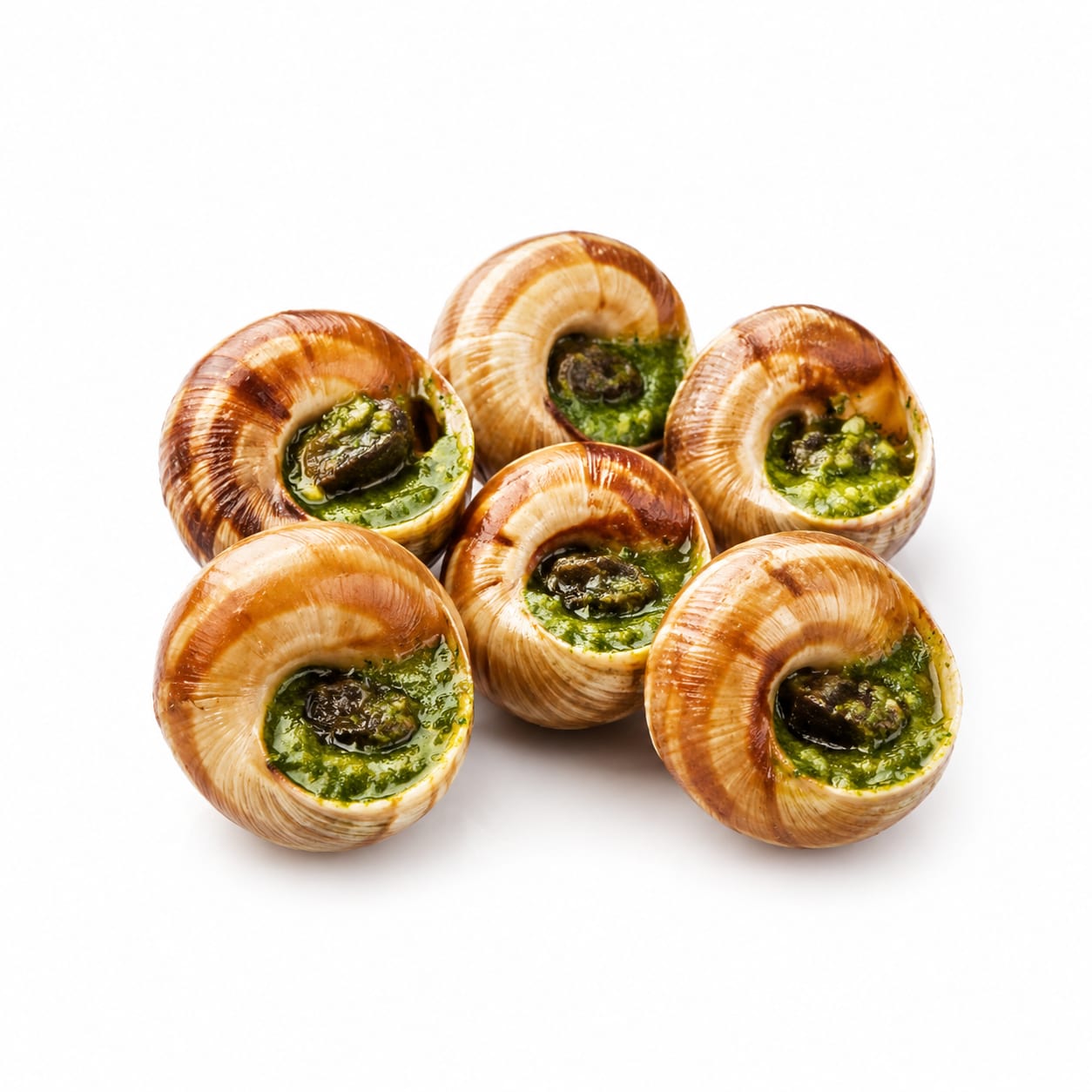
Escargot
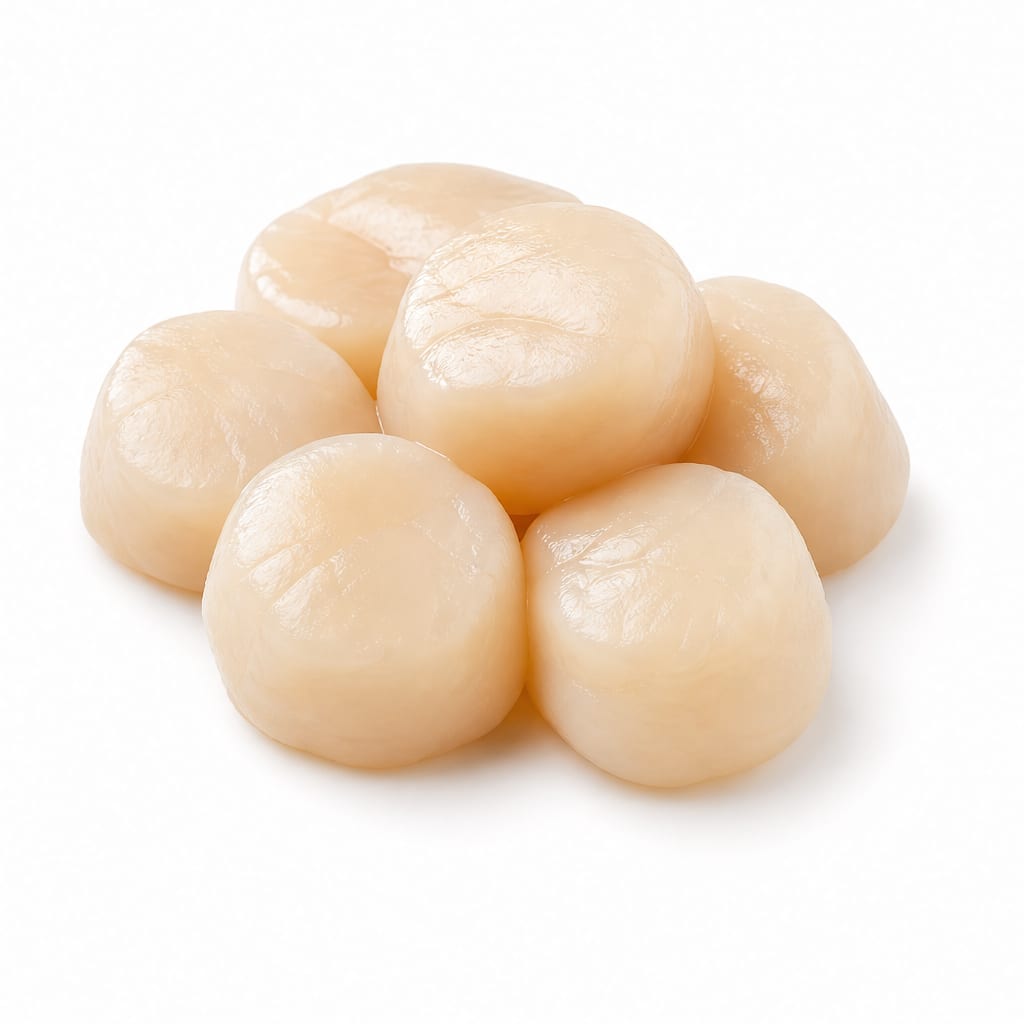
Scallops
Scallops offer a leaner, more versatile protein with a milder flavor, while Escargot provides a massive iron boost but usually comes loaded with butter.
Scallops score higher due to their naturally lean profile, culinary versatility, and easier integration into a low-fat diet. Escargot loses points primarily because its standard preparation heavily relies on butter, overshadowing its excellent micronutrient profile.
Escargot delivers unmatched iron and magnesium but is typically a high-fat appetizer due to butter preparation; Scallops are naturally lean and cook faster with less added fat.
At a glance
Executive summary
Overall
Scallops
Healthier
Scallops
More practical
Scallops
Daily use
Scallops
Key comparison lenses
Protein quality and leanness for fitness or weight loss
Both are high-protein delicacies, but their fat and calorie profiles differ significantly depending on preparation.
Micronutrient density, specifically iron and B-vitamins
Escargot is surprisingly rich in iron and magnesium, while Scallops excel in B12 and omega-3s.
Contamination and food safety risks
Both are bottom-dwellers or filter feeders, raising valid concerns about heavy metals, toxins, and parasites.
Culinary practicality and preparation impact
Escargot is almost always served in garlic butter, drastically altering its health profile, whereas Scallops are often seared with minimal fat.
Best choice for
Escargot
- People needing an iron boost, like those with anemia
- Diners seeking a rich, indulgent restaurant appetizer
- Those looking to increase magnesium intake naturally
Scallops
- Anyone tracking calories or macros for weight loss
- Home cooks wanting a fast, lean weeknight protein
- People seeking omega-3s without heavy added fats
Least suitable for
Escargot
- People on strict low-fat or low-cholesterol diets
- Those with dairy intolerances (due to butter preparation)
- Diners squeamish about texture or origin
Scallops
- Individuals with severe shellfish allergies
- Those on extremely tight budgets (can be pricey)
- People prone to gout flares (moderate purines)
Deep comparison
Dimension by dimension
Each lens scores both foods and breaks down who each option suits.
- Dimension 1 · Priority 95Scallops
Lean Protein & Calorie Density
Escargot · 55Scallops · 92Scallops are naturally very low in fat and calories while packing high-quality protein. Escargot is naturally lean but almost always cooked in copious amounts of butter, skyrocketing the calorie count.
Tradeoff
You get more protein per calorie from Scallops, but Escargot offers a more filling, rich eating experience because of the added fats.
Why it matters
If you are eating for body composition or weight management, Scallops keep you in the clear. Escargot can easily become a calorie bomb disguised as a healthy seafood choice.
Real-world impact
A plate of Scallops keeps you light and energized after dinner. Escargot as an appetizer might fill you up fast but can leave you feeling sluggish if you are also eating a main course.
Escargot
- Keto or low-carb dieters who welcome extra butter
- Those wanting a small, rich appetizer to feel satisfied quickly
Better for
- Low-fat diet followers
- Those trying to control portion sizes of high-calorie foods
Worse for
Scallops
- Lean bulkers or calorie trackers
- People wanting a light post-workout meal
Better for
- Those needing high fat intake for satiety or specific diets
Worse for
- Dimension 2 · Priority 85Escargot
Micronutrient Density
Escargot · 90Scallops · 80Escargot is a micronutrient powerhouse, particularly for iron, magnesium, and selenium. Scallops are no slouch, offering excellent B12 and phosphorus, but Escargot wins on mineral density.
Tradeoff
Escargot provides exceptional iron which is rare in seafood, but Scallops provide more heart-healthy omega-3 fatty acids.
Why it matters
Iron deficiency is common, especially in women, making Escargot a functional food choice. However, omega-3s from Scallops are crucial for reducing inflammation.
Real-world impact
Eating Escargot occasionally can genuinely help boost energy if you are running low on iron. Scallops are better for long-term heart and brain health.
Escargot
- Women with heavy menstrual cycles needing iron
- People with diagnosed iron-deficiency anemia
Better for
- People with hemochromatosis (iron overload)
Worse for
Scallops
- Those prioritizing cardiovascular health
- People needing more B12 for nerve function
Better for
- Those specifically needing a dietary iron boost
Worse for
- Dimension 3 · Priority 75Scallops
Culinary Versatility & Practicality
Escargot · 40Scallops · 85Scallops can be seared, grilled, baked, or eaten raw, and cook in minutes. Escargot requires specialized tools, specific recipes, and is rarely cooked at home.
Tradeoff
Scallops are an easy weeknight dinner, while Escargot is mostly a specialty restaurant dish or a complex home cooking project.
Why it matters
Convenience dictates how often you actually eat a food. A healthy protein you can cook in 5 minutes is far more useful than one that takes an hour of prep and special dishes.
Real-world impact
You can throw Scallops in a pan on a Tuesday night. Escargot is reserved for dinner parties or dining out.
Escargot
- Adventurous home cooks looking for a weekend project
- Those wanting an impressive dinner party appetizer
Better for
- Anyone short on time or kitchen equipment
Worse for
Scallops
- Busy professionals needing fast weeknight meals
- Home cooks wanting forgiving, quick-cooking proteins
Better for
- Those who find delicate seafood intimidating to cook
Worse for
- Dimension 4 · Priority 80It depends
Contamination & Safety Risks
Escargot · 65Scallops · 70Escargot can carry parasites and require thorough purging and cooking. Scallops are filter feeders that can accumulate algal toxins and heavy metals, though farmed varieties are generally safe.
Tradeoff
Escargot demands strict cooking to kill parasites, while Scallops demand careful sourcing to avoid environmental toxins.
Why it matters
Both carry higher inherent risks than standard livestock. Sourcing and preparation are non-negotiable for safety.
Real-world impact
Undercooked Escargot can cause serious parasitic infections. Bad Scallops can cause shellfish poisoning. Both require trust in your supplier.
Escargot
- Those who avoid shellfish due to allergies but want exotic protein
Better for
- Anyone tempted to undercook wild-caught snails
Worse for
Scallops
- Those who source from trusted, sustainable fisheries
Better for
- People with severe shellfish allergies
- Those in areas with frequent red tide algal blooms
Worse for
Timeline
Health impact over time
Short-term
Hours to days
Escargot
- High satiety from the fat content in standard garlic butter preparation
- Potential digestive discomfort if rich dairy butter is consumed in large amounts
Scallops
- Light, energized feeling due to low calorie and high protein ratio
- Quick digestion without feeling weighed down
Long-term
Months to years
Escargot
- Improved iron status and reduced fatigue if eaten regularly without excess butter
- Potential cardiovascular concerns if always consumed with high-fat butter preparations
Scallops
- Support for heart and brain health from omega-3 fatty acids
- Maintenance of lean muscle mass due to high-quality, low-fat protein
Risk profile
Safety & processing
Both Escargot and Scallops are whole, natural foods in their raw state. The main additive concern for Escargot comes from the butter and garlic sauce it is typically packed or cooked in, while frozen Scallops can sometimes be treated with sodium tripolyphosphate (STPP) to retain moisture.
Escargot
Parasitic infection
highEscargot can carry rat lungworm and other parasites if not thoroughly cooked. Never eat them raw or rare.
Gastrointestinal distress from improper purging
mediumIf farmed snails are not properly purged of their digestive contents, they can cause food poisoning.
Scallops
Algal biotoxins
highAs filter feeders, Scallops can accumulate toxins from red tide, leading to paralytic shellfish poisoning if sourced from unmonitored waters.
Heavy metal accumulation
mediumScallops can contain trace amounts of cadmium and mercury, though generally lower than large predatory fish.
Chemical additives in frozen products
mediumSome commercially frozen Scallops are soaked in STPP, a chemical that increases water weight and alters texture.
Who wins for whom
Audience fit
Same foods, different winners depending on your goal.
children
ScallopsScallops have a mild, sweet taste and tender texture that kids are more likely to accept. Escargot is a tough sell for most children, both texturally and conceptually.
daily consumption
ScallopsScallops are light, easy to prepare in varied ways, and fit seamlessly into everyday healthy diets. Escargot is too rich and cumbersome for daily eating.
diabetes
ScallopsScallops have zero carbs and low fat, preventing blood sugar spikes. Escargot is also carb-free but the heavy butter can sometimes slow digestion in ways that disrupt metabolic rhythms for some.
elderly
EscargotThe high iron and magnesium in Escargot can be highly beneficial for older adults who often struggle with deficiencies, provided they can tolerate the rich preparation.
muscle gain
ScallopsScallops offer a lean, complete protein source that supports muscle repair without adding unnecessary dietary fat.
weight loss
ScallopsScallops provide high protein with minimal calories and fat, making them far easier to fit into a calorie deficit than butter-laden Escargot.
Your move
Decision guide
Choose Escargot
- You have low iron levels and want a delicious way to boost your intake
- You are eating at a French restaurant and want an indulgent, classic appetizer
- You follow a keto diet and want a high-fat, low-carb starter
Choose Scallops
- You want a lean, elegant dinner that takes under 10 minutes to cook
- You are tracking macros or calories for weight loss or muscle gain
- You want a versatile protein that pairs well with light, fresh flavors
Either works if
- You are looking for high-quality, complete protein sources outside of standard meat
- You want to impress dinner guests with upscale seafood or exotic fare
Avoid both if
- You have a severe shellfish or mollusk allergy
- You are on an extremely tight grocery budget
- You are pregnant and unsure about the sourcing or thorough cooking of these animals
Final recommendation
Make Scallops your go-to for everyday lean protein and quick meals. Save Escargot for occasional dining out or specific iron-boosting needs, but be mindful of the butter it swims in.
Practical
Consumer tips
- 1
When buying frozen Scallops, look for 'dry-packed' on the label to avoid STPP chemical additives and watery texture.
- 2
If cooking Escargot at home, try using olive oil and herbs instead of butter for a heart-healthy twist that still tastes amazing.
- 3
Always ensure Escargot is thoroughly cooked to eliminate any risk of parasites; there is no safe way to eat them rare.
- 4
Sear Scallops in a very hot pan for just 1-2 minutes per side to get a golden crust without turning them rubbery.