
Nutrition comparison
Escargot vs Oysters: Nutrition, Safety, and Which Delicacy Is Healthier
Compare escargot and oysters on protein, zinc, omega-3s, and food safety. Learn which shellfish delicacy fits your health goals and when to choose one over the other.
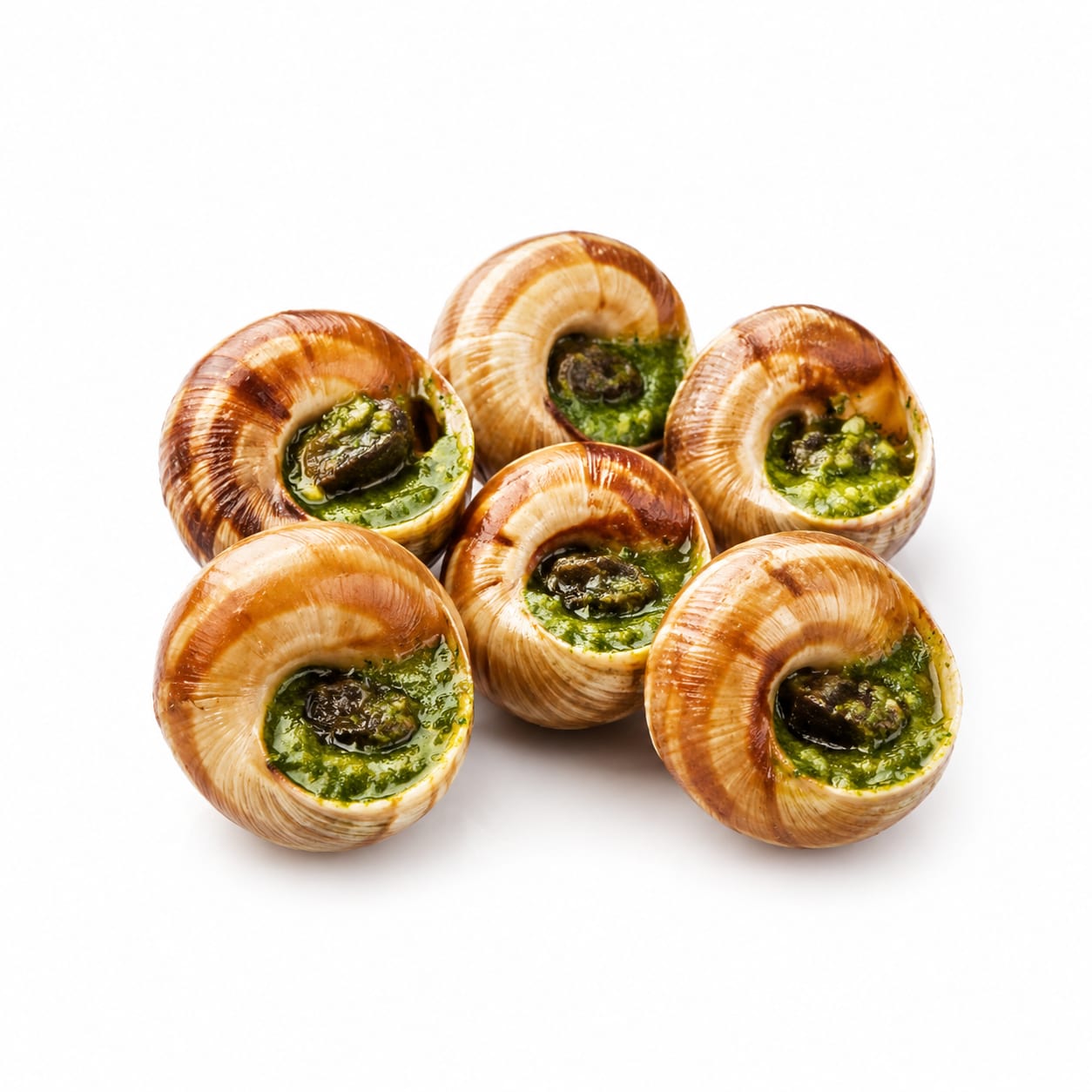
Escargot
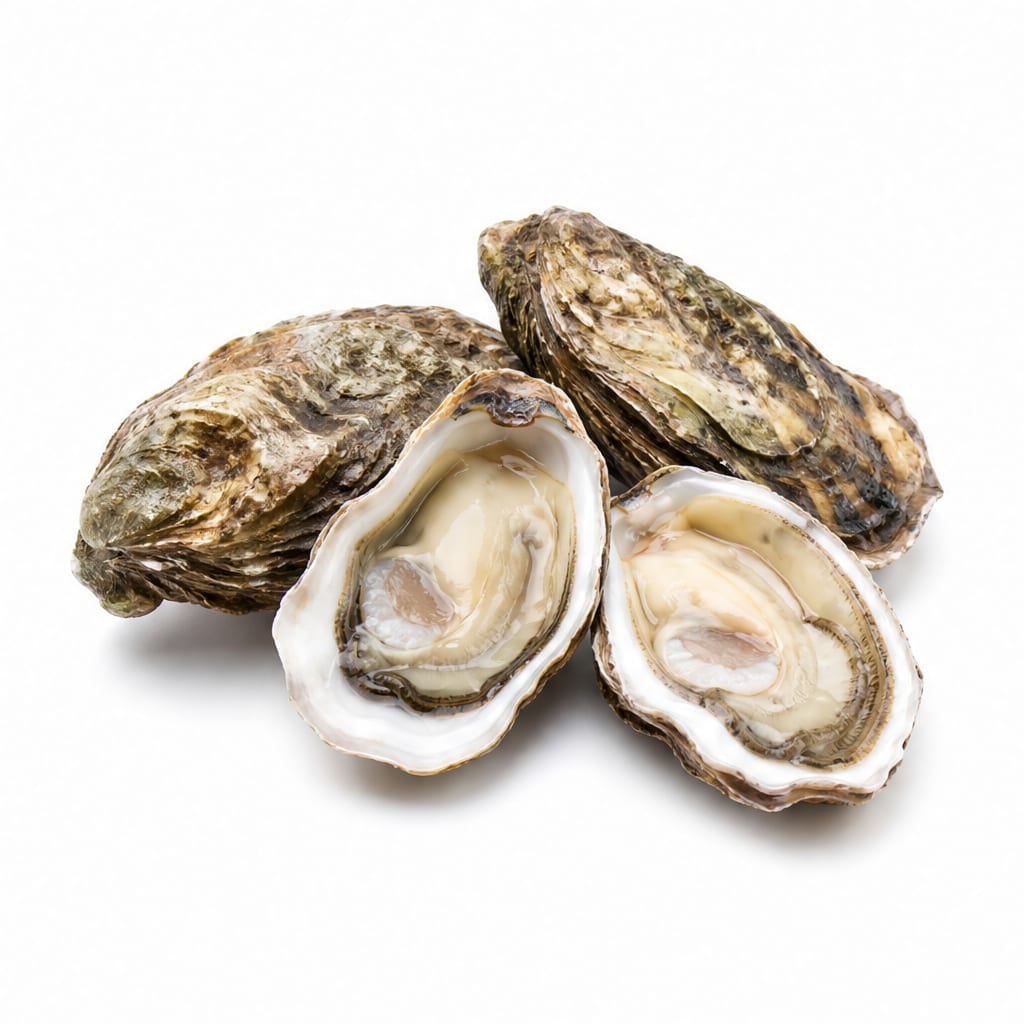
Oysters
Oysters win on zinc and omega-3s, while escargot offers more protein per calorie and avoids raw consumption risks. Your choice hinges on whether you prioritize immune-boosting minerals or safer, denser protein.
Oysters edge ahead on micronutrient density and omega-3 content, but escargot stay competitive thanks to superior protein per calorie and lower food safety risks. The close scores reflect that neither is a clear winner across all contexts.
Oysters deliver unmatched zinc and B12 but carry real raw-eating risks; escargot provide more filling protein with less contamination danger but lack the omega-3 boost.
At a glance
Executive summary
Overall
It depends
Healthier
It depends
More practical
Oysters
Daily use
Oysters
Key comparison lenses
Mineral density and micronutrient superiority
Both foods are prized for exceptional mineral content, especially zinc, iron, and selenium, making this the core differentiator
Raw consumption safety and foodborne illness risk
Oysters are frequently eaten raw, introducing serious Vibrio and norovirus concerns that escargot largely avoids
Environmental contamination and heavy metal exposure
Oysters are filter feeders that concentrate heavy metals and microplastics, while escargot face pesticide and soil contamination risks
Protein quality for lean diets
Both are lean protein sources, but their amino acid profiles and accompanying fat content differ meaningfully
Culinary practicality and everyday usability
Neither is a typical daily staple, but oysters are more accessible and versatile in preparation
Best choice for
Escargot
- People avoiding raw animal foods due to immune concerns
- Those seeking maximum protein with minimal calories
- Diners wanting a lean delicacy without heavy metal worries
- Anyone deficient in iron who also needs satiating protein
Oysters
- Men and women needing zinc for fertility or immune function
- People wanting omega-3s without eating fish
- Those comfortable with raw seafood and proper sourcing
- Anyone seeking B12 from a low-calorie whole food
Least suitable for
Escargot
- People with shellfish or mollusk allergies seeking a safer alternative
- Anyone wanting quick omega-3 intake
- Diners unfamiliar with or repulsed by snail cuisine
Oysters
- Immunocompromised individuals due to Vibrio risk
- Pregnant women avoiding raw seafood
- People in regions with poor water quality monitoring
- Anyone with severe shellfish allergies
Deep comparison
Dimension by dimension
Each lens scores both foods and breaks down who each option suits.
- Dimension 1 · Priority 95Oysters
Zinc and Immune Minerals
Escargot · 45Oysters · 97Oysters are the single richest food source of zinc by a wide margin, delivering over 500% of daily needs per serving. Escargot contain respectable zinc but at roughly a third of that concentration.
Tradeoff
Choosing escargot means settling for adequate but not exceptional zinc intake, which matters for immunity, wound healing, and testosterone production.
Why it matters
Zinc deficiency is surprisingly common and affects immune resilience, taste perception, and hormonal balance. Oysters practically solve this in a single serving.
Real-world impact
Six medium oysters can cover your zinc needs for days; you would need multiple escargot servings to approach the same benefit.
Escargot
- People already meeting zinc needs through supplements or other foods
Better for
- Those relying on food alone to correct a zinc deficiency
Worse for
Oysters
- Men supporting testosterone and fertility
- Anyone recovering from illness needing immune support
- Vegetarians transitioning who lacked zinc for years
Better for
- People who over-consume zinc from supplements already
Worse for
- Dimension 2 · Priority 82Escargot
Protein Density and Satiety
Escargot · 84Oysters · 62Escargot deliver significantly more protein per calorie, making them more filling and useful for lean diets. Oysters provide decent protein but are more water-heavy.
Tradeoff
Oysters offer protein alongside omega-3s, while escargot give you more protein per bite but without the anti-inflammatory fats.
Why it matters
Higher protein density keeps you full longer and supports muscle maintenance, especially on calorie-restricted diets.
Real-world impact
A serving of escargot feels more like a protein-focused entrée, while oysters feel more like a light appetizer that leaves you hungry sooner.
Escargot
- Athletes managing weight while preserving muscle
- Anyone on a high-protein, low-calorie eating plan
Better for
- Those wanting omega-3s alongside their protein
Worse for
Oysters
- People wanting lighter fare before a main course
Better for
- Anyone relying on a single dish for satiety
Worse for
- Dimension 3 · Priority 85Oysters
Omega-3 Fatty Acids
Escargot · 15Oysters · 78Oysters provide meaningful amounts of EPA and DHA omega-3s, rivaling some fatty fish. Escargot are essentially devoid of these anti-inflammatory fats.
Tradeoff
If heart and brain health are priorities, oysters offer a rare non-fish omega-3 source. Escargot cannot fill this role.
Why it matters
Omega-3s reduce inflammation, support cardiovascular health, and are critical for cognitive function. Most diets are deficient.
Real-world impact
Eating oysters twice a week can meaningfully contribute to omega-3 intake; escargot contribute nothing here regardless of frequency.
Escargot
- People already consuming ample omega-3s from fish or algae oil
Better for
- People relying on this food as an omega-3 source
Worse for
Oysters
- Those who dislike fish but want marine omega-3s
- Anyone focused on heart and brain health through diet
Better for
- Those watching total fat intake extremely closely
Worse for
- Dimension 4 · Priority 88Escargot
Food Safety and Contamination Risk
Escargot · 76Oysters · 48Escargot are almost always cooked, killing parasites and bacteria. Raw oysters carry documented Vibrio and norovirus risks, and their filter-feeding nature concentrates environmental contaminants.
Tradeoff
Oysters can be cooked to reduce risk, but this diminishes their culinary appeal and some nutrient availability. Escargot are inherently safer by preparation convention.
Why it matters
Foodborne illness from raw oysters hospitalizes and kills people annually, particularly those with liver disease or weakened immunity.
Real-world impact
A healthy person might eat raw oysters dozens of times without issue, but the tail risk is real and severe for vulnerable populations.
Escargot
- Immunocompromised individuals
- Pregnant women
- Anyone without trusted seafood sourcing
Better for
- Those concerned about garlic butter preparation adding calories
Worse for
Oysters
- Healthy adults with access to reputable, cold-chain-verified suppliers
Better for
- Anyone with liver disease, diabetes, or compromised immunity
- People in warm coastal regions during summer months
Worse for
- Dimension 5 · Priority 78Oysters
Vitamin B12 Content
Escargot · 60Oysters · 90Oysters are among the most concentrated B12 food sources available. Escargot contain B12 but at noticeably lower levels.
Tradeoff
B12 is critical for nerve function and energy. Oysters make it easy to maintain adequate levels without supplements.
Why it matters
B12 deficiency causes fatigue, numbness, and cognitive issues. Absorption declines with age, making dense food sources valuable.
Real-world impact
A single oyster serving can exceed daily B12 needs multiple times over; escargot provide a solid but less dramatic contribution.
Escargot
- People already supplementing B12
Better for
- Those relying on food as their sole B12 source
Worse for
Oysters
- Older adults with reduced B12 absorption
- Anyone reducing meat intake who needs reliable B12
Better for
- People with B12 overload from excessive supplementation
Worse for
- Dimension 6 · Priority 74It depends
Iron Content and Bioavailability
Escargot · 78Oysters · 75Both foods deliver excellent heme iron, but escargot edge ahead slightly on total iron per serving while oysters provide it alongside copper that aids iron metabolism.
Tradeoff
Escargot give you more raw iron; oysters give you iron plus the copper cofactor your body needs to actually use it efficiently.
Why it matters
Iron deficiency is the most common nutrient deficiency worldwide, causing fatigue and impaired concentration.
Real-world impact
Either food meaningfully helps correct low iron; the difference is minor enough that preference and safety should decide.
Escargot
- Those wanting maximum iron per serving
Better for
- Those at risk for iron overload
Worse for
Oysters
- People who also need copper for iron utilization
Better for
- People with Wilson's disease or copper sensitivity
Worse for
Timeline
Health impact over time
Short-term
Hours to days
Escargot
- High protein content provides lasting fullness after eating
- Garlic butter preparation can cause heartburn in sensitive individuals
- Iron content may cause slight constipation if consumed in large quantities
Oysters
- Zinc can cause mild nausea if eaten on an empty stomach in large amounts
- Raw consumption may trigger digestive upset if bacteria are present
- Light, low-calorie nature may leave you hungry again within an hour
Long-term
Months to years
Escargot
- Consistent iron and protein intake supports muscle maintenance and energy
- Low omega-3 intake means missing anti-inflammatory benefits unless supplemented
- Minimal heavy metal exposure compared to many seafood options
Oysters
- Regular zinc and omega-3 intake supports immune strength and cardiovascular health
- Cumulative heavy metal and microplastic exposure if sourced from polluted waters
- B12 sufficiency protects nerve health and cognitive function long-term
Risk profile
Safety & processing
Both foods are whole, minimally processed animal foods. The main concern is not additives but preparation: escargot are typically cooked in garlic butter, adding significant saturated fat, while oysters are often consumed raw with minimal additions.
Escargot
Parasitic infection from undercooked snails
mediumSnails can carry rat lungworm and other parasites. Thorough cooking eliminates this risk, which is why escargot are virtually always served cooked.
Pesticide and herbicide accumulation from soil
lowFarm-raised escargot are generally safe, but wild-foraged snails from agricultural areas may carry pesticide residues. Reputable sourcing resolves this.
Oysters
Vibrio vulnificus infection from raw consumption
highRaw oysters are the leading foodborne cause of death in the US from Vibrio. Risk spikes in warm months and for people with liver disease, diabetes, or weakened immunity. Cooking eliminates this threat.
Norovirus from contaminated waters
mediumOysters filter large volumes of water and concentrate viruses. Even approved harvesting areas can have intermittent contamination.
Heavy metals and microplastics
mediumAs filter feeders, oysters accumulate cadmium, lead, and microplastics from their environment. Frequency of consumption and water source quality determine actual exposure.
Who wins for whom
Audience fit
Same foods, different winners depending on your goal.
children
EscargotCooked escargot eliminate the raw-seafood risk that makes oysters unsuitable for children, whose immune systems are still developing.
daily consumption
OystersCooked oysters can be eaten more regularly with varied preparation methods, while escargot are heavier due to butter-based cooking and less versatile for daily meals.
diabetes
EscargotBoth are low-carb, but escargot have virtually zero carbohydrate and higher protein, supporting steadier blood sugar. Oysters contain small amounts of glycogen that can cause minor glucose fluctuation.
elderly
It dependsOysters provide crucial B12 and zinc that seniors often lack, but raw consumption is dangerous for older immune systems. Cooked oysters resolve this; otherwise, escargot are the safer choice.
muscle gain
EscargotHigher protein density makes escargot more useful for muscle maintenance and growth, though neither is a primary protein source for serious athletes.
weight loss
EscargotEscargot provide more protein per calorie, keeping you fuller on fewer calories. Oysters are also low-calorie but less satiating, making portion control harder.
Your move
Decision guide
Choose Escargot
- You want maximum protein with minimal calories and fat
- You are immunocompromised or pregnant and must avoid raw seafood risks
- You are anemic and need concentrated heme iron alongside filling protein
- You find raw oysters unappealing and want a cooked delicacy instead
Choose Oysters
- You want the most zinc-rich food available for immune or fertility support
- You need marine omega-3s but dislike fish or fish oil supplements
- You are comfortable with raw seafood and have access to high-quality sourcing
- You want a light, elegant appetizer rather than a protein-focused dish
Either works if
- You simply want a nutrient-dense delicacy for a special occasion
- You are focused on B12 intake from whole foods
- You are eating at a reputable restaurant with trusted sourcing
Avoid both if
- You have a mollusk or shellfish allergy
- You are on a strict budget and need affordable daily protein sources
- You are seeking a practical everyday staple rather than an occasional delicacy
Final recommendation
Choose oysters when zinc, omega-3s, and B12 matter most and you trust the source. Choose escargot when you want safer, more filling protein without raw-seafood risks. For most people, enjoying both occasionally — oysters for the minerals, escargot for the protein — gives the best of both worlds without overconcentrating contaminants from either.
Practical
Consumer tips
- 1
Ask your restaurant or supplier about water source and harvesting area for oysters — this matters more than most people realize
- 2
Cook oysters if you have any immune concerns; grilling or steaming retains most nutrients while eliminating Vibrio risk
- 3
Request escargot prepared with less butter if watching saturated fat; the snails themselves are extremely lean
- 4
Avoid raw oysters during warm months (months without an R) when Vibrio bacteria proliferate faster
- 5
If eating oysters frequently, vary your sourcing to avoid accumulating heavy metals from a single waterway
- 6
Frozen escargot are perfectly nutritious and often more consistent than fresh for home cooking