
Nutrition comparison
Escargot vs Crab: Nutritional Comparison and Health Tradeoffs
Compare escargot and crab nutrition including protein, iron, omega-3, sodium, and safety. Find out which shellfish fits your health goals and when to choose each.
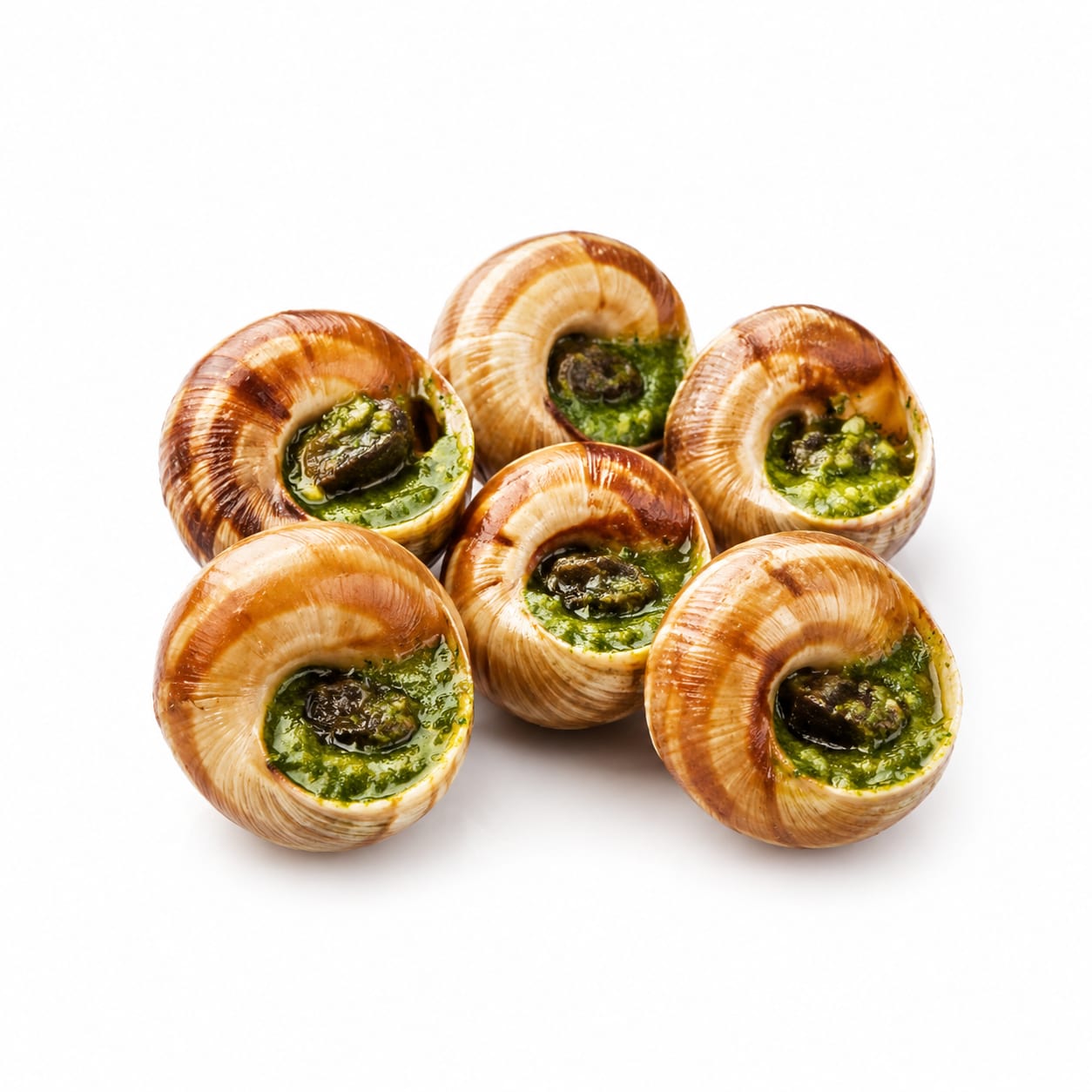
Escargot
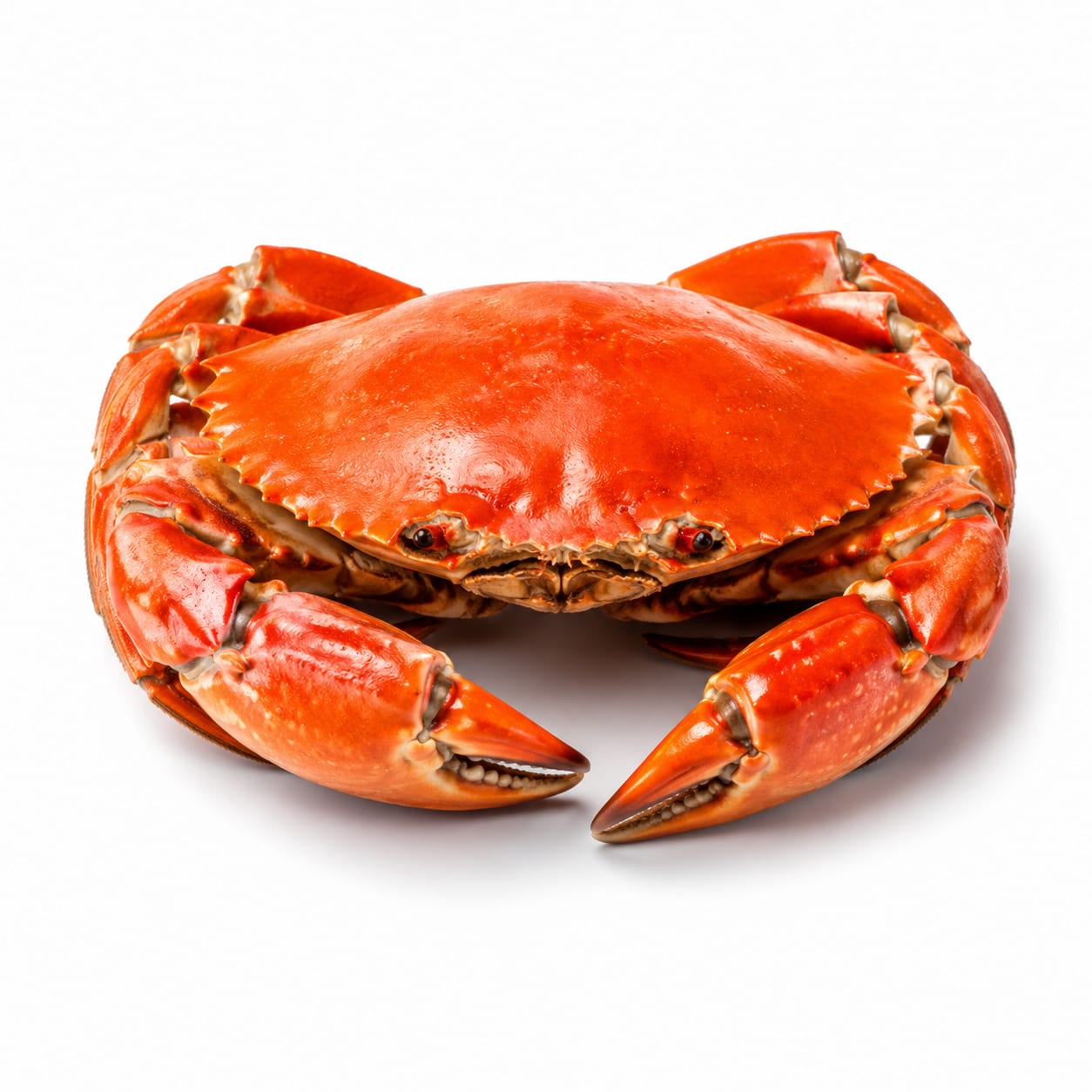
Crab
Escargot wins on iron and zinc density while crab offers broader nutrient coverage and everyday practicality
Crab edges ahead mainly on practicality and broader nutrient coverage including omega-3s. Escargot is a micronutrient powerhouse especially for iron and zinc but its niche status and preparation demands hold it back for everyday use
Escargot delivers exceptional mineral content in a tiny package but crab is far more accessible and versatile for regular meals
At a glance
Executive summary
Overall
It depends
Healthier
It depends
More practical
Crab
Daily use
Crab
Key comparison lenses
protein quality and completeness
Both are animal protein sources but differ in amino acid profiles and digestibility
micronutrient density especially iron and zinc
Escargot is remarkably high in iron and zinc while crab offers different minerals like selenium
allergen and safety concerns
Shellfish allergy makes crab dangerous for many people while escargot carries parasite risks
practicality and culinary accessibility
Crab is widely available and familiar while escargot is niche and intimidating for most home cooks
sodium and heart health impact
Crab can be surprisingly high in sodium especially prepared or canned versions
Best choice for
Escargot
- People with iron deficiency or anemia risk
- Those seeking zinc for immune support
- Adventurous eaters wanting nutrient-dense delicacies
- Individuals avoiding shellfish due to allergy
Crab
- Those wanting omega-3 intake from seafood
- People seeking selenium for thyroid health
- Anyone needing practical weeknight protein options
- Diners wanting versatile protein for multiple cuisines
Least suitable for
Escargot
- People squeamish about unfamiliar foods
- Those who lack reliable sources of properly prepared snails
- Anyone with compromised immunity worried about parasites
- Home cooks wanting quick easy meals
Crab
- Anyone with shellfish allergy
- People on strict low-sodium diets unless using fresh unprocessed crab
- Those concerned about marine contamination in their region
Deep comparison
Dimension by dimension
Each lens scores both foods and breaks down who each option suits.
- Dimension 1 · Priority 90Crab
protein quality and content
Escargot · 75Crab · 82Both deliver solid complete protein but crab offers slightly more per serving with better digestibility
Tradeoff
Escargot protein is excellent but comes in smaller typical portions while crab meat is easier to eat in satisfying quantities
Why it matters
Protein completeness affects how well your body can actually use what you eat for muscle repair and satiety
Real-world impact
A crab leg dinner leaves you more comfortably full than a standard escargot appetizer portion
Escargot
- Light appetizer protein needs
- Smaller portion-controlled meals
Better for
- Meeting high daily protein targets
- Feeling full after eating
Worse for
Crab
- Post-workout recovery meals
- Larger satisfying dinner portions
- Protein-forward meal prep
Better for
- Quick snacking between activities
- Budget-friendly protein sourcing
Worse for
- Dimension 2 · Priority 88Escargot
iron and zinc density
Escargot · 93Crab · 58Escargot is an iron and zinc powerhouse dramatically outperforming crab on both minerals
Tradeoff
You get outstanding mineral nutrition from escargot but must accept the limited portion sizes and specialty preparation
Why it matters
Iron deficiency is the most common nutrient deficiency worldwide and zinc is critical for immune function and wound healing
Real-world impact
A single escargot serving can cover a significant portion of daily iron needs while crab would require multiple servings to match
Escargot
- Women with heavy menstrual cycles needing iron
- Vegetarians transitioning back to animal proteins
- Anyone recovering from illness needing immune support
Better for
- People with hemochromatosis who must limit iron
Worse for
Crab
- People who get iron from other sources already
- Those prioritizing selenium over iron
Better for
- Anyone at risk for iron deficiency anemia
- Those relying on a single protein source for minerals
Worse for
- Dimension 3 · Priority 82Crab
omega-3 and healthy fats
Escargot · 35Crab · 78Crab provides meaningful omega-3 fatty acids while escargot is quite lean with minimal beneficial fats
Tradeoff
Escargot is lower in total fat which helps calorie control but you miss the anti-inflammatory omega-3s that crab delivers
Why it matters
Omega-3 intake supports heart health brain function and reducing chronic inflammation
Real-world impact
Regular crab consumption contributes to your weekly seafood omega-3 targets while escargot does not meaningfully move the needle
Escargot
- Strict calorie-controlled diets
- Those getting omega-3s from supplements or other fish
Better for
- Relying on it as a sole seafood omega-3 source
Worse for
Crab
- Heart health conscious eaters
- People not taking fish oil supplements
- Those wanting anti-inflammatory food choices
Better for
- Very low-fat diet protocols
Worse for
- Dimension 4 · Priority 75Escargot
sodium and heart health
Escargot · 72Crab · 55Fresh escargot is naturally lower in sodium while crab especially prepared versions can be surprisingly salty
Tradeoff
Escargot prepared in garlic butter gains sodium but the base meat is leaner and less salty than most crab preparations
Why it matters
Excess sodium drives blood pressure up and most people already exceed daily limits without realizing it
Real-world impact
That crab leg dinner at a restaurant can easily deliver a full day of sodium before you add any sides
Escargot
- People monitoring blood pressure
- Those trying to reduce overall sodium intake
Better for
- Restaurant preparations drowning in garlic butter
Worse for
Crab
- Active athletes who lose sodium through sweat
- Those eating fresh unprocessed crab with no added salt
Better for
- Canned or pasteurized crab meat
- Restaurant steamed crab with seasoning blends
Worse for
- Dimension 5 · Priority 80Crab
practicality and accessibility
Escargot · 30Crab · 75Crab is widely available in grocery stores and restaurants while escargot is a specialty item requiring effort to source and prepare
Tradeoff
You can grab crab at most seafood counters but finding quality escargot means seeking out specialty shops or ordering online
Why it matters
The healthiest food is the one you actually eat regularly and convenience heavily influences real-world choices
Real-world impact
Crab can be a Tuesday dinner decision while escargot is typically a special occasion or restaurant experience
Escargot
- Special occasion dining experiences
- Impressing dinner guests with something unusual
Better for
- Spontaneous meal decisions
- Cooking at home without specialty ingredients
- Budget-conscious weekly meal prep
Worse for
Crab
- Weeknight meal planning
- Grocery shopping at regular stores
- Multiple cuisine options from Asian to Mediterranean
Better for
- Inland areas far from fresh seafood supply
Worse for
- Dimension 6 · Priority 85It depends
allergen and safety profile
Escargot · 60Crab · 55Both carry distinct risks with shellfish allergy making crab dangerous for many while escargot carries parasite concerns if improperly prepared
Tradeoff
Crab allergy is more common and severe but escargot requires more careful sourcing and cooking to be safe
Why it matters
Food safety is non-negotiable and both foods demand more caution than standard proteins like chicken or beef
Real-world impact
Shellfish allergy can be life-threatening for crab eaters while undercooked escargot can transmit rat lungworm parasite
Escargot
- People with shellfish allergies who want seafood-adjacent protein
- Those who source from reputable prepared suppliers
Better for
- Immunocompromised individuals if preparation is uncertain
- Foraging your own snails without expertise
Worse for
Crab
- People confident they have no shellfish allergy
- Those eating from well-regulated seafood sources
Better for
- Anyone with diagnosed shellfish allergy
- Cross-contamination risk in seafood restaurants
Worse for
Timeline
Health impact over time
Short-term
Hours to days
Escargot
- High iron content can boost energy within days if you were deficient
- Rich protein keeps you satisfied despite small portion sizes
- Garlic butter preparation common in restaurants adds quick calories and sodium
Crab
- Omega-3s support post-meal satiety and steady energy
- Higher sodium content may cause bloating or thirst in sensitive people
- Digestive comfort is generally good with fresh crab meat
Long-term
Months to years
Escargot
- Consistent iron intake supports healthy blood and prevents anemia over time
- Zinc contributes to sustained immune resilience
- Limited availability means most people cannot rely on it as a regular protein source
Crab
- Regular omega-3 intake supports cardiovascular and cognitive health long-term
- Selenium from crab protects thyroid function over the years
- Frequent consumption of high-sodium preparations could impact blood pressure
Risk profile
Safety & processing
Both are whole natural foods in their fresh form. However canned crab often contains added sodium and preservatives while escargot is typically sold either live frozen or in canned form with minimal additives. Fresh crab meat is clean but processed crab products deserve label scrutiny
Escargot
Parasite contamination especially rat lungworm
highImproperly cooked or wild-foraged snails can carry dangerous parasites. Always ensure thorough cooking and source from reputable suppliers
Heavy metal accumulation from soil
mediumSnails absorb contaminants from their environment so sourcing from clean farms matters significantly
Bacterial spoilage
mediumLike all shellfish escargot spoils quickly and must be kept cold and cooked promptly
Crab
Shellfish allergy reactions
highCrustacean allergy is among the most common and severe food allergies capable of triggering anaphylaxis
Mercury and heavy metal exposure
lowCrab is generally low in mercury compared to large predatory fish but varies by species and water source
Sodium from processing and preparation
mediumCanned pasteurized and restaurant-prepared crab often contains very high sodium levels
Who wins for whom
Audience fit
Same foods, different winners depending on your goal.
children
CrabCrab is more familiar and easier for kids to accept while escargot is unlikely to appeal to most children and carries higher parasite risk if undercooked
daily consumption
CrabCrab is more accessible versatile and easier to incorporate into regular meal rotation while escargot remains a specialty item
diabetes
EscargotBoth are low-carb but escargot has virtually zero carbohydrates and less sodium which supports better blood pressure management alongside blood sugar control
elderly
CrabCrab is softer easier to chew and provides selenium and omega-3s beneficial for cognitive and joint health in aging adults
muscle gain
CrabCrab provides more protein per typical serving and is easier to eat in the larger quantities needed for muscle building
weight loss
EscargotEscargot is extremely lean and nutrient-dense per calorie making it easier to fit into calorie-controlled eating
Your move
Decision guide
Choose Escargot
- You need an iron and zinc boost especially if prone to anemia
- You have a shellfish allergy but want a delicacy protein experience
- You are comfortable with specialty ingredients and careful preparation
- You want the most nutrient-dense protein per calorie
Choose Crab
- You want omega-3s from real food not supplements
- You need a practical protein that works in multiple recipes
- You are feeding a family and need broadly appealing options
- You value selenium for thyroid and antioxidant support
Either works if
- You want a special occasion protein beyond chicken or beef
- You are exploring new seafood and shellfish options
- You are building a low-carb high-protein meal plan
Avoid both if
- You have gout and are sensitive to purine-rich foods
- You are on a very tight grocery budget
- You lack reliable sources for fresh properly handled shellfish
- You are pregnant and cautious about foodborne illness risks
Final recommendation
Choose crab for regular seafood nutrition and practical weeknight meals. Choose escargot when you want an iron-rich delicacy or cannot eat shellfish. Both deserve a place in a varied diet but crab earns the everyday spot while escargot shines as an occasional nutritional powerhouse
Practical
Consumer tips
- 1
Source escargot from reputable farms or prepared suppliers to avoid parasite risks never forage wild snails without expertise
- 2
Choose fresh or frozen crab over canned when possible to avoid excess sodium and preservatives
- 3
If watching sodium ask for crab steamed without seasoning and escargot prepared with less garlic butter
- 4
Pair escargot with a vitamin C rich side like lemon or tomatoes to boost iron absorption significantly
- 5
Check country of origin for both foods as water quality and farming practices vary widely and affect safety
- 6
Freeze escargot for at least 24 hours before cooking as an additional safety measure against parasites