
Nutrition comparison
Escargot vs Chicken Breast: Protein, Nutrition, and Which to Choose
Compare escargot and chicken breast on protein content, iron, safety, cost, and daily practicality. Find out which lean protein source fits your health goals and lifestyle.
Overall winner · Chicken Breast
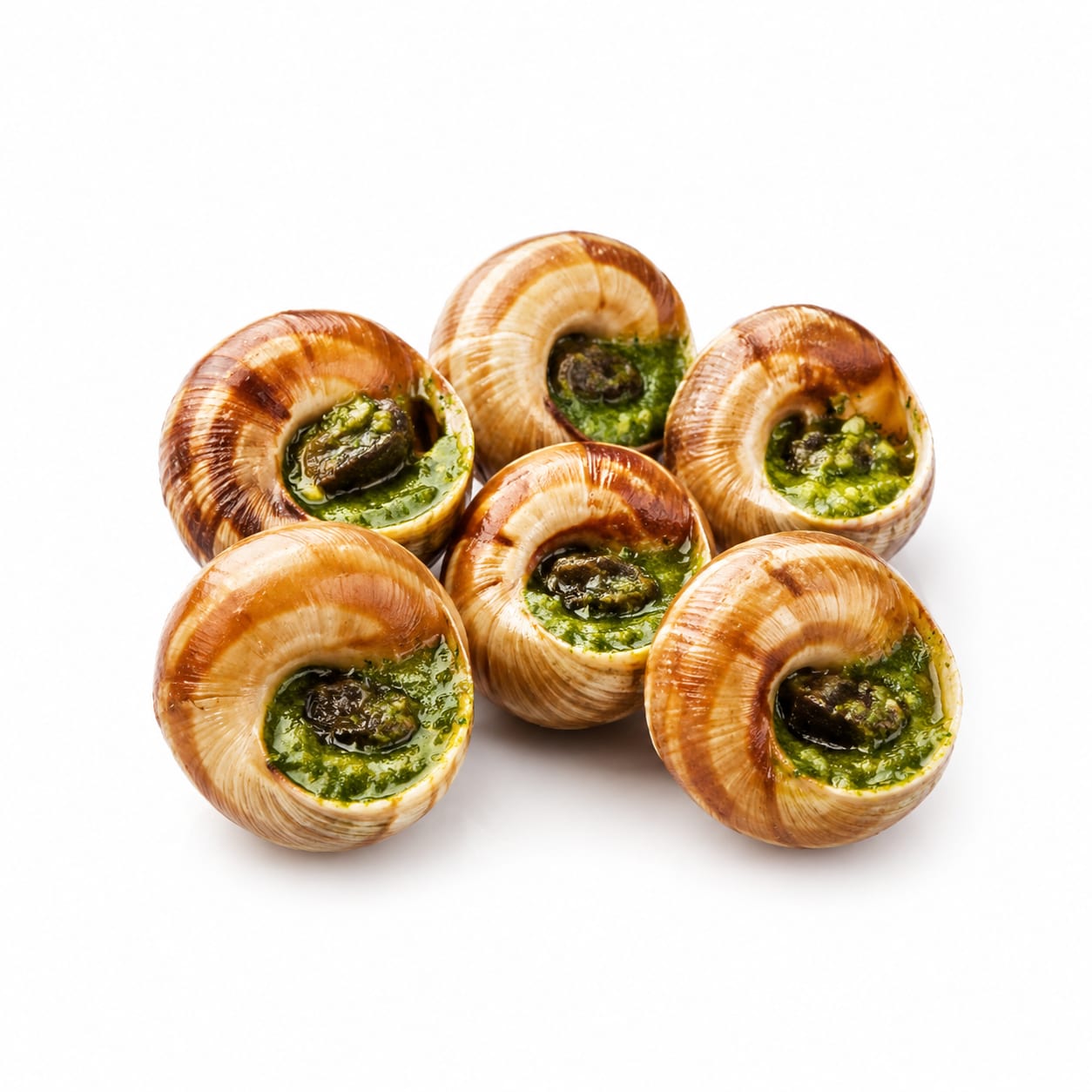
Escargot
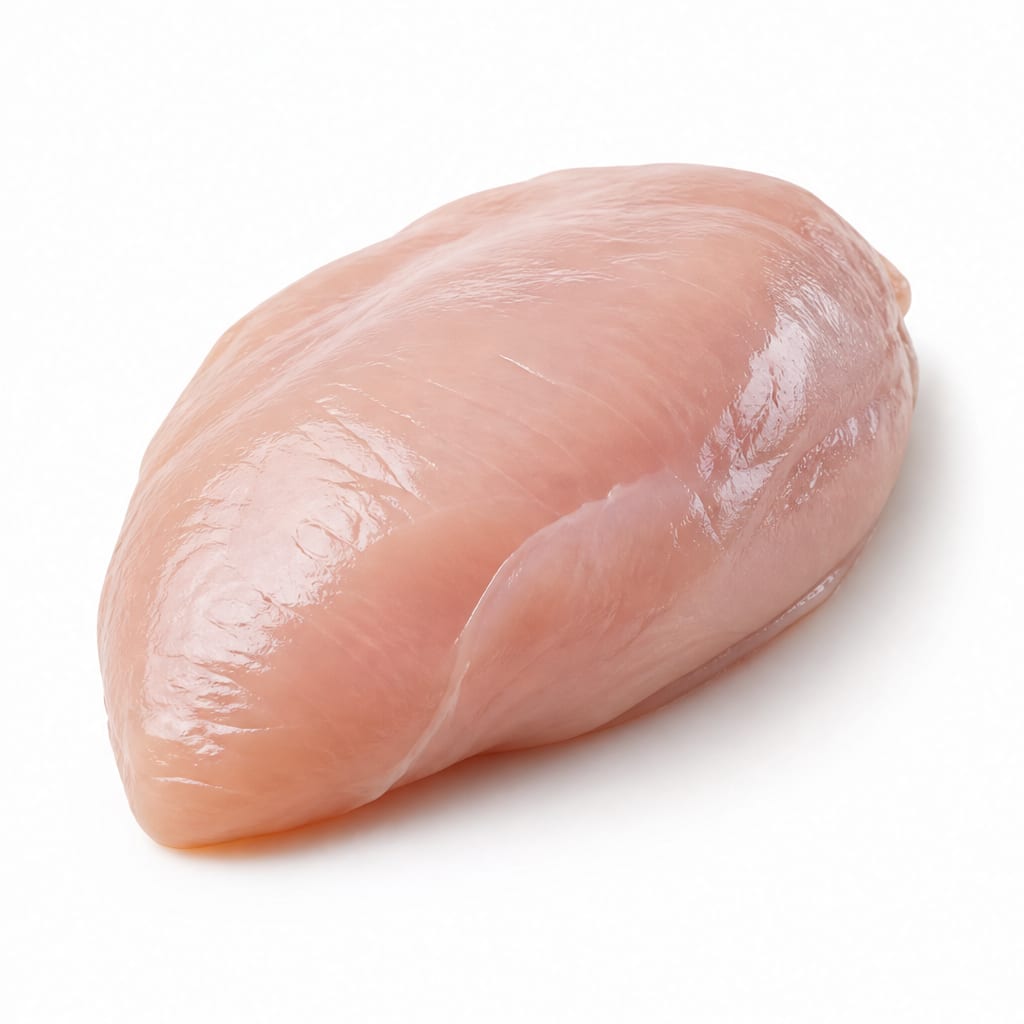
Chicken Breast
Chicken breast wins for daily nutrition with far more protein, easier access, and lower cost. Escargot is a micronutrient-rich delicacy best enjoyed occasionally rather than relied upon.
Chicken breast scores significantly higher due to superior protein content, universal availability, lower cost, and daily practicality. Escargot earns points for exceptional micronutrient density and sustainability but loses ground on accessibility, safety concerns, and limited everyday usefulness.
You trade escargot's superior iron and mineral density for chicken breast's unmatched protein content, affordability, and everyday practicality.
At a glance
Executive summary
Overall
Chicken Breast
Healthier
Chicken Breast
More practical
Chicken Breast
Daily use
Chicken Breast
Key comparison lenses
lean protein source selection
Both foods are primarily valued as protein sources, but their protein density and practicality differ dramatically
everyday vs specialty protein tradeoff
Chicken breast is a daily staple while escargot is a rare delicacy, making frequency of use a core decision factor
micronutrient diversity comparison
Escargot offers surprisingly rich iron and mineral content that chicken breast cannot match
food safety and contamination risk
Parasite risks in escargot and salmonella risks in chicken create meaningful safety tradeoffs
cost and accessibility for regular nutrition
The price and availability gap between these foods affects real-world dietary sustainability
Best choice for
Escargot
- Iron-deficient individuals seeking mineral-dense food
- Adventurous eaters wanting nutrient variety
- Those avoiding poultry for ethical or religious reasons
- People seeking sustainable protein sources
Chicken Breast
- Athletes and gym-goers needing reliable lean protein
- Budget-conscious meal preppers
- Anyone building a sustainable daily eating pattern
- Families needing versatile, kid-friendly protein
Least suitable for
Escargot
- People with mollusk or shellfish allergies
- Anyone needing affordable daily protein
- Those squeamish about eating snails
- Immunocompromised individuals wary of parasite risk
Chicken Breast
- Vegetarians and vegans
- Those with poultry allergies
- People avoiding conventionally raised meat
Deep comparison
Dimension by dimension
Each lens scores both foods and breaks down who each option suits.
- Dimension 1 · Priority 95Chicken Breast
Protein Content and Quality
Escargot · 52Chicken Breast · 95Chicken breast delivers nearly double the protein per serving, making it the clear winner for muscle maintenance and satiety.
Tradeoff
Escargot provides moderate protein with bonus minerals, while chicken breast offers maximum protein with less micronutrient diversity.
Why it matters
Protein is the primary reason most people choose either food. Getting enough protein efficiently matters for fullness, muscle, and metabolic health.
Real-world impact
A single chicken breast covers over half your daily protein needs. You would need roughly double the escargot by weight to match it, which is expensive and impractical.
Escargot
- Adding mineral variety alongside other protein sources
Better for
- Meeting high protein needs on a budget
Worse for
Chicken Breast
- Hitting daily protein targets easily
- Post-workout recovery meals
- Staying full longer between meals
Better for
- Obtaining diverse trace minerals from protein alone
Worse for
- Dimension 2 · Priority 85Escargot
Micronutrient Density
Escargot · 88Chicken Breast · 62Escargot is surprisingly rich in iron, magnesium, selenium, and vitamin B12, outperforming chicken breast on mineral diversity.
Tradeoff
Escargot offers broader mineral coverage but in a food most people eat rarely. Chicken breast provides solid B vitamins but weaker mineral content.
Why it matters
Iron deficiency is the world's most common nutrient gap. Escargot delivers highly bioavailable iron that chicken breast simply cannot match.
Real-world impact
If you struggle with low iron or fatigue, escargot provides a meaningful mineral boost. Chicken breast keeps B-vitamin energy pathways running but will not move the needle on iron status.
Escargot
- Boosting iron intake naturally
- Supporting magnesium levels for sleep and muscle recovery
- Getting B12 without red meat
Better for
- Relying on it consistently for minerals given cost and access
Worse for
Chicken Breast
- Maintaining B3 and B6 for daily energy metabolism
Better for
- Addressing iron deficiency without supplementation
Worse for
- Dimension 3 · Priority 90Chicken Breast
Practicality and Accessibility
Escargot · 20Chicken Breast · 95Chicken breast is available everywhere, affordable, and easy to cook. Escargot is specialty, expensive, and requires specific preparation.
Tradeoff
You gain nutritional novelty with escargot but sacrifice the convenience that makes healthy eating sustainable long-term.
Why it matters
The best nutrition plan is one you can actually follow. Foods that are hard to find or prepare rarely become dietary staples.
Real-world impact
Chicken breast can be bought at any grocery store, cooked in 15 minutes, and paired with anything. Escargot requires specialty shops, careful cleaning, and is typically a restaurant experience.
Escargot
- Creating memorable dining experiences with nutritional benefits
Better for
- Building a reliable weekly meal routine
Worse for
Chicken Breast
- Weekly meal prep without stress
- Quick weeknight dinners
- Consistent protein intake without planning effort
Better for
- Breaking dietary monotony with variety
Worse for
- Dimension 4 · Priority 75It depends
Food Safety and Contamination Risk
Escargot · 55Chicken Breast · 60Both carry real but different risks. Escargot can harbor parasites; chicken breast carries salmonella and antibiotic residue concerns.
Tradeoff
Parasite risk from undercooked escargot is severe but avoidable with proper cooking. Salmonella from chicken is more common but also manageable with safe handling.
Why it matters
Both foods demand careful preparation. Neither is risk-free, and understanding the specific hazards helps you cook safely.
Real-world impact
Undercooked escargot can transmit rat lungworm or other parasites. Undercooked chicken can cause food poisoning. Both require thorough cooking, but chicken's risk is more familiar and thus often better managed.
Escargot
- Lower risk of antibiotic exposure if sourced from wild or organic farms
Better for
- Parasite transmission if improperly prepared
- Less standardized safety oversight in sourcing
Worse for
Chicken Breast
- Well-understood safety protocols in home kitchens
- Regulated supply chain with consistent inspection
Better for
- Antibiotic and hormone exposure in conventionally raised chicken
- Salmonella risk requiring strict kitchen hygiene
Worse for
- Dimension 5 · Priority 80Chicken Breast
Satiety and Fullness
Escargot · 55Chicken Breast · 88Chicken breast keeps you fuller for longer due to its much higher protein density per calorie.
Tradeoff
Escargot satisfies as a rich appetizer experience but lacks the bulk and protein to keep hunger at bay for hours.
Why it matters
Protein is the most satiating macronutrient. Foods that keep you full reduce snacking and make portion control effortless.
Real-world impact
A chicken breast dinner typically keeps you satisfied for 4-5 hours. Escargot as a starter disappears quickly and leaves you reaching for more food.
Escargot
- Enjoying a flavorful course as part of a larger meal
Better for
- Using it as a standalone satisfying meal
Worse for
Chicken Breast
- Staying full between meals without snacking
- Reducing late-night hunger after dinner
Better for
- Providing the rich sensory satisfaction of a delicacy
Worse for
- Dimension 6 · Priority 80Chicken Breast
Cost and Value
Escargot · 15Chicken Breast · 90Chicken breast is one of the most affordable protein sources available. Escargot is a luxury item with a luxury price tag.
Tradeoff
Escargot delivers unique nutrients at a premium price. Chicken breast delivers maximum protein per dollar spent.
Why it matters
Cost determines how often you can actually eat a food. The most nutritious food in the world is useless if you cannot afford it regularly.
Real-world impact
Chicken breast costs roughly $3-4 per pound in the US. Escargot can run $30-60 per pound or more. For weekly meal planning, this gap is decisive.
Escargot
- Special occasion dining where cost is secondary to experience
Better for
- Regular inclusion in a cost-conscious diet
Worse for
Chicken Breast
- Feeding a family on a budget
- Daily protein intake without financial strain
- Maximizing nutrition per dollar
Better for
- Creating a special or celebratory meal experience
Worse for
- Dimension 7 · Priority 65Escargot
Sustainability and Environmental Impact
Escargot · 82Chicken Breast · 50Escargot farming has a remarkably low environmental footprint compared to poultry production.
Tradeoff
Choosing escargot supports sustainability but at a scale too small to replace chicken as a mainstream protein source.
Why it matters
Animal protein choices have real environmental consequences. Lower-impact options matter for long-term food systems.
Real-world impact
Snail farming requires minimal land, water, and feed compared to chicken. If sustainability is your top value, escargot has a meaningful edge, though availability limits its impact.
Escargot
- Reducing personal environmental footprint from protein choices
- Supporting low-impact alternative protein farming
Better for
- Making a meaningful environmental difference at individual consumption levels
Worse for
Chicken Breast
- Scaling affordable protein for large populations
Better for
- Minimizing water usage and land impact of protein sources
Worse for
Timeline
Health impact over time
Short-term
Hours to days
Escargot
- Provides a notable iron and mineral boost after consumption
- Rich garlic-butter preparation may cause digestive discomfort in sensitive individuals
- Satiety is moderate and short-lasting without accompanying dishes
Chicken Breast
- Delivers strong satiety within 30-60 minutes of eating
- Steady energy without blood sugar spikes when eaten alone
- Lean protein supports muscle recovery after exercise within hours
Long-term
Months to years
Escargot
- Occasional consumption can help diversify mineral intake without red meat
- Regular consumption is unrealistic for most people due to cost and access
- Potential parasite exposure if sourcing and cooking are not consistently careful
Chicken Breast
- Consistent lean protein intake supports muscle mass, metabolic health, and weight management
- Conventionally raised chicken may contribute to antibiotic resistance concerns over years
- Dietary monotony is a risk if chicken breast is the only protein source relied upon
Risk profile
Safety & processing
Both foods are minimally processed in their natural state. Escargot is typically sold fresh or canned with minimal additives. Chicken breast is similarly clean when purchased raw, though conventionally raised chicken may carry antibiotic and hormone residues that act like unintended additives.
Escargot
Parasitic infection
highUndercooked or improperly cleaned escargot can transmit parasites including rat lungworm. Thorough cooking eliminates this risk entirely.
Heavy metal accumulation
mediumSnails can accumulate heavy metals from their environment, particularly if harvested from polluted areas. Sourcing from clean farms matters.
Allergic reactions
mediumEscargot is a mollusk and can trigger reactions in people with shellfish or mollusk allergies, which some people may not know they have.
Chicken Breast
Salmonella contamination
mediumRaw chicken commonly carries salmonella. Proper cooking to 165°F and avoiding cross-contamination eliminates this risk.
Antibiotic residues
mediumConventionally raised chicken may contain antibiotic residues. Choosing organic or antibiotic-free chicken reduces this concern.
Foodborne illness from improper handling
mediumChicken requires strict kitchen hygiene to prevent cross-contamination of surfaces and utensils with harmful bacteria.
Who wins for whom
Audience fit
Same foods, different winners depending on your goal.
children
Chicken BreastChildren generally accept chicken breast readily, while escargot is often rejected due to texture and the idea of eating snails. Safety concerns with parasites also make chicken the safer choice for kids.
daily consumption
Chicken BreastChicken breast is affordable, widely available, and versatile enough for daily meals. Escargot is best reserved for occasional enjoyment.
diabetes
Chicken BreastBoth foods are low in carbohydrates and will not spike blood sugar. Chicken breast wins on consistent availability and portion predictability for meal planning.
elderly
Chicken BreastOlder adults need reliable, easy-to-chew protein to prevent muscle loss. Chicken breast is more accessible, affordable, and easier to prepare consistently.
muscle gain
Chicken BreastWith nearly double the protein content per serving, chicken breast is far more effective for building and repairing muscle tissue.
weight loss
Chicken BreastChicken breast provides more protein per calorie, keeping you fuller on fewer calories. Escargot is often prepared with butter, adding hidden calories.
Your move
Decision guide
Choose Escargot
- You want to boost iron and mineral intake without eating red meat
- You are looking for a sustainable, low-environmental-impact protein for special meals
- You enjoy adventurous eating and want nutritional variety beyond standard proteins
- You avoid poultry and need alternative protein sources with strong micronutrient profiles
Choose Chicken Breast
- You need reliable, affordable daily protein for meal prep
- You are focused on muscle gain, weight loss, or athletic performance
- You want a versatile protein that works in dozens of recipes
- You are feeding a family and need practical, kid-friendly options
Either works if
- You want a low-carb, minimally processed protein source
- You are building a varied diet that includes both common and specialty proteins
- You have no budget constraints and value both nutrition and culinary experience
Avoid both if
- You follow a vegetarian or vegan diet
- You have severe protein metabolism conditions requiring medical supervision
- You cannot ensure proper cooking and food safety for either food
Final recommendation
Make chicken breast your everyday protein foundation. It delivers more protein, costs less, and fits seamlessly into weekly meal routines. Enjoy escargot as an occasional delicacy when you want mineral diversity and a special dining experience. Think of escargot as a nutritional supplement in delicious form, not a replacement for your protein staple.
Practical
Consumer tips
- 1
If you try escargot, always ensure it is thoroughly cooked to eliminate parasite risk — never eat it rare or undercooked
- 2
Choose organic or antibiotic-free chicken breast when budget allows to reduce exposure to antibiotic residues
- 3
Canned escargot is more accessible than fresh and still retains most mineral benefits, though sodium content may be higher
- 4
If you are iron-deficient, escargot can be a valuable occasional addition alongside other iron-rich foods like lentils and spinach
- 5
Prepare chicken breast with herbs and citrus instead of heavy sauces to keep it lean and satisfying without added calories
- 6
If eating escargot at a restaurant, ask about sourcing — farm-raised from clean environments is safer than wild-harvested