
Nutrition comparison
Escargot vs Lean Beef: Protein, Iron, and Heart Health Compared
Compare escargot and lean beef on protein, fat, iron, heart health, and practicality. Find out which protein source fits your diet, lifestyle, and health goals better.
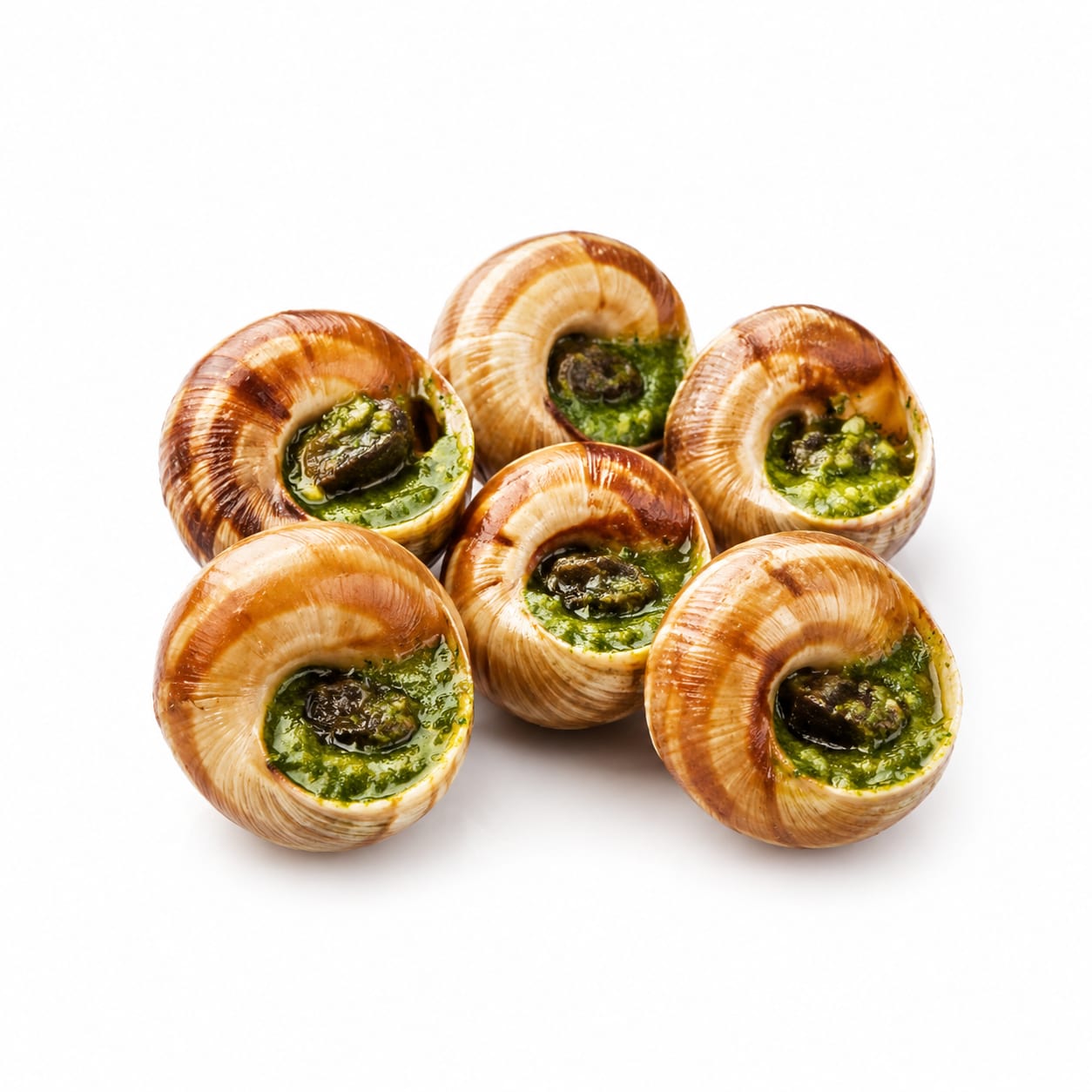
Escargot
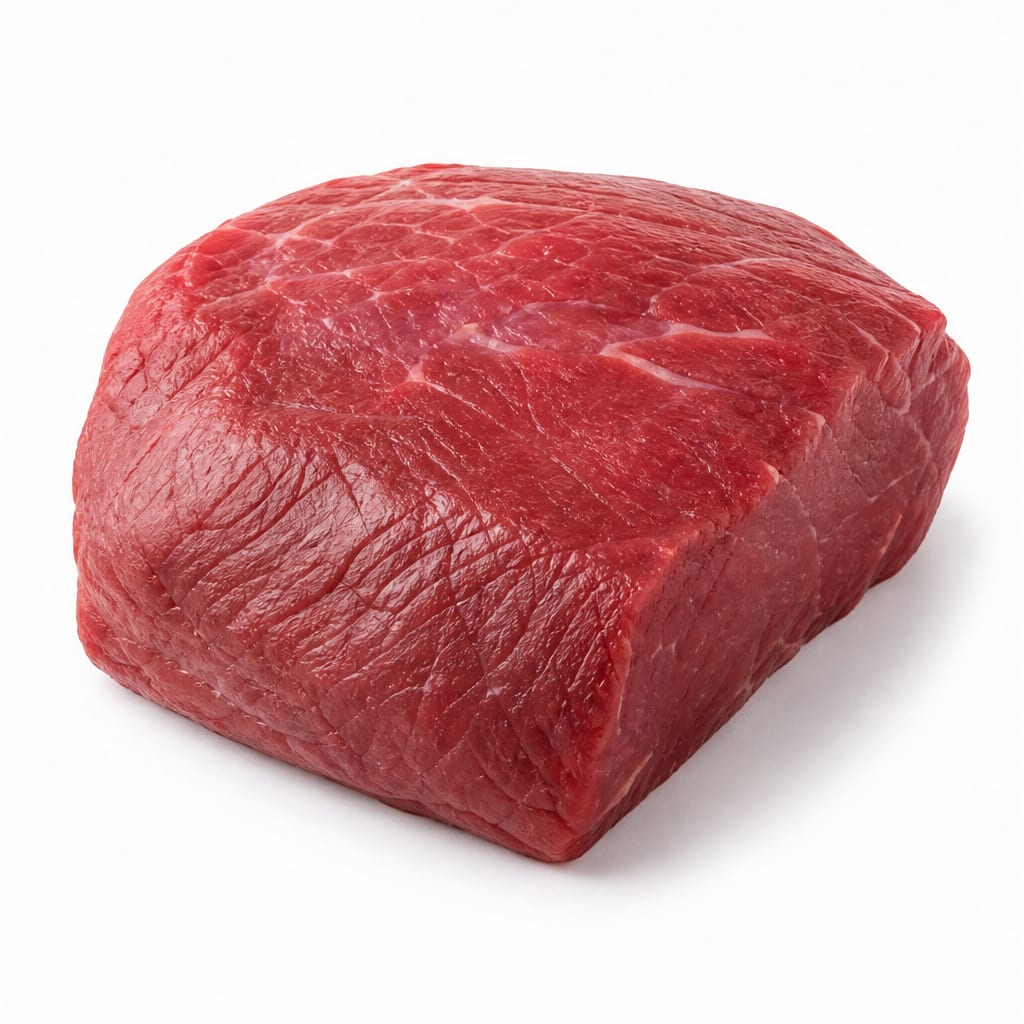
Lean Beef
Lean beef wins on practicality, protein density, and daily usability. Escargot wins on leanness and unique mineral content. The right choice depends on whether you need an everyday protein staple or an occasional lean delicacy.
Lean beef scores higher primarily due to accessibility, protein density, and daily practicality. Escargot has impressive leanness and micronutrients but loses significant ground on convenience, cost, and the reality that most people cannot sustain it as a regular protein source.
Convenience and protein power versus extreme leanness and a more exotic micronutrient profile
At a glance
Executive summary
Overall
It depends
Healthier
It depends
More practical
Lean Beef
Daily use
Lean Beef
Key comparison lenses
protein source selection
Both foods are primarily valued as high-quality protein sources, making protein density and quality the central decision factor
heart health tradeoffs
Escargot carries cholesterol concerns while lean beef carries saturated fat and red meat cardiovascular risk, creating a meaningful heart health comparison
iron deficiency management
Both are notable iron sources but differ in heme iron concentration and absorption, critical for anemia-prone individuals
practical everyday versatility
Escargot is a specialty food rarely eaten daily while lean beef is a kitchen staple, making practicality a major differentiator
food safety and contamination
Escargot carries parasite and environmental contamination risks while beef carries different pathogen and processing concerns
Best choice for
Escargot
- People seeking extremely lean protein with minimal fat calories
- Those wanting selenium, copper, and magnesium in a single food
- Adventurous eaters exploring French cuisine or novel proteins
- Individuals avoiding saturated fat while maintaining iron intake
Lean Beef
- Athletes and lifters needing high protein per serving
- Families wanting an affordable, familiar protein staple
- Anyone managing iron deficiency with heme iron
- Meal preppers needing versatile, available protein
Least suitable for
Escargot
- People with shellfish or mollusk allergies
- Anyone needing quick, everyday meal solutions
- Those on tight grocery budgets
- Individuals uncomfortable with unfamiliar foods
Lean Beef
- People avoiding red meat for cardiovascular or cancer risk concerns
- Those strictly limiting saturated fat intake
- Vegetarians or individuals reducing animal product consumption
- People with gout or severe purine sensitivity
Deep comparison
Dimension by dimension
Each lens scores both foods and breaks down who each option suits.
- Dimension 1 · Priority 93Lean Beef
Protein Density and Quality
Escargot · 62Lean Beef · 88Lean beef delivers roughly 60% more protein per serving than escargot, with a complete amino acid profile optimized for muscle synthesis.
Tradeoff
Escargot provides adequate protein but you need significantly larger portions to match lean beef, which defeats its calorie advantage.
Why it matters
For anyone tracking protein intake — athletes, older adults, or people recovering from illness — getting more protein per bite matters for satiety and results.
Real-world impact
A 6oz lean beef serving hits most of your post-workout protein target. You would need nearly 10oz of escargot to match it, which is impractical and expensive.
Escargot
- Lighter meals where lower protein is acceptable
- Appetizer courses where protein density is less critical
Better for
- Bodybuilding or strength training protein targets
- Anyone needing efficient protein per meal
Worse for
Lean Beef
- Post-workout recovery meals
- High-protein diet plans
- Muscle preservation in older adults
Better for
- Meals where lighter protein is preferred
- Those finding heavy protein portions uncomfortable
Worse for
- Dimension 2 · Priority 86Escargot
Fat Profile and Leanness
Escargot · 91Lean Beef · 68Escargot is remarkably lean with under 2g fat per 100g serving, while even lean beef contains 5-10g fat depending on the cut.
Tradeoff
Escargot's extreme leanness comes with less satiety and less flavor satisfaction without added butter or sauce, which negates the fat advantage.
Why it matters
For calorie-conscious eaters, the fat difference can meaningfully impact daily intake, especially when protein foods are eaten multiple times daily.
Real-world impact
Choosing escargot over lean beef saves 40-80 fat calories per serving. Over a week of daily consumption, that compounds to meaningful calorie savings — if you can eat escargot daily.
Escargot
- Strict calorie-cutting phases
- Low-fat diet protocols
- People who find fatty foods heavy
Better for
- Meals that feel unsatisfying without added fat
- People who associate leanness with blandness
Worse for
Lean Beef
- Meals where satiety matters more than calorie minimization
- Keto or moderate-fat eating styles
- Active individuals needing sustained energy
Better for
- Strict low-fat medical diets
- Those counting every fat gram carefully
Worse for
- Dimension 3 · Priority 82It depends
Iron and Micronutrient Density
Escargot · 76Lean Beef · 80Lean beef provides more heme iron per serving, which absorbs better. Escargot offers a broader mineral spectrum including selenium, copper, and magnesium.
Tradeoff
Beef gives you more of the one mineral most people actually lack — iron. Escargot gives you smaller amounts of a wider mineral range.
Why it matters
Iron deficiency is the world's most common nutrient deficiency. Heme iron from beef is the most efficient way to address it through food.
Real-world impact
If your bloodwork shows low ferritin, lean beef is the more targeted tool. If you want general mineral insurance, escargot covers more bases per calorie.
Escargot
- People already sufficient in iron wanting broader mineral intake
- Those seeking selenium for thyroid and antioxidant support
Better for
- Acute iron deficiency anemia requiring efficient repletion
Worse for
Lean Beef
- Women with heavy menstrual cycles needing heme iron
- Anyone with diagnosed iron deficiency
- Growing teenagers with high iron needs
Better for
- People with hemochromatosis or iron overload conditions
Worse for
- Dimension 4 · Priority 80It depends
Heart Health Impact
Escargot · 65Lean Beef · 58Escargot has negligible saturated fat but notable cholesterol. Lean beef has moderate saturated fat but less dietary cholesterol. Both require portion awareness for heart health.
Tradeoff
Escargot avoids saturated fat but its cholesterol content may concern some. Lean beef's saturated fat is more consistently linked to cardiovascular risk in research.
Why it matters
For people with heart disease risk factors, the saturated fat versus cholesterol distinction matters for daily food choices.
Real-world impact
If your doctor told you to limit saturated fat, escargot is the safer occasional choice. If dietary cholesterol is your primary concern, lean beef in moderation may be more predictable.
Escargot
- People specifically limiting saturated fat intake
- Those following Mediterranean-style low-sat-fat patterns
Better for
- Individuals hyper-responsive to dietary cholesterol
- People with very high LDL already
Worse for
Lean Beef
- People whose lipid panels respond more to dietary cholesterol than saturated fat
- Those eating small portions where total saturated fat stays low
Better for
- Anyone with established heart disease limiting saturated fat
- People whose LDL rises significantly with red meat consumption
Worse for
- Dimension 5 · Priority 88Lean Beef
Everyday Practicality and Accessibility
Escargot · 22Lean Beef · 89Lean beef is available in every grocery store, easy to cook, and affordable. Escargot is a specialty item requiring specialty stores, preparation skill, and significant cost.
Tradeoff
You can build a consistent weekly meal plan around lean beef. Escargot is realistically an occasional food for most people, not a staple.
Why it matters
Nutrition only works if you can actually eat the food consistently. The best protein source on paper means nothing if you cannot access or prepare it regularly.
Real-world impact
Lean beef can be grilled, stir-fried, or roasted in under 20 minutes any day of the week. Escargot requires sourcing, cleaning, and specific preparation — most people eat it a few times per year at restaurants.
Escargot
- Special occasion dining experiences
- Culinary enthusiasts who enjoy preparation as a hobby
Better for
- Time-pressed weeknight dinners
- Consistent daily nutrition planning
Worse for
Lean Beef
- Weekly meal prep routines
- Busy households needing quick protein
- Budget-conscious families
- Anyone living far from specialty food stores
Better for
- Cultural or personal avoidance of red meat
- Situations requiring novelty or variety
Worse for
- Dimension 6 · Priority 75Lean Beef
Satiety and Meal Satisfaction
Escargot · 48Lean Beef · 82Lean beef's protein density and moderate fat content create strong fullness signals. Escargot is light and less filling unless prepared with calorie-dense sauces.
Tradeoff
Escargot's lightness can feel refreshing or unsatisfying depending on context. Lean beef reliably fills you up but can feel heavy if you prefer lighter meals.
Why it matters
Foods that leave you hungry an hour later lead to snacking and overeating. Satiety is one of the most underappreciated factors in weight management.
Real-world impact
A lean beef dinner typically keeps you full until morning. An escargot appetizer often leaves you reaching for bread or a second course.
Escargot
- Hot weather meals where light eating feels right
- Multi-course dining where you want to stay hungry for later courses
Better for
- Solo dinners where you need one dish to satisfy completely
- Post-exercise meals requiring refilling
Worse for
Lean Beef
- Main meals where staying full for hours matters
- People prone to late-night snacking
- Active individuals with high energy needs
Better for
- Light lunch preferences
- People who feel sluggish after heavy meals
Worse for
Timeline
Health impact over time
Short-term
Hours to days
Escargot
- Very light post-meal feeling with minimal digestive burden
- Low risk of post-meal energy crash due to near-zero fat and carbs
- Potential digestive unfamiliarity if your body is not accustomed to escargot
Lean Beef
- Strong satiety within 30-60 minutes of eating
- Steady energy for hours due to protein and fat content
- Possible heaviness if portions are large or cuts are not truly lean
Long-term
Months to years
Escargot
- Excellent micronutrient diversity if consumed regularly, which is rare for most people
- Cholesterol intake may affect lipid panels in sensitive individuals over time
- Minimal cardiovascular risk from fat profile when prepared without butter
Lean Beef
- Consistent high-quality protein supports muscle maintenance and metabolic health
- Regular red meat consumption above 3 servings per week is associated with elevated colorectal cancer risk in multiple studies
- Iron stores remain well-maintained, which benefits most people but risks those prone to iron overload
Risk profile
Safety & processing
Both foods are whole, minimally processed protein sources. Canned escargot may contain salt preservatives, and some beef cuts are enhanced with saline solutions, but fresh versions of both are clean, single-ingredient foods.
Escargot
Parasitic infection
mediumSnails can carry rat lungworm and other parasites if not properly cooked or sourced from controlled farms. Thorough cooking eliminates this risk.
Environmental contamination
mediumWild-caught snails bioaccumulate heavy metals and pesticides from soil. Farm-raised escargot from reputable sources significantly reduces this concern.
Allergic reactions
lowMollusk allergies can cause reactions in susceptible individuals. Cross-reactivity with shellfish allergies is possible but not universal.
Lean Beef
Bacterial contamination
mediumE. coli and Salmonella risk exists with improper handling. Ground beef carries higher risk than whole cuts due to surface area processing.
Antibiotic and hormone residues
lowConventionally raised beef may contain trace antibiotic or hormone residues. Choosing grass-fed or certified organic reduces this exposure substantially.
Heme iron overload with excessive consumption
lowHigh heme iron intake over years may promote oxidative stress in the gut lining, contributing to colorectal cancer risk in heavy consumers.
Who wins for whom
Audience fit
Same foods, different winners depending on your goal.
children
Lean BeefChildren need reliable, familiar, calorie-dense protein for growth. Lean beef is widely accepted by kids and provides iron and B12 in a form they will actually eat consistently.
daily consumption
Lean BeefLean beef is affordable, available, and easy to prepare every day. Escargot is a specialty food that most people cannot realistically eat more than occasionally.
diabetes
EscargotBoth foods have negligible carbohydrates and will not spike blood sugar. Escargot's lower saturated fat content gives it a slight edge for cardiovascular risk management in diabetes.
elderly
Lean BeefOlder adults need protein density and heme iron to combat sarcopenia and anemia. Lean beef delivers more of both per easy-to-chew serving.
muscle gain
Lean BeefLean beef provides substantially more protein per serving along with creatine and highly bioavailable amino acids that directly support muscle protein synthesis.
weight loss
EscargotEscargot's extreme leanness means fewer calories per gram of protein, making it easier to maintain a calorie deficit — assuming you can access and enjoy it regularly.
Your move
Decision guide
Choose Escargot
- You want the leanest possible animal protein and calories are your top priority
- You enjoy specialty foods and have access to quality sourcing
- You are limiting saturated fat strictly but still want iron-rich protein
- You are curious about broadening your protein variety beyond conventional meats
Choose Lean Beef
- You need a reliable, affordable daily protein source
- Athletic performance or muscle maintenance is your goal
- You have elevated iron needs due to deficiency or heavy menstrual cycles
- You want a protein food the whole household will eat without complaint
Either works if
- You are simply looking for a low-carb, whole-food protein source
- Your primary concern is avoiding ultra-processed protein options
- You want to rotate between different protein sources for dietary diversity
Avoid both if
- You have severe gout and need to limit purine-rich foods
- You are following a plant-based or vegetarian diet
- You have kidney disease requiring strict protein restriction
- You have both high cholesterol and saturated fat restrictions simultaneously
Final recommendation
For most people, lean beef is the more useful and sustainable choice. It delivers more protein, is far more accessible, and fits into daily life without friction. Escargot is a smart occasional addition if you enjoy it and can source it safely — its leanness and mineral diversity are genuinely valuable. But nutrition only works when you can actually eat the food consistently, and lean beef wins that test decisively.
Practical
Consumer tips
- 1
If trying escargot, choose farm-raised over wild-caught to reduce parasite and heavy metal risk
- 2
Prepare escargot with olive oil and herbs instead of traditional garlic butter to preserve its low-fat advantage
- 3
For lean beef, choose cuts labeled 'loin' or 'round' and trim visible fat before cooking
- 4
Limit lean beef to 2-3 servings per week to balance iron benefits against colorectal cancer risk from regular red meat consumption
- 5
If using canned escargot, rinse before cooking to reduce sodium from preserving liquids
- 6
Pair either food with vitamin C-rich vegetables like bell peppers or broccoli to boost iron absorption by 2-3x