
Nutrition comparison
Escargot vs Clams: Nutrition, Safety & Taste Compared
Which is healthier, escargot or clams? Compare protein, B12, omega-3s, and safety risks to find the best shellfish alternative for your diet.
Overall winner · Clams
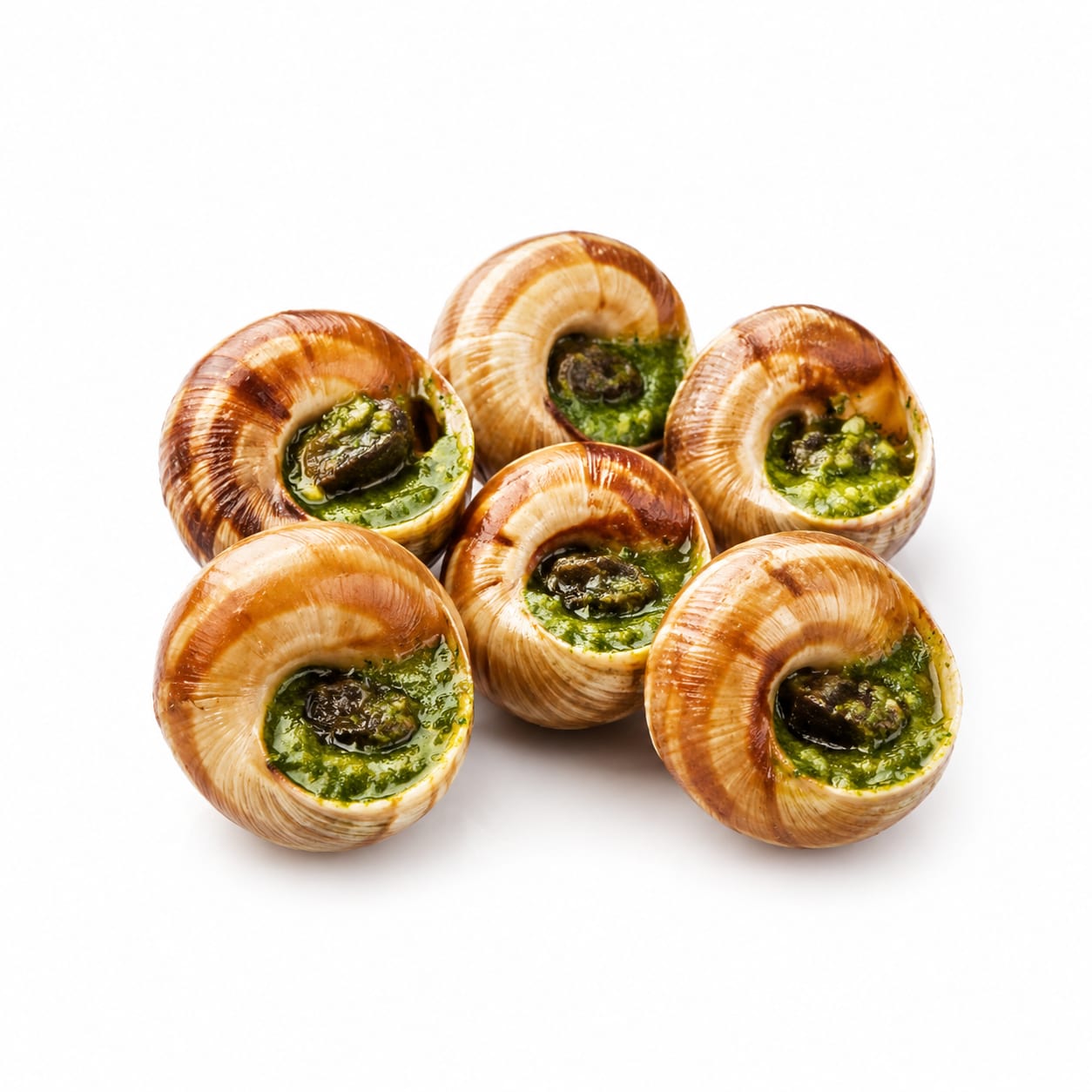
Escargot
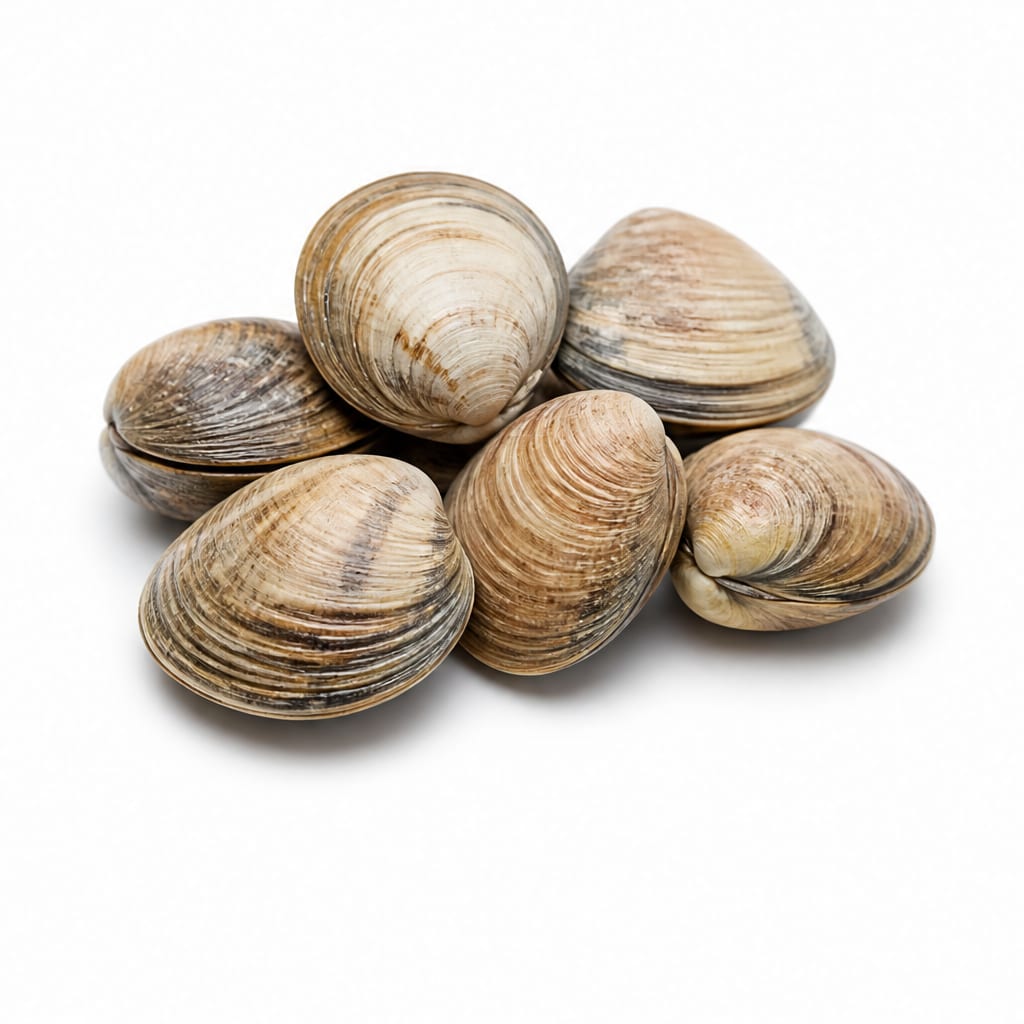
Clams
Clams are the cleaner, leaner, and more nutrient-dense choice, especially for B12 and omega-3s, while escargot is usually a high-fat appetizer due to its butter-heavy preparation.
Clams score significantly higher due to their exceptional B12 content, natural omega-3s, and lean protein profile. Escargot loses ground because its standard culinary preparation adds substantial saturated fat, offsetting its otherwise decent nutritional base.
You trade the massive B12 and omega-3 hit of clams for the rich, comforting experience of butter-drenched escargot, which comes with a heavy saturated fat load.
At a glance
Executive summary
Overall
Clams
Healthier
Clams
More practical
Clams
Daily use
Clams
Key comparison lenses
Nutrient density and vitamin B12 comparison
Clams are famously rich in B12 and iron, making them a powerhouse for energy and blood health, whereas escargot provides different mineral benefits.
Safety and contamination risks
Escargot carries parasite risks if undercooked, while clams carry biotoxin and heavy metal risks from filter-feeding, making sourcing critical for both.
Culinary preparation impact on health
Escargot is almost always served drowned in garlic butter, drastically altering its fat profile, whereas clams are often steamed or eaten raw, retaining their natural leanness.
Heart health and omega-3 fatty acids
Clams provide heart-healthy omega-3s naturally, while escargot's heart health depends entirely on how much butter it is cooked in.
Best choice for
Escargot
- People avoiding shellfish allergies
- Those wanting a low-mercury appetizer
- Diners seeking a rich, indulgent experience
Clams
- People needing a massive B12 boost
- Those prioritizing heart-healthy omega-3s
- Anyone looking for lean, filling protein
Least suitable for
Escargot
- People on strict heart-healthy or low-fat diets
- Those watching saturated fat intake
- Diners with compromised immune systems worried about undercooked meat
Clams
- People with severe shellfish allergies
- Those highly concerned about microplastics and ocean biotoxins
- Diners who dislike briny flavors
Deep comparison
Dimension by dimension
Each lens scores both foods and breaks down who each option suits.
- Dimension 1 · Priority 95Clams
Nutrient Density
Escargot · 72Clams · 96Clams are an absolute nutritional powerhouse, delivering off-the-charts vitamin B12, iron, and selenium. Escargot is nutritious but cannot compete with the vitamin and mineral density of clams.
Tradeoff
Choosing escargot means missing out on the extraordinary B12 and omega-3 content that clams effortlessly provide.
Why it matters
Vitamin B12 is crucial for nerve function and energy; clams provide thousands of percent of your daily needs in a single serving.
Real-world impact
Eating clams can quickly reverse feelings of fatigue and brain fog linked to B12 deficiency, while escargot acts more like a standard protein source.
Escargot
- Getting magnesium and tryptophan
- Adding variety to a land-based protein diet
Better for
- Relies on added ingredients for flavor and fat
Worse for
Clams
- Correcting iron and B12 deficiencies
- Supporting nervous system health
Better for
- Nutrient density can be overkill if eaten in massive quantities daily
Worse for
- Dimension 2 · Priority 85Clams
Heart Health & Fats
Escargot · 40Clams · 88Clams naturally contain heart-healthy omega-3s and are inherently lean. Escargot is naturally lean but is traditionally prepared with copious amounts of saturated butter.
Tradeoff
You get anti-inflammatory omega-3s from clams, whereas escargot usually delivers pro-inflammatory saturated fat from its garlic-butter bath.
Why it matters
Regular intake of omega-3s supports heart rhythm and lowers blood pressure, while high saturated fat intake does the opposite.
Real-world impact
A steamed clam dinner leaves you feeling light and energized, while an escargot appetizer can feel heavy and sit in your stomach due to the butter.
Escargot
- Can be healthy if you request olive oil instead of butter
Better for
- Standard restaurant preparation is a saturated fat bomb
Worse for
Clams
- Natural source of EPA and DHA omega-3s
- Inherently low in saturated fat
Better for
- Cholesterol content is naturally high, which may concern some
Worse for
- Dimension 3 · Priority 90It depends
Safety & Contamination
Escargot · 70Clams · 70Both carry unique risks. Escargot can harbor dangerous parasites if undercooked, while clams are filter-feeders prone to accumulating biotoxins and heavy metals.
Tradeoff
It is a tradeoff between land-based parasite risk in snails and ocean-based biotoxin or heavy metal risk in clams.
Why it matters
Both foods require strict sourcing and proper cooking to be eaten safely.
Real-world impact
Eating raw or undercooked escargot can lead to serious parasitic infection, while bad clams can cause immediate shellfish poisoning.
Escargot
- Virtually zero mercury risk
- No microplastics from ocean water
Better for
- Risk of rat lungworm parasite if not thoroughly cooked
Worse for
Clams
- Parasite risk is eliminated by cooking
- Strictly regulated harvesting waters reduce biotoxin risk
Better for
- Red tide and vibrio risks from filter-feeding
- Higher likelihood of microplastic contamination
Worse for
- Dimension 4 · Priority 75Clams
Protein Quality & Satiety
Escargot · 78Clams · 88Both offer excellent complete protein, but clams provide a much higher protein-to-calorie ratio, making them more efficient for fullness without excess calories.
Tradeoff
Escargot's satiety often comes from the heavy butter content, while clams provide satiety purely from their lean protein density.
Why it matters
Lean protein keeps you full without dragging down your energy or adding to your waistline.
Real-world impact
A bowl of steamed clams satisfies hunger without the sluggishness that follows a heavy, buttery escargot dish.
Escargot
- Still a high-quality complete protein
Better for
- Protein is overshadowed by the fat content of the dish
Worse for
Clams
- Much higher protein per calorie
- Keeps you full without the fat crash
Better for
- May not feel as immediately filling without added fats
Worse for
Timeline
Health impact over time
Short-term
Hours to days
Escargot
- Quick satiety from high fat content
- Potential digestive heaviness or sluggishness after eating
Clams
- Rapid energy boost from B12 and iron
- Light but satisfying feeling when steamed
Long-term
Months to years
Escargot
- Potential increase in LDL cholesterol if eaten frequently with butter
- Good maintenance of lean muscle from high-quality protein
Clams
- Excellent support for nervous system and brain health via B12
- Improved cardiovascular markers from omega-3 intake
Risk profile
Safety & processing
Fresh clams are simply cooked and eaten in their natural state. Escargot is often canned and then heavily dressed with butter, salt, and herbs, moving it further from a whole food.
Escargot
Parasitic infection
highLand snails can carry the rat lungworm parasite, which can cause severe neurological issues if the escargot is not cooked thoroughly.
Improper purging
mediumIf snails are not properly purged of their stomach contents before cooking, they can cause gastrointestinal distress.
Clams
Biotoxin poisoning
highClams filter large volumes of water and can accumulate red tide toxins, which cannot be cooked out and cause paralytic shellfish poisoning.
Vibrio infection
mediumRaw or undercooked clams can harbor Vibrio bacteria, leading to severe foodborne illness, especially in immunocompromised individuals.
Heavy metals and microplastics
mediumAs filter-feeders, clams can accumulate heavy metals and microplastics from polluted waters, making sourcing critical.
Who wins for whom
Audience fit
Same foods, different winners depending on your goal.
children
It dependsClams offer incredible growth nutrients, but the shellfish allergy risk and biotoxin concerns make them risky for some kids; escargot avoids shellfish allergens but is rarely palatable to children.
daily consumption
ClamsSteamed clams are a lean, daily-friendly protein, while escargot is too rich and heavy for regular consumption.
diabetes
ClamsClams are virtually carb and sugar-free with lean protein, whereas escargot's high saturated fat can worsen insulin resistance over time.
elderly
ClamsThe high B12 and iron in clams are crucial for older adults who often struggle with absorption, whereas the saturated fat in escargot is less ideal for aging hearts.
muscle gain
ClamsClams provide a superior protein-to-calorie ratio and more iron, which is essential for oxygen transport during heavy training.
weight loss
ClamsClams offer massive protein and nutrient density with very few calories, while escargot's butter preparation makes it highly calorie-dense.
Your move
Decision guide
Choose Escargot
- You have a shellfish allergy but want a gourmet seafood-adjacent experience
- You are dining at a classic French restaurant and want the traditional experience
- You can prepare it at home with olive oil instead of butter to keep it lean
Choose Clams
- You want the most nutrient-dense protein possible
- You need a massive boost in B12 or iron
- You are eating for heart health and want natural omega-3s
Either works if
- You are bored with standard chicken or beef and want high-quality alternative protein
- You are comfortable cooking and sourcing exotic or specialty proteins safely
Avoid both if
- You have severe gout and are sensitive to purines
- You are pregnant and worried about either parasites or raw shellfish risks
- You are on a strict low-sodium diet, as both can be high in salt
Final recommendation
Choose clams for a lean, nutrient-packed meal that fuels your body with B12 and omega-3s. Save escargot for a rare indulgence, and if you order it, consider asking for less butter to keep your heart happier.
Practical
Consumer tips
- 1
When ordering escargot, ask if the chef can use olive oil and garlic instead of the traditional garlic butter to cut saturated fat drastically.
- 2
Always buy clams from reputable suppliers and check for local shellfish safety advisories before harvesting or eating wild clams.
- 3
If cooking escargot at home, ensure they are thoroughly cooked to eliminate any parasite risk; never eat them rare.
- 4
Steam clams with a splash of white wine and garlic for a flavorful, low-fat dish that rivals the taste of buttery escargot.