
Vegetable
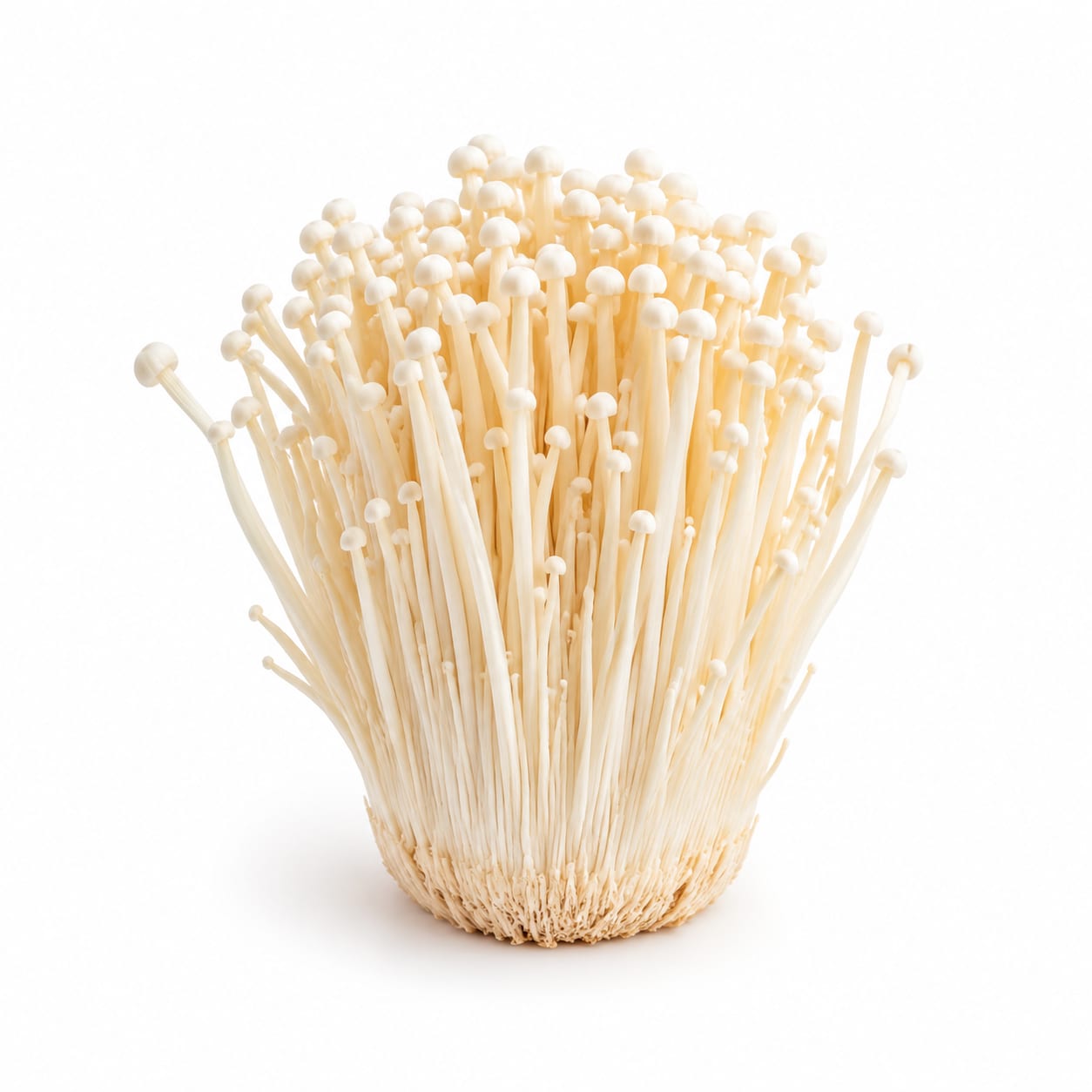
Enoki Mushroom
A slender, mild-flavored mushroom commonly used in Asian soups, known for high fiber and low calories.
Enoki mushrooms are long, thin, white-fleshed fungi with small caps, commonly used in Asian cuisine. They grow in clusters and are prized for their mild, slightly fruity flavor and crisp texture, making them a popular addition to soups, hot pots, and stir-fries.
high-volume low-calorie fungi
Typical serving · 100g
Common varieties · white enoki, brown enoki, wild enoki, cultivated enoki
Overall context score across nutrition, safety, and diet fit
At a glance
Quick facts
Simple indicators based on nutrition, processing, and diet fit.
The story
What makes it unique
Enoki mushrooms are composed mostly of water and provide very few calories. They contain chitin and beta-glucans in their cell walls, which slow digestion, promote satiety, and support gut microbiome health. Their macronutrient profile is minimal, with low protein and negligible fat, making them a structural and fiber-rich food rather than an energy source.
Varieties: white enoki · brown enoki · wild enoki · cultivated enoki
Per 100g
Nutrition breakdown
Macro balance and key metrics at a glance.
Energy
Density 0.37 kcal/g
Protein
Carbs
Fat
Fiber
Sugar
0.3 g
Sodium
3 mg
Potassium
350 mg
Glycemic index
15
Glycemic load
1
Water content
90%
Standout compounds
Nutrient highlights
Beta-glucans
moderateSupports immune system modulation and acts as a prebiotic for gut bacteria.
Dietary Fiber
moderatePromotes satiety and slows carbohydrate digestion for better blood sugar control.
Potassium
lowHelps regulate blood pressure and fluid balance.
B Vitamins
lowSupports cellular energy production and nervous system health.
Wellness map
Health scores & processing
NOVA processing scale
minimally processed · Whole food
Fresh enoki mushrooms are whole, unrefined agricultural products with no added ingredients.
Diet compatibility
- Weight loss
- Muscle gain
- Diabetes
- Gut health
- Low carb
- High protein
- Heart health
Relative standing
Food rankings
Qualitative ranks compared to similar whole foods.
- Satietygood
- Blood sugarexcellent
- Nutrient densitygood
- Fitness fuelmoderate
- Processing qualityexcellent
Eat with confidence
Food safety profile
Raw enoki mushrooms have been linked to severe Listeria outbreaks. They absorb heavy metals from their growing substrate, though this is typically within safe limits. Thorough cooking eliminates bacterial risks.
Evidence confidence 90%
- Pesticideslow
- Antibioticslow
- Heavy metalsmoderate
- Contaminationmoderate
Watch for
- Listeria monocytogenes
- soil-borne pathogens
- heavy metals from substrate
Safer choices
Locally grown enoki mushrooms from reputable suppliers with strict food safety audits.
Prep tips
Always cook enoki mushrooms thoroughly to an internal temperature of at least 165F (74C) to kill potential Listeria. Rinse briefly under cold water and trim the root base before cooking.
Repeated recalls of raw enoki mushrooms due to Listeria outbreaks, primarily linked to imported products.
Deep dive
Health analysis
How this food may fit different goals and preparation choices.
Weight loss
Extremely low energy density and high water content allow large portion sizes with minimal calories, promoting fullness without caloric excess.
Blood sugar
Very low glycemic index and load. The fiber content slows glucose absorption, making it highly suitable for blood sugar management.
Fitness & energy
Not a significant source of macronutrients for exercise fuel. Best used to add volume and crunch to post-workout meals without adding heavy calories.
Gut health
Contains beta-glucans and chitin that act as prebiotics, feeding beneficial gut bacteria and supporting healthy digestion and bowel regularity.
Processing quality
A whole, unprocessed food with no additives, preservatives, or artificial ingredients when purchased fresh.
Food safety
Must be cooked before consumption due to well-documented Listeria contamination risks associated with raw enoki mushrooms.
Common mistakes
Eating them raw as a salad topping or garnish, which bypasses the critical step of killing potential foodborne pathogens.
Best preparation
Simmering in soups, adding to hot pots at the table, or stir-frying thoroughly until the stems are tender and fully cooked.
Practical guide
Best use cases
When and how this food fits real eating patterns.
Hot pot addition
Their quick cooking time and ability to absorb broths make them a staple for Asian hot pots.
High-volume low-calorie eating
Add large portions to soups and stir-fries to bulk up meals without significantly increasing calories.
Gut-friendly side dish
Sautéed with a little garlic and soy sauce as a prebiotic-rich side dish.
Balance sheet
Pros & cons
Upsides
- Very low in calories and carbohydrates
- High water and fiber content promotes fullness
- Contains immune-supporting beta-glucans
- Adds significant volume to meals
- Unprocessed whole food
Trade-offs
- Must be cooked thoroughly due to Listeria risk
- Very low in protein and dietary fat
- Mild flavor can be easily overpowered
- Short shelf life and spoil quickly
- Can absorb heavy metals from growing substrates
Fit check
Who is it for?
Great match
- weight loss
- volume eating
- blood sugar management
- keto diets
- gut health
Consider alternatives
- raw food diets
- muscle building
- high-calorie bulking
- quick energy needs
Side by side
How it compares
Open the full head-to-head analysis for nutrition, safety, and practical tradeoffs.
This food
Enoki Mushroom
VS85% alike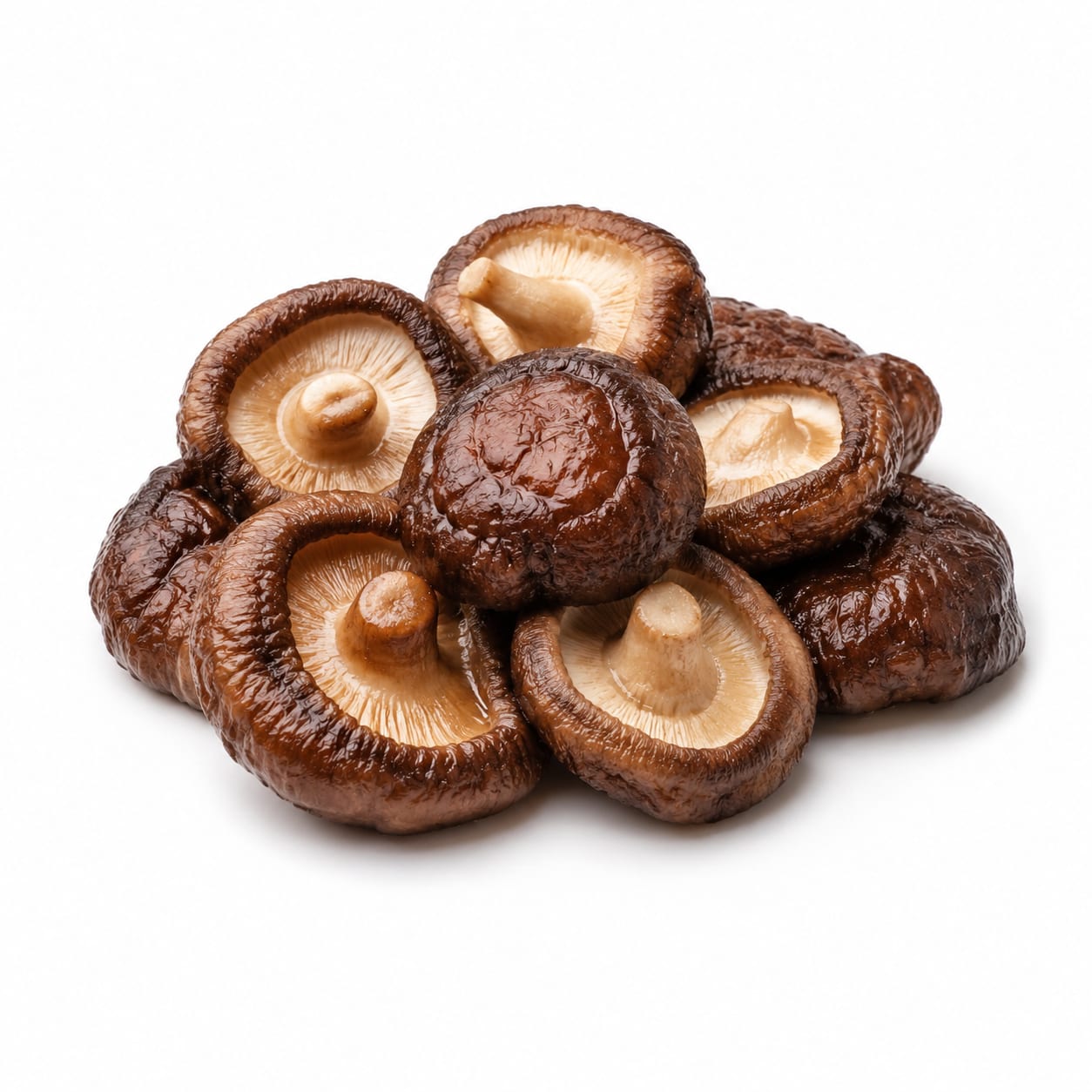
Compare with
Shiitake Mushroom
Shiitake offers richer umami flavor and more dietary fiber, while enoki provides fewer calories and a crispier texture.
Enoki mushrooms are lower in calories and better for weight loss, while shiitake mushrooms provide more fiber and a meatier texture for satiety.
This food
Enoki Mushroom
VS80% alike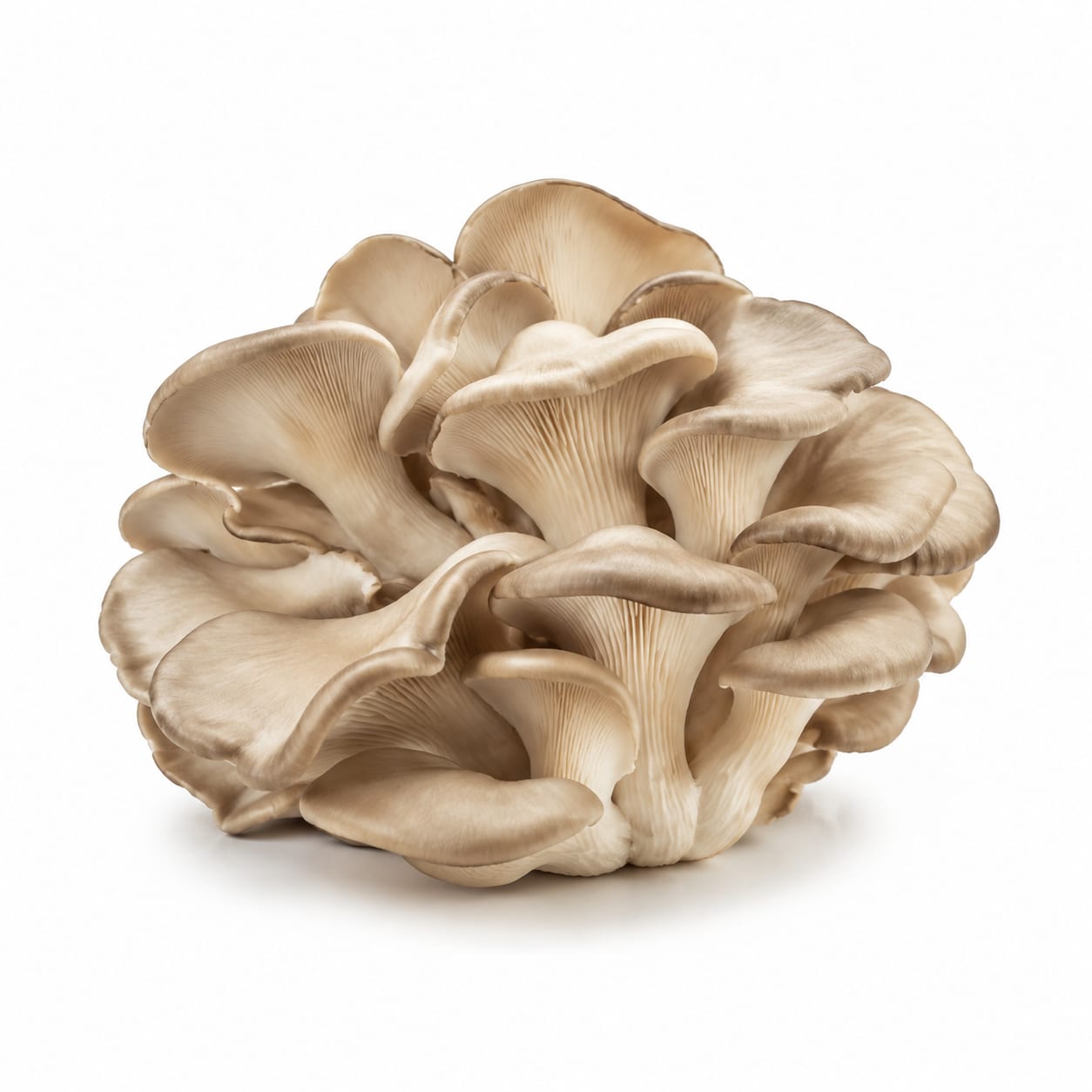
Compare with
Oyster Mushroom
Oyster mushrooms are larger and higher in protein, whereas enoki is lower in calories and carbohydrates.
Enoki mushrooms are lower in carbs and calories for strict dieting, while oyster mushrooms offer more protein and a heartier bite.
This food
Enoki Mushroom
VS75% alike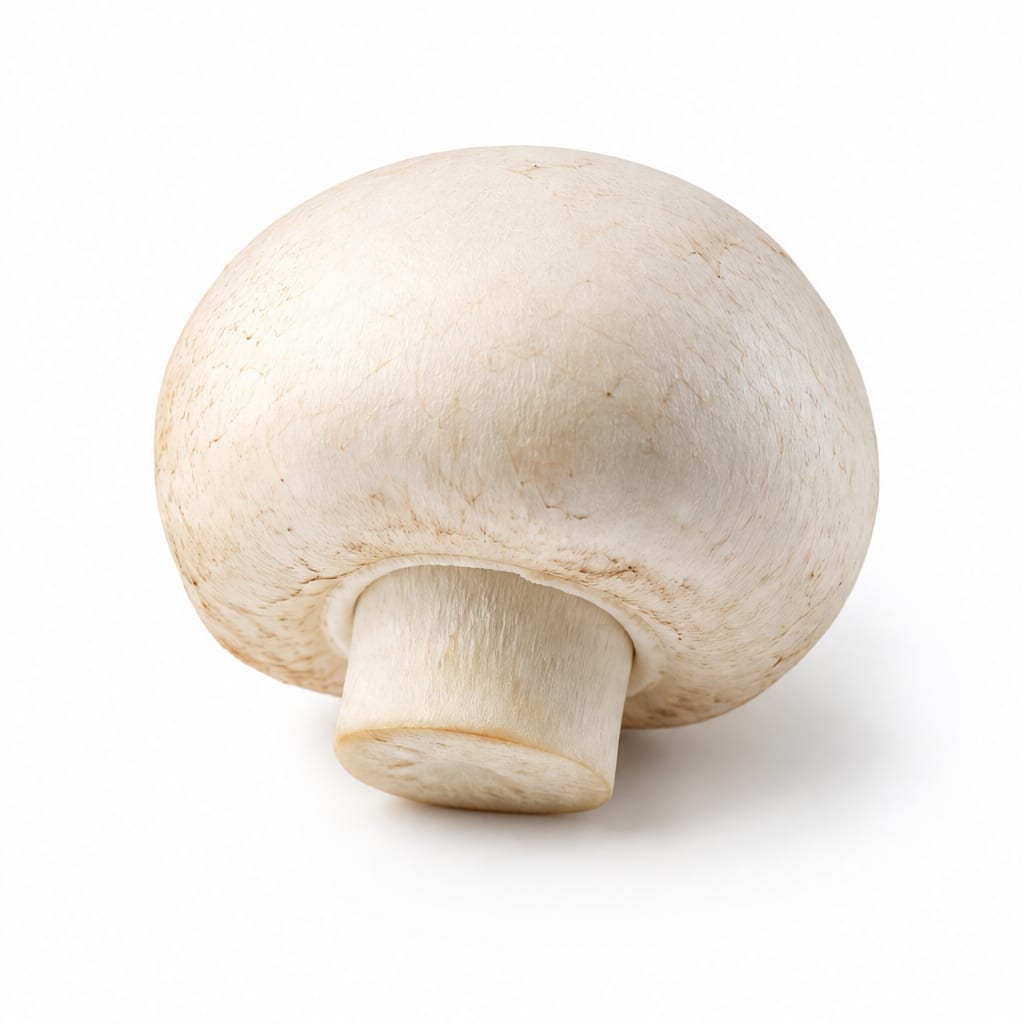
Compare with
Button Mushroom
Button mushrooms are more versatile and higher in selenium, while enoki is lower in calories and better for soups.
Enoki mushrooms contain fewer calories than button mushrooms, but button mushrooms offer more protein and selenium for general nutrition.
This food
Enoki Mushroom
VS70% alike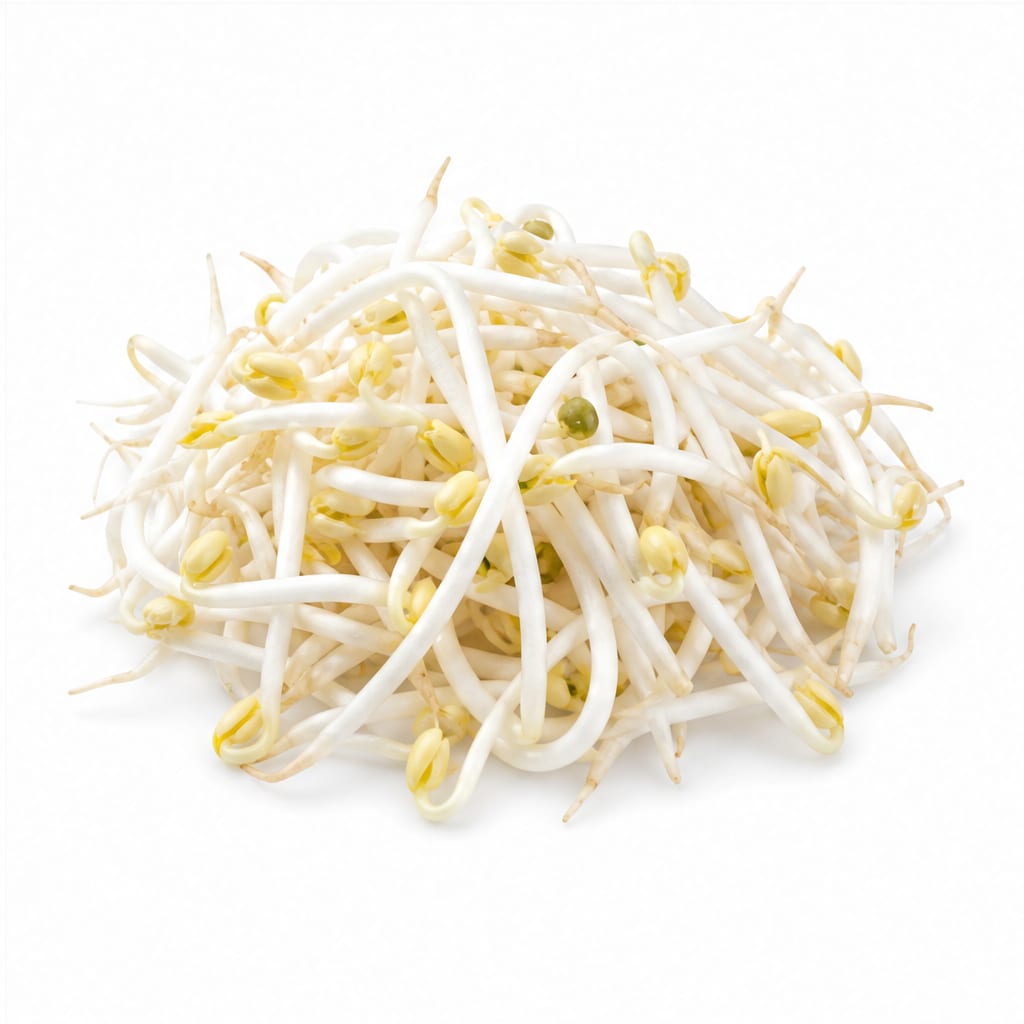
Compare with
Bean Sprouts
Bean sprouts have slightly more protein and vitamin C, while enoki provides more unique fungal beta-glucans.
Enoki mushrooms are slightly lower in calories and carbs, while bean sprouts offer a bit more protein and a fresher crunch.
This food
Enoki Mushroom
VS65% alike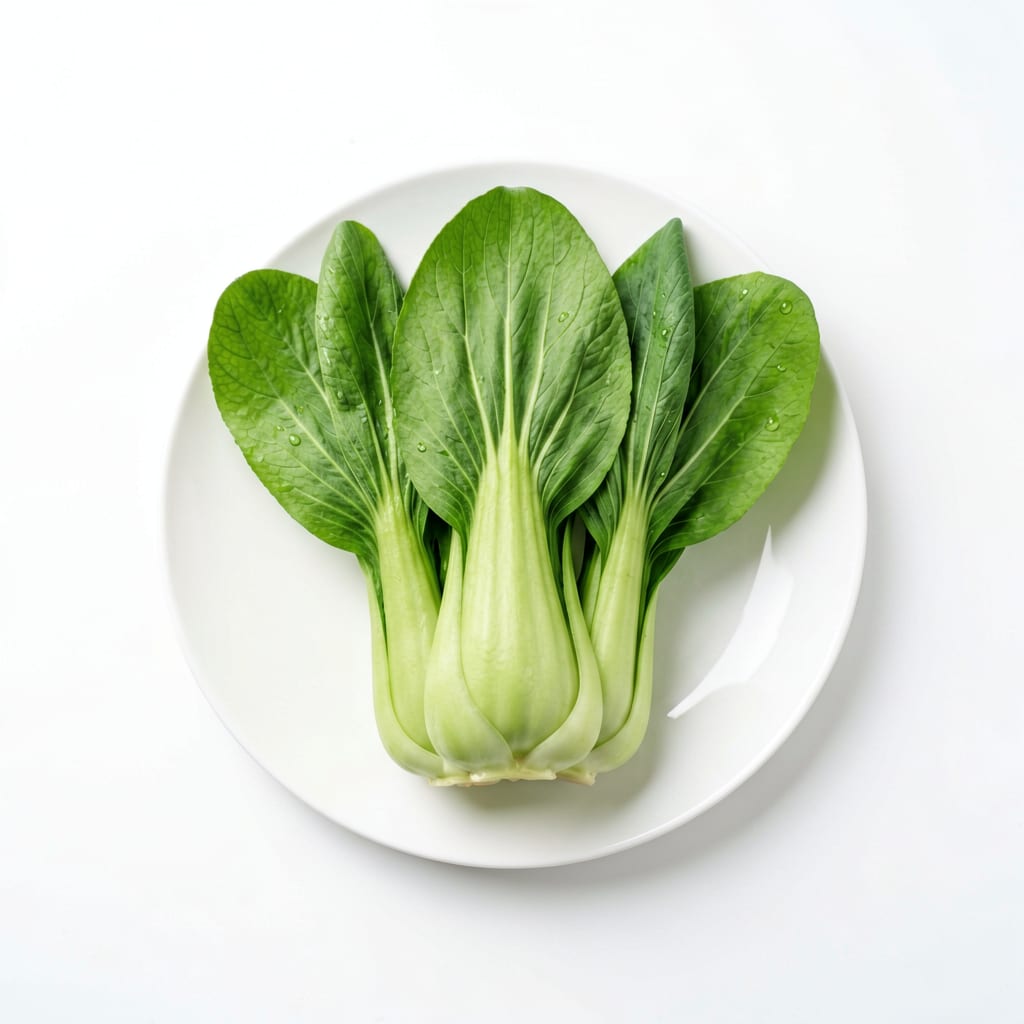
Compare with
Bok Choy
Bok choy is rich in vitamins A and C, whereas enoki provides more fiber and beta-glucans.
Enoki mushrooms offer more fiber for gut health, while bok choy provides significantly more vitamins A and C for immune support.
This food
Enoki Mushroom
VS60% alike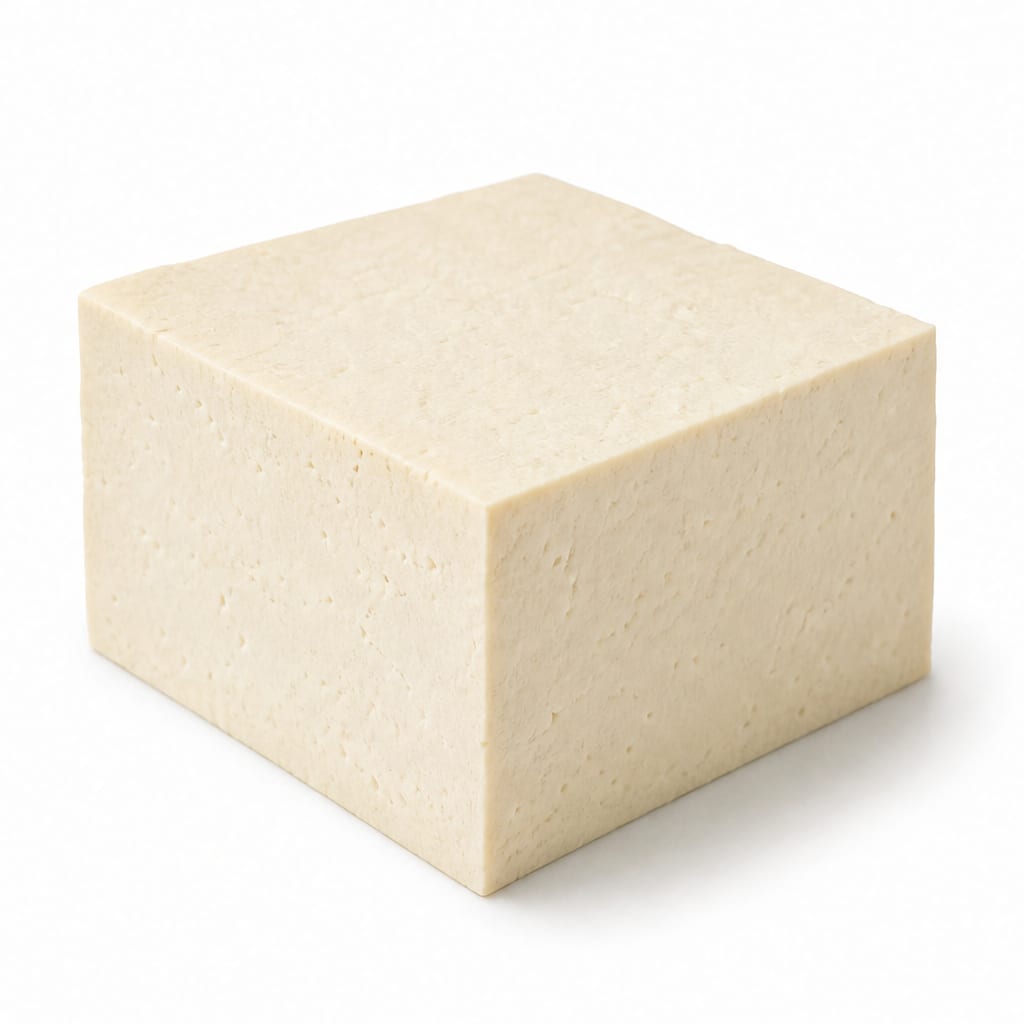
Compare with
Tofu
Tofu is a high-protein staple, while enoki is a high-volume, near-zero-calorie food.
Tofu provides essential protein and healthy fats for fitness, while enoki mushrooms act as a low-calorie filler for weight loss.
This food
Enoki Mushroom
VS55% alike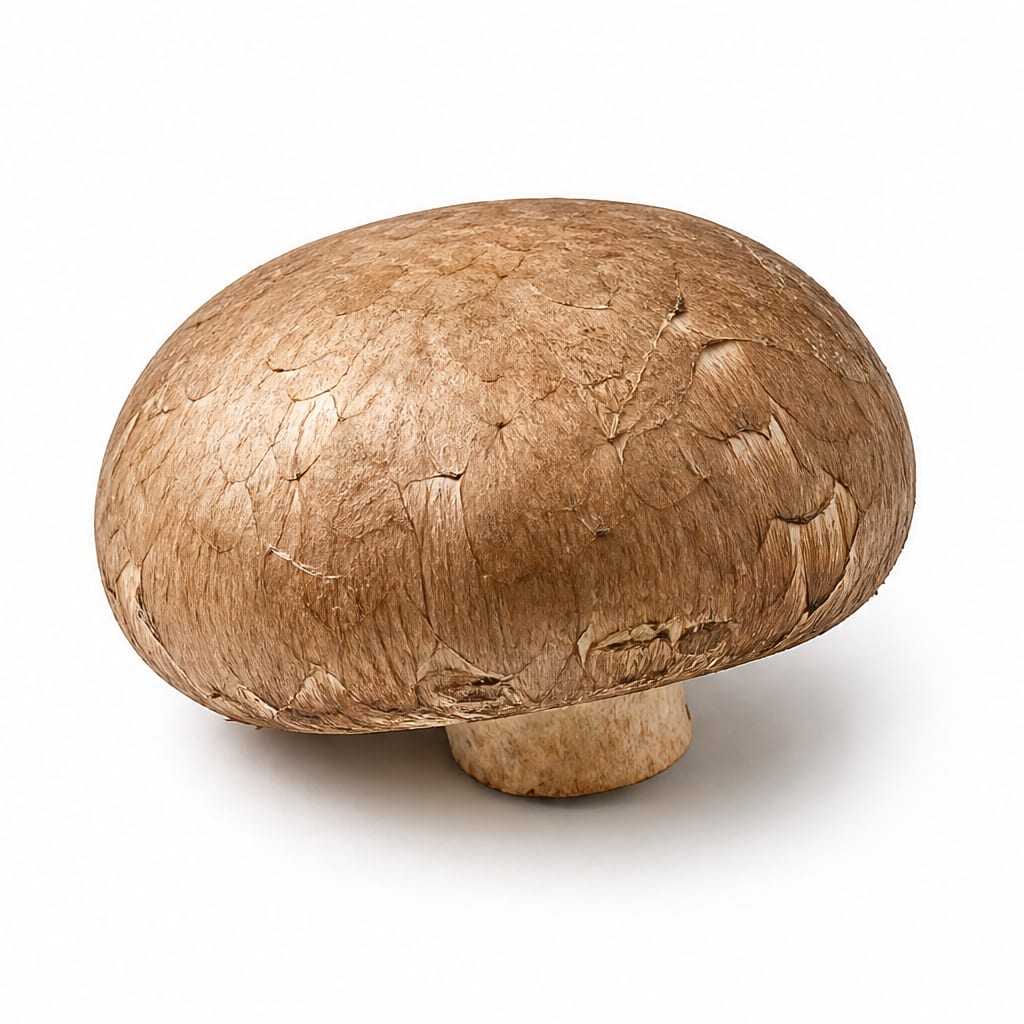
Compare with
Portobello Mushroom
Portobello is a meaty, high-protein substitute, while enoki is a light, low-calorie garnish.
Portobello mushrooms are better for satiety and as a meat substitute, whereas enoki mushrooms are far lower in calories for weight loss.
This food
Enoki Mushroom
VS50% alike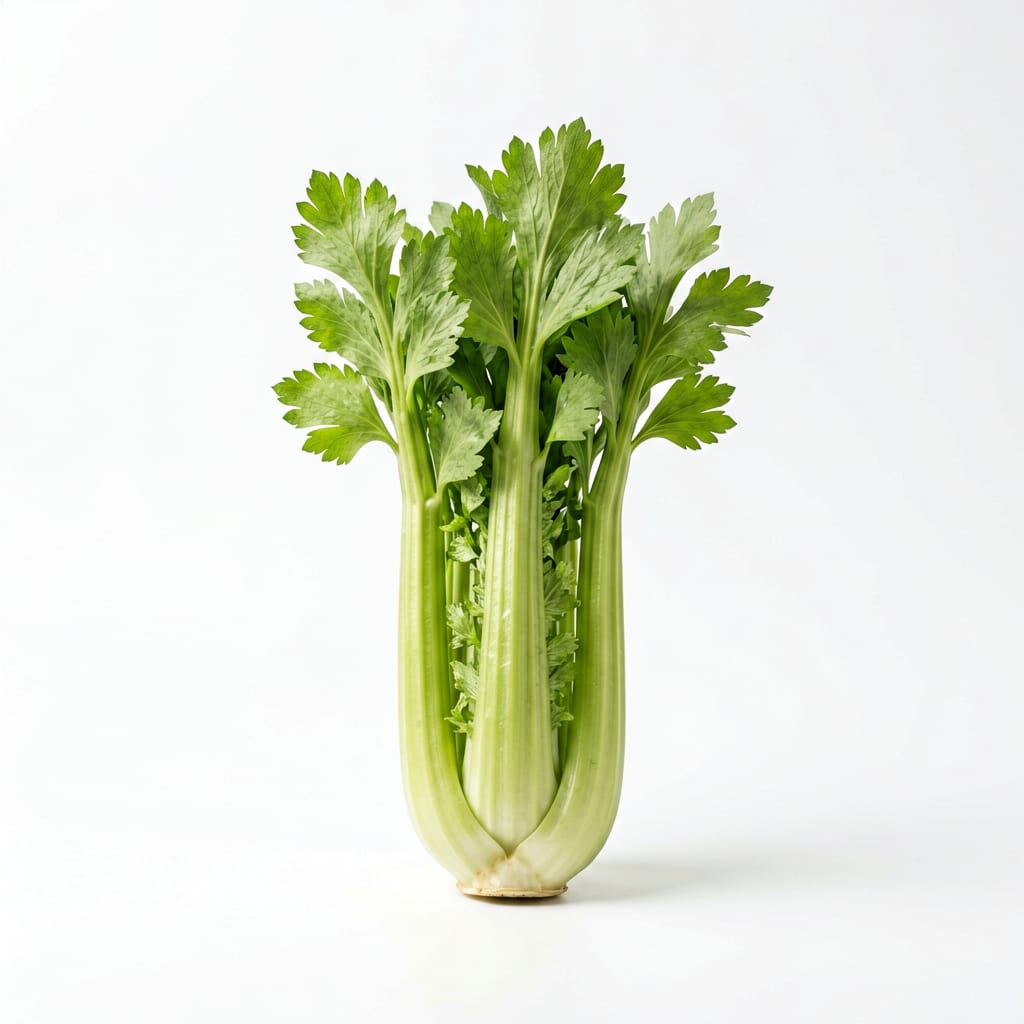
Compare with
Celery
Celery is a raw crunchy vegetable, while enoki is a cooked fungi with more fiber per gram.
Both are extremely low in calories, but enoki mushrooms offer more fiber and beta-glucans, while celery is safe to eat raw for snacking.
This food
Enoki Mushroom
VS45% alike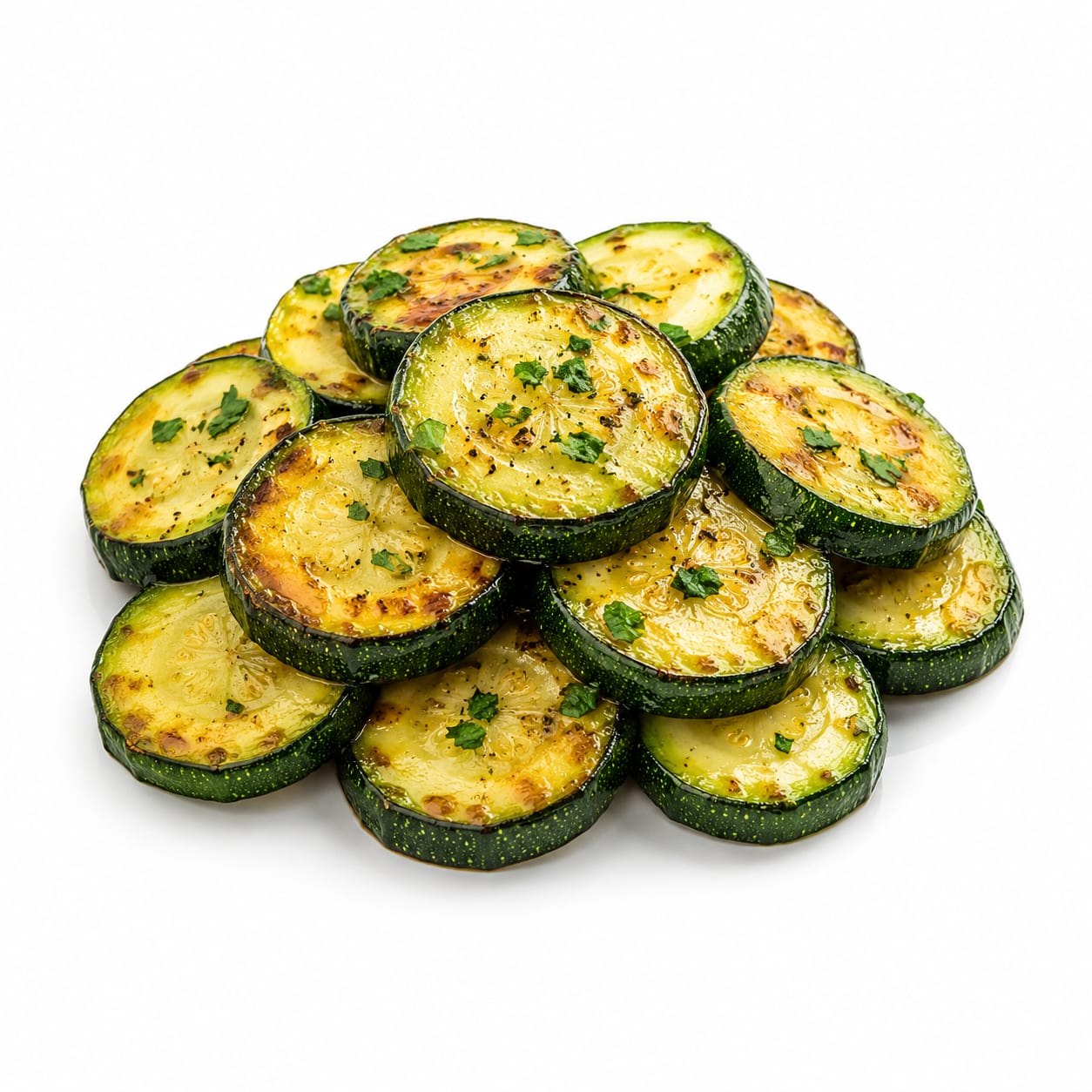
Compare with
Zucchini
Zucchini is a versatile squash high in vitamin C, while enoki is a fiber-rich fungus.
Enoki mushrooms are lower in calories and carbs, but zucchini offers more vitamins and versatility as a raw or cooked ingredient.
This food
Enoki Mushroom
VS80% alike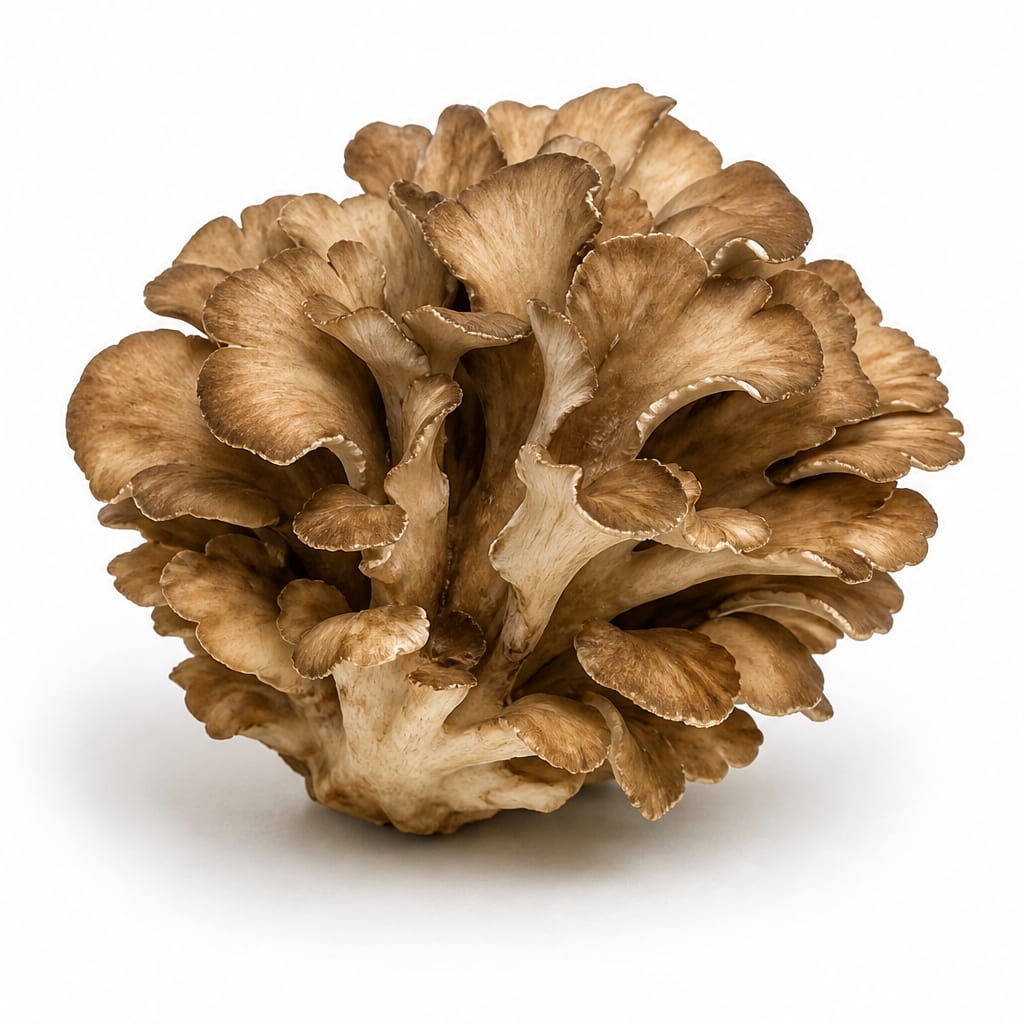
Compare with
Maitake Mushroom
Maitake has a stronger flavor and higher concentration of beta-glucans, while enoki is lower in calories.
Maitake mushrooms provide more immune-supporting beta-glucans and satiety, while enoki mushrooms are lower in calories for strict weight loss.
Common questions
FAQ
Answers aligned with how people search for this food.
Are enoki mushrooms good for weight loss?
Yes, enoki mushrooms are excellent for weight loss. They are very low in calories and high in water and fiber, which helps you feel full without consuming excess energy.
Can you eat enoki mushrooms raw?
No, you should never eat enoki mushrooms raw. They have been linked to severe Listeria outbreaks. Always cook them thoroughly to an internal temperature of 165F to ensure safety.
Are enoki mushrooms good for diabetics?
Yes, enoki mushrooms are highly suitable for diabetics. They have a very low glycemic index and contain fiber that helps stabilize blood sugar levels without causing spikes.
How many calories are in enoki mushrooms?
There are only about 37 calories in 100 grams of enoki mushrooms, making them one of the lowest-calorie mushrooms available.
Do enoki mushrooms have health benefits?
Yes, they contain beta-glucans that support immune function and gut health, while their low calorie and carb profiles make them ideal for weight management and blood sugar control.
Are enoki mushrooms keto-friendly?
Yes, enoki mushrooms are keto-friendly. With only about 5.3 grams of net carbs per 100 grams, they easily fit into a low-carb or ketogenic diet.
Why do enoki mushrooms get recalled?
Enoki mushrooms are often recalled due to potential Listeria monocytogenes contamination, which can occur during growing or packaging, particularly in imported varieties.
What is the best way to cook enoki mushrooms?
The best ways to cook enoki mushrooms are simmering them in soups or hot pots, or stir-frying them. Ensure they are cooked thoroughly until tender to eliminate any food safety risks.
Transparency
Data confidence
Estimated confidence for nutrition data, interpretation, safety notes, and comparisons.
Nutrition data
Health analysis
Food safety
Comparisons