
Nutrition comparison
Enoki Mushrooms vs Bean Sprouts: Nutrition, Safety, and Taste Compared
Compare enoki mushrooms and bean sprouts to see which is healthier. Learn about the nutritional differences, food safety risks, and best culinary uses for each.
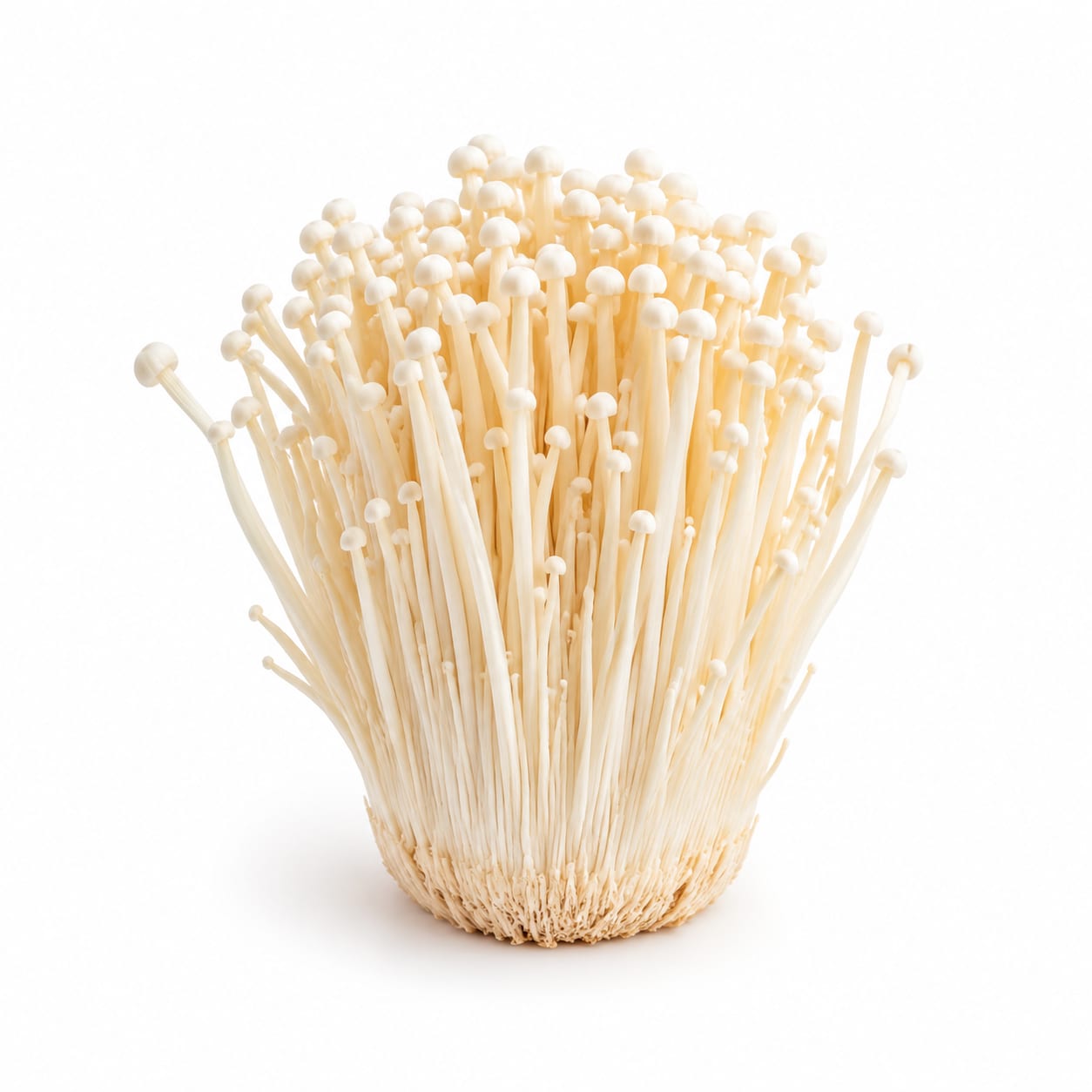
Enoki Mushroom
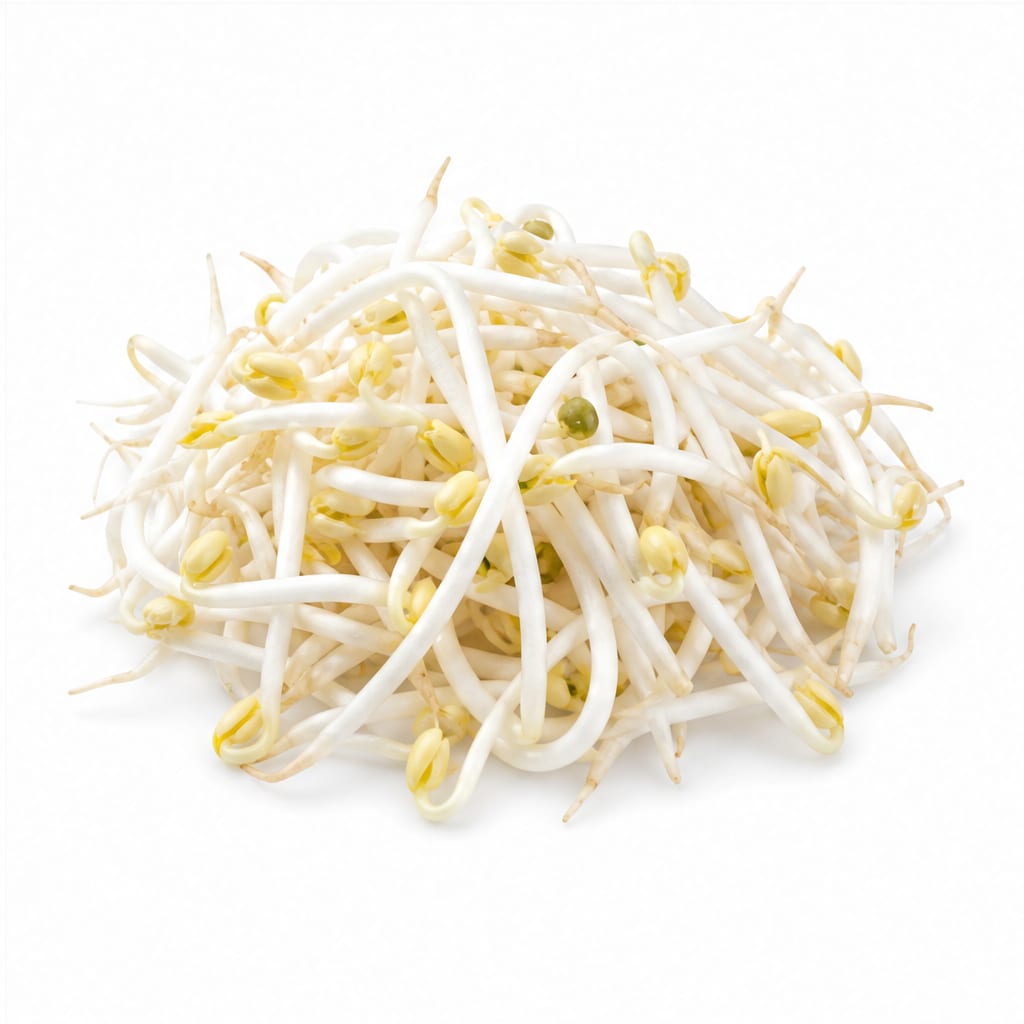
Bean Sprouts
Bean sprouts offer more protein and vitamin C, while enoki mushrooms provide unique antioxidants and a better texture for soups.
Bean sprouts score slightly higher due to a richer micronutrient profile and higher protein content, though both foods require careful handling due to contamination risks.
Bean sprouts deliver stronger micronutrient support for blood and immunity, whereas enoki mushrooms offer unique compounds for cellular protection and a more slippery, noodle-like texture.
At a glance
Executive summary
Overall
It depends
Healthier
Bean Sprouts
More practical
It depends
Daily use
Bean Sprouts
Key comparison lenses
food safety and contamination risk
Both foods are historically linked to severe foodborne illness outbreaks, making safe handling and cooking the primary concern for consumers.
low-calorie meal volume and crunch
Both are popular low-calorie toppings used to add texture and bulk to meals without adding significant calories.
micronutrient and antioxidant diversity
Users often choose these as healthy garnishes, but their vitamin and antioxidant profiles differ significantly.
Best choice for
Enoki Mushroom
- People wanting a low-calorie noodle substitute
- Soup and hot pot enthusiasts
- Those seeking cellular-protective antioxidants
Bean Sprouts
- People needing more plant-based protein
- Those looking to boost Vitamin K and folate intake
- Stir-fry and salad crunch lovers
Least suitable for
Enoki Mushroom
- People who dislike slippery or chewy textures
- Those who don't thoroughly cook their mushrooms
Bean Sprouts
- Pregnant women or immunocompromised individuals if served raw
- People with severe digestive sensitivities to raw cruciferous veggies
Deep comparison
Dimension by dimension
Each lens scores both foods and breaks down who each option suits.
- Dimension 1 · Priority 90Bean Sprouts
Micronutrient Density
Enoki Mushroom · 55Bean Sprouts · 82Bean sprouts are notably richer in Vitamin C, Vitamin K, and folate, while enoki mushrooms are comparatively mild in vitamins.
Tradeoff
Choosing enoki mushrooms means missing out on the strong blood-clotting and immune support that bean sprouts provide.
Why it matters
Vitamin K is crucial for bone health, and folate supports cell function, making bean sprouts a more functional food for overall vitality.
Real-world impact
Adding bean sprouts to your meal gives a noticeable boost in nutrients that support healing and energy, whereas enoki mushrooms mostly just add bulk and fiber.
Enoki Mushroom
- Reliance on a low-vitamin garnish
Worse for
Bean Sprouts
- Supporting bone density
- Boosting immune function
- Increasing daily folate intake
Better for
- Dimension 2 · Priority 80Enoki Mushroom
Antioxidant and Immune Profile
Enoki Mushroom · 85Bean Sprouts · 60Enoki mushrooms contain ergothioneine and beta-glucans, which are powerful compounds for cellular protection and immune modulation.
Tradeoff
Bean sprouts lack the specific fungal antioxidants that make enoki mushrooms valuable for long-term cellular defense.
Why it matters
Ergothioneine acts as a unique cellular protectant that the body cannot make on its own, offering anti-aging and anti-inflammatory benefits.
Real-world impact
Regularly eating enoki mushrooms can help quiet down systemic inflammation and support your body's resilience against oxidative stress over time.
Enoki Mushroom
- Long-term cellular protection
- Immune system modulation
- Reducing oxidative stress
Better for
Bean Sprouts
- Missing out on unique fungal antioxidants
Worse for
- Dimension 3 · Priority 70Bean Sprouts
Satiety and Protein Content
Enoki Mushroom · 40Bean Sprouts · 65Bean sprouts contain noticeably more protein per serving, making them slightly more filling and useful for plant-based diets.
Tradeoff
Enoki mushrooms are extremely low in protein and calories, meaning they add volume to meals without contributing much to actual fullness.
Why it matters
Even small amounts of protein help stabilize blood sugar and keep you satisfied longer between meals.
Real-world impact
A bowl with bean sprouts will keep you full a bit longer than one with enoki mushrooms, which essentially act as a free calorie filler.
Enoki Mushroom
- Very low satiety contribution
Worse for
Bean Sprouts
- Plant-based protein snacking
- Making light meals more satisfying
Better for
- Dimension 4 · Priority 75It depends
Culinary Versatility and Texture
Enoki Mushroom · 78Bean Sprouts · 78Enoki mushrooms offer a chewy, noodle-like bite perfect for soups, while bean sprouts provide a crisp, watery crunch ideal for stir-fries.
Tradeoff
Enoki mushrooms become stringy if overcooked, whereas bean sprouts lose their signature crunch rapidly under heat.
Why it matters
Texture dictates how enjoyable a meal is; the right choice depends entirely on the dish you are making.
Real-world impact
Use enoki mushrooms when you want a comforting, slurpable texture in broth, and bean sprouts when you want a refreshing snap in a wrap or stir-fry.
Enoki Mushroom
- Hot pot and ramen dishes
- Low-carb noodle substitutes
Better for
- Dishes requiring a fresh crunch
Worse for
Bean Sprouts
- Sandwiches and wraps
- Stir-fries and fresh spring rolls
Better for
- Dishes requiring a chewy, substantial bite
Worse for
Timeline
Health impact over time
Short-term
Hours to days
Enoki Mushroom
- Very low calorie intake, unlikely to cause energy spikes
- May cause mild digestive upset if consumed raw or undercooked
Bean Sprouts
- Provides a quick crunch and freshness to meals
- Raw consumption poses a high risk of gastrointestinal distress from bacteria
Long-term
Months to years
Enoki Mushroom
- Consistent intake of ergothioneine may protect against cognitive decline
- Beta-glucans support sustained immune resilience
Bean Sprouts
- High folate and Vitamin K intake supports long-term bone and cardiovascular health
- Consistent protein contribution aids in maintaining muscle mass on plant-heavy diets
Risk profile
Safety & processing
Both are whole, unprocessed agricultural products. The only processing involved is the cutting and washing of the enoki mushroom base or the harvesting of the sprouted beans.
Enoki Mushroom
Listeria monocytogenes contamination
highEnoki mushrooms have been linked to severe, sometimes fatal, listeria outbreaks. The bacteria can thrive in the cool, humid packaging environments. Always cook thoroughly.
Bean Sprouts
Salmonella and E. coli contamination
highThe warm, humid conditions required to sprout beans are also ideal for bacterial growth. Contaminated seeds can spread pathogens throughout the sprout. Washing alone does not eliminate the risk.
Who wins for whom
Audience fit
Same foods, different winners depending on your goal.
children
Enoki MushroomWhen cooked thoroughly, enoki mushrooms are softer and easier to chew, whereas bean sprouts can be a choking hazard and carry a higher risk of severe food poisoning if undercooked.
daily consumption
Bean SproutsBean sprouts offer a broader and more impactful daily vitamin profile, particularly Vitamin K and folate, assuming they are properly washed and cooked.
diabetes
It dependsBoth have negligible impacts on blood sugar, making them safe and smart additions to meals for anyone managing diabetes.
elderly
Enoki MushroomThoroughly cooked enoki mushrooms are easier to chew for sensitive teeth and offer unique antioxidants beneficial for aging, provided they are cooked to eliminate listeria risk.
muscle gain
Bean SproutsBean sprouts contain significantly more protein per serving, which is more supportive of muscle maintenance, though neither is a primary protein source.
weight loss
It dependsBoth are extremely low in calories and high in volume. Enoki mushrooms act as a noodle replacement, while bean sprouts add crunch to bulky salads.
Your move
Decision guide
Choose Enoki Mushroom
- You are making a soup, ramen, or hot pot
- You want a satisfying, chewy substitute for noodles
- You are focused on consuming unique longevity antioxidants
Choose Bean Sprouts
- You are making a stir-fry, pad thai, or fresh spring rolls
- You want to boost your intake of folate and Vitamin K
- You need a crisp, refreshing texture to balance a soft dish
Either works if
- You just need a low-calorie way to add bulk to a meal
- You are willing to cook them thoroughly to mitigate safety risks
Avoid both if
- You are serving immunocompromised individuals and cannot guarantee thorough cooking
- You are looking for a substantial source of calories or macronutrients
Final recommendation
Let the dish dictate your choice: use enoki mushrooms for comforting, slurpable soups and bean sprouts for bright, crunchy stir-fries. Most importantly, always cook both thoroughly to avoid the serious food safety risks associated with raw or undercooked consumption.
Practical
Consumer tips
- 1
Never eat enoki mushrooms raw; always add them to actively boiling broth or cook them thoroughly to kill potential listeria.
- 2
Rinse bean sprouts thoroughly under running water, but know that washing alone does not remove all bacteria; cooking is the safest route.
- 3
Store both foods in the refrigerator immediately and consume within a few days of purchase, as their high moisture content makes them perishable.
- 4
Trim the tough root ends of enoki mushrooms before cooking to improve the texture.