
Nutrition comparison
Enoki Mushrooms vs Zucchini: Nutrition, Safety, and Which to Choose
Compare enoki mushrooms and zucchini on nutrition, food safety, weight loss benefits, and daily practicality. Learn which low-calorie vegetable fits your health goals better.
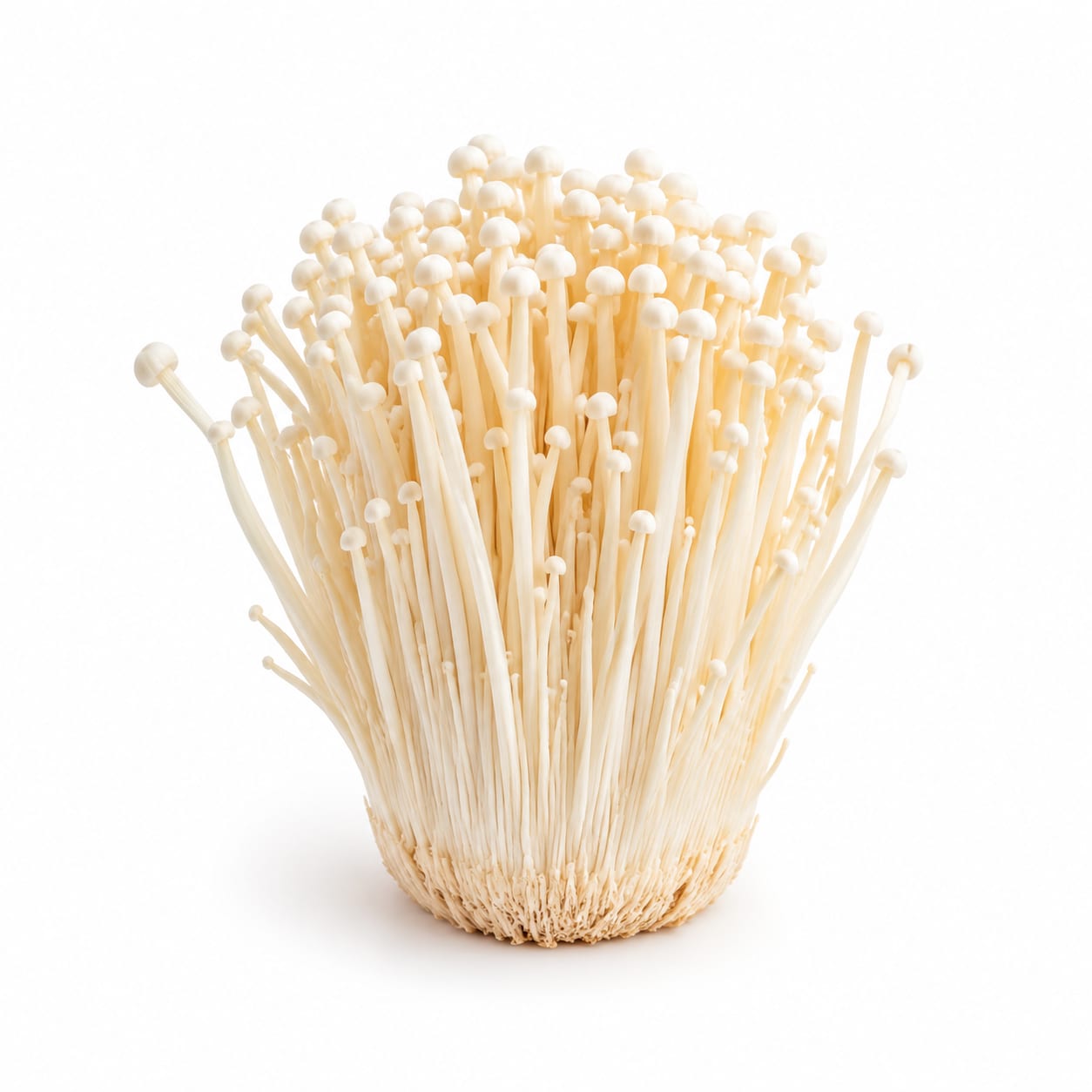
Enoki Mushroom
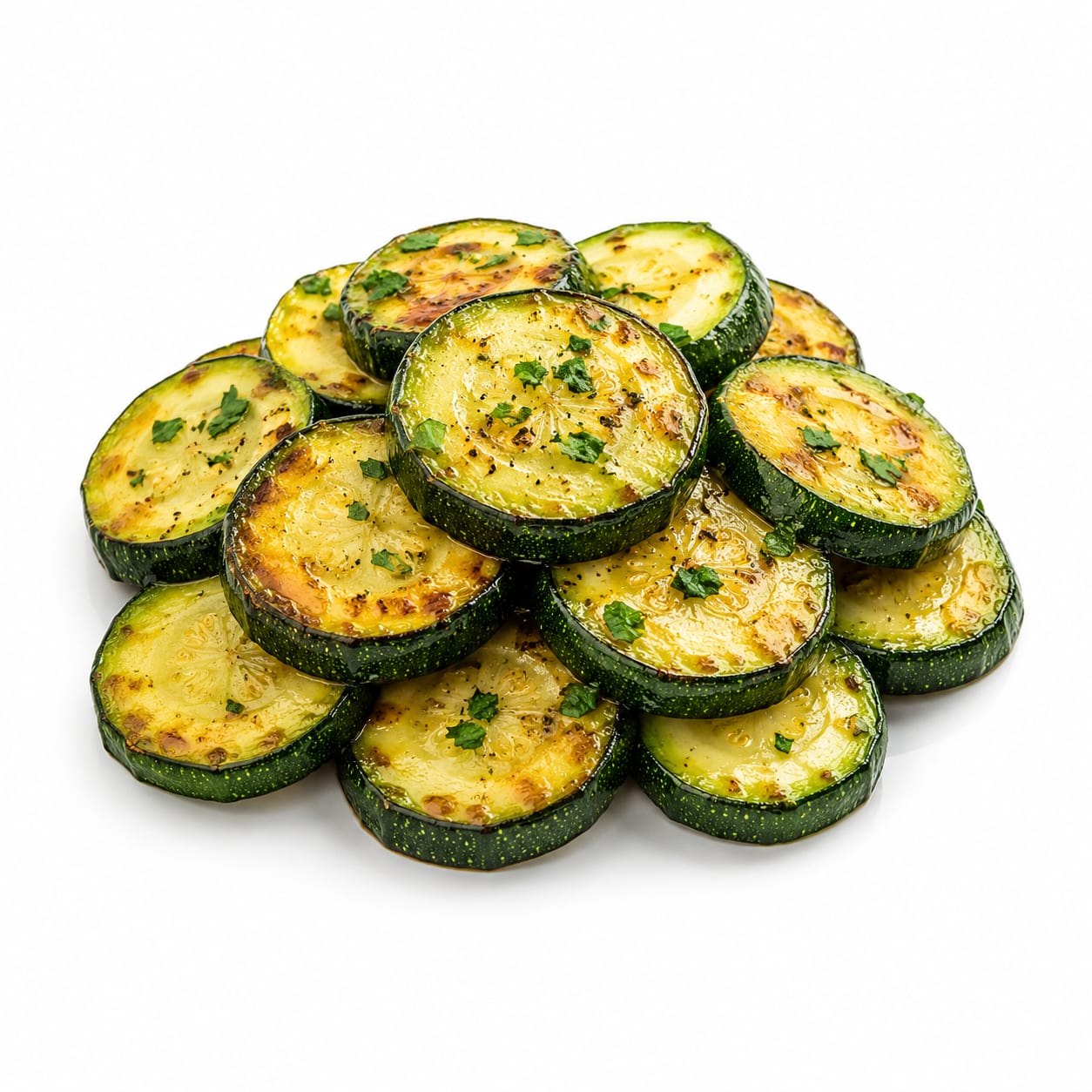
Zucchini
Zucchini wins on safety and versatility, while enoki mushrooms offer unique immune-supporting compounds you cannot easily get elsewhere.
Zucchini scores higher overall due to superior safety, versatility, and daily practicality. Enoki mushrooms earn strong marks for unique bioactive compounds but are pulled down by contamination risk and limited culinary flexibility.
Enoki mushrooms provide beta-glucans and ergothioneine for immune and antioxidant benefits, but carry a meaningful Listeria risk that zucchini completely avoids.
At a glance
Executive summary
Overall
It depends
Healthier
It depends
More practical
Zucchini
Daily use
Zucchini
Key comparison lenses
low-calorie vegetable selection for weight management
Both foods are extremely low in calories, making them popular choices for calorie-conscious eaters deciding between them
immune and antioxidant support
Enoki mushrooms contain beta-glucans and ergothioneine, unique compounds zucchini lacks, which matter for immune health
food safety and contamination risk
Enoki mushrooms have been linked to serious Listeria outbreaks, a critical safety concern absent from zucchini
culinary versatility and meal integration
Zucchini can be eaten raw, roasted, spiralized, or baked, while enoki mushrooms have a narrower culinary role
digestive comfort and gut health
Both offer fiber but through different mechanisms, and mushroom fiber types differ from vegetable fiber in gut effects
Best choice for
Enoki Mushroom
- People seeking immune system support from beta-glucans
- Those wanting antioxidant variety beyond typical vegetables
- Anyone building Asian-style soups and hot pots
- People looking for umami flavor without sodium
Zucchini
- Anyone prioritizing food safety with no contamination worries
- People wanting a versatile vegetable for daily cooking
- Those who meal-prep and need long-lasting produce
- Anyone spiralizing or making low-carb pasta substitutes
Least suitable for
Enoki Mushroom
- Pregnant women due to Listeria risk
- Immunocompromised individuals who must avoid foodborne illness
- Anyone who meal-preps days in advance with raw mushrooms
- People unfamiliar with proper mushroom cooking techniques
Zucchini
- Those specifically seeking beta-glucan or ergothioneine intake
- People wanting umami or savory depth without adding seasoning
- Anyone looking for B-vitamin density in vegetables
Deep comparison
Dimension by dimension
Each lens scores both foods and breaks down who each option suits.
- Dimension 1 · Priority 88Zucchini
Caloric Efficiency and Weight Management
Enoki Mushroom · 72Zucchini · 85Both are extremely low-calorie, but zucchini offers more volume per calorie, making it more filling for the same energy cost.
Tradeoff
Enoki mushrooms have slightly more calories per gram but also more protein and fiber density, while zucchini provides sheer bulk that physically fills you up.
Why it matters
When eating for weight loss, volume matters. Zucchini lets you eat a larger portion for fewer calories, which helps with satiety between meals.
Real-world impact
A full cup of sliced zucchini costs only about 20 calories and feels substantial on a plate. The same cup of enoki mushrooms runs about 40 calories but disappears quickly in a soup.
Enoki Mushroom
- Soup-based meals where volume comes from broth
- Dishes where you want some substance without adding heavy ingredients
Better for
- Anyone who eats primarily for stomach-filling volume
Worse for
Zucchini
- Large-portion meals where visual and physical fullness matters
- Replacing higher-calorie ingredients like pasta or bread
Better for
- Meals where you need slightly more caloric density to avoid feeling empty
Worse for
- Dimension 2 · Priority 85Enoki Mushroom
Immune and Antioxidant Support
Enoki Mushroom · 82Zucchini · 55Enoki mushrooms deliver beta-glucans and ergothioneine, two compounds with real immune and antioxidant significance that zucchini simply does not offer.
Tradeoff
You gain unique immune-modulating compounds with enoki mushrooms but miss out on the vitamin C and carotenoids that zucchini provides.
Why it matters
Beta-glucans activate immune cells in ways regular vegetables cannot replicate. Ergothioneine acts as a specialized antioxidant protecting cells from oxidative damage over decades.
Real-world impact
Regularly eating enoki mushrooms may contribute to more resilient immune responses during cold season. Zucchini supports general antioxidant intake but through more common pathways.
Enoki Mushroom
- People wanting targeted immune support beyond basic nutrition
- Anyone interested in longevity-associated antioxidants like ergothioneine
Better for
- Anyone expecting vitamin C levels comparable to typical vegetables
Worse for
Zucchini
- Those who get immune support from other sources and want basic vitamin C
- People who prefer widely-studied antioxidant vitamins over mushroom compounds
Better for
- People specifically seeking beta-glucan intake for immune modulation
Worse for
- Dimension 3 · Priority 80Zucchini
Food Safety and Contamination Risk
Enoki Mushroom · 40Zucchini · 92Enoki mushrooms have been repeatedly linked to Listeria outbreaks, including fatal cases. Zucchini has virtually no contamination history.
Tradeoff
The unique health compounds in enoki mushrooms come with a real safety tradeoff that requires careful handling and thorough cooking.
Why it matters
Listeria monocytogenes can grow at refrigerator temperatures and causes severe illness in pregnant women, older adults, and immunocompromised people. This is not a theoretical risk.
Real-world impact
If you are pregnant or have a weakened immune system, raw or undercooked enoki mushrooms are genuinely dangerous. Zucchini can be eaten raw without this concern.
Enoki Mushroom
- Healthy adults who cook mushrooms thoroughly every time
Better for
- Any household with vulnerable individuals
- People who are casual about food safety practices
Worse for
Zucchini
- Pregnant women
- Elderly individuals
- Immunocompromised people
- Anyone who sometimes eats vegetables raw or lightly cooked
Better for
- No meaningful safety downside
Worse for
- Dimension 4 · Priority 75Zucchini
Culinary Versatility and Meal Integration
Enoki Mushroom · 50Zucchini · 88Zucchini works raw, roasted, grilled, sautéed, spiralized, or baked into goods. Enoki mushrooms shine in soups and stir-fries but have a narrow comfort zone.
Tradeoff
Enoki mushrooms bring a distinctive slippery texture and umami depth that zucchini cannot replicate, but they cannot adapt to as many cooking methods or cuisines.
Why it matters
A versatile vegetable gets eaten more often and wasted less. If you can only use an ingredient one way, it tends to sit in the fridge.
Real-world impact
Zucchini can become noodles, fritters, muffins, or a raw snack. Enoki mushrooms are basically a soup or stir-fry ingredient. That difference affects how often each actually gets used.
Enoki Mushroom
- Asian soup and hot pot enthusiasts
- Anyone wanting to add umami without soy sauce or salt
Better for
- Anyone who does not regularly make soups or stir-fries
- People who dislike slippery or gelatinous textures
Worse for
Zucchini
- Home cooks who want one vegetable that works across many recipes
- Anyone doing low-carb pasta alternatives
- People who like raw vegetable snacks
Better for
- Cooks specifically seeking umami depth from vegetables
Worse for
- Dimension 5 · Priority 72It depends
Nutrient Density and Vitamin Profile
Enoki Mushroom · 65Zucchini · 70Zucchini provides more vitamin C and potassium, while enoki mushrooms offer more B vitamins and unique bioactive compounds. Neither is a nutritional powerhouse alone.
Tradeoff
You choose between conventional vitamin content in zucchini and specialized mushroom compounds in enoki. They complement rather than compete.
Why it matters
Neither food will single-handedly fix a nutrient gap, but each contributes differently to an overall diverse diet.
Real-world impact
A serving of zucchini covers about 35% of daily vitamin C needs. A serving of enoki mushrooms covers about 20% of several B vitamins. Both are supporting players, not leads.
Enoki Mushroom
- People whose diets lack B vitamins, especially B3 and B5
- Anyone eating mostly refined carbs who needs B-vitamin support
Better for
- Anyone relying on it for vitamin C or carotenoids
Worse for
Zucchini
- Those not getting enough vitamin C from other sources
- People wanting potassium for blood pressure support
Better for
- People expecting significant B-vitamin contribution
Worse for
- Dimension 6 · Priority 68It depends
Digestive Health and Gut Tolerance
Enoki Mushroom · 68Zucchini · 72Both are gentle on digestion for most people. Enoki mushrooms provide prebiotic beta-glucans, while zucchini offers softer soluble fiber that is easier on sensitive stomachs.
Tradeoff
Mushroom fiber feeds beneficial gut bacteria more aggressively, but can cause bloating in sensitive people. Zucchini fiber is gentler and less likely to cause gas.
Why it matters
If you have IBS or a sensitive gut, the difference between prebiotic mushroom fiber and gentle vegetable fiber matters at every meal.
Real-world impact
A bowl of enoki mushroom soup might leave you slightly bloated if your gut is not used to mushroom fiber. Zucchini rarely causes digestive complaints even in large portions.
Enoki Mushroom
- People with healthy digestion wanting prebiotic benefits
- Anyone actively cultivating gut microbiome diversity
Better for
- People prone to bloating or mushroom sensitivity
Worse for
Zucchini
- People with IBS or sensitive digestion
- Anyone recovering from gastrointestinal illness
Better for
- Those specifically seeking prebiotic fiber types
Worse for
Timeline
Health impact over time
Short-term
Hours to days
Enoki Mushroom
- Light, satisfying addition to soups without heaviness
- May cause mild bloating if you are unaccustomed to mushroom fiber
- Provides quick umami satisfaction that can reduce salt cravings
Zucchini
- Very gentle on the stomach, even in large portions
- Hydrating due to high water content, which helps with fullness
- Raw zucchini can sometimes taste bland, leading to over-seasoning
Long-term
Months to years
Enoki Mushroom
- Regular beta-glucan intake may support more resilient immune function over years
- Ergothioneine accumulation could contribute to cellular protection against oxidative aging
- Consistent consumption requires strict cooking habits to maintain safety
Zucchini
- Sustained vitamin C and potassium intake supports cardiovascular health long-term
- High water and fiber content promotes healthy digestion over decades
- Versatility makes it easier to sustain as a daily vegetable habit
Risk profile
Safety & processing
Both foods are typically sold fresh and unprocessed. Enoki mushrooms are sometimes packaged in vacuum-sealed bags that can create anaerobic conditions favorable to bacterial growth, which is a packaging concern rather than an additive issue. Zucchini is usually sold loose or in simple packaging with minimal intervention.
Enoki Mushroom
Listeria monocytogenes contamination
highMultiple outbreaks linked to enoki mushrooms have caused hospitalizations and deaths, particularly affecting pregnant women and elderly individuals. The risk is real and well-documented, not theoretical.
Inadequate cooking leading to foodborne illness
mediumEnoki mushrooms are sometimes added to dishes at the last minute and barely heated. Insufficient cooking fails to kill potential Listeria contamination.
Improper storage enabling bacterial growth
mediumVacuum-sealed packaging combined with refrigeration temperatures that still allow Listeria growth creates a unique risk scenario for this mushroom.
Zucchini
Pesticide residue on conventionally grown zucchini
lowZucchini typically appears on the cleaner end of pesticide residue lists, but conventional varieties may carry trace amounts. Washing thoroughly is sufficient.
Bitter compounds in rare cases
lowOccasionally zucchini can produce cucurbitacins causing extreme bitterness. This is rare in commercially grown varieties but possible in home gardens.
Who wins for whom
Audience fit
Same foods, different winners depending on your goal.
children
ZucchiniZucchini is safer, milder in flavor, and can be hidden in familiar foods like muffins or pasta sauce. Enoki mushrooms carry Listeria risk and have a texture many children reject.
daily consumption
ZucchiniZucchini can be eaten daily in various forms without safety concerns or palate fatigue. Enoki mushrooms are best enjoyed a few times per week with careful cooking.
diabetes
ZucchiniZucchini has an extremely low glycemic impact and can replace starchy carbohydrates in meals. Enoki mushrooms are also fine but offer less practical carbohydrate substitution.
elderly
ZucchiniOlder adults face higher risk from Listeria infection, making enoki mushrooms a poor choice unless cooked very thoroughly. Zucchini is gentle, safe, and easy to chew.
muscle gain
It dependsNeither food contributes meaningful protein for muscle building. Both serve as low-calorie sides that leave room for protein-rich main dishes.
weight loss
ZucchiniZucchini provides more volume per calorie and can replace higher-calorie staples like pasta, making it easier to sustain a calorie deficit without feeling deprived.
Your move
Decision guide
Choose Enoki Mushroom
- You thoroughly cook mushrooms every time and want immune-supporting beta-glucans
- You regularly make Asian soups, ramen, or hot pot dishes
- You are a healthy adult seeking antioxidant diversity beyond typical vegetables
- You want umami flavor without adding sodium or soy sauce
Choose Zucchini
- You are pregnant, elderly, or immunocompromised and need to avoid Listeria risk
- You want one versatile vegetable that works across many recipes and cuisines
- You are doing low-carb meal prep and need a pasta or rice substitute
- You sometimes eat vegetables raw and want something safe uncooked
Either works if
- You are simply trying to eat more vegetables and both sound appealing
- You are building a diverse diet where different vegetables play different roles
- You want low-calorie sides to accompany protein-focused main dishes
Avoid both if
- You need calorie-dense foods for weight gain or recovery from illness
- You are looking for a significant protein source in your vegetable choices
Final recommendation
Keep zucchini as your everyday vegetable and treat enoki mushrooms as a beneficial but occasional addition. Zucchini gives you safety, versatility, and daily reliability. Enoki mushrooms give you unique immune compounds and umami depth worth enjoying once or twice a week, always thoroughly cooked. Together they complement each other perfectly.
Practical
Consumer tips
- 1
Always cook enoki mushrooms thoroughly for at least 3-5 minutes to eliminate potential Listeria contamination
- 2
Refrigerate enoki mushrooms immediately and use within a few days of purchase
- 3
If you are pregnant or immunocompromised, avoid enoki mushrooms entirely unless cooked to steaming hot temperatures
- 4
Choose firm, dry enoki mushrooms with no slimy spots or off odors
- 5
Spiralize zucchini for a low-carb pasta alternative that pairs well with any sauce
- 6
Grate zucchini into muffins, meatballs, or oatmeal for hidden vegetable nutrition
- 7
Both foods benefit from being purchased organic if you eat them frequently, though zucchini is relatively low in pesticide residues
- 8
Do not eat enoki mushrooms raw in salads, even if they look clean and fresh