
Nutrition comparison
Enoki vs Button Mushrooms: Nutrition, Safety, and Best Uses
Compare enoki mushrooms vs button mushrooms. Discover which is safer, more nutritious, and better for your recipes. Learn about Listeria risks and culinary tradeoffs.
Overall winner · Button Mushroom
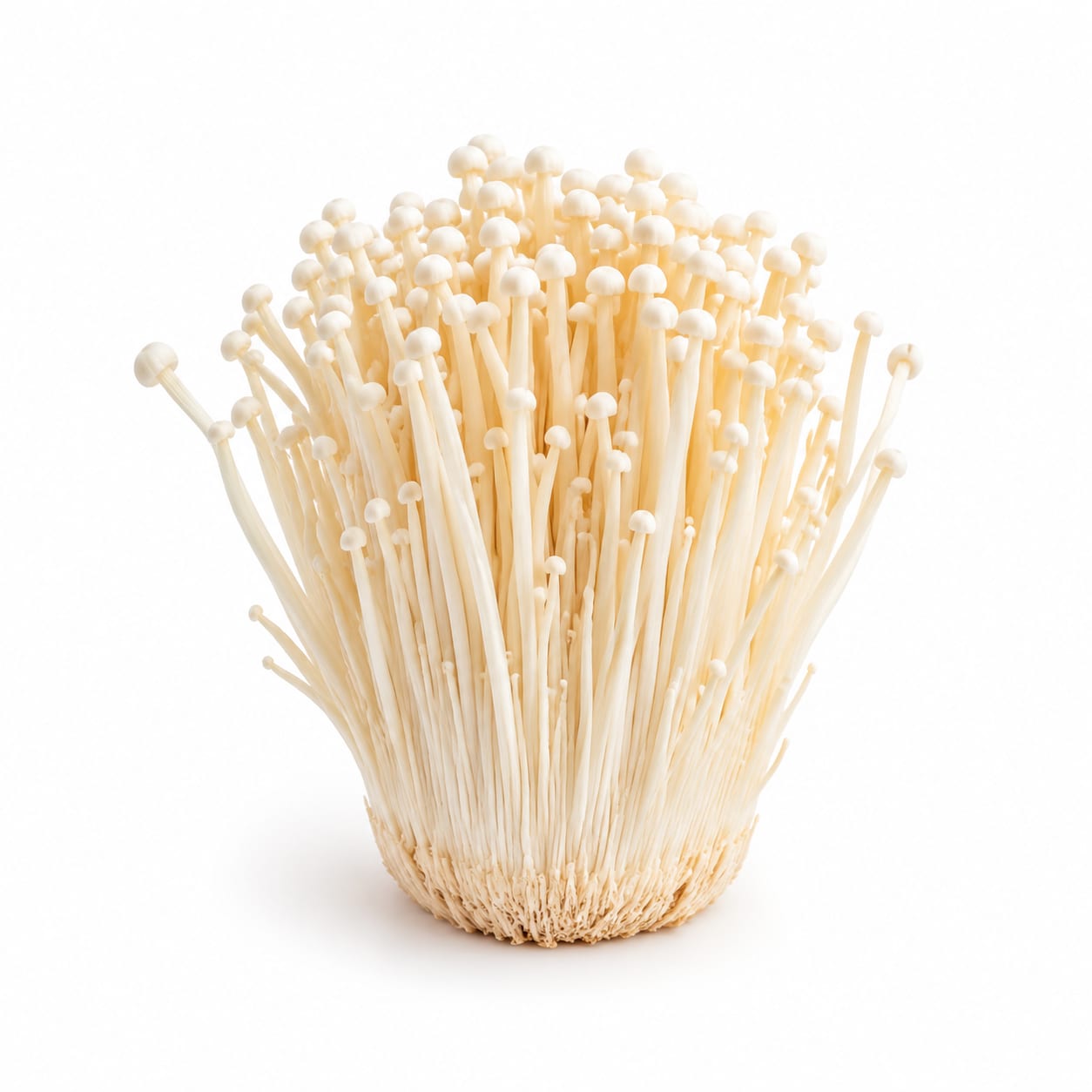
Enoki Mushroom
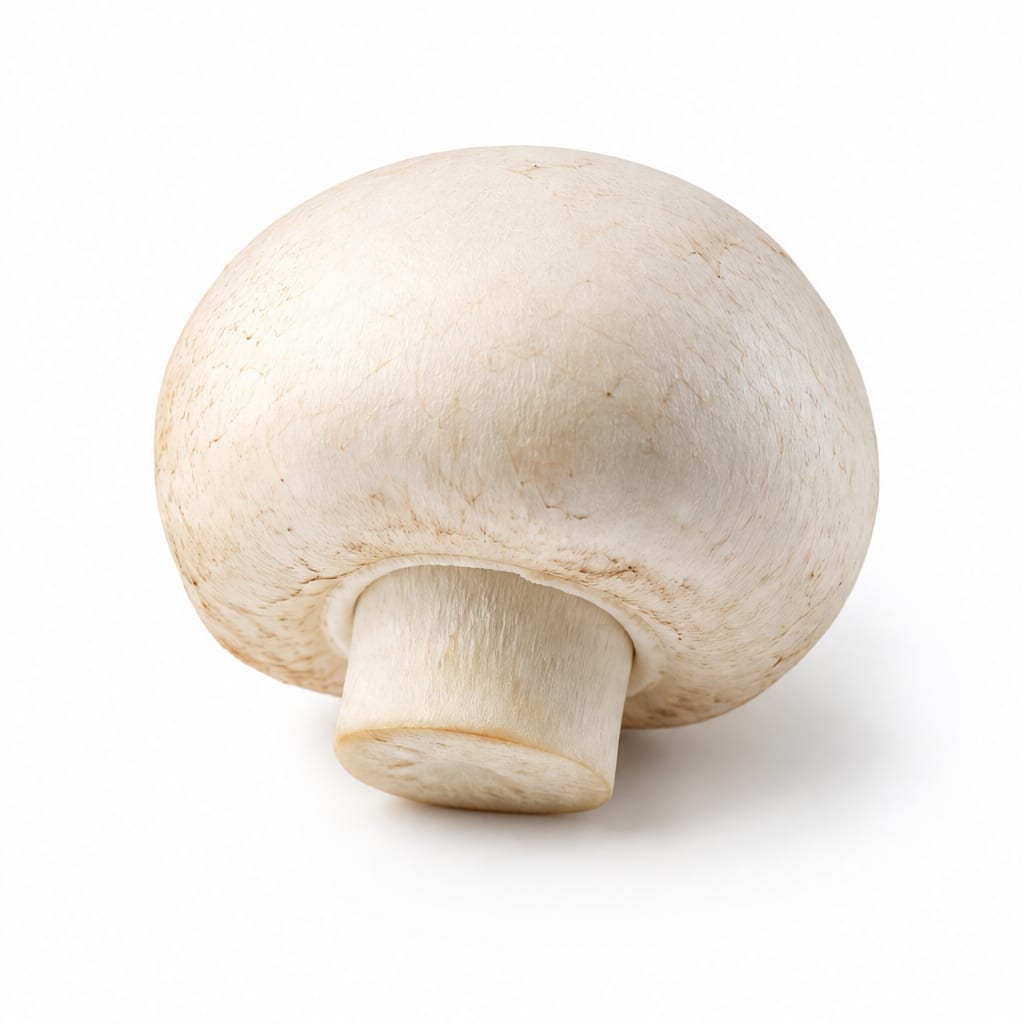
Button Mushroom
Button mushrooms offer better overall nutrition and safety, while enoki mushrooms bring a unique texture but carry higher contamination risks if not cooked properly.
Button mushrooms score higher due to superior nutrient density and a much safer contamination profile. Enoki mushrooms lose points primarily on safety risks and lower vitamin content.
Enoki provides a delightful crunchy texture for soups but requires strict cooking due to Listeria risks, whereas button mushrooms are safer, more nutritious, and easier to use daily.
At a glance
Executive summary
Overall
Button Mushroom
Healthier
Button Mushroom
More practical
Button Mushroom
Daily use
Button Mushroom
Key comparison lenses
Safety and Contamination Risk
Enoki mushrooms have a well-documented history of Listeria outbreaks, making safety a primary concern for consumers.
Nutrient Density
Users want to know which mushroom packs more vitamins and minerals per calorie.
Culinary Versatility
How easily each mushroom can be used in everyday cooking varies significantly between these two.
Weight Management
Both are popular low-calorie foods, but their satiety profiles differ.
Best choice for
Enoki Mushroom
- Hot pot and Asian soups
- Quick-cooking stir-fries
- Texture contrast in dishes
Button Mushroom
- Everyday cooking
- Maximizing vitamin and mineral intake
- Raw salad toppings when fresh
Least suitable for
Enoki Mushroom
- Pregnant women or immunocompromised individuals due to Listeria risk
- Raw preparations
- Those seeking high nutrient density
Button Mushroom
- Traditional Asian hot pots where a long stringy texture is desired
Deep comparison
Dimension by dimension
Each lens scores both foods and breaks down who each option suits.
- Dimension 1 · Priority 95Button Mushroom
Safety and Contamination Risk
Enoki Mushroom · 40Button Mushroom · 90Enoki mushrooms have a well-documented history of Listeria monocytogenes contamination, making raw consumption risky. Button mushrooms are significantly safer.
Tradeoff
You trade the convenience of quick-cooking enoki for the peace of mind that comes with button mushrooms.
Why it matters
Listeria can cause severe illness, especially in pregnant women, the elderly, and those with weakened immune systems.
Real-world impact
Eating enoki raw or undercooked in a salad could lead to serious food poisoning, whereas button mushrooms are commonly eaten raw without the same level of risk.
Enoki Mushroom
- Diners who strictly cook their mushrooms at high heat
Better for
- Those with compromised immunity
- People who meal-prep raw salads
Worse for
Button Mushroom
- Pregnant individuals
- Immunocompromised people
- Raw salad eaters
Better for
- Dimension 2 · Priority 80Button Mushroom
Nutrient Density
Enoki Mushroom · 60Button Mushroom · 85Button mushrooms are richer in B vitamins, selenium, and potassium compared to enoki mushrooms.
Tradeoff
Enoki is slightly lower in calories but you sacrifice the robust vitamin profile found in button mushrooms.
Why it matters
B vitamins and selenium play crucial roles in energy production and antioxidant defense.
Real-world impact
Adding button mushrooms to your omelet gives you a noticeable bump in B vitamins, while enoki mostly just adds bulk and texture.
Enoki Mushroom
- Very strict calorie counting
Better for
- Correcting nutrient deficiencies
Worse for
Button Mushroom
- Boosting immune function
- Improving energy metabolism
- Increasing antioxidant intake
Better for
- Dimension 3 · Priority 75Button Mushroom
Culinary Versatility
Enoki Mushroom · 55Button Mushroom · 90Button mushrooms can be grilled, roasted, sautéed, or eaten raw. Enoki mushrooms are mostly limited to soups and hot pots.
Tradeoff
Enoki's unique stringy texture is irreplaceable in Asian hot pots, but it lacks the adaptability of button mushrooms.
Why it matters
A versatile ingredient makes it easier to cook healthy meals at home without getting bored.
Real-world impact
You can throw button mushrooms into almost any dish from pasta to salads, but enoki really only shines in broths.
Enoki Mushroom
- Asian hot pot nights
- Quick ramen additions
Better for
- Sandwiches
- Grilling
Worse for
Button Mushroom
- Meal prepping
- Grilling
- Raw snacking
- Stir-fries
Better for
- Authentic hot pot
Worse for
- Dimension 4 · Priority 70It depends
Weight Management
Enoki Mushroom · 85Button Mushroom · 82Both are extremely low in calories and high in water content, making them excellent for volume eating.
Tradeoff
Enoki has a slight edge in fiber per calorie, but button mushrooms are more filling due to their meatier texture.
Why it matters
Volume eating helps control hunger without overconsuming calories.
Real-world impact
A huge bowl of enoki soup feels like a lot of food for very few calories, while a stuffed button mushroom provides a satisfying savory bite.
Enoki Mushroom
- Large volume broth-based meals
Better for
Button Mushroom
- Satiating savory snacks
- Replacing meat in recipes
Better for
Timeline
Health impact over time
Short-term
Hours to days
Enoki Mushroom
- Quick satiety from water and fiber in soups
- Potential stomach upset if consumed raw or undercooked due to bacteria
Button Mushroom
- Steady energy from B vitamins
- Gentle on the digestive system when cooked
Long-term
Months to years
Enoki Mushroom
- Consistent intake may support gut health via fiber
- Repeated consumption of undercooked enoki poses chronic risk of foodborne illness
Button Mushroom
- Supports long-term immune function and thyroid health via selenium
- Helps maintain healthy blood pressure due to potassium
Risk profile
Safety & processing
Both mushrooms are whole, minimally processed foods. The main concern isn't additives, but rather agricultural handling and contamination risks.
Enoki Mushroom
Listeria monocytogenes contamination
highEnoki mushrooms have been linked to multiple Listeria outbreaks, particularly those grown in certain regions. Must always be cooked thoroughly.
Button Mushroom
Agaratine content
lowRaw button mushrooms contain small amounts of agaratine, a potential carcinogen, but cooking eliminates this risk entirely.
Who wins for whom
Audience fit
Same foods, different winners depending on your goal.
children
Button MushroomButton mushrooms are safer and easier to prepare thoroughly without worrying about hidden bacterial contamination.
daily consumption
Button MushroomSuperior safety profile and higher nutrient density make button mushrooms better for everyday use.
diabetes
It dependsBoth have negligible impact on blood sugar and can be eaten freely on a diabetic diet.
elderly
Button MushroomThe elderly are more susceptible to Listeria, making button mushrooms a much safer everyday choice.
muscle gain
Button MushroomButton mushrooms have slightly more protein and B vitamins to support energy metabolism during training.
weight loss
It dependsBoth are extremely low in calories. Enoki is great for voluminous soups, while button mushrooms are better as meat substitutes.
Your move
Decision guide
Choose Enoki Mushroom
- You are making hot pot, ramen, or Asian soups where the stringy texture is essential.
- You are meticulous about cooking mushrooms thoroughly before eating.
- You want maximum food volume for minimal calories in a broth.
Choose Button Mushroom
- You want a safe, versatile mushroom for everyday cooking.
- You are pregnant, elderly, or cooking for someone with a weakened immune system.
- You want to maximize your intake of B vitamins and selenium.
Either works if
- You just need a low-calorie, low-carb addition to a cooked meal.
- You are focusing on gut health and fiber intake.
Avoid both if
- You have a diagnosed mushroom allergy or fungal sensitivity.
- You are strictly following a low-FODMAP diet during the elimination phase, as mushrooms contain polyols.
Final recommendation
Keep button mushrooms as your daily driver for their safety, nutrition, and versatility. Treat enoki mushrooms as a special ingredient for soups and hot pots, and always cook them thoroughly to eliminate Listeria risks.
Practical
Consumer tips
- 1
Always cook enoki mushrooms thoroughly, even if they look clean and fresh.
- 2
Store both varieties in a paper bag in the fridge to absorb moisture and prevent sliminess.
- 3
Wash button mushrooms right before cooking, not before storing, to keep them fresh longer.
- 4
If you love the crunch of enoki but want the safety of button mushrooms, try slicing button mushrooms very thin and sautéing them quickly.