
Nutrition comparison
Enoki vs Maitake Mushrooms: Nutrition, Safety, and Health Benefits Compared
Compare Enoki and Maitake mushrooms on immune support, blood sugar benefits, food safety, and nutritional value. Find out which mushroom is better for your health goals.
Overall winner · Maitake Mushroom
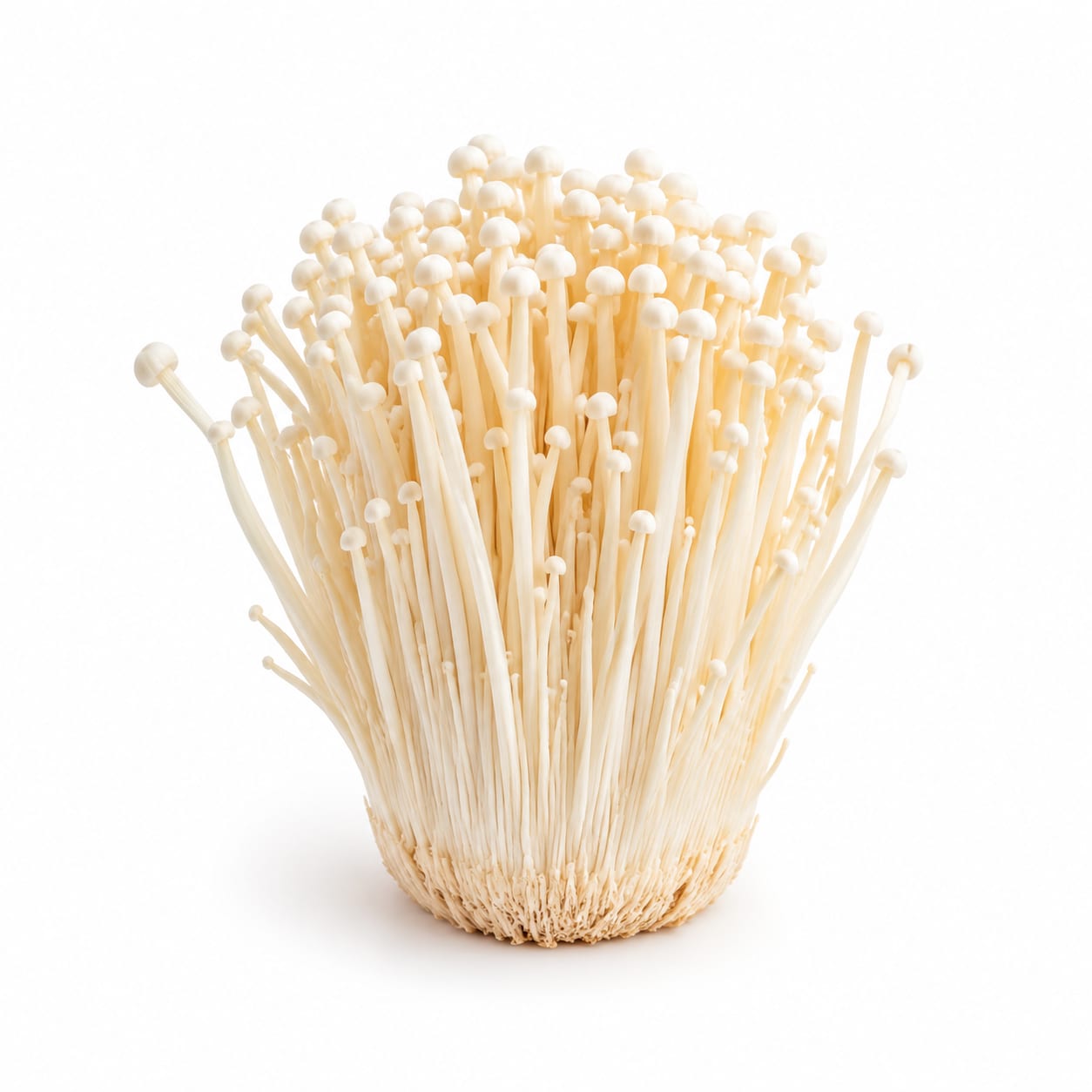
Enoki Mushroom
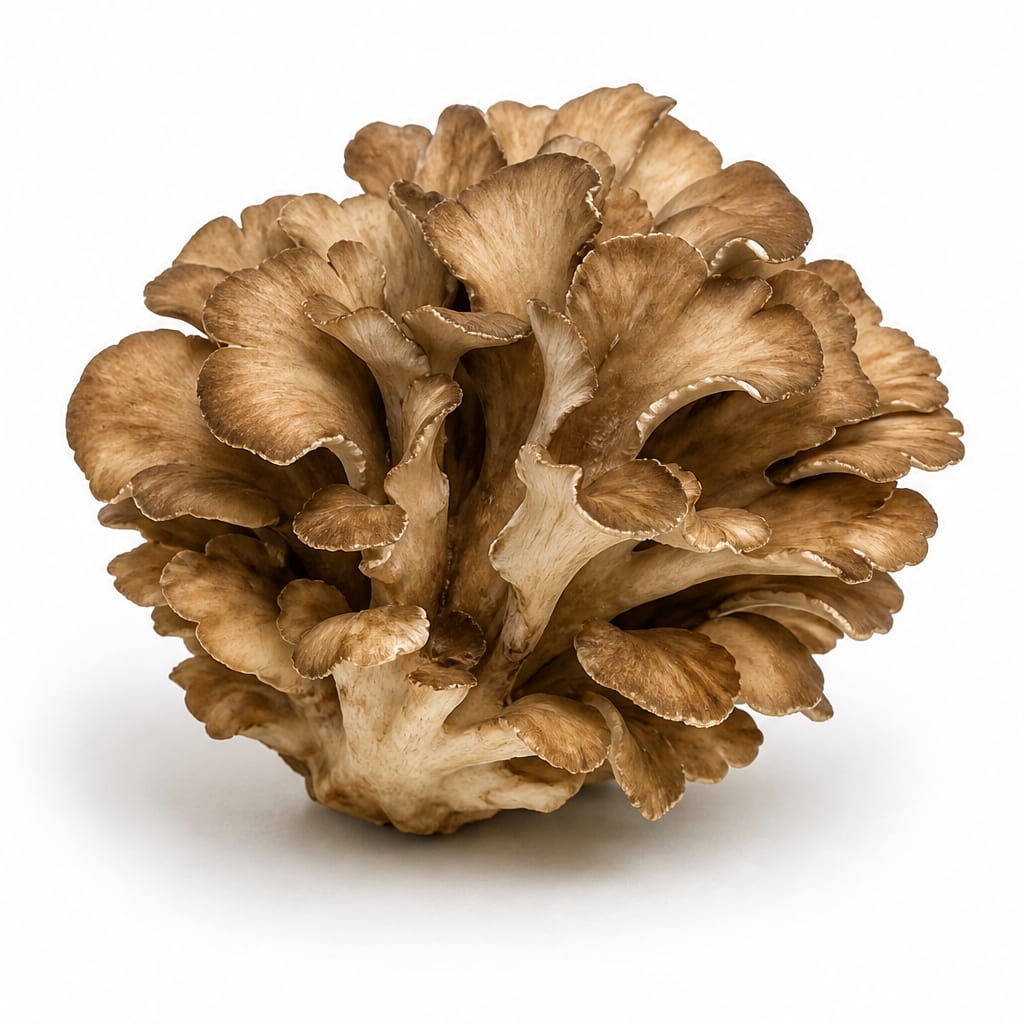
Maitake Mushroom
Maitake mushrooms deliver stronger immune benefits, better blood sugar support, and superior nutrient density, while Enoki offers a lighter crunch but carries notable food safety risks.
Maitake wins convincingly on immune potency, blood sugar benefits, and safety. Enoki scores reasonably for being low-calorie and versatile in Asian cooking, but its weaker nutritional profile and recurring Listeria concerns pull it down.
Enoki gives you a delicate texture and mild flavor perfect for soups, but Maitake provides substantially more health-boosting compounds per bite with a stronger safety record.
At a glance
Executive summary
Overall
Maitake Mushroom
Healthier
Maitake Mushroom
More practical
Maitake Mushroom
Daily use
Maitake Mushroom
Key comparison lenses
immune system support
Both mushrooms are prized for immune-modulating beta-glucans, but Maitake's D-fraction is far more studied and potent
food safety concerns
Enoki mushrooms have been linked to multiple Listeria outbreaks, a critical real-world safety factor
blood sugar management
Maitake has clinical evidence for improving insulin sensitivity, making this a key differentiator
nutrient density comparison
Users want to know which mushroom delivers more nutritional value per serving
culinary versatility
These mushrooms serve very different cooking roles, affecting practical daily use
Best choice for
Enoki Mushroom
- Light soups and hot pots where texture matters more than nutrition
- Low-calorie bulk additions to meals without strong flavor interference
- Quick-cooking dishes needing only 1-2 minutes of heat
Maitake Mushroom
- Immune support during cold season or periods of high stress
- Blood sugar management and metabolic health goals
- Nutrient-dense meals where the mushroom plays a starring role
Least suitable for
Enoki Mushroom
- Anyone with compromised immunity worried about Listeria exposure
- Those seeking potent therapeutic mushroom benefits
- Meals where you want the mushroom to carry significant flavor
Maitake Mushroom
- Dishes requiring a delicate, barely-there texture
- Very quick-cook recipes where Maitake's longer cook time is inconvenient
- Tight grocery budgets in areas where Maitake is expensive
Deep comparison
Dimension by dimension
Each lens scores both foods and breaks down who each option suits.
- Dimension 1 · Priority 92Maitake Mushroom
immune_system_potency
Enoki Mushroom · 55Maitake Mushroom · 90Maitake's beta-glucan D-fraction is one of the most researched immune-modulating compounds in any mushroom, while Enoki's immune benefits are milder and less documented.
Tradeoff
Enoki still offers some immune support but cannot match Maitake's depth of clinical evidence or compound concentration.
Why it matters
If you're eating medicinal mushrooms primarily for immune defense during stressful periods, Maitake is the clearly stronger choice.
Real-world impact
Regular Maitake consumption may mean fewer sick days during winter, while Enoki provides only a gentle nudge to immunity.
Enoki Mushroom
- Adding mild immune support to an already varied mushroom diet
Better for
- Standing alone as your primary immune-support mushroom
Worse for
Maitake Mushroom
- Targeted immune support during cold and flu season
- Complementary support alongside other immune-focused habits
- Post-illness recovery nutrition
Better for
- Those who mistakenly assume all mushrooms are equally immune-boosting and overconsume
Worse for
- Dimension 2 · Priority 85Maitake Mushroom
blood_sugar_regulation
Enoki Mushroom · 50Maitake Mushroom · 85Maitake has demonstrated insulin-sensitizing effects in studies, while Enoki lacks comparable evidence for glucose management.
Tradeoff
Enoki is low-carb and won't spike blood sugar, but it doesn't actively help regulate it the way Maitake can.
Why it matters
For anyone monitoring glucose or managing prediabetes, Maitake offers functional benefits beyond just being a safe low-carb food.
Real-world impact
Adding Maitake to meals may help smooth out post-meal blood sugar spikes, while Enoki simply avoids making things worse.
Enoki Mushroom
- Low-carb recipes where neutral blood sugar impact is sufficient
Better for
- Anyone expecting active glucose-lowering benefits
Worse for
Maitake Mushroom
- Prediabetes or insulin resistance management
- Post-meal glucose spike reduction
- Metabolic syndrome dietary support
Better for
- Those who might over-rely on Maitake instead of comprehensive dietary changes
Worse for
- Dimension 3 · Priority 88Maitake Mushroom
food_safety
Enoki Mushroom · 45Maitake Mushroom · 82Enoki mushrooms have been recalled multiple times for Listeria contamination, including fatal outbreaks, while Maitake has a significantly cleaner safety record.
Tradeoff
Enoki's thin, delicate structure and typical growing conditions make contamination more likely, requiring careful handling and thorough cooking.
Why it matters
For pregnant women, elderly individuals, or immunocompromised people, this is a serious consideration that goes beyond minor nutritional differences.
Real-world impact
Eating raw or undercooked Enoki has led to hospitalizations. Maitake carries routine produce-level risk, not elevated danger.
Enoki Mushroom
- Situations where you can guarantee thorough cooking and careful sourcing
Better for
- Raw or lightly cooked applications
- Vulnerable populations who may not be aware of Listeria risk
Worse for
Maitake Mushroom
- Households with pregnant women, elderly, or immunocompromised members
- Anyone who prefers lower-risk ingredients for peace of mind
- Meal prep where mushrooms might not always be cooked to high temps
Better for
- No significant safety disadvantage compared to Enoki
Worse for
- Dimension 4 · Priority 78Maitake Mushroom
nutrient_density
Enoki Mushroom · 52Maitake Mushroom · 80Maitake delivers more B vitamins, potassium, fiber, and bioactive compounds per serving than Enoki's water-heavy, thinner structure provides.
Tradeoff
Enoki is extremely low in calories, which can be useful for volume eating, but you get fewer nutrients per bite.
Why it matters
If mushrooms are a regular part of your diet, choosing the more nutrient-dense option compounds benefits over time.
Real-world impact
A serving of Maitake feels more substantively nourishing, while Enoki mostly adds bulk and texture without much nutritional punch.
Enoki Mushroom
- Volume eating strategies where maximum food quantity with minimal calories matters
Better for
- Those expecting significant vitamin or mineral contributions from their mushrooms
Worse for
Maitake Mushroom
- Maximizing nutritional value from every meal
- Getting more B vitamins and minerals from whole food sources
Better for
- Very low-calorie diet phases where even Maitake's modest calories matter
Worse for
- Dimension 5 · Priority 72It depends
culinary_versatility_and_convenience
Enoki Mushroom · 70Maitake Mushroom · 72Enoki excels in quick-cooking Asian soups and hot pots with its unique crunchy texture, while Maitake offers richer flavor and works across more cuisines but needs longer cooking.
Tradeoff
Enoki cooks in under two minutes but has one primary use case. Maitake takes longer but rewards you with deeper umami and broader recipe compatibility.
Why it matters
The best mushroom for you partly depends on what you actually cook and whether texture or flavor drives your choices.
Real-world impact
Enoki is perfect for a 5-minute weeknight miso soup. Maitake shines in a 20-minute sauté alongside dinner.
Enoki Mushroom
- Japanese and Korean hot pot dishes
- Last-minute soup additions where cook time is minimal
- Visual appeal with its distinctive long-stemmed look
Better for
- Any dish where you want bold mushroom flavor
- Recipes requiring longer cooking times where Enoki turns mushy
Worse for
Maitake Mushroom
- Standalone side dishes where mushroom flavor is the star
- Pasta, risotto, and Western-style recipes
- Roasting and grilling applications
Better for
- Quick 5-minute meals where Maitake won't cook through properly
Worse for
- Dimension 6 · Priority 75Maitake Mushroom
antioxidant_and_anti_inflammatory_potential
Enoki Mushroom · 55Maitake Mushroom · 82Maitake contains higher levels of ergothioneine and other antioxidant compounds that help combat oxidative stress more effectively than Enoki.
Tradeoff
Enoki still provides some antioxidant value, particularly in its less-studied polysaccharides, but the gap is meaningful.
Why it matters
Chronic inflammation drives many long-term health issues, and consistently choosing higher-antioxidant foods adds up over years.
Real-world impact
Maitake contributes more meaningfully to an anti-inflammatory eating pattern, while Enoki's contribution is modest.
Enoki Mushroom
- Adding variety to an already antioxidant-rich diet
Better for
- Relying on Enoki as a primary antioxidant food source
Worse for
Maitake Mushroom
- Anti-inflammatory eating protocols
- Long-term cellular health and aging concerns
- Reducing oxidative stress from intense physical training
Better for
- Those assuming Maitake alone is sufficient without other antioxidant-rich foods
Worse for
Timeline
Health impact over time
Short-term
Hours to days
Enoki Mushroom
- Very light on the stomach due to low fiber and calorie content
- Quick-cooking nature preserves more heat-sensitive compounds when briefly blanched
- Minimal satiety contribution — easy to overeat other foods alongside Enoki dishes
Maitake Mushroom
- More filling due to higher fiber and denser nutritional profile
- May cause mild bloating if consumed in large quantities due to higher fiber content
- Umami richness can increase meal satisfaction and reduce post-meal snacking
Long-term
Months to years
Enoki Mushroom
- Consistent but modest immune support from regular polysaccharide intake
- Potential Listeria exposure risk if handling and cooking practices are inconsistent
- Low nutritional contribution means Enoki should not be your only mushroom
Maitake Mushroom
- Stronger cumulative immune and metabolic benefits with regular consumption
- Better long-term blood sugar regulation support
- More meaningful contribution to an anti-inflammatory dietary pattern
Risk profile
Safety & processing
Both Enoki and Maitake mushrooms are typically sold fresh and unprocessed, making them equally clean whole food choices. The main concern is not additives but rather Enoki's contamination risk during cultivation and packaging.
Enoki Mushroom
Listeria monocytogenes contamination
highMultiple outbreaks linked to Enoki mushrooms have caused serious illness and deaths, particularly affecting pregnant women, elderly, and immunocompromised individuals. Always cook thoroughly.
Improper storage leading to spoilage
mediumEnoki's high moisture content makes it prone to rapid spoilage if not refrigerated properly and consumed within a few days.
Maitake Mushroom
Standard produce contamination
lowLike all fresh produce, Maitake can carry surface bacteria, but no major outbreak patterns have been associated with it.
Wild foraging misidentification
mediumIf foraging wild Maitake, misidentification is possible. Store-bought cultivated Maitake eliminates this concern entirely.
Who wins for whom
Audience fit
Same foods, different winners depending on your goal.
children
Maitake MushroomMaitake's better safety profile and richer nutrient content make it more appropriate for children, while Enoki's Listeria risk requires extra caution with young immune systems.
daily consumption
Maitake MushroomMaitake's superior nutrient density, better safety record, and broader health benefits make it the more rewarding daily mushroom choice.
diabetes
Maitake MushroomMaitake's demonstrated insulin-sensitizing effects give it a functional edge for blood sugar management beyond just being low-carb.
elderly
Maitake MushroomOlder adults face higher risk from foodborne illness, making Maitake's cleaner safety record and stronger immune support more appropriate.
muscle gain
It dependsNeither mushroom is a significant protein source. Choose based on what fits your meal plan — Enoki for bulk, Maitake for flavor satisfaction alongside protein-rich foods.
weight loss
Enoki MushroomEnoki's extremely low calorie density makes it ideal for adding volume to meals without adding energy, though Maitake's higher satiety also supports weight management differently.
Your move
Decision guide
Choose Enoki Mushroom
- You primarily make Asian hot pot or ramen and want that signature crunchy texture
- Calorie density is your top priority and you want maximum food volume
- You can reliably source from trusted suppliers and always cook thoroughly
Choose Maitake Mushroom
- Immune support is a primary reason you eat mushrooms
- You want active help with blood sugar regulation
- Food safety matters a lot in your household, especially with vulnerable members
- You enjoy richer mushroom flavor and cook across multiple cuisines
Either works if
- You already eat a diverse mushroom portfolio and want to rotate varieties
- Both fit within your cooking repertoire and you enjoy switching between textures
Avoid both if
- You have a known mushroom allergy or sensitivity
- You cannot guarantee proper cooking due to kitchen setup or time constraints
Final recommendation
For most people seeking health benefits from mushrooms, Maitake is the stronger daily choice with better immune support, blood sugar benefits, and a cleaner safety record. Keep Enoki as an occasional treat for specific recipes where its unique texture shines, but always cook it thoroughly and source carefully.
Practical
Consumer tips
- 1
Always cook Enoki mushrooms thoroughly — never eat them raw, even in salads
- 2
Store both mushrooms in paper bags in the refrigerator to manage moisture and extend freshness
- 3
If buying Enoki, check for FDA recall notices, as Listeria outbreaks have occurred across multiple brands
- 4
Maitake can be torn into pieces rather than cut, which preserves more of its frilly texture for cooking
- 5
Both mushrooms freeze well after a quick blanch, making it easy to keep them on hand
- 6
Look for firm, dry stems on Enoki and avoid any packages with slimy or discolored mushrooms
- 7
Dried Maitake is widely available and retains most beta-glucan content — a practical shelf-stable option