
Nutrition comparison
Enoki Mushroom vs Bok Choy: Nutrition, Safety, and Which to Choose
Compare Enoki Mushrooms and Bok Choy side by side. Learn which is more nutritious, safer to eat, and better for your health goals. Expert analysis of vitamins, immune benefits, and food safety risks.
Overall winner · Bok Choy
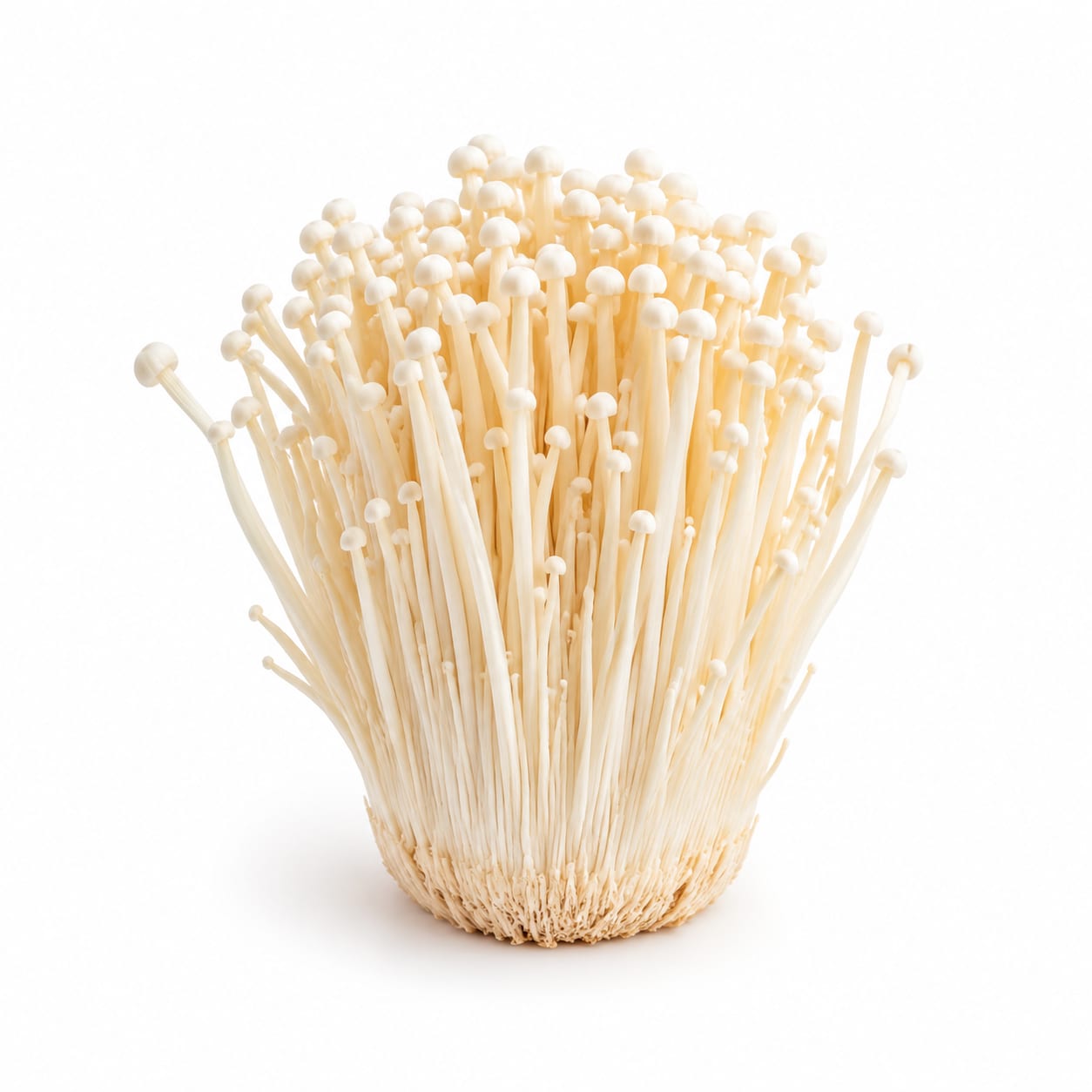
Enoki Mushroom
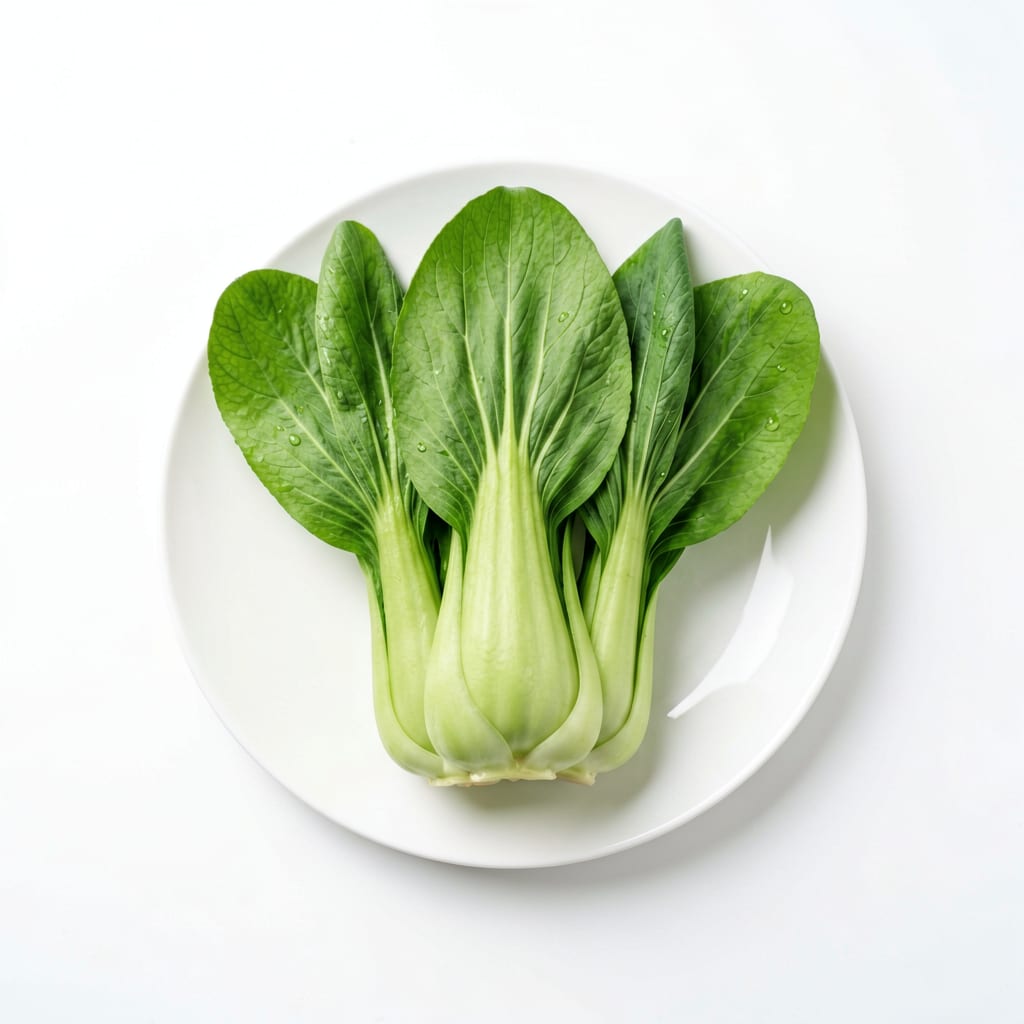
Bok Choy
Bok Choy delivers far more vitamins and minerals per calorie with fewer safety concerns, while Enoki Mushrooms offer unique immune-supporting compounds but require careful handling due to contamination risk.
Bok Choy scores notably higher due to its superior vitamin and mineral profile, stronger safety record, and greater versatility. Enoki Mushrooms remain valuable for their unique beta-glucan content and culinary role, but their contamination risk and lower nutrient density create a meaningful gap.
Enoki Mushrooms provide specialized beta-glucans for immune support, but Bok Choy gives you dramatically more vitamins A, C, and K with a much cleaner safety profile.
At a glance
Executive summary
Overall
Bok Choy
Healthier
Bok Choy
More practical
Bok Choy
Daily use
Bok Choy
Key comparison lenses
nutrient density comparison
Bok Choy is dramatically more vitamin-rich, while Enoki offers unique functional compounds like beta-glucans
food safety concern
Enoki mushrooms have been linked to serious Listeria outbreaks, making safety a critical differentiator
immune and gut health
Both foods support immunity through different pathways — beta-glucans versus vitamin C and glucosinolates
low calorie vegetable selection
Both are extremely low in calories, so users are choosing based on what else they get nutritionally
asian cooking ingredient choice
Both are staples in East Asian cuisine but serve very different culinary roles
Best choice for
Enoki Mushroom
- People seeking beta-glucan immune support
- Hot pot and soup enthusiasts wanting texture
- Those looking for mild-flavored fungal nutrition
Bok Choy
- Anyone prioritizing vitamin density per calorie
- People concerned about food safety risks
- Families wanting a versatile daily vegetable
Least suitable for
Enoki Mushroom
- Pregnant women due to Listeria risk
- Anyone seeking significant vitamin intake from one vegetable
- People who want a low-maintenance ingredient
Bok Choy
- Those specifically wanting mushroom-derived beta-glucans
- People seeking a neutral texture additive for soups
Deep comparison
Dimension by dimension
Each lens scores both foods and breaks down who each option suits.
- Dimension 1 · Priority 95Bok Choy
vitamin_and_mineral_density
Enoki Mushroom · 25Bok Choy · 88Bok Choy is a nutritional powerhouse compared to Enoki Mushrooms, which are surprisingly sparse in vitamins.
Tradeoff
Enoki provides unique fungal compounds but almost no vitamins A, C, or K — nutrients Bok Choy delivers abundantly.
Why it matters
If you are eating vegetables partly for vitamin intake, Bok Choy accomplishes that goal far more effectively.
Real-world impact
A single cup of cooked Bok Choy covers most of your daily vitamin A and over half your vitamin C. Enoki Mushrooms barely move the needle on any vitamin.
Enoki Mushroom
- Adding bulk and texture without strong flavor
Better for
- Relying on Enoki as a significant vitamin source
Worse for
Bok Choy
- Meeting daily vitamin needs efficiently
- Supporting skin, vision, and bone health through diet
- Getting more nutrition per bite
Better for
- Getting beta-glucans from a vegetable source
Worse for
- Dimension 2 · Priority 82It depends
immune_system_support
Enoki Mushroom · 72Bok Choy · 70Both support immunity through different mechanisms — Enoki via beta-glucans, Bok Choy via vitamin C and glucosinolates.
Tradeoff
Enoki offers specialized immune modulation from beta-glucans, while Bok Choy provides broader immune support through antioxidant vitamins.
Why it matters
Your immune system benefits from both pathways, so the best choice depends on what else you eat regularly.
Real-world impact
If your diet already has plenty of vitamin C, Enoki adds a complementary immune pathway. If you lack vitamin-rich vegetables, Bok Choy fills a bigger gap.
Enoki Mushroom
- Diversifying immune support beyond vitamin-based approaches
- Complementing a diet already rich in colorful vegetables
Better for
- Serving as your primary immune-supporting vegetable
Worse for
Bok Choy
- Covering baseline immune nutrition through antioxidants
- People who eat few other vitamin C sources
Better for
- Providing beta-glucan-specific immune benefits
Worse for
- Dimension 3 · Priority 90Bok Choy
food_safety_and_contamination_risk
Enoki Mushroom · 40Bok Choy · 85Enoki Mushrooms carry a documented Listeria risk that Bok Choy does not, making them a less carefree choice.
Tradeoff
Enoki's unique texture and flavor come with a real need for thorough cooking and careful sourcing, while Bok Choy is comparatively worry-free.
Why it matters
Listeria can cause serious illness, especially in pregnant women, older adults, and immunocompromised individuals.
Real-world impact
Multiple recalls of Enoki Mushrooms have occurred due to Listeria outbreaks. You must cook them thoroughly and never eat them raw. Bok Choy simply needs standard washing.
Enoki Mushroom
- Dishes where prolonged cooking is standard, like hot pots
Better for
- Raw or lightly cooked applications
- Vulnerable populations who might skip thorough cooking
Worse for
Bok Choy
- Quick stir-fries and light cooking
- Households with pregnant or elderly members
- Anyone wanting less food safety anxiety
Better for
- No significant safety disadvantage
Worse for
- Dimension 4 · Priority 72Bok Choy
culinary_versatility
Enoki Mushroom · 55Bok Choy · 82Bok Choy works in stir-fries, soups, braises, and salads, while Enoki Mushrooms are more niche.
Tradeoff
Enoki excels as a textural addition to soups and hot pots but has limited range beyond that. Bok Choy adapts to far more cooking methods and cuisines.
Why it matters
A more versatile vegetable gets used more often, reducing food waste and increasing actual nutritional benefit.
Real-world impact
You can toss Bok Choy into almost any savory dish. Enoki Mushrooms really shine in Asian soups and hot pot but feel out of place elsewhere.
Enoki Mushroom
- Adding delicate texture to broth-based dishes
- Creating visual appeal with long, thin strands
Better for
- Standing alone as a side vegetable
- Fitting into non-Asian recipe styles
Worse for
Bok Choy
- Weeknight stir-fries and quick meals
- Adding greens to a wide variety of cuisines
- Both raw and cooked applications
Better for
- Providing the specific slippery, crunchy texture of mushrooms
Worse for
- Dimension 5 · Priority 68Bok Choy
digestive_health_and_fiber
Enoki Mushroom · 50Bok Choy · 72Bok Choy provides more fiber and gut-friendly glucosinolates, while Enoki offers modest fiber with prebiotic potential.
Tradeoff
Both are gentle on digestion, but Bok Choy contributes more meaningful fiber per serving.
Why it matters
Fiber intake is chronically low for most people, and every serving that contributes meaningfully matters.
Real-world impact
A cup of cooked Bok Choy gives you roughly 2 grams of fiber with digestive-protective compounds. Enoki provides less and is often eaten in smaller quantities.
Enoki Mushroom
- Prebiotic support from mushroom fibers
- Very gentle digestion for sensitive stomachs
Better for
- Making a significant dent in daily fiber needs
Worse for
Bok Choy
- Contributing more fiber per serving
- Glucosinolate compounds that may protect gut lining
Better for
- Being as light and easy to digest as Enoki in sensitive moments
Worse for
- Dimension 6 · Priority 60Bok Choy
bone_health_support
Enoki Mushroom · 20Bok Choy · 82Bok Choy is an excellent source of bone-building vitamin K and calcium, while Enoki provides negligible amounts of both.
Tradeoff
This is a clear gap — Enoki contributes almost nothing to bone health, while Bok Choy is one of the better vegetable sources.
Why it matters
Vitamin K and calcium from vegetables are highly bioavailable and important for long-term bone density.
Real-world impact
Regular Bok Choy consumption meaningfully supports bone health, especially for people who avoid dairy. Enoki does not help here.
Enoki Mushroom
- No meaningful bone health advantage
Better for
- Contributing to bone nutrient intake in any meaningful way
Worse for
Bok Choy
- Providing highly absorbable calcium
- Supplying vitamin K1 for bone mineralization
- Supporting dairy-free bone health strategies
Better for
- No significant bone health disadvantage
Worse for
Timeline
Health impact over time
Short-term
Hours to days
Enoki Mushroom
- Very light on the stomach and easy to digest when cooked
- Adds satisfying texture to meals without heaviness
- Must be cooked thoroughly to eliminate Listeria risk
Bok Choy
- Provides noticeable fullness from fiber and water content
- Mildly detoxifying thanks to glucosinolate compounds
- Can cause mild bloating if consumed in very large quantities raw
Long-term
Months to years
Enoki Mushroom
- Beta-glucan intake may support immune resilience over time
- Eritadenine in Enoki may help maintain healthy cholesterol levels
- Consistent consumption requires vigilance about sourcing and cooking
Bok Choy
- Regular vitamin K intake supports bone density as you age
- Glucosinolates may reduce long-term cancer risk, particularly for digestive cancers
- Consistent consumption builds a strong foundation of antioxidant protection
Risk profile
Safety & processing
Both Enoki Mushrooms and Bok Choy are whole, minimally processed foods typically sold fresh without additives. Neither raises concerns about artificial ingredients, preservatives, or ultra-processing.
Enoki Mushroom
Listeria monocytogenes contamination
highEnoki Mushrooms have been linked to multiple Listeria outbreaks and recalls. The growing environment and packaging can harbor this dangerous bacteria. Always cook thoroughly and never eat raw.
Spoilage and sliminess
mediumEnoki Mushrooms spoil quickly and become slimy. Consuming spoiled mushrooms can cause gastrointestinal illness. Use within a few days of purchase.
Bok Choy
Pesticide residue
lowLike many leafy greens, Bok Choy can carry pesticide residue. Washing thoroughly or choosing organic reduces this concern significantly.
Goitrogenic compounds when raw
lowBok Choy contains goitrogens that can interfere with thyroid function if consumed raw in very large amounts. Cooking neutralizes this concern almost entirely.
Who wins for whom
Audience fit
Same foods, different winners depending on your goal.
children
Bok ChoyBok Choy provides vitamins critical for growing bodies and has a milder safety profile. Enoki's Listeria risk makes it less ideal for children without careful cooking.
daily consumption
Bok ChoyBok Choy's broader nutrient coverage, easier preparation, and stronger safety profile make it a more practical daily vegetable. Enoki is better enjoyed a few times a week in specific dishes.
diabetes
Bok ChoyBok Choy's higher fiber content and richer antioxidant profile provide better blood sugar support and anti-inflammatory benefits relevant to diabetes management.
elderly
Bok ChoyBok Choy supports bone health with vitamin K and calcium, which matters greatly for older adults. The Listeria risk with Enoki is also more dangerous for elderly immune systems.
muscle gain
It dependsNeither food is relevant for muscle gain directly. Both are low-protein, low-calorie additions to a muscle-building diet. Choose based on what complements your protein sources.
weight loss
Bok ChoyBoth are extremely low in calories, but Bok Choy is more filling and more nutrient-dense, making it easier to sustain a calorie deficit without feeling deprived.
Your move
Decision guide
Choose Enoki Mushroom
- You regularly make hot pots, ramen, or Asian soups and want authentic texture
- You already eat plenty of vitamin-rich vegetables and want immune diversity
- You are diligent about cooking mushrooms thoroughly and checking sourcing
Choose Bok Choy
- You want maximum nutrition from every vegetable serving
- Food safety is a priority, especially for vulnerable household members
- You need a versatile green that works in many dishes beyond soup
- You are looking for bone-supportive nutrients without dairy
Either works if
- You are simply adding low-calorie volume to meals
- You enjoy both and rotate them for dietary variety
- You are building Asian-inspired dishes and want complementary ingredients
Avoid both if
- You need significant protein or calorie intake from your vegetables
- You have a mushroom allergy and are considering Enoki
- You are looking for a single vegetable to meet most of your nutritional needs
Final recommendation
Make Bok Choy your everyday green for its nutrient density, safety, and versatility. Enjoy Enoki Mushrooms as a specialty ingredient in properly cooked soups and hot pots a few times per week. Together, they complement each other beautifully — Bok Choy covers your vitamin needs while Enoki adds unique immune compounds and satisfying texture.
Practical
Consumer tips
- 1
Never eat Enoki Mushrooms raw — always cook them thoroughly to eliminate Listeria risk
- 2
Check Enoki packaging for country of origin and any recall notices before purchasing
- 3
Use Enoki Mushrooms within 2-3 days of purchase as they spoil quickly
- 4
Bok Choy can be stored for up to a week in the refrigerator crisper
- 5
Cooking Bok Choy lightly preserves its vitamin C while neutralizing goitrogens
- 6
Pair both foods with a healthy fat source like sesame oil to improve absorption of fat-soluble vitamins from Bok Choy
- 7
Add Enoki Mushrooms at the end of soup cooking to preserve their texture while ensuring they reach safe temperatures