
Nutrition comparison
Enoki Mushrooms vs Celery: Nutrition, Safety, and Which to Choose
Compare enoki mushrooms and celery on nutrition, safety, weight loss, and convenience. Learn which low-calorie vegetable fits your goals and when to choose each.
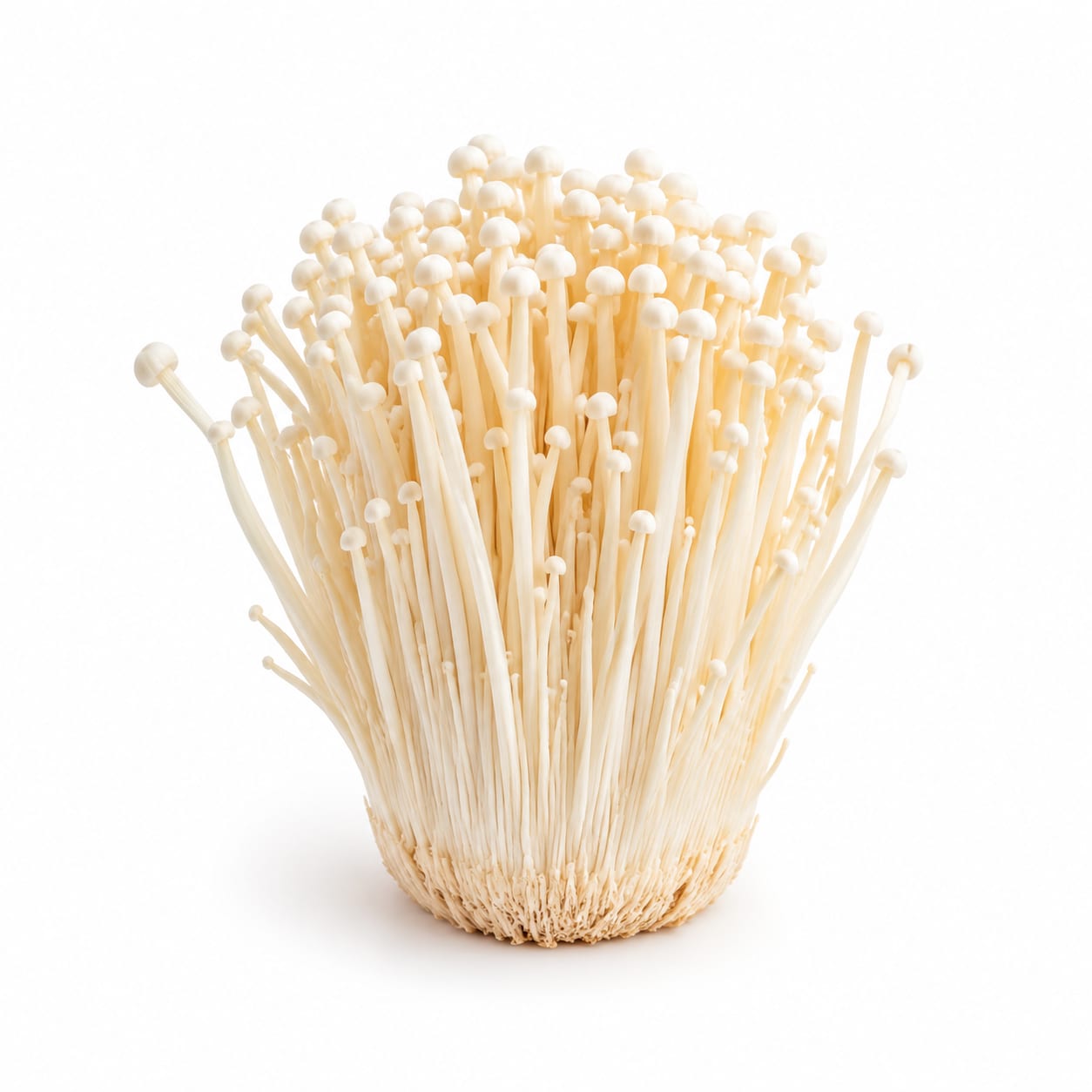
Enoki Mushroom
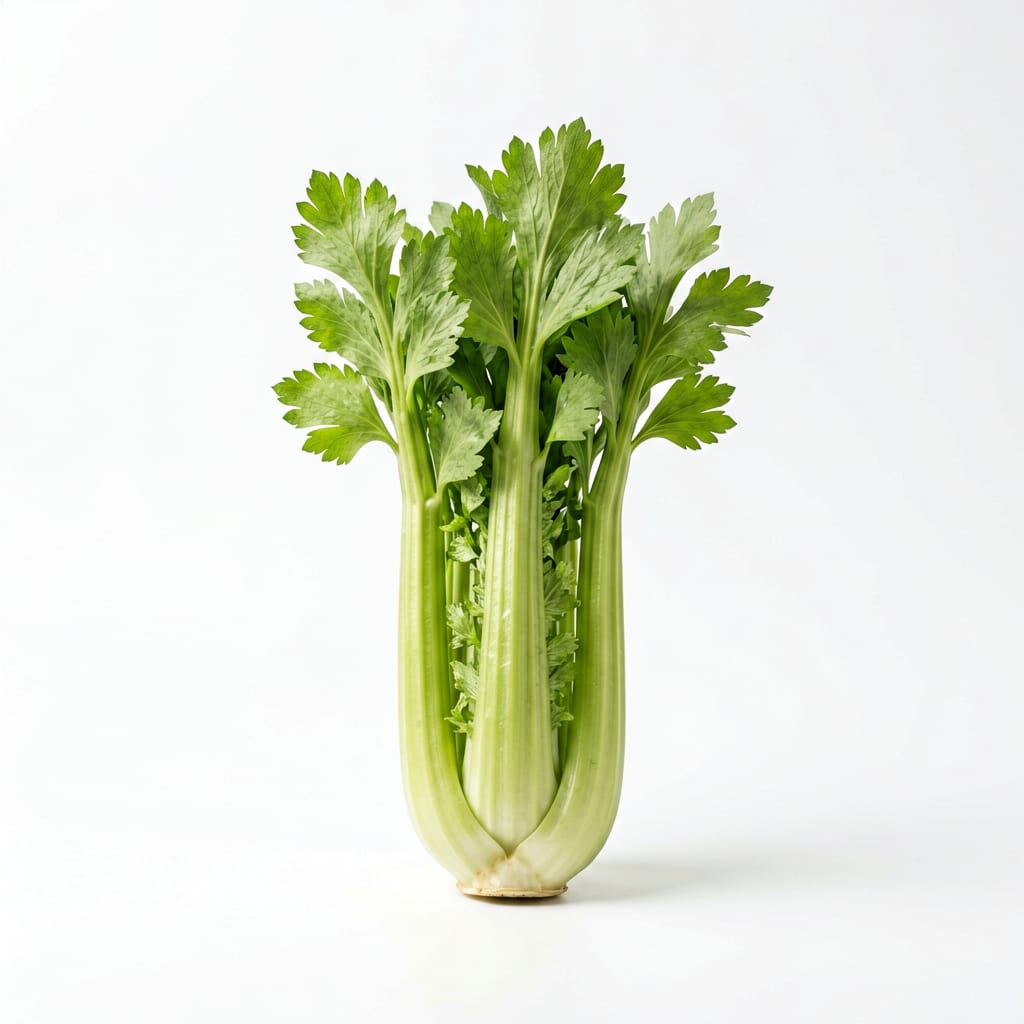
Celery
Enoki mushrooms deliver more immune-supporting compounds and protein per bite, while celery wins on raw convenience, hydration, and everyday safety simplicity.
Enoki mushrooms score slightly higher due to stronger nutrient density and unique bioactive compounds, but celery stays competitive thanks to superior convenience, hydration, and a cleaner safety profile.
Enoki mushrooms offer deeper nutritional value but require cooking and carry rare but serious contamination risk; celery is safer and grab-and-go ready but nutritionally thinner.
At a glance
Executive summary
Overall
It depends
Healthier
Enoki Mushroom
More practical
Celery
Daily use
Celery
Key comparison lenses
low-calorie snacking and weight management
Both foods are extremely low in calories, making them popular choices for weight-conscious eaters
food safety and contamination risk
Enoki mushrooms have been linked to serious listeria outbreaks, while celery carries pesticide residue concerns
immune and antioxidant benefits
Enoki mushrooms contain beta-glucans and ergothioneine, while celery offers flavonoids like apigenin
convenience and raw consumption
Celery is commonly eaten raw as a snack, while enoki mushrooms typically require cooking
hydration and digestive support
Celery is extremely hydrating with high water content, while enoki mushrooms provide more fiber density
Best choice for
Enoki Mushroom
- Immune system support during cold season
- Adding umami depth to soups and hot pots
- Boosting antioxidant intake with beta-glucans
- Plant-based eaters seeking more protein per calorie
Celery
- Quick raw snacking without prep
- Staying hydrated throughout the day
- Weight loss crunch cravings between meals
- Budget-conscious weekly meal prep
Least suitable for
Enoki Mushroom
- Anyone with compromised immunity worried about listeria
- Raw snacking on the go
- People unfamiliar with proper mushroom cooking
Celery
- Those on low-sodium diets eating large volumes
- People seeking substantial protein or caloric intake
- Anyone looking for immune-boosting functional compounds
Deep comparison
Dimension by dimension
Each lens scores both foods and breaks down who each option suits.
- Dimension 1 · Priority 90Enoki Mushroom
Nutrient Density
Enoki Mushroom · 72Celery · 48Enoki mushrooms pack more B vitamins, protein, and unique antioxidants per calorie than celery, which is mostly water with modest vitamin K.
Tradeoff
You get more functional nutrition from enoki mushrooms but must cook them first; celery gives you less nutritionally but requires zero prep.
Why it matters
If you are eating very few calories, every bite needs to count. Enoki mushrooms deliver more per gram.
Real-world impact
A cup of enoki mushrooms in soup feels like a meaningful addition to your meal. A cup of celery feels like crunchy water — pleasant but not nourishing.
Enoki Mushroom
- Plant-based diets needing B-vitamin support
- Anyone counting on food for immune-boosting compounds
Better for
- Situations where cooking is not possible
Worse for
Celery
- People who just want something crisp without thinking about nutrition
Better for
- Meals where you need actual nutritional substance
Worse for
- Dimension 2 · Priority 88Celery
Safety and Contamination Risk
Enoki Mushroom · 45Celery · 78Enoki mushrooms have been linked to deadly listeria outbreaks, especially imported varieties. Celery's main risk is pesticide residue, which washing largely resolves.
Tradeoff
Celery is the safer everyday choice by a wide margin. Enoki mushrooms are safe when properly cooked and sourced, but the worst-case risk is severe.
Why it matters
For pregnant women, elderly, or immunocompromised individuals, listeria is a serious threat. Pesticide residue is a chronic concern but rarely acute.
Real-world impact
You can grab celery sticks from the fridge without worry. With enoki mushrooms, you need to verify the source and always cook thoroughly — no raw tasting while cooking.
Enoki Mushroom
- Experienced cooks who always source from trusted suppliers and cook thoroughly
Better for
- Vulnerable populations who might skip cooking steps
Worse for
Celery
- Pregnant women
- Elderly individuals
- Immunocompromised people
- Anyone wanting worry-free snacking
Better for
- People who do not wash produce carefully and worry about pesticide accumulation
Worse for
- Dimension 3 · Priority 82Celery
Convenience and Versatility
Enoki Mushroom · 42Celery · 88Celery is the ultimate grab-and-go vegetable. Enoki mushrooms require trimming, washing, and cooking before eating.
Tradeoff
Celery fits into busy lifestyles instantly. Enoki mushrooms demand more effort but reward you with richer flavor and texture in cooked dishes.
Why it matters
The food you actually eat always beats the food you skip because it takes too long to prepare.
Real-world impact
Celery sticks with peanut butter is a 30-second snack. Enoki mushrooms mean turning on the stove and making a soup or stir-fry.
Enoki Mushroom
- Home cooks making Asian-inspired meals
- Anyone already preparing a hot dish who can toss them in
Better for
- Busy weeknights with no time to cook
Worse for
Celery
- Office snacking
- Road trip crunch
- Kids' lunchboxes
- Quick afternoon hunger fix
Better for
- Cooked dishes where you want umami depth
Worse for
- Dimension 4 · Priority 75Celery
Hydration and Digestive Comfort
Enoki Mushroom · 58Celery · 82Celery is roughly 95% water, making it one of the most hydrating foods you can eat. Enoki mushrooms provide decent fiber but less hydration.
Tradeoff
Celery keeps you hydrated and is very gentle on digestion. Enoki mushrooms offer more fiber per bite but can cause bloating in sensitive people.
Why it matters
Many people are chronically under-hydrated. Eating water-rich foods helps more than most realize.
Real-world impact
On a hot day or after exercise, celery sticks feel refreshing and restorative. Enoki mushrooms in broth are comforting but the mushroom itself is not hydrating.
Enoki Mushroom
- People wanting more fiber in cooked meals
- Soup-based hydration with added nutrition
Better for
- People with mushroom sensitivities or FODMAP concerns
Worse for
Celery
- Hot weather snacking
- Post-workout rehydration
- People prone to constipation needing gentle fiber with water
Better for
- Anyone needing substantial fiber intake from a small portion
Worse for
- Dimension 5 · Priority 78Enoki Mushroom
Immune and Antioxidant Support
Enoki Mushroom · 80Celery · 45Enoki mushrooms contain beta-glucans and ergothioneine, compounds with real immune-modulating and antioxidant properties. Celery has apigenin but in smaller functional amounts.
Tradeoff
If immune support is your priority, enoki mushrooms are the clear winner. But you must eat them regularly and cooked to get the benefit.
Why it matters
Beta-glucans are the same compounds that make medicinal mushrooms famous. Enoki mushrooms are an accessible food source of them.
Real-world impact
Adding enoki mushrooms to your weekly soup routine is a practical way to support immune resilience through cold season. Celery is not going to move the needle on immunity.
Enoki Mushroom
- Cold and flu season immune support
- People looking for functional food benefits beyond basic nutrition
Better for
- People who only eat them occasionally and expect immune benefits
Worse for
Celery
- Situations where any vegetable is better than none
Better for
- Anyone specifically seeking immune-modulating compounds from food
Worse for
- Dimension 6 · Priority 85It depends
Weight Loss and Satiety
Enoki Mushroom · 65Celery · 70Both are extremely low in calories, but celery's crunch and water content make it more satisfying as a standalone snack. Enoki mushrooms add bulk to meals more effectively.
Tradeoff
Celery wins for between-meal snacking because of crunch and volume. Enoki mushrooms win for making hot meals more filling without adding calories.
Why it matters
Satiety is personal. Some people need crunch, others need warm food. The best weight loss food is the one you actually find satisfying.
Real-world impact
Munching celery sticks can stop you from reaching for chips. Adding enoki mushrooms to ramen makes the bowl feel complete without extra calories.
Enoki Mushroom
- Making hot meals more filling
- Soup-based diets where volume matters
Better for
- Emotional eaters who need crunchy satisfaction
Worse for
Celery
- Replacing crunchy snack foods
- Grazing throughout the day without overeating
Better for
- People who find cold raw vegetables unsatisfying and end up eating more later
Worse for
Timeline
Health impact over time
Short-term
Hours to days
Enoki Mushroom
- Quick satiety when added to hot meals due to fiber and volume
- Mild digestive adjustment if you are not used to mushrooms — gas or bloating possible
- Immediate umami satisfaction that makes lighter meals feel more complete
Celery
- Rapid hydration boost from high water content
- Crunch satisfaction that can reduce cravings for processed snacks
- Possible mild diuretic effect from natural sodium and water balance
Long-term
Months to years
Enoki Mushroom
- Consistent beta-glucan intake may support immune resilience over months
- Ergothioneine provides cellular protection linked to healthy aging
- Regular consumption diversifies gut microbiome favorably
Celery
- Sustained hydration habits support kidney and skin health
- Apigenin intake may contribute to anti-inflammatory benefits over time
- Consistent low-calorie snacking helps maintain weight without feeling deprived
Risk profile
Safety & processing
Both foods are whole, minimally processed vegetables. Enoki mushrooms are sometimes packaged in plastic with moisture-retaining pads, but contain no additives. Celery is as natural as it gets, though conventionally grown celery often carries pesticide residues that warrant thorough washing.
Enoki Mushroom
Listeria contamination
highMultiple deadly outbreaks linked to enoki mushrooms, especially imports from Korea. Always cook thoroughly and avoid raw consumption. People with weakened immunity should be especially cautious.
Spoilage from moisture retention
mediumEnoki mushrooms spoil quickly if not refrigerated properly. Slimy or discolored mushrooms should be discarded immediately.
Celery
Pesticide residue
mediumCelery frequently appears on the Environmental Working Group's Dirty Dozen list. Washing helps but does not remove all residues. Organic celery reduces this concern significantly.
Choking hazard for young children
lowStringy celery stalks can be difficult for toddlers to manage. Cutting into small pieces mitigates this.
Who wins for whom
Audience fit
Same foods, different winners depending on your goal.
children
CeleryCelery sticks with a dip are kid-friendly and safe. Enoki mushrooms require cooking and carry listeria risk that is harder to manage with children's food safety habits.
daily consumption
CeleryCelery can be eaten daily without special precautions. Enoki mushrooms are safe for regular use when cooked, but the extra preparation and sourcing vigilance make daily use less practical.
diabetes
CeleryCelery has an essentially negligible glycemic impact and the high water content slows any glucose absorption. Both are safe, but celery is easier to snack on between meals for blood sugar stability.
elderly
CeleryOlder adults are more vulnerable to listeria, making enoki mushrooms a riskier choice. Celery is gentle, hydrating, and safe when washed properly.
muscle gain
It dependsNeither food is meaningfully useful for muscle gain. Both are too low in protein and calories. Enoki mushrooms have slightly more protein per gram but neither moves the needle.
weight loss
CeleryCelery's crunch and extreme low calorie density make it the more practical weight loss snack. You can eat large volumes without guilt and it satisfies the urge to chew.
Your move
Decision guide
Choose Enoki Mushroom
- You regularly cook Asian-style soups, hot pots, or stir-fries
- Immune support through functional foods is a priority for you
- You want more nutrient density from low-calorie ingredients
- You have reliable access to fresh, well-sourced enoki mushrooms
- You enjoy the unique texture and mild flavor in cooked dishes
Choose Celery
- You need a ready-to-eat crunchy snack with zero prep
- You are focused on hydration and gentle digestion
- You want the safest possible low-calorie vegetable for daily use
- You are pregnant, elderly, or immunocompromised
- You pack snacks for work, school, or travel
Either works if
- You simply want more vegetables in your diet and enjoy both
- You alternate between raw snacks and cooked meals throughout the week
- Calorie minimization is your only goal and both fit
Avoid both if
- You need calorie-dense or protein-rich foods to meet daily needs
- You have a mushroom allergy (for enoki mushrooms specifically)
- You cannot wash produce thoroughly due to limited kitchen access
Final recommendation
Keep celery in your fridge for everyday snacking and hydration — it is the reliable workhorse. Add enoki mushrooms to your cooking rotation when you want deeper nutrition and immune support, but always cook them thoroughly and buy from trusted sources. Together, they cover different needs: celery for convenience and safety, enoki mushrooms for functional nourishment.
Practical
Consumer tips
- 1
Wash celery thoroughly under running water and consider buying organic to reduce pesticide exposure
- 2
Never eat enoki mushrooms raw — always cook them to at least 165°F (74°C) to kill potential listeria
- 3
Check enoki mushroom packaging for country of origin and recall notices before purchasing
- 4
Store enoki mushrooms in the refrigerator and use within 3-4 days of purchase
- 5
Trim the root end of enoki mushrooms before cooking and rinse briefly — do not soak
- 6
If you are immunocompromised, pregnant, or elderly, consider skipping enoki mushrooms entirely or consulting your doctor
- 7
Pair celery with hummus, peanut butter, or guacamole for a more satisfying and nutritionally balanced snack
- 8
Add enoki mushrooms at the end of soup cooking — they only need 2-3 minutes to be ready