
Nutrition comparison
Enoki Mushrooms vs Tofu: Nutrition, Protein, Safety, and Which to Choose
Compare enoki mushrooms and tofu on protein, calories, safety, and health benefits. Learn which is better for weight loss, muscle gain, and daily meals.
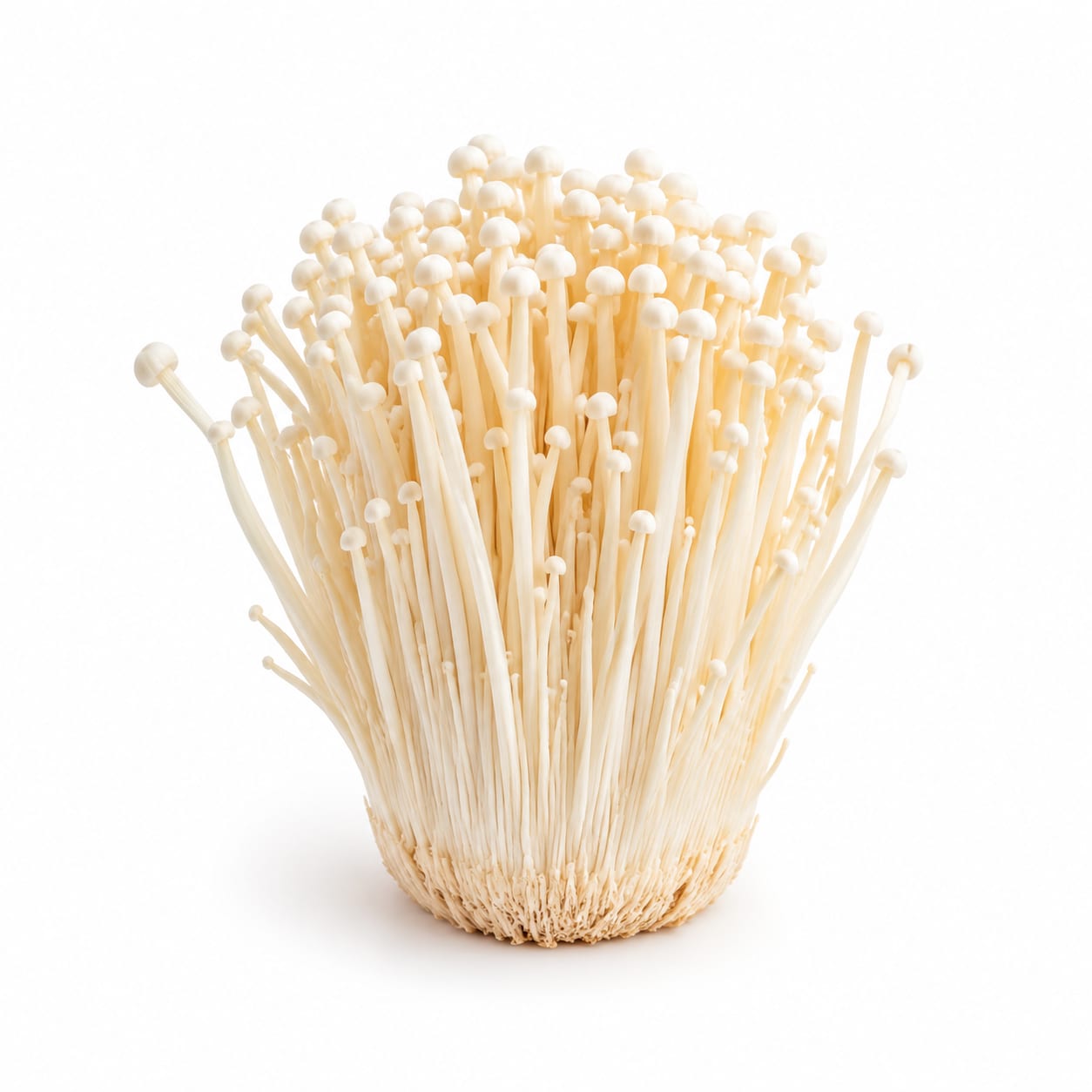
Enoki Mushroom
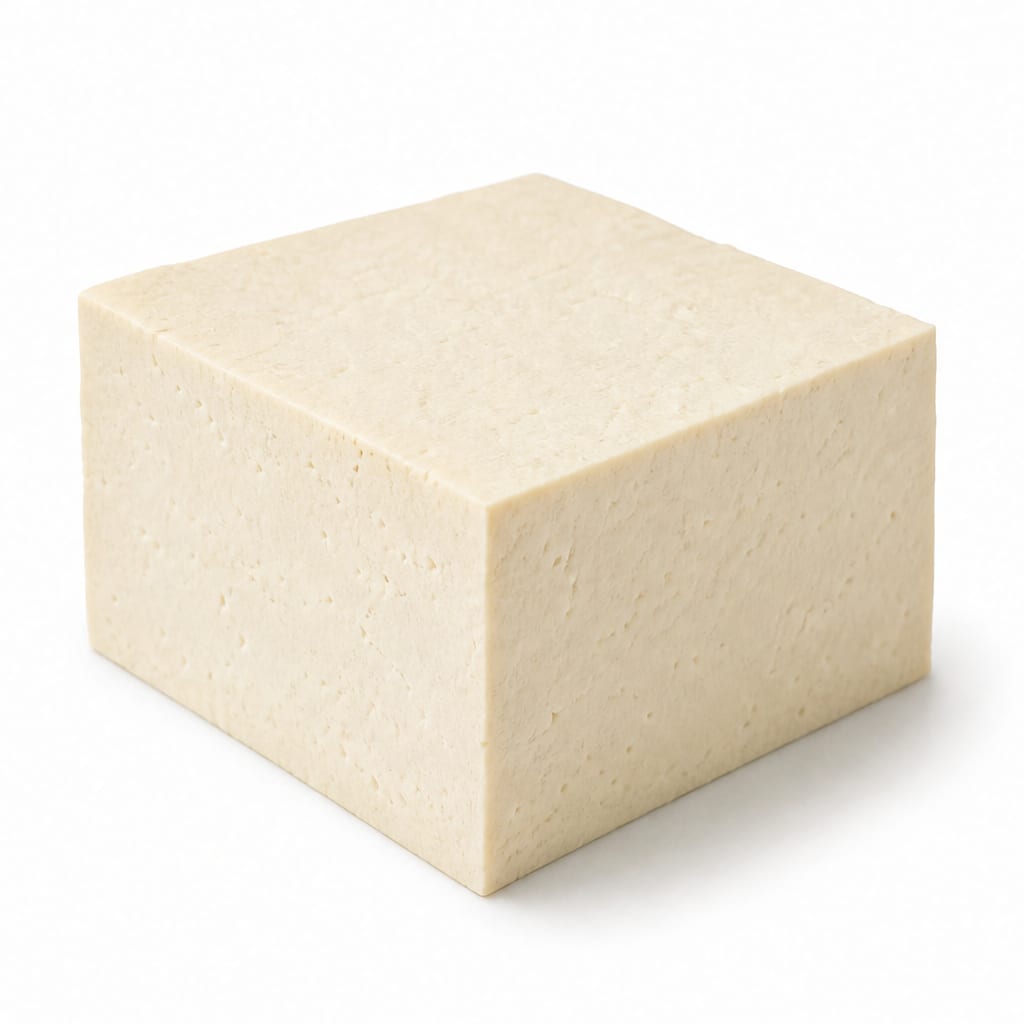
Tofu
Tofu wins on protein, satiety, and nutritional completeness. Enoki mushrooms win on ultra-low calories and unique immune-supporting compounds. They serve completely different roles on your plate.
Tofu scores notably higher because it delivers complete protein, lasting fullness, and key minerals. Enoki mushrooms are excellent at what they do — near-zero-calorie volume with immune compounds — but they cannot serve as a nutritional anchor the way tofu can.
Filling, protein-rich sustenance versus near-zero-calorie volume with immune perks — you choose substance or lightness.
At a glance
Executive summary
Overall
It depends
Healthier
Tofu
More practical
Tofu
Daily use
Tofu
Key comparison lenses
protein and satiety comparison
Tofu delivers substantially more protein and fullness per serving, while enoki mushrooms are nearly protein-free
weight loss strategy
Users often choose between ultra-low-calorie volume foods and protein-rich foods when cutting weight
food safety awareness
Enoki mushrooms have been linked to serious listeria outbreaks, a critical real-world concern
plant based protein sourcing
Tofu is a complete protein staple for vegetarians and vegans; enoki cannot fill that role
immune and gut health
Enoki contains beta-glucans that support immunity, while tofu offers different gut-friendly properties
Best choice for
Enoki Mushroom
- People wanting maximum food volume with minimal calories
- Those seeking immune-supporting beta-glucans
- Anyone building low-calorie soups and hot pots
- People who already have adequate protein from other sources
Tofu
- Vegetarians and vegans needing reliable complete protein
- Anyone wanting a filling, satisfying meat substitute
- People managing blood sugar who need protein with meals
- Those looking for calcium and iron from plant sources
Least suitable for
Enoki Mushroom
- Anyone relying on it as a protein source
- People with compromised immune systems concerned about listeria risk
- Those needing satiating, energy-sustaining meals
- People who find mushrooms difficult to digest
Tofu
- People with soy allergies or sensitivities
- Those avoiding soy for hormonal concerns post-breast cancer
- Anyone who experiences bloating from soy products
- People seeking ultra-low-calorie volume eating
Deep comparison
Dimension by dimension
Each lens scores both foods and breaks down who each option suits.
- Dimension 1 · Priority 95Tofu
protein_and_satiety
Enoki Mushroom · 15Tofu · 82Tofu provides roughly 3x the protein per calorie and keeps you full for hours. Enoki mushrooms offer almost no protein and minimal satiety.
Tradeoff
You gain lasting fullness and muscle support with tofu, but you lose the ultra-light, almost-zero-calorie eating experience of enoki.
Why it matters
Protein is the single biggest driver of fullness and metabolic health. A meal without it leaves you hungry again fast.
Real-world impact
A tofu-based lunch keeps you satisfied until dinner. An enoki-heavy lunch leaves you reaching for snacks by 3pm.
Enoki Mushroom
- Volume eaters who track every calorie and get protein elsewhere
Better for
- Post-workout recovery — virtually no protein to rebuild muscle
Worse for
Tofu
- Anyone who wants one food to handle protein, fullness, and minerals together
- Busy people who need meals that actually hold them
Better for
- Raw or cold preparations where firm tofu texture feels unappealing
Worse for
- Dimension 2 · Priority 88Enoki Mushroom
caloric_efficiency_and_weight_management
Enoki Mushroom · 95Tofu · 68Enoki mushrooms deliver massive volume for roughly 37 calories per 100g. Tofu is still moderate at ~76 calories but packs far more nutrition per calorie.
Tradeoff
Enoki lets you eat a huge bowl for almost no calories. Tofu costs more calories but pays you back in protein and minerals that support metabolism.
Why it matters
Pure calorie minimization works short-term, but without protein your body burns muscle instead of fat and your metabolism slows.
Real-world impact
Enoki is perfect for that giant bowl of soup when you want to feel stuffed. Tofu is better when you need that meal to actually fuel you.
Enoki Mushroom
- Late-night eating when you want volume without consequences
- Crash diet phases where every calorie is counted
Better for
- Long-term dieting without other protein sources — muscle loss risk
Worse for
Tofu
- Sustainable weight loss where preserving muscle and metabolism matters
- Replacing higher-calorie proteins like cheese or meat
Better for
- Very low calorie diets where even 76 calories per serving feels expensive
Worse for
- Dimension 3 · Priority 75Enoki Mushroom
immune_and_gut_health
Enoki Mushroom · 80Tofu · 65Enoki mushrooms contain beta-glucans that stimulate immune cell activity. Tofu provides isoflavones that support gut microbiome diversity.
Tradeoff
Enoki offers more direct immune activation, while tofu supports gut health indirectly through isoflavones and easier digestion for most people.
Why it matters
Beta-glucans are the same compounds that make medicinal mushrooms famous. You get a meaningful dose from regular enoki consumption.
Real-world impact
Regular enoki consumption during cold season may give your immune system a gentle nudge. Tofu supports a healthier gut over months.
Enoki Mushroom
- Cold and flu season when you want every immune advantage
- People already eating adequate protein who can focus on functional benefits
Better for
- Anyone with a compromised immune system who should avoid raw or undercooked mushrooms
Worse for
Tofu
- Long-term gut health and microbiome support
- People whose digestive systems struggle with mushroom fiber
Better for
- People with soy sensitivity who experience gut discomfort from tofu
Worse for
- Dimension 4 · Priority 82Tofu
mineral_and_nutrient_density
Enoki Mushroom · 35Tofu · 78Tofu delivers calcium, iron, magnesium, and zinc in meaningful amounts. Enoki mushrooms provide B vitamins and potassium but at low concentrations.
Tradeoff
Tofu is a genuine nutritional contributor. Enoki is more of a functional garnish — beneficial compounds but not enough minerals to move the needle.
Why it matters
If you are plant-based, getting calcium and iron from tofu is genuinely important. Enoki cannot replace that role.
Real-world impact
A block of tofu covers roughly 15-20% of your daily calcium. A serving of enoki covers maybe 2-3% of anything mineral-wise.
Enoki Mushroom
- Adding B-vitamin variety to an already nutrient-rich diet
Better for
- Anyone relying on it as a meaningful mineral source
Worse for
Tofu
- Plant-based eaters who need calcium and iron from real food sources
- Women who need dietary iron and calcium support
Better for
- People who already get abundant calcium and iron from other sources
Worse for
- Dimension 5 · Priority 85Tofu
food_safety
Enoki Mushroom · 40Tofu · 80Enoki mushrooms have been linked to multiple listeria outbreaks and recalls. Tofu has a strong safety record when stored properly.
Tradeoff
Enoki requires careful cooking and sourcing vigilance. Tofu is generally safe but can spoil if refrigeration is inconsistent.
Why it matters
Listeria from enoki has caused serious illness and deaths, particularly among elderly and immunocompromised people. This is not theoretical.
Real-world impact
You must cook enoki thoroughly — never eat it raw. Tofu just needs basic refrigeration and reasonable freshness.
Enoki Mushroom
- Healthy adults who always cook mushrooms thoroughly and buy from trusted sources
Better for
- Pregnant women — listeria risk is serious and potentially devastating
- Anyone with weakened immunity
Worse for
Tofu
- Elderly individuals, pregnant women, and anyone immunocompromised
- Meal preppers who store food for several days
Better for
- People who forget to refrigerate leftovers — tofu spoils quickly at room temperature
Worse for
- Dimension 6 · Priority 70Tofu
cooking_versatility
Enoki Mushroom · 50Tofu · 85Tofu works in stir-fries, soups, scrambles, desserts, grills, and marinades. Enoki mushrooms are excellent but limited to mostly Asian soups and hot pots.
Tradeoff
Tofu can be your protein backbone across cuisines. Enoki is a specialty ingredient that shines in specific dishes.
Why it matters
A food you can cook 20 ways gets eaten more often. Limited ingredients tend to sit in the fridge unused.
Real-world impact
Tofu can replace eggs at breakfast, chicken at lunch, and cream in dessert. Enoki makes your ramen better and that is about it.
Enoki Mushroom
- Home cooks who regularly make Asian soups and hot pot
- People who want a quick garnish that adds texture without effort
Better for
- Anyone who does not cook Asian cuisine regularly
Worse for
Tofu
- Anyone meal prepping for the week across different recipes
- New vegetarians learning to cook plant-based
Better for
- People who dislike the texture of tofu or have not learned to prepare it well
Worse for
Timeline
Health impact over time
Short-term
Hours to days
Enoki Mushroom
- Very light feeling after eating — minimal digestive load
- Almost no blood sugar impact due to near-zero carbs and calories
- Potential immune boost from beta-glucans within hours of consumption
- Risk of digestive upset if consumed raw or undercooked
Tofu
- Noticeable fullness and sustained energy for 3-4 hours
- Stable blood sugar when eaten as a protein source with meals
- Mild bloating possible for people unaccustomed to soy
- Quick satisfaction that reduces between-meal snacking
Long-term
Months to years
Enoki Mushroom
- Consistent beta-glucan intake may support immune resilience over months
- Very low calorie intake from enoki-heavy meals could slow metabolism if protein is neglected
- Minimal contribution to muscle maintenance without supplemental protein
- Cholesterol-lowering potential from eritadenine with regular consumption
Tofu
- Improved bone density from regular calcium intake if eating calcium-set tofu
- Better muscle preservation during aging due to consistent complete protein
- Isoflavones may reduce menopausal symptoms and support heart health over years
- Possible hormonal effects from very high soy intake — generally safe but individual
Risk profile
Safety & processing
Both foods are minimally processed. Enoki mushrooms are harvested and packaged with nothing added. Tofu is made from soybeans, water, and a coagulant like calcium sulfate or nigari — simple and traditional.
Enoki Mushroom
Listeria contamination
highMultiple outbreaks linked to enoki mushrooms have caused serious illness and death. Always cook thoroughly to at least 165°F. Never eat raw.
Spoilage from improper storage
mediumEnoki mushrooms spoil quickly and should be used within a few days of purchase. Slimy or discolored mushrooms should be discarded immediately.
Tofu
Spoilage from temperature abuse
mediumTofu spoils quickly once opened if not kept refrigerated. Change water daily and consume within 3-5 days of opening.
Soy allergen exposure
mediumSoy is a top 8 allergen. Reactions can range from mild hives to anaphylaxis in sensitive individuals.
Who wins for whom
Audience fit
Same foods, different winners depending on your goal.
children
TofuGrowing kids need protein and calcium that tofu provides. Enoki's listeria risk is also more concerning for children's developing immune systems.
daily consumption
TofuTofu can serve as a daily protein staple across many meals. Enoki is better as an occasional addition, not a dietary foundation.
diabetes
TofuTofu's protein stabilizes blood sugar after meals. Enoki will not spike blood sugar but also will not help stabilize it the way protein does.
elderly
TofuOlder adults need protein to prevent muscle loss and calcium for bones. Enoki's listeria risk is also more dangerous for this group.
muscle gain
TofuTofu provides complete protein with all essential amino acids. Enoki mushrooms are essentially useless for muscle building.
weight loss
It dependsEnoki mushrooms win for aggressive calorie restriction with maximum volume. Tofu wins for sustainable weight loss that preserves muscle and keeps you satisfied.
Your move
Decision guide
Choose Enoki Mushroom
- You want maximum food volume with almost zero calories
- You already eat plenty of protein and want immune-supporting variety
- You regularly cook Asian soups and hot pot dishes
- You are comfortable cooking mushrooms thoroughly every time
Choose Tofu
- You need a reliable plant-based protein source
- You want meals that actually keep you full for hours
- You are looking for calcium and iron from food rather than supplements
- You want one ingredient that works across breakfast, lunch, and dinner
Either works if
- You are building a vegetable stir-fry and want both texture and nutrition
- You are plant-based and benefit from diversity in your protein and vegetable sources
- You want to add variety to your weekly meals without heavy processing
Avoid both if
- You have a soy allergy and a compromised immune system — both foods pose risks
- You are looking for a single food that provides complete nutrition — neither covers everything
Final recommendation
Use both for different purposes. Tofu is your nutritional workhorse — the protein, calcium, and satiety anchor. Enoki mushrooms are your functional garnish — light, immune-supporting, and perfect for adding volume to soups. If you must pick one for daily eating, tofu is the clear winner. If you are adding to an already balanced diet, enoki brings unique benefits nothing else offers.
Practical
Consumer tips
- 1
Always cook enoki mushrooms thoroughly — never eat them raw, even in salads
- 2
Buy enoki from reputable brands and check for recall notices before consuming
- 3
Press tofu for 15-20 minutes before cooking for better texture and marinade absorption
- 4
Freeze and thaw firm tofu to create a spongy texture that absorbs sauces incredibly well
- 5
Store enoki in the refrigerator and use within 3-4 days of purchase
- 6
Choose calcium-set tofu (check the ingredient list for calcium sulfate) for bone health benefits
- 7
Add enoki at the very end of soup cooking — they only need 2-3 minutes to be done
- 8
Marinate tofu in soy sauce, garlic, and sesame oil for 30 minutes before pan-frying for the best flavor