
Nutrition comparison
Enoki vs Oyster Mushrooms: Nutrition, Safety, and Which to Choose
Compare enoki and oyster mushrooms on nutrition, food safety, taste, and cooking versatility. Learn why oyster mushrooms are the healthier everyday choice and when enoki still shines.
Overall winner · Oyster Mushroom
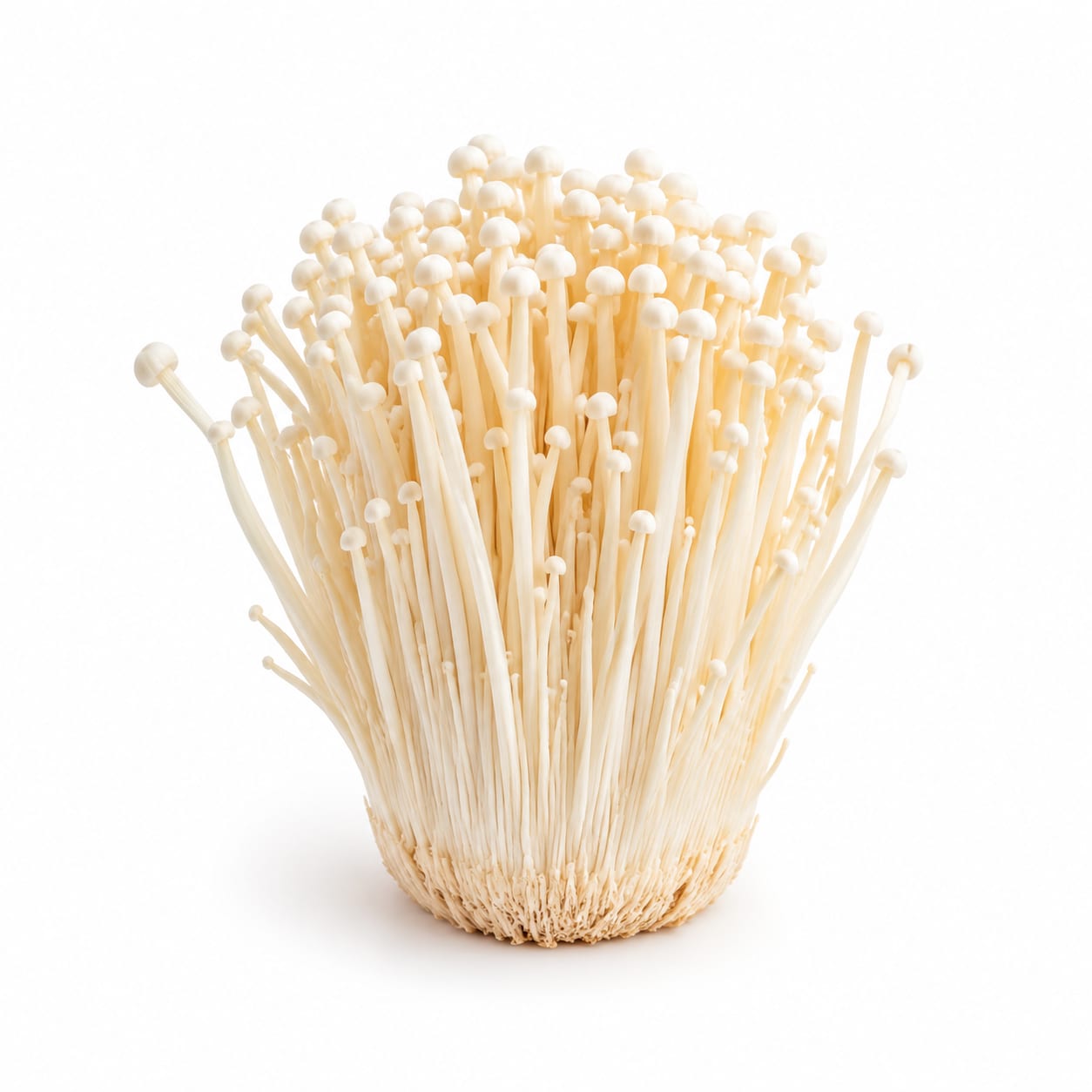
Enoki Mushroom
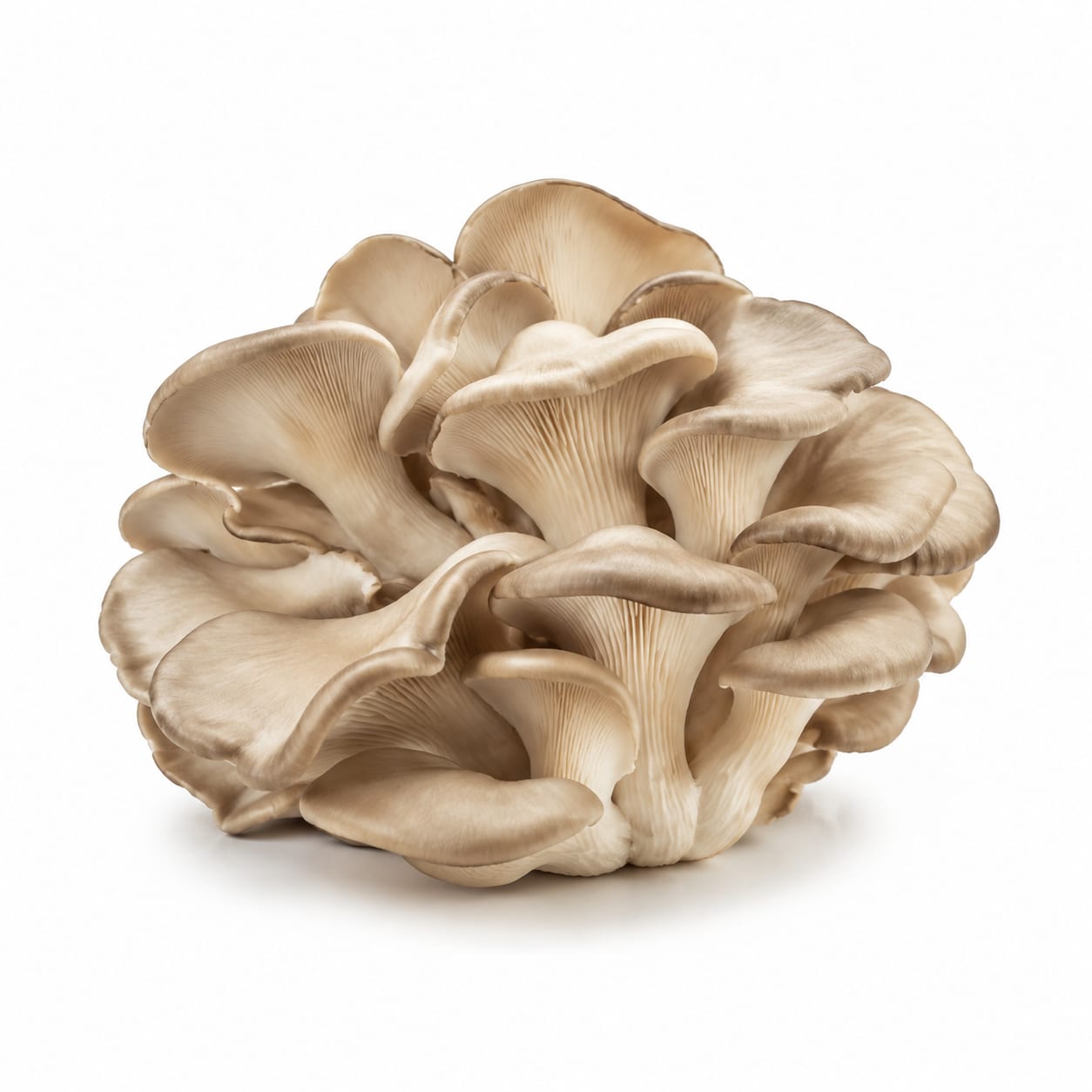
Oyster Mushroom
Oyster mushrooms deliver more nutrition, better satiety, and a safer food profile, while enoki mushrooms offer unique texture but carry higher contamination risk.
Oyster mushrooms win convincingly on nutrition, safety, and versatility. Enoki mushrooms remain valuable for specific culinary uses but fall short as an everyday health choice.
You trade enoki's delicate crunch and hot-pot appeal for oyster mushrooms' superior nutrient density, fillingness, and cleaner safety record.
At a glance
Executive summary
Overall
Oyster Mushroom
Healthier
Oyster Mushroom
More practical
Oyster Mushroom
Daily use
Oyster Mushroom
Key comparison lenses
food safety and contamination risk
Enoki mushrooms have been linked to multiple Listeria outbreaks, making safety the most critical differentiator
nutrient density and functional compounds
Both mushrooms offer unique bioactive compounds but differ significantly in vitamin and mineral content
culinary versatility and satiety
Oyster mushrooms are more filling and adaptable to various dishes, while enoki serve a narrower textural role
immune and gut health support
Beta-glucan profiles differ between varieties, affecting immune modulation and prebiotic benefits
weight management and calorie efficiency
Both are extremely low calorie, but satiety differences affect real-world eating behavior
Best choice for
Enoki Mushroom
- Hot pot and Asian soup recipes where texture matters most
- Low-calorie crunch seekers wanting minimal calorie intake
- People who enjoy mild, delicate mushroom flavor
Oyster Mushroom
- Everyday cooking needing a versatile, meaty mushroom
- Those prioritizing food safety and peace of mind
- Anyone wanting more filling meals without more calories
Least suitable for
Enoki Mushroom
- Pregnant women or immunocompromised individuals due to Listeria risk
- Those wanting a substantial, satisfying mushroom dish
- People who prefer cooking mushrooms thoroughly as a main ingredient
Oyster Mushroom
- Recipes specifically calling for enoki's unique long-stem texture
- Diners wanting the most delicate, subtle mushroom flavor
Deep comparison
Dimension by dimension
Each lens scores both foods and breaks down who each option suits.
- Dimension 1 · Priority 95Oyster Mushroom
Food Safety and Contamination Risk
Enoki Mushroom · 45Oyster Mushroom · 88Enoki mushrooms have been recalled multiple times for Listeria monocytogenes contamination, including fatal outbreaks. Oyster mushrooms have a far cleaner safety record.
Tradeoff
Enoki's delicate raw-ready appeal comes with a real and documented foodborne illness risk that oyster mushrooms largely avoid.
Why it matters
Listeria can cause severe illness or death in vulnerable populations. This is not a theoretical risk — it has happened repeatedly with enoki.
Real-world impact
Pregnant women, elderly, and immunocompromised people should treat raw or undercooked enoki as a genuine hazard. Oyster mushrooms can be enjoyed with far less worry.
Enoki Mushroom
- No specific safety advantage
Better for
- People who eat mushrooms raw or lightly cooked
- Vulnerable populations including elderly and pregnant
Worse for
Oyster Mushroom
- Pregnant women needing safe mushroom options
- Immunocompromised individuals
- Anyone wanting peace of mind with minimal cooking
Better for
- No significant safety disadvantage
Worse for
- Dimension 2 · Priority 85Oyster Mushroom
Nutrient Density and Vitamins
Enoki Mushroom · 55Oyster Mushroom · 82Oyster mushrooms provide substantially more iron, potassium, and B vitamins per serving. Enoki mushrooms are nutritious but less concentrated in key micronutrients.
Tradeoff
Enoki's lower nutrient density is the price of its water-heavy, delicate structure. Oyster mushrooms pack more nutrition into each bite.
Why it matters
If mushrooms are a significant vegetable in your diet, choosing the more nutrient-dense option compounds benefits over time.
Real-world impact
A serving of oyster mushrooms contributes meaningfully to daily iron and potassium needs. Enoki contributes less toward those targets.
Enoki Mushroom
- Those who only use mushrooms as a garnish rather than a nutrient source
Better for
- Vegetarians counting on mushrooms for iron
Worse for
Oyster Mushroom
- People relying on mushrooms for B vitamin intake
- Anyone needing plant-based iron sources
- Those wanting maximum nutrition per calorie
Better for
- No significant nutrient disadvantage
Worse for
- Dimension 3 · Priority 80Oyster Mushroom
Satiety and Fullness
Enoki Mushroom · 40Oyster Mushroom · 78Oyster mushrooms have more substance, fiber, and protein per serving, making them genuinely filling. Enoki mushrooms feel light and disappear quickly in meals.
Tradeoff
Enoki's ethereal lightness means you stay hungry sooner. Oyster mushrooms actually contribute to feeling satisfied after eating.
Why it matters
Low-calorie foods that fail to fill you up often lead to overeating later. Satiety matters more than calorie counts alone.
Real-world impact
A bowl with oyster mushrooms keeps you fuller for longer. The same bowl with enoki leaves you looking for something else to eat within an hour.
Enoki Mushroom
- Those wanting the lightest possible meal before a heavy event
Better for
- People prone to snacking after light meals
Worse for
Oyster Mushroom
- Weight loss seekers needing low-calorie satiety
- People replacing meat with mushrooms in meals
- Anyone tired of unsatisfying salads
Better for
- Those wanting an ultra-light appetizer
Worse for
- Dimension 4 · Priority 75Oyster Mushroom
Immune and Functional Compounds
Enoki Mushroom · 65Oyster Mushroom · 80Both mushrooms contain beneficial beta-glucans, but oyster mushrooms offer pleuran, a specific beta-glucan with strong immune-modulating research. Enoki has unique polysaccharides but less clinical evidence.
Tradeoff
Enoki's immune compounds are interesting but less studied. Oyster mushrooms deliver a more proven functional benefit alongside better overall nutrition.
Why it matters
If you eat mushrooms partly for immune support, the evidence gap matters. Proven compounds beat promising but unproven ones.
Real-world impact
Regular oyster mushroom consumption has more research backing immune benefits. Enoki may help, but the science is thinner.
Enoki Mushroom
- Those interested in traditional East Asian medicinal mushroom use
Better for
- Anyone wanting clinically supported functional benefits
Worse for
Oyster Mushroom
- People seeking evidence-backed immune support from food
- Those wanting prebiotic fiber for gut health
Better for
- No significant immune disadvantage
Worse for
- Dimension 5 · Priority 72Oyster Mushroom
Culinary Versatility
Enoki Mushroom · 50Oyster Mushroom · 85Oyster mushrooms can be sautéed, grilled, roasted, fried, or added to soups and stir-fries as a main ingredient. Enoki mushrooms shine in soups and hot pot but struggle outside that niche.
Tradeoff
Enoki is a specialist — brilliant in its lane, limited elsewhere. Oyster mushrooms are a generalist that works almost anywhere.
Why it matters
A versatile ingredient gets eaten more often, reducing waste and increasing real nutritional intake.
Real-world impact
Oyster mushrooms can replace chicken in tacos, become the star of a pasta dish, or get crispy-fried as a snack. Enoki mostly waits for soup night.
Enoki Mushroom
- Hot pot enthusiasts
- Ramen lovers wanting authentic toppings
- Those who value visual presentation with long elegant stems
Better for
- Anyone wanting a do-it-all mushroom
Worse for
Oyster Mushroom
- Home cooks wanting one mushroom for everything
- People exploring plant-based meat alternatives
- Those who like grilling or roasting mushrooms
Better for
- Traditional Asian soup purists
Worse for
- Dimension 6 · Priority 65Enoki Mushroom
Calorie Efficiency
Enoki Mushroom · 88Oyster Mushroom · 80Both mushrooms are extremely low calorie, but enoki edges ahead with fewer calories per cup due to its high water content and delicate structure.
Tradeoff
Enoki wins the calorie math but loses the satiety math. Fewer calories mean little if you are hungry again 30 minutes later.
Why it matters
Calorie efficiency only matters when paired with satisfaction. The lowest calorie food is not always the best weight loss food.
Real-world impact
If you strictly track calories, enoki gives you more volume per calorie. But oyster mushrooms make that smaller calorie investment feel more worthwhile.
Enoki Mushroom
- Strict calorie counters wanting maximum volume
- Those eating multiple courses who need a light starter
Better for
- Anyone who confuses low calorie with good for weight loss
Worse for
Oyster Mushroom
- People who care about feeling full, not just calorie counts
- Those replacing higher-calorie foods with mushrooms
Better for
- Volume eaters needing maximum food per calorie
Worse for
Timeline
Health impact over time
Short-term
Hours to days
Enoki Mushroom
- Very light digestion with minimal fullness
- Quick energy from B vitamins but minimal sustained fuel
- Risk of gastrointestinal distress if consumed raw due to potential Listeria
Oyster Mushroom
- Comfortable satiety without heaviness
- Steadier energy from more balanced macronutrient profile
- Generally well-tolerated with minimal digestive concerns when cooked
Long-term
Months to years
Enoki Mushroom
- Consistent intake may support immune function through polysaccharides
- Repeated consumption of raw or undercooked enoki carries cumulative Listeria risk
- Low nutrient density means less contribution to long-term micronutrient status
Oyster Mushroom
- Regular consumption supports iron status and B vitamin intake
- Beta-glucan intake linked to improved cholesterol and immune markers over time
- Better satiety profile supports sustainable weight management habits
Risk profile
Safety & processing
Both enoki and oyster mushrooms are whole, minimally processed foods sold fresh. Neither typically contains additives, preservatives, or artificial ingredients. The naturalness comparison is a tie — both are as close to farm-to-table as produce gets.
Enoki Mushroom
Listeria monocytogenes contamination
highMultiple outbreaks linked to enoki mushrooms, including fatalities. The growing environment and packaging methods create conditions where Listeria can thrive. Always cook thoroughly.
Inadequate cooking common with enoki
mediumEnoki's delicate texture encourages brief cooking or raw consumption, which is exactly when Listeria risk is highest.
Oyster Mushroom
Standard produce contamination
lowLike all fresh produce, oyster mushrooms can carry surface bacteria, but no significant outbreak history exists. Normal washing and cooking eliminates most risk.
Wild foraging misidentification
mediumIf foraging wild oyster mushrooms, confusion with toxic lookalikes is possible. Store-bought cultivated oyster mushrooms eliminate this concern entirely.
Who wins for whom
Audience fit
Same foods, different winners depending on your goal.
children
Oyster MushroomOyster mushrooms are safer, more filling, and easier to incorporate into family meals. Enoki's Listeria risk is a concern for young immune systems.
daily consumption
Oyster MushroomOyster mushrooms' versatility, safety, and nutrition profile make them suitable for daily use. Enoki is better reserved for occasional specialty dishes.
diabetes
Oyster MushroomBoth have minimal impact on blood sugar, but oyster mushrooms' higher fiber content provides slightly better glycemic stability and satiety.
elderly
Oyster MushroomOlder adults face higher Listeria vulnerability, making oyster mushrooms the clearly safer choice. Their better nutrient density also supports aging bodies.
muscle gain
Oyster MushroomOyster mushrooms contain more protein per serving, though neither is a significant protein source. Both should be paired with protein-rich foods.
weight loss
Oyster MushroomOyster mushrooms provide more satiety per calorie, making them more effective for sustainable weight loss despite enoki having slightly fewer calories.
Your move
Decision guide
Choose Enoki Mushroom
- You are making hot pot, ramen, or Asian soups where enoki's texture is essential
- You have no vulnerability to Listeria and will always cook them thoroughly
- You want the most delicate, visually elegant mushroom for presentation
Choose Oyster Mushroom
- You want one versatile mushroom for everyday cooking
- Food safety matters to you, especially if pregnant, elderly, or immunocompromised
- You want more nutrition, more fullness, and more cooking options per dollar
- You are replacing meat and need a mushroom that actually satisfies
Either works if
- You simply want a low-calorie vegetable to add to a meal
- You enjoy variety and want to rotate different mushrooms through your diet
- Both are available fresh and affordable at your local store
Avoid both if
- You have a confirmed mushroom allergy
- You cannot tolerate fungi due to digestive conditions like Candida overgrowth concerns (though evidence is limited)
Final recommendation
Make oyster mushrooms your everyday choice for better nutrition, safety, and satisfaction. Keep enoki as an occasional treat for specific recipes, always cooked thoroughly. The safety gap alone makes oyster mushrooms the smarter default, and the nutritional and versatility advantages only strengthen that case.
Practical
Consumer tips
- 1
Always cook enoki mushrooms thoroughly — never eat them raw, regardless of how they are served in restaurants
- 2
Store both mushroom types in paper bags in the refrigerator to absorb moisture and prevent sliminess
- 3
Oyster mushrooms develop a deeper, richer flavor when caramelized in a hot pan with minimal oil
- 4
If buying enoki, check for recalls before consumption, especially in the US and Canada where outbreaks have occurred
- 5
Try tearing oyster mushrooms instead of cutting them — they shred naturally along their fiber lines for better texture
- 6
Both mushrooms freeze poorly when raw; cook first, then freeze for later use in soups and sauces