
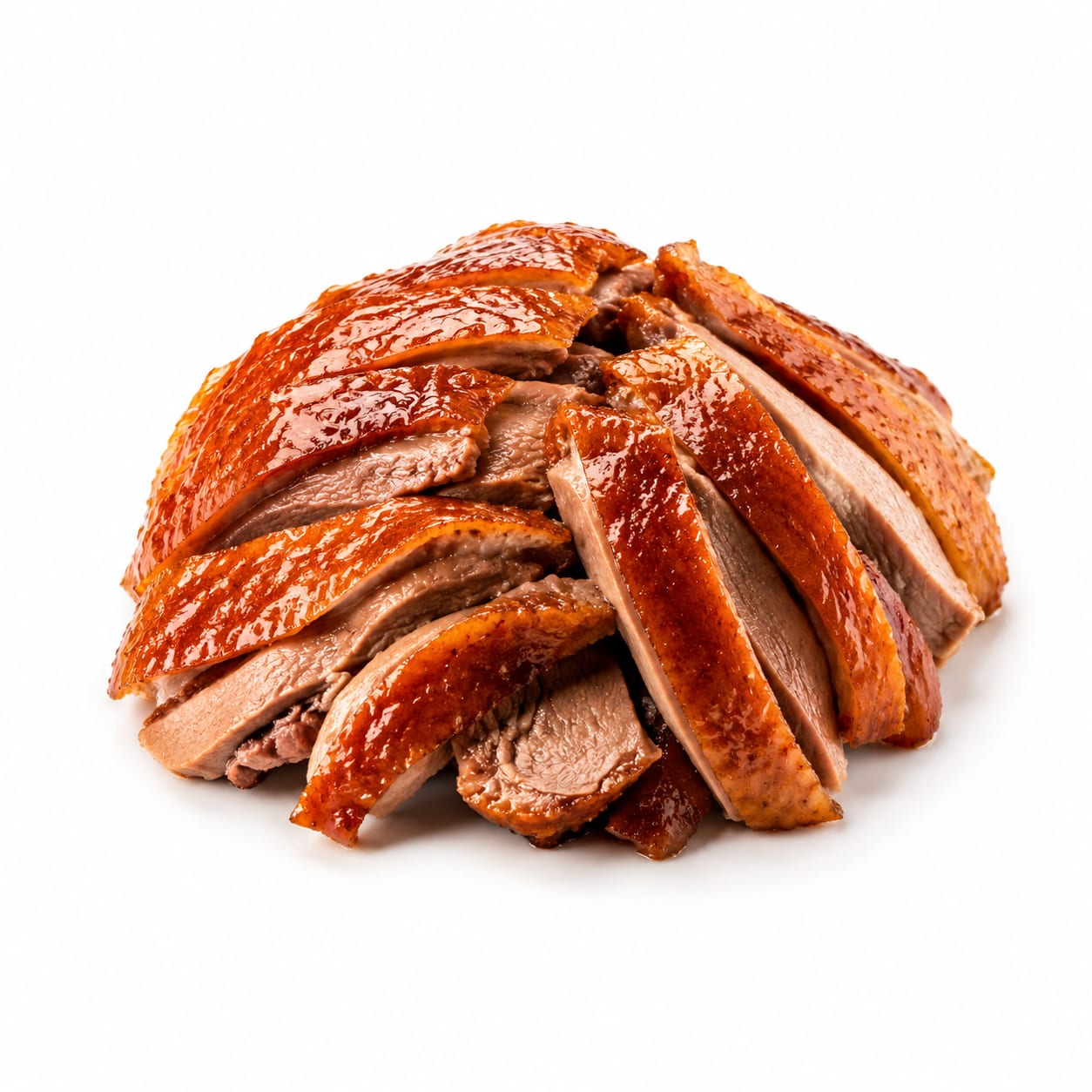
Poultry
Duck
A high-fat, zero-carb poultry meat prized for its rich flavor and crispy skin when roasted.
Duck is a flavorful, dark meat poultry known for its thick layer of subcutaneous fat and rich taste. Unlike chicken or turkey, duck is significantly higher in fat and calories, making it a unique protein source that behaves more like red meat in culinary and nutritional contexts.
fat-dense animal protein
Typical serving · 170g
Common varieties · pekin, muscovy, moulard, mallard
Overall context score across nutrition, safety, and diet fit
At a glance
Quick facts
Simple indicators based on nutrition, processing, and diet fit.
The story
What makes it unique
Duck is a protein-dense poultry meat with a significantly higher fat content than chicken or turkey, particularly in the skin. It digests moderately slowly due to the high fat content, which also contributes to strong satiety. As a zero-carbohydrate whole food, it has no glycemic impact. The macronutrient profile is dominated by fat and protein, and it is typically cooked by roasting to render subcutaneous fat.
Varieties: pekin · muscovy · moulard · mallard
Per 100g
Nutrition breakdown
Macro balance and key metrics at a glance.
Energy
Density 3.37 kcal/g
Protein
Carbs
Fat
Fiber
Sugar
0 g
Sodium
60 mg
Potassium
250 mg
Glycemic index
0
Glycemic load
0
Water content
50%
Standout compounds
Nutrient highlights
Selenium
highSupports thyroid function and antioxidant defense
Niacin (B3)
highEssential for energy metabolism and nervous system function
Protein
highSupports muscle growth, repair, and satiety
Iron
moderateCrucial for oxygen transport in the blood
Zinc
moderateImportant for immune function and wound healing
Wellness map
Health scores & processing
NOVA processing scale
unprocessed or minimally processed · Whole food
Whole duck is an unprocessed animal tissue requiring only butchering and cooking before consumption.
Diet compatibility
- Weight loss
- Muscle gain
- Diabetes
- Gut health
- Low carb
- High protein
- Heart health
Relative standing
Food rankings
Qualitative ranks compared to similar whole foods.
- Satietygood
- Blood sugarexcellent
- Nutrient densitygood
- Fitness fuelmoderate
- Processing qualityexcellent
Eat with confidence
Food safety profile
Duck carries standard poultry contamination risks like Salmonella. Proper cooking to an internal temperature of 165°F (74°C) eliminates microbial risks.
Evidence confidence 85%
- Pesticideslow
- Antibioticsmoderate
- Heavy metalslow
- Contaminationmoderate
Watch for
- Salmonella
- Campylobacter
Safer choices
Organic or free-range ducks to reduce antibiotic and pesticide exposure.
Prep tips
Do not wash raw duck to avoid spreading bacteria; ensure thorough cooking and avoid cross-contamination with raw juices.
Standard poultry safety inspections apply; antibiotic use regulations vary by country and farming practices.
Deep dive
Health analysis
How this food may fit different goals and preparation choices.
Weight loss
High calorie density and fat content make portion control essential for weight loss; removing the skin significantly reduces calories and fat.
Blood sugar
Contains zero carbohydrates, resulting in no glycemic impact and excellent blood sugar stability.
Fitness & energy
Provides high-quality protein for muscle repair, but high fat content slows digestion, making it less ideal for immediate post-workout recovery.
Gut health
Lacks dietary fiber, so it does not directly support gut motility or microbiome diversity.
Processing quality
Whole duck is an unprocessed whole food; nutritional quality depends on cooking methods and whether the skin is consumed.
Food safety
Must be handled like all raw poultry to prevent bacterial contamination; cooking to 165°F is required for safety.
Common mistakes
Assuming duck breast is as lean as chicken breast; eating the skin adds massive amounts of fat and calories.
Best preparation
Roasting to render fat from the skin, or searing skin-on breast to crisp the fat while keeping meat medium-rare.
Practical guide
Best use cases
When and how this food fits real eating patterns.
Keto and Low-Carb Diets
Zero carbs and high fat content make duck ideal for maintaining ketosis and meeting fat macros.
High-Protein Meals
Provides complete protein with all essential amino acids for muscle maintenance and repair.
Special Occasion Roasts
Rich flavor and impressive presentation make it a popular centerpiece for festive meals.
Balance sheet
Pros & cons
Upsides
- Zero carbohydrates with no glycemic impact
- Rich in high-quality complete protein
- Excellent source of B vitamins, especially niacin
- High fat content provides strong satiety
- Good source of selenium and iron
Trade-offs
- Very high in calories and fat, particularly saturated fat
- Skin is extremely calorie-dense
- Slower digestion due to high fat content
- More expensive than common poultry like chicken
- Requires careful cooking to render fat properly
Fit check
Who is it for?
Great match
- keto and low-carb diets
- high-protein diets
- nutrient-dense whole food eating
- winter meals requiring high energy
Consider alternatives
- low-fat diets
- strict calorie counting
- rapid post-workout digestion
- people managing high cholesterol
Side by side
How it compares
Open the full head-to-head analysis for nutrition, safety, and practical tradeoffs.
This food
Duck
VS85% alike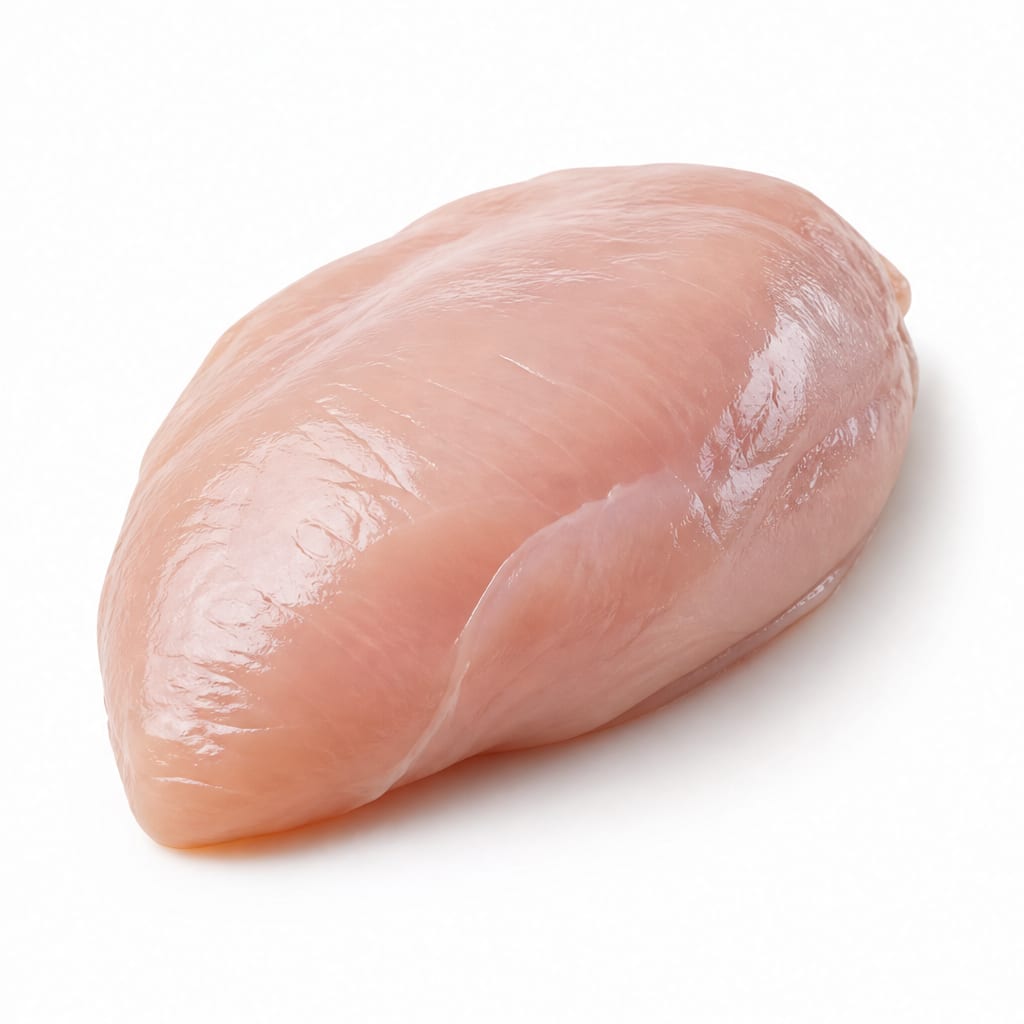
Compare with
Chicken Breast
Chicken breast is extremely lean while duck is high in fat, especially in the skin.
Chicken breast is far leaner and lower in calories, while duck provides more fat for keto diets.
This food
Duck
VS95% alike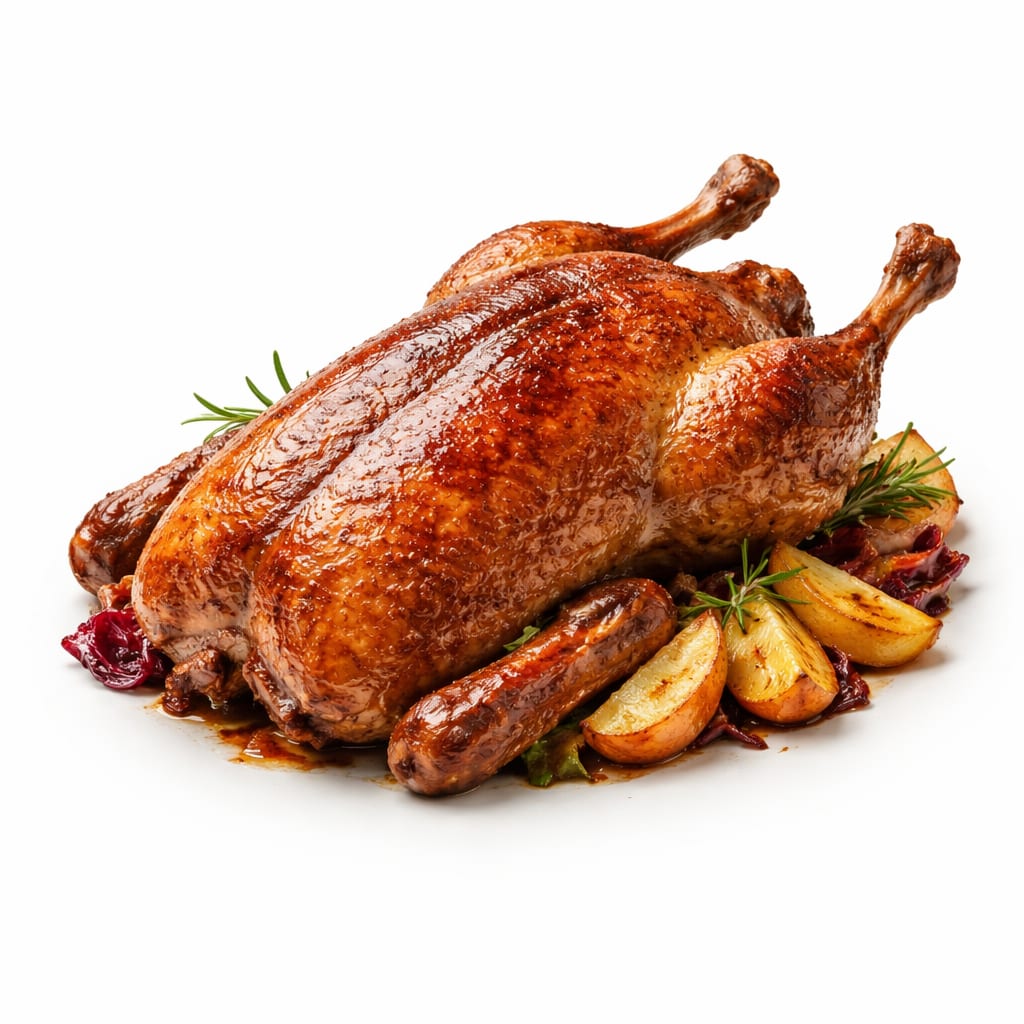
Compare with
Goose
Goose is even higher in fat and calories than duck, with a similar flavor profile.
Duck is slightly leaner and lower in calories than goose, though both are high-fat poultry.
This food
Duck
VS80% alike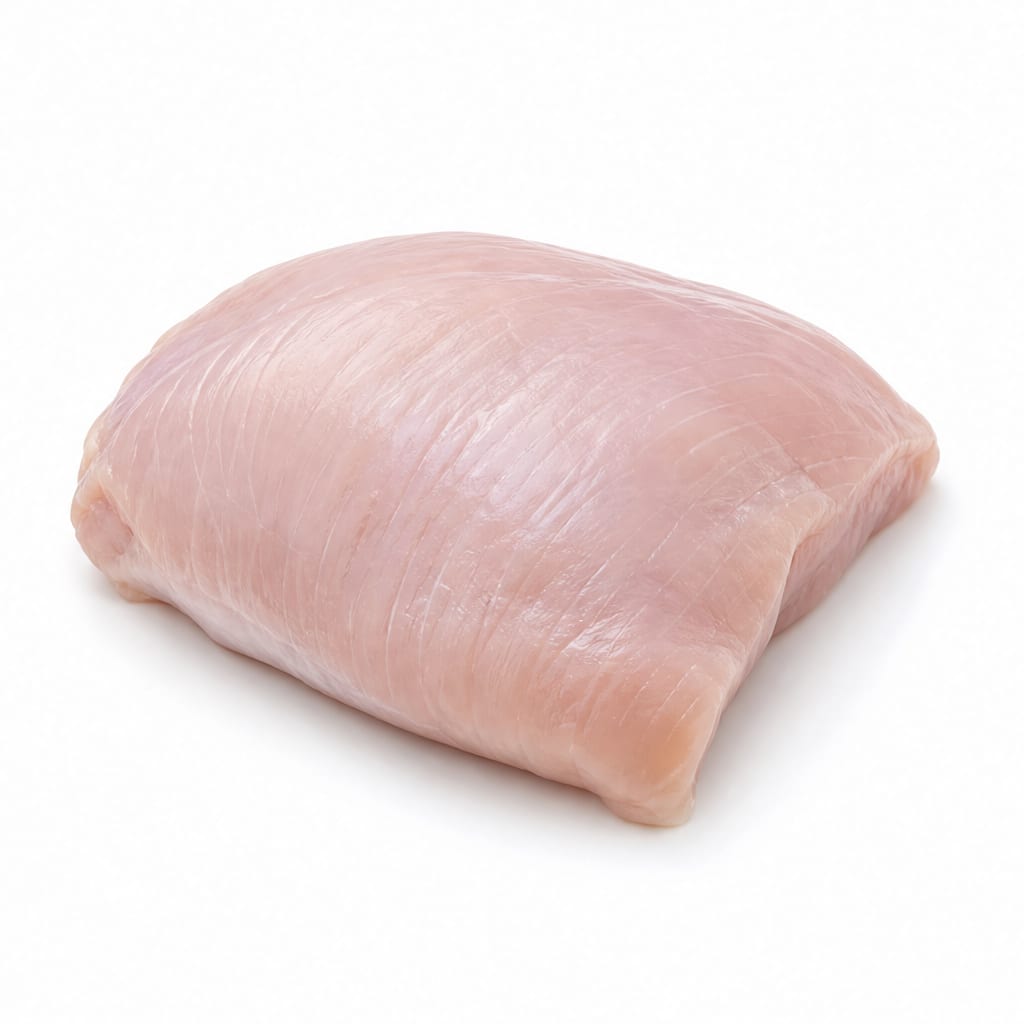
Compare with
Turkey Breast
Turkey breast is ultra-lean and low-calorie, whereas duck is high-fat and calorie-dense.
Turkey breast is vastly superior for weight loss, while duck fits high-fat low-carb diets better.
This food
Duck
VS90% alike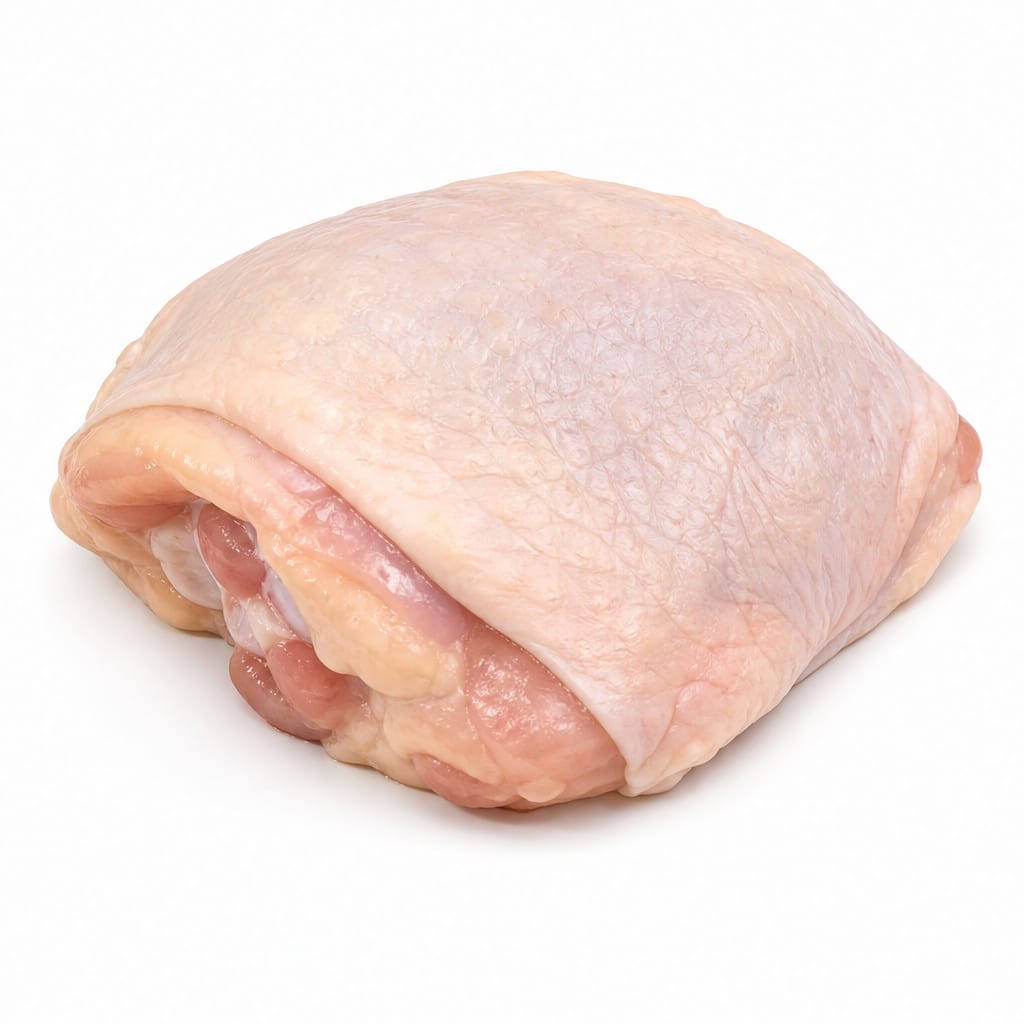
Compare with
Chicken Thigh
Duck is significantly higher in fat than chicken thigh, even with skin removed.
Chicken thigh offers a middle ground for fat and calories, while duck is much richer.
This food
Duck
VS75% alike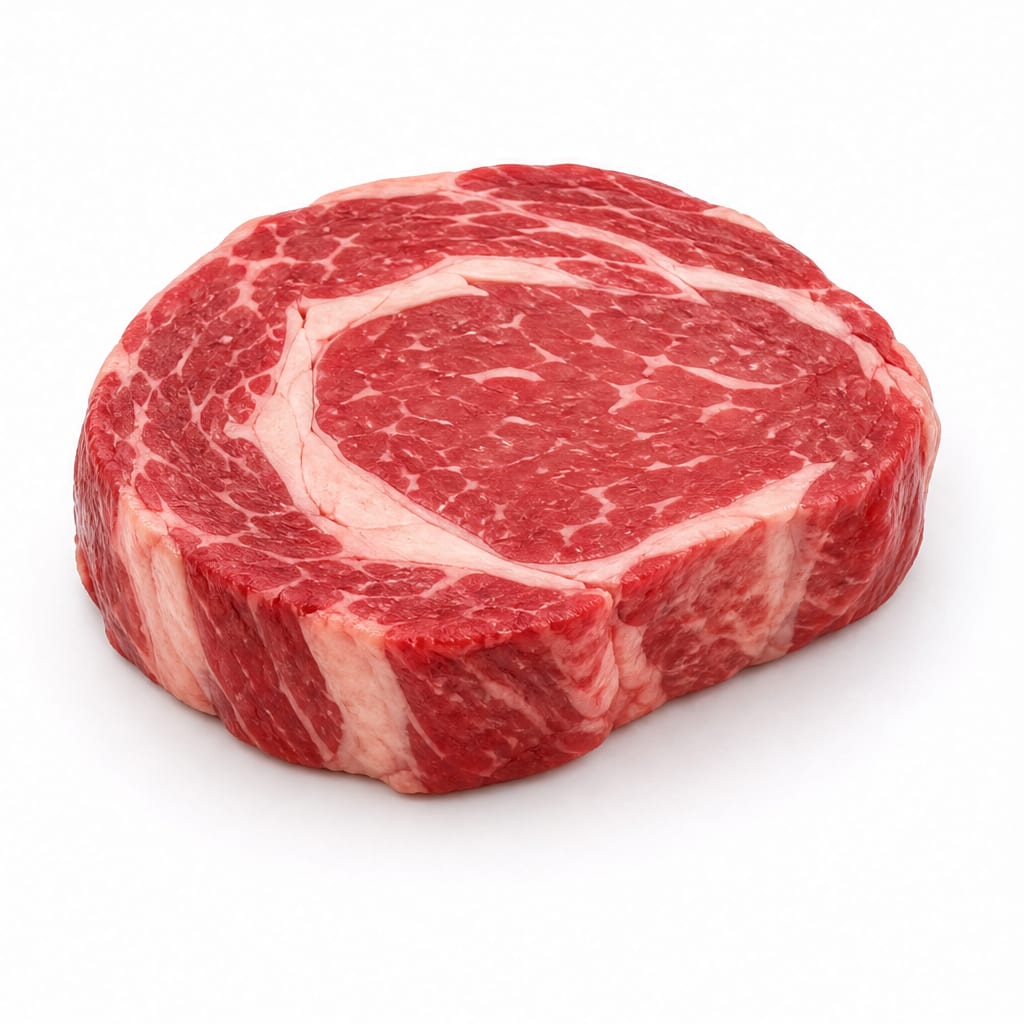
Compare with
Beef Ribeye
Beef ribeye has slightly more saturated fat, while duck fat is higher in monounsaturated fats.
Beef ribeye and duck are both high-fat, zero-carb options, but duck fat has a more favorable lipid profile.
This food
Duck
VS70% alike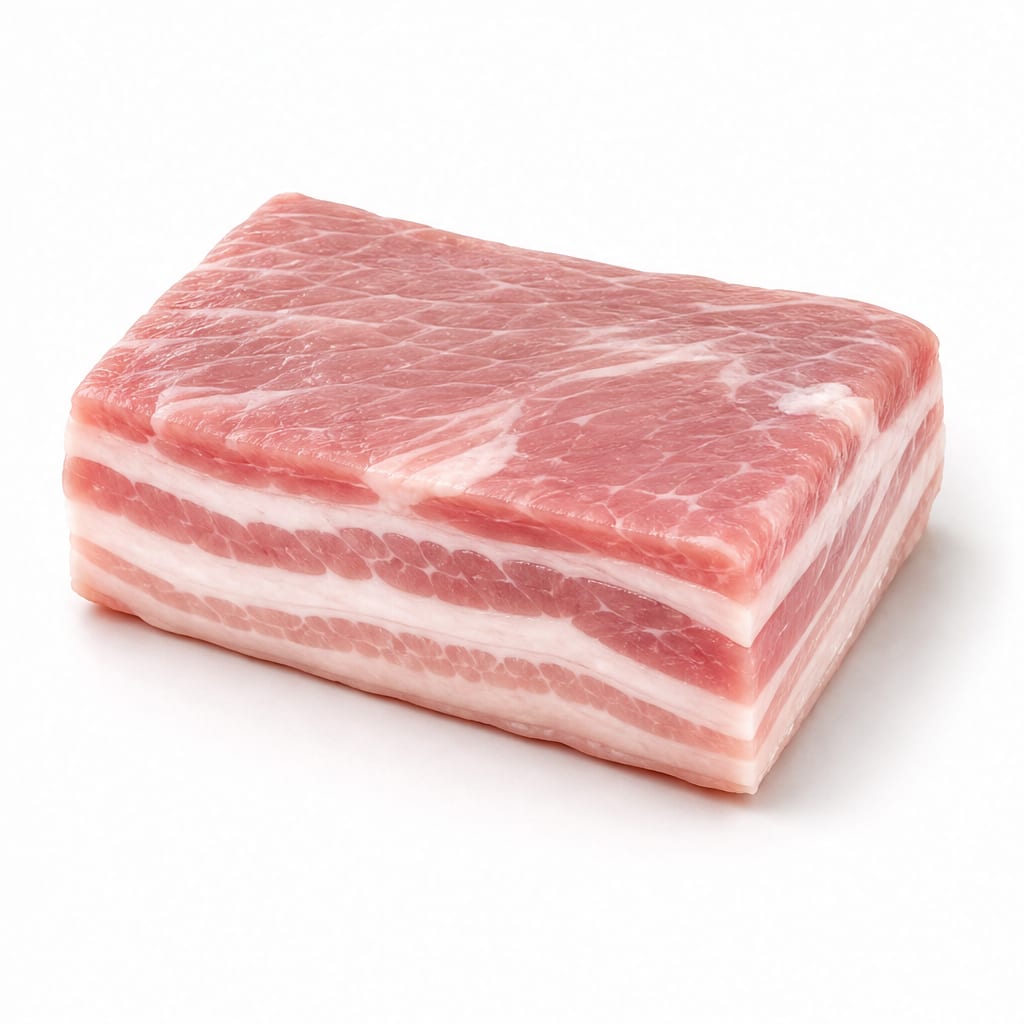
Compare with
Pork Belly
Pork belly is primarily fat with some protein, while duck offers a better protein-to-fat ratio.
Duck provides significantly more protein per calorie than pork belly, making it the better meat option.
This food
Duck
VS70% alike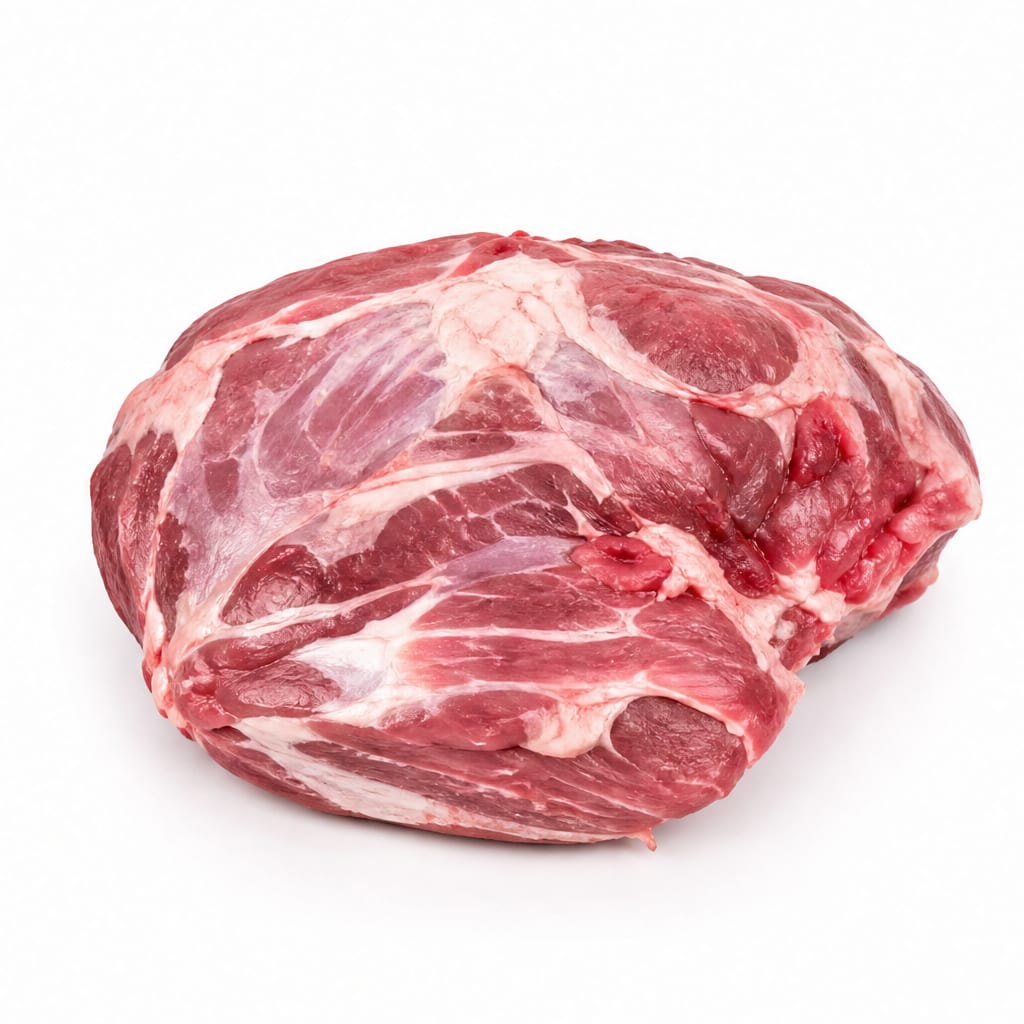
Compare with
Lamb Shoulder
Lamb shoulder is high in saturated fat, while duck offers more monounsaturated fat.
Duck and lamb shoulder are both rich, but duck has a slightly better fat profile and fewer calories.
This food
Duck
VS85% alike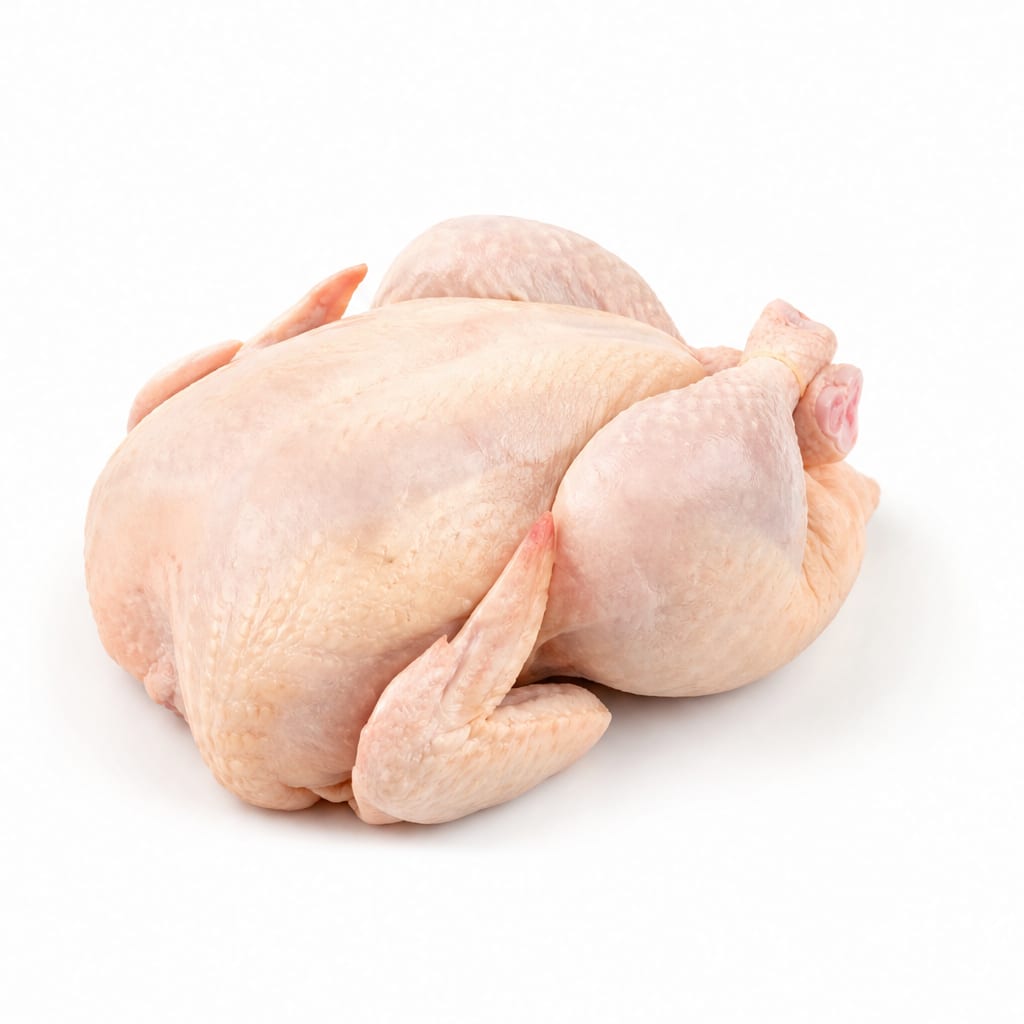
Compare with
Cornish Hen
Cornish hen is much leaner and lower in calories than duck.
Cornish hen is a leaner poultry choice, while duck provides a richer, fattier eating experience.
This food
Duck
VS80% alike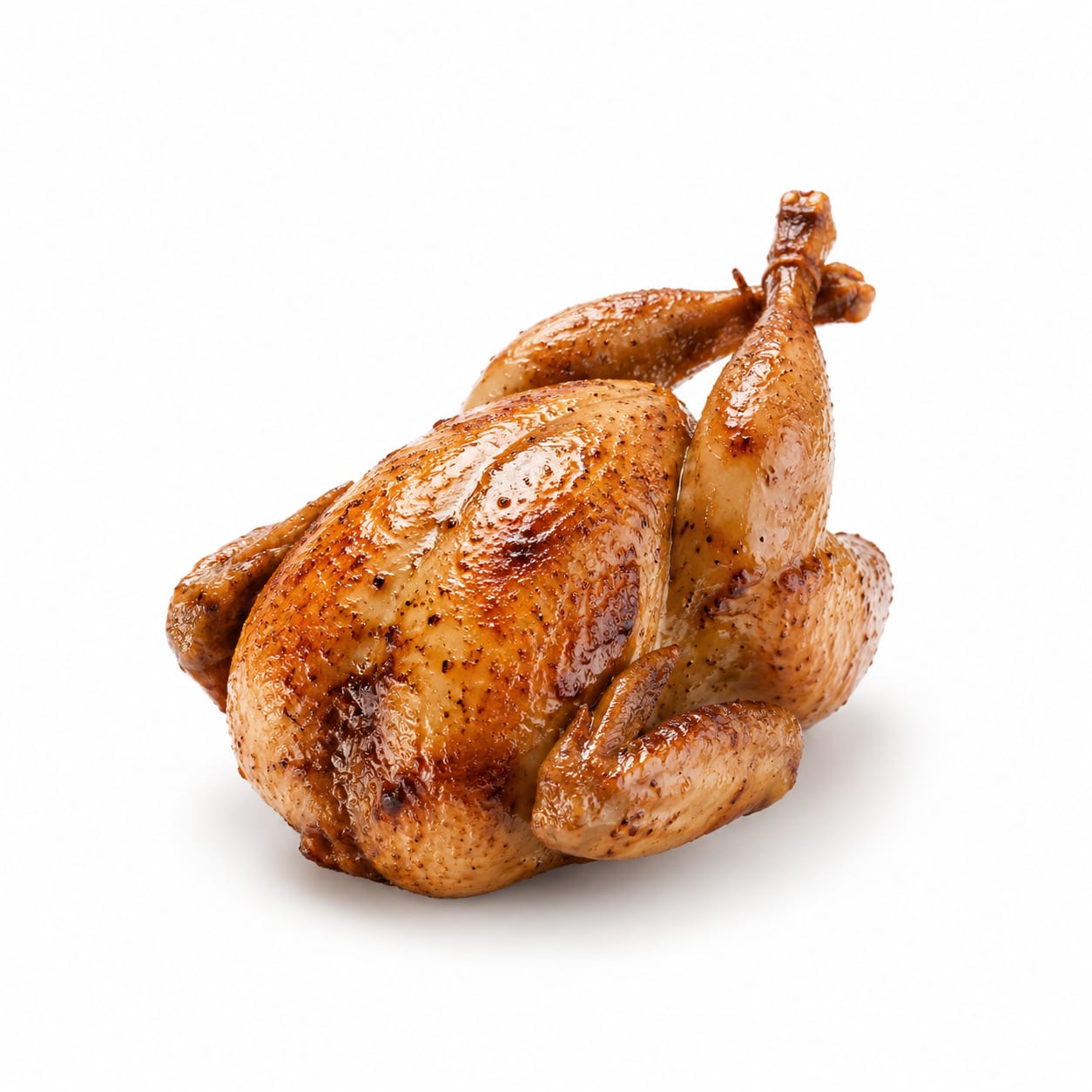
Compare with
Quail
Quail is much leaner and lower in calories, offering a milder flavor.
Quail is a lighter, leaner game bird, whereas duck is heavy and fat-dense.
This food
Duck
VS80% alike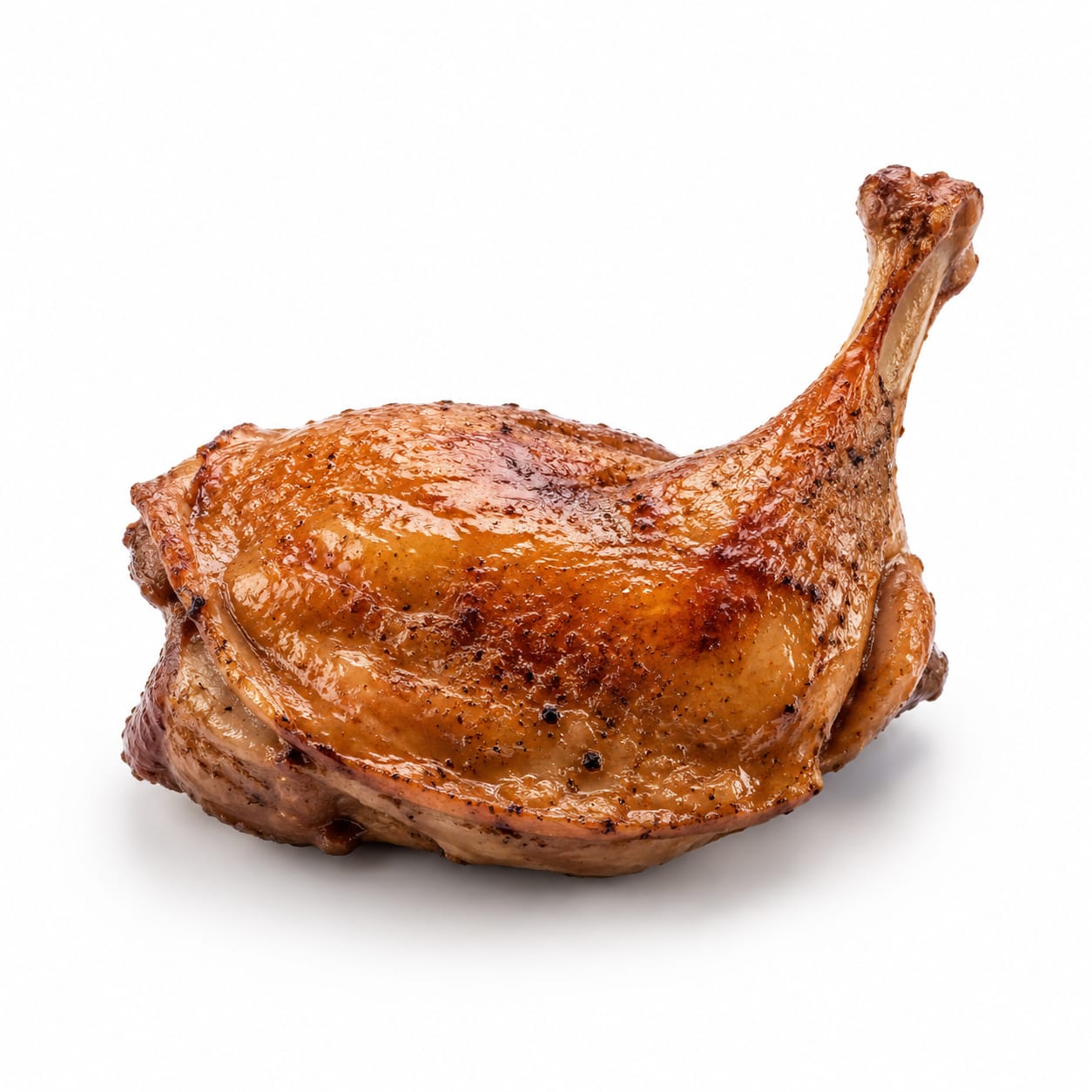
Compare with
Pheasant
Pheasant is very lean and low in fat, while duck is highly marbled with fat.
Pheasant is a lean, low-calorie game bird, while duck is a high-fat, high-calorie alternative.
Common questions
FAQ
Answers aligned with how people search for this food.
Is duck meat healthy?
Duck is highly nutritious, offering rich protein, B vitamins, and minerals like selenium and iron. However, it is high in fat and calories, especially if consumed with the skin on.
Can you eat duck on a keto diet?
Yes, duck is excellent for keto because it is zero-carb and high in fat, particularly if eaten with the skin to maximize fat intake.
Is duck red meat or white meat?
Nutritionally and culinarily, duck behaves like red meat due to its high myoglobin and fat content, though biologically it is classified as poultry.
Is duck healthier than chicken?
Chicken breast is leaner and lower in calories, making it better for low-fat diets, while duck provides more fat and iron, making it better suited for low-carb or keto diets.
Does duck have a lot of cholesterol?
Duck contains dietary cholesterol, particularly in the skin, but its impact on blood cholesterol is primarily driven by its high saturated fat content.
Can diabetics eat duck?
Yes, duck has zero carbohydrates and will not spike blood sugar, but diabetics should be mindful of the saturated fat intake for heart health.
What is the healthiest way to cook duck?
Roasting duck allows the thick layer of subcutaneous fat to render off, making the meat leaner than pan-frying, while still achieving crispy skin.
Is duck fat healthy?
Duck fat is high in monounsaturated fats (like oleic acid) and contains less saturated fat than butter, making it a moderate, flavorful cooking fat choice.
Transparency
Data confidence
Estimated confidence for nutrition data, interpretation, safety notes, and comparisons.
Nutrition data
Health analysis
Food safety
Comparisons