
Nutrition comparison
Duck vs Pork Belly: Nutrition, Fat, and Health Comparison
Compare duck and pork belly to see which is healthier. Learn about fat profiles, protein content, and which indulgent meat is better for your diet.
Overall winner · Duck
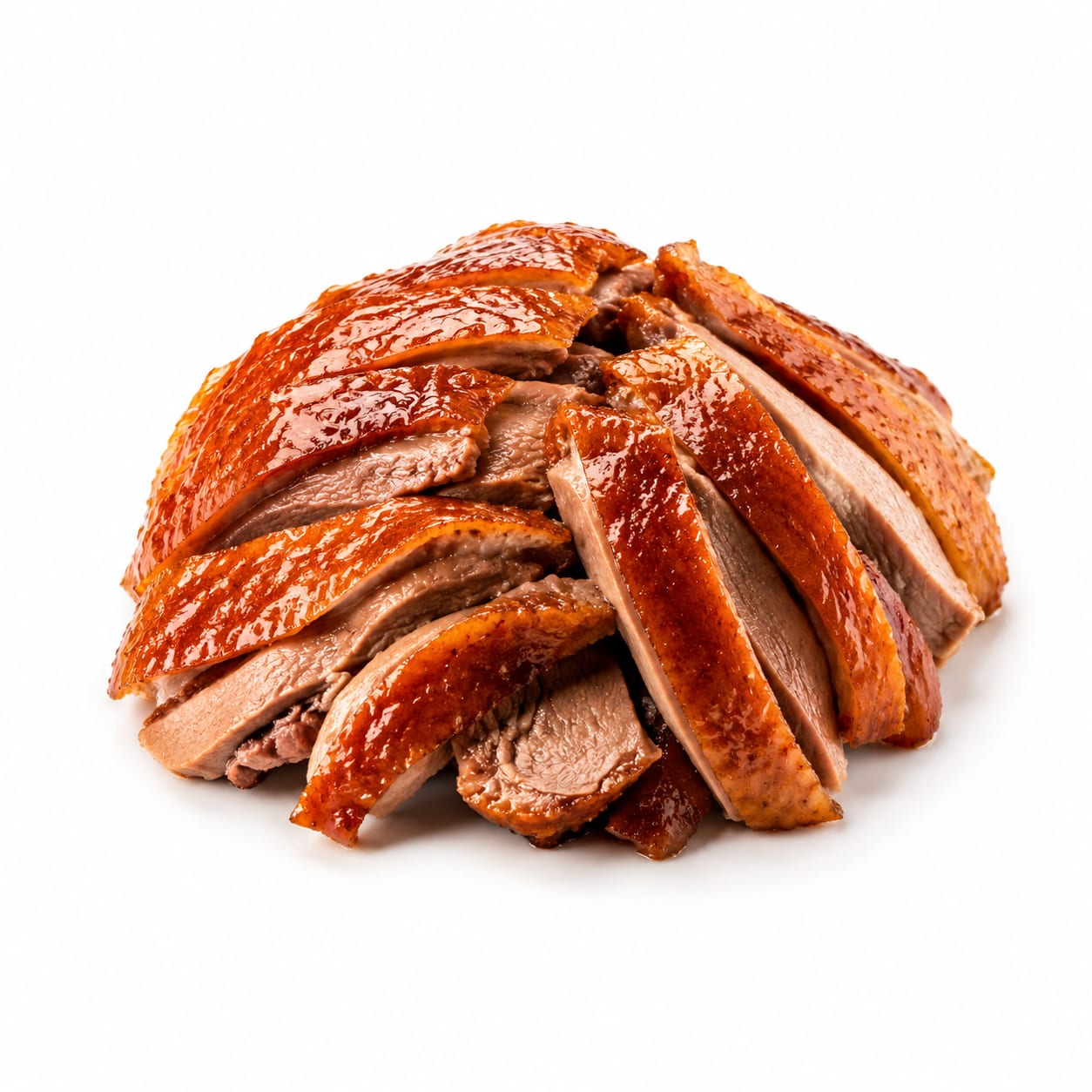
Duck
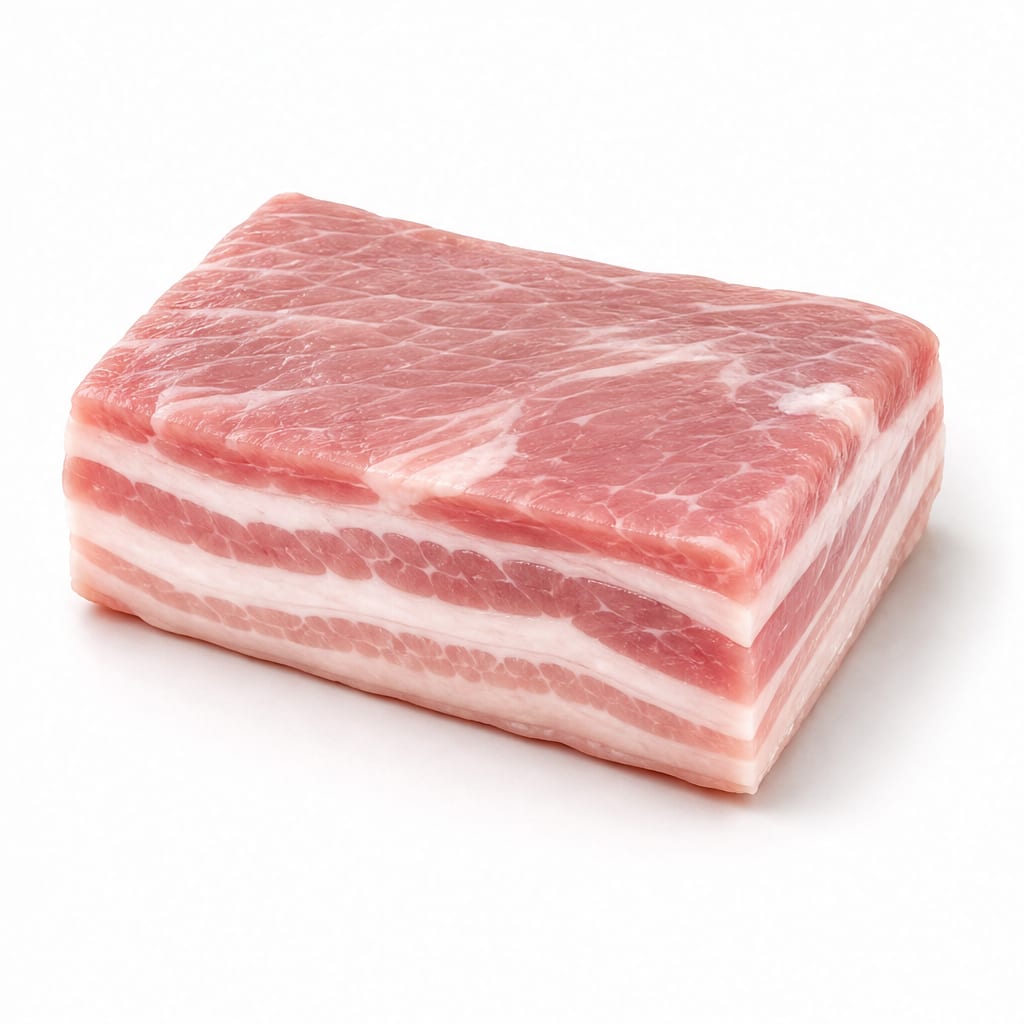
Pork Belly
Duck offers a better nutritional profile with more protein and healthier fats, while pork belly is an indulgent, calorie-dense treat.
Duck scores moderately higher due to its superior protein density and healthier monounsaturated fat profile, while pork belly's extreme fat content limits its regular dietary suitability.
Duck provides more satiety and heart-friendlier fats, whereas pork belly delivers richer flavor at the cost of extreme fat and calorie intake.
At a glance
Executive summary
Overall
Duck
Healthier
Duck
More practical
It depends
Daily use
Duck
Key comparison lenses
Fat quality and cardiovascular impact
Both are high-fat meats, but the type of fat heavily influences long-term heart health.
Calorie density and weight management
Pork belly is extremely calorie-dense, making portion control a major factor.
Protein-to-fat ratio
Duck provides significantly more protein per serving, affecting satiety and muscle maintenance.
Indulgence versus regular consumption
Pork belly is typically a special-occasion food, while duck can be integrated more regularly.
Best choice for
Duck
- People wanting higher protein intake
- Those watching saturated fat
- Keto dieters seeking healthier fats
Pork Belly
- Special occasion feasts
- Those wanting maximum flavor and richness
- Very high-calorie needs
Least suitable for
Duck
- Strict low-fat diets
- People avoiding red meat
Pork Belly
- Weight loss diets
- Heart health concerns
- Daily consumption
Deep comparison
Dimension by dimension
Each lens scores both foods and breaks down who each option suits.
- Dimension 1 · Priority 95Duck
Fat Profile & Heart Health
Duck · 65Pork Belly · 35Duck fat is predominantly monounsaturated, similar to olive oil, while pork belly is much higher in saturated fat.
Tradeoff
Pork belly's saturated fat contributes to richer texture and flavor but raises LDL cholesterol more than duck's monounsaturated fat.
Why it matters
High saturated fat intake is linked to heart disease, making duck the easier choice on your cardiovascular system.
Real-world impact
Choosing duck over pork belly means less sluggishness after eating and better long-term heart health markers.
Duck
- Heart health
- Balanced cholesterol
- Keto diets with healthy fats
Better for
- Very low-fat diets
Worse for
Pork Belly
- Flavor intensity
- Traditional recipes requiring pork fat
Better for
- Cardiovascular health
- Daily consumption
Worse for
- Dimension 2 · Priority 85Duck
Protein Density & Satiety
Duck · 75Pork Belly · 40Duck provides significantly more protein per calorie, making it far more filling and useful for muscle maintenance.
Tradeoff
Pork belly's low protein-to-fat ratio means you consume many calories before feeling full, increasing the risk of overeating.
Why it matters
Protein is essential for satiety and muscle; duck actually helps you feel full, while pork belly mainly delivers empty fat calories.
Real-world impact
A serving of duck satisfies hunger effectively, whereas pork belly might leave you craving more food despite high calorie intake.
Duck
- Muscle maintenance
- Staying full longer
- Active lifestyles
Better for
- Plant-based protein preferences
Worse for
Pork Belly
- Extreme calorie surplus needs
Better for
- Weight management
- Appetite control
Worse for
- Dimension 3 · Priority 90Duck
Calorie Density & Weight Management
Duck · 55Pork Belly · 25Pork belly is one of the most calorie-dense meats available, making portion control very difficult.
Tradeoff
Duck is also fatty but easier to portion reasonably, especially if you remove the skin.
Why it matters
Managing calorie intake is crucial for weight control; pork belly makes it remarkably easy to overeat.
Real-world impact
Eating pork belly regularly can easily lead to unintended weight gain, while duck can fit into a balanced diet more easily.
Duck
- Weight maintenance
- Flexible dieting
Better for
- Strict calorie counting
Worse for
Pork Belly
- Bulking
- Backpacking and high-calorie needs
Better for
- Fat loss
- Portion control
Worse for
- Dimension 4 · Priority 70Duck
Micronutrient Value
Duck · 70Pork Belly · 50Duck is richer in B vitamins, iron, and zinc compared to the mostly fat-based profile of pork belly.
Tradeoff
While both offer nutrients found in meat, pork belly's vitamin content is diluted by its massive fat content.
Why it matters
Nutrient density matters for energy and immunity; duck gives you more actual nutrition per bite.
Real-world impact
Eating duck supports energy levels and red blood cell production better than the nutrient-poor calories in pork belly.
Duck
- Iron deficiency
- B-vitamin needs
- Overall nutrition
Better for
Pork Belly
- Thiamine in small amounts
Better for
- Nutrient-per-calorie efficiency
Worse for
Timeline
Health impact over time
Short-term
Hours to days
Duck
- Satisfying meal that stabilizes hunger
- Rich but not overwhelmingly heavy if portioned well
Pork Belly
- Can cause digestive sluggishness due to extreme fat
- Very heavy feeling post-meal
Long-term
Months to years
Duck
- Supports muscle and immune health via zinc and iron
- Manageable impact on heart health if skin is moderated
Pork Belly
- High risk of elevated LDL cholesterol with frequent consumption
- Likely contribution to weight gain if eaten regularly
Risk profile
Safety & processing
Both duck and pork belly are whole, unprocessed cuts of meat when purchased fresh. However, pork belly is frequently cured into bacon, which introduces nitrates and high sodium.
Duck
Campylobacter and Salmonella contamination
mediumPoultry requires strict handling and thorough cooking to avoid foodborne illness.
Pork Belly
Parasites like Trichinella
lowModern farming practices have virtually eliminated this, but proper cooking is still essential.
Curing additives if processed
mediumIf the pork belly is cured into bacon, nitrates and high sodium become significant health concerns.
Who wins for whom
Audience fit
Same foods, different winners depending on your goal.
children
DuckDuck provides more essential nutrients like iron and B12 for development, without the overwhelming fat load of pork belly.
daily consumption
DuckDuck can be integrated into a balanced diet more reasonably than the heavily fat-laden pork belly.
diabetes
DuckDuck's higher protein content helps stabilize blood sugar better than the pure fat and minimal protein in pork belly.
elderly
DuckDuck is easier to digest and offers better nutrient density for maintaining muscle mass in older adults.
muscle gain
DuckDuck provides substantially more protein per serving to support muscle repair and growth.
weight loss
DuckDuck offers more protein and satiety per calorie, making it easier to fit into a calorie deficit, especially if the skin is removed.
Your move
Decision guide
Choose Duck
- You want a rich meat but care about heart health
- Protein intake is a priority
- You are watching your saturated fat
- You want a satisfying meal without going overboard on calories
Choose Pork Belly
- You are cooking a special occasion feast
- Maximum flavor and indulgence is the goal
- You need extremely calorie-dense food
Either works if
- You follow a strict keto diet and track your fat macros
- You are eating for pure enjoyment on a cheat day
Avoid both if
- You have severe cardiovascular issues requiring a very low-fat diet
- You are strictly plant-based
Final recommendation
Duck is the clear winner for regular consumption, offering a much better balance of protein and healthier fats. Pork belly is best saved for occasional indulgences where flavor is the top priority, as its extreme fat and calorie content make it a challenging fit for everyday health goals.
Practical
Consumer tips
- 1
Removing the skin from duck drastically reduces its fat and calorie content, making it similar to leaner meats.
- 2
If cooking pork belly, trimming some of the excess fat cap before roasting can help balance the meal.
- 3
Pair either meat with plenty of fibrous, leafy vegetables to aid digestion and slow fat absorption.
- 4
Avoid deep-frying either meat; roasting or grilling allows some fat to render out naturally.