
Nutrition comparison
Duck vs Lamb Shoulder: Nutrition, Health, and Cooking Comparison
Compare duck and lamb shoulder side by side — fat profiles, protein content, iron levels, cooking times, and which is healthier for your goals.
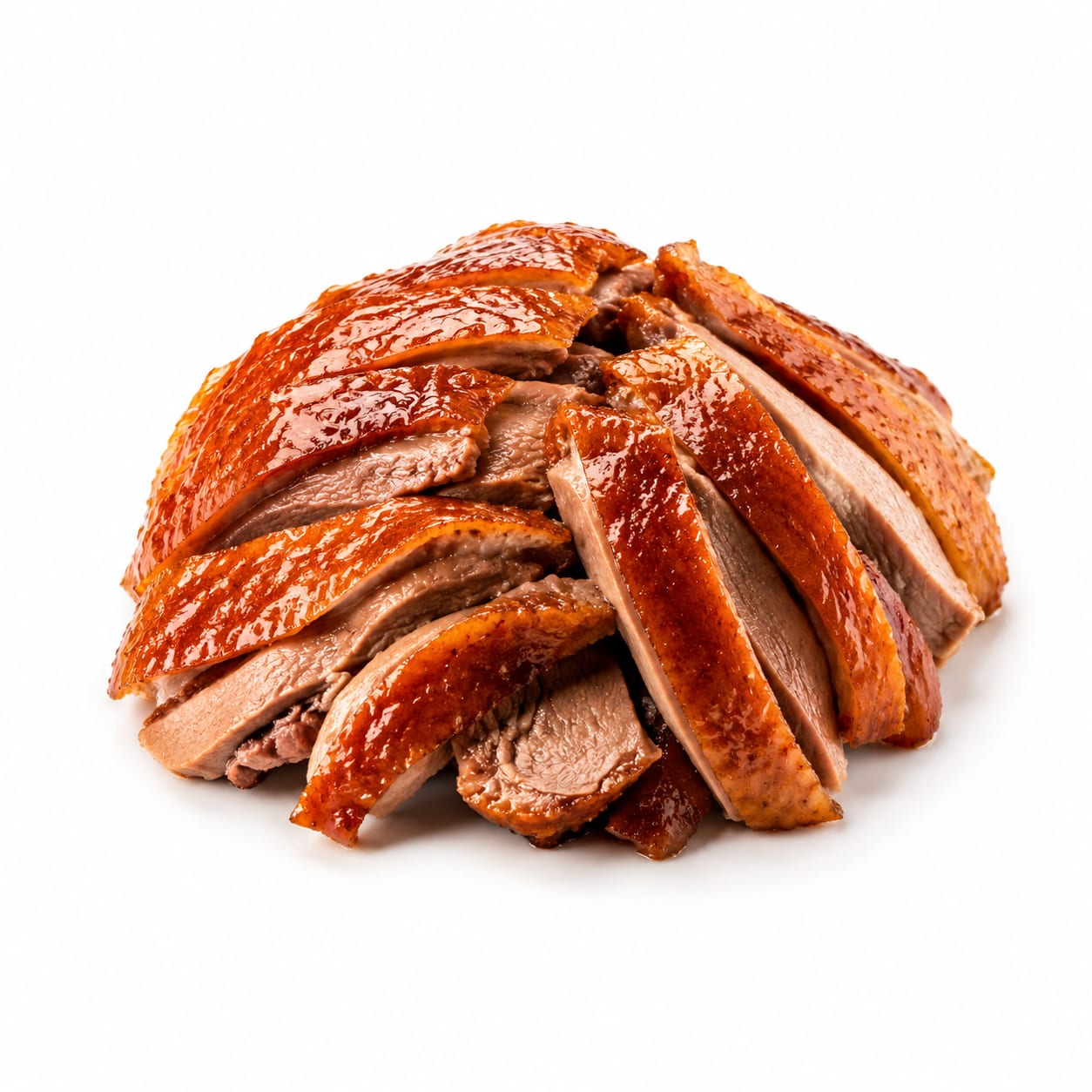
Duck
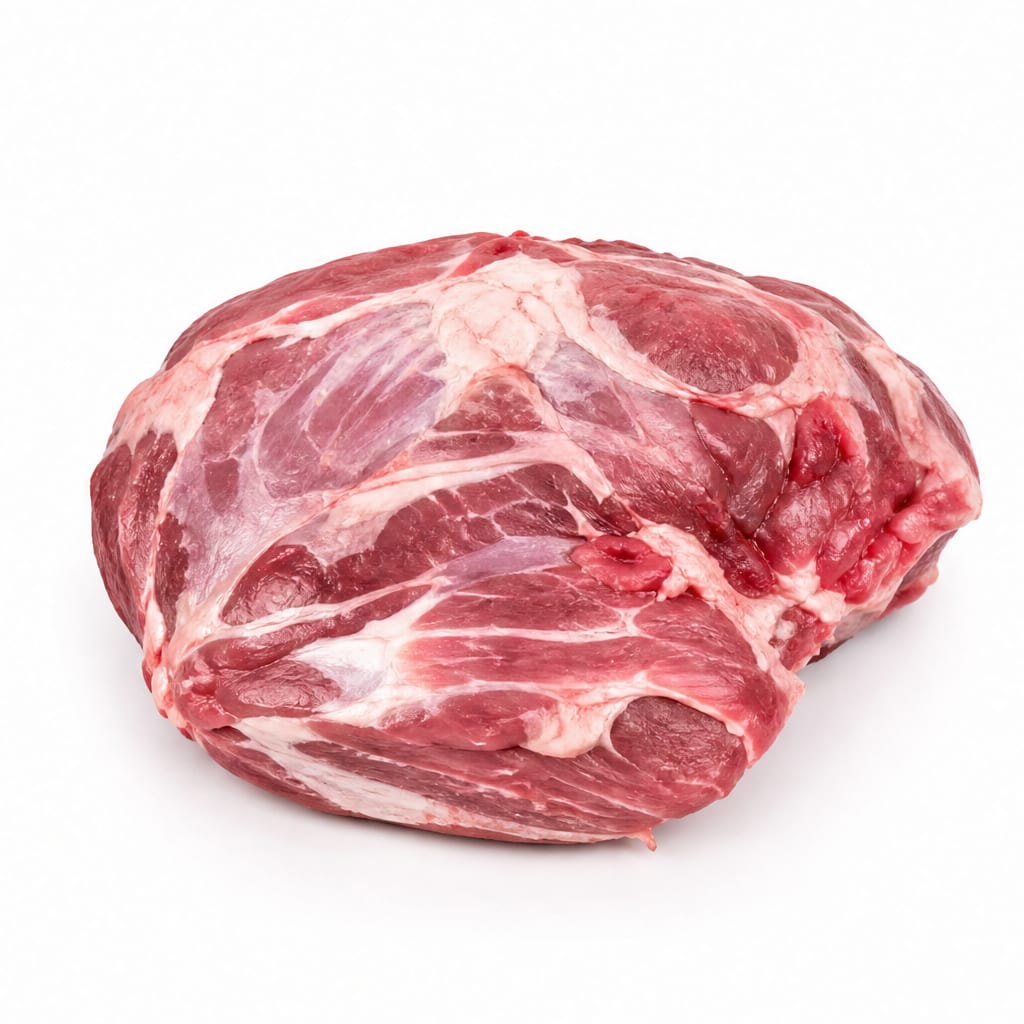
Lamb Shoulder
Duck offers a healthier fat profile and quicker cooking, while lamb shoulder delivers more protein per dollar and deeper slow-cooked comfort.
Duck edges ahead due to its superior fat profile and cooking convenience, but lamb shoulder remains competitive for protein density and iron content. Neither is an everyday health food — both are indulgent choices best enjoyed a few times per month.
Duck gives you heart-friendlier monounsaturated fat but less protein per serving; lamb shoulder packs more protein and iron but comes with more saturated fat and longer cook times.
At a glance
Executive summary
Overall
It depends
Healthier
Duck
More practical
Duck
Daily use
It depends
Key comparison lenses
fat quality and heart health impact
Both are fatty meats but with very different fat profiles — duck is uniquely high in monounsaturated fat while lamb shoulder leans heavily saturated
protein quality for muscle and satiety
Users comparing these two are often deciding between rich protein sources and want to know which keeps them fuller longer
inflammatory potential and long-term disease risk
Red meat consumption raises inflammation concerns; lamb shoulder carries more of this risk than duck
cooking practicality and versatility
Lamb shoulder demands slow cooking while duck can be roasted quickly — a real weeknight decision factor
micronutrient density and anemia prevention
Both are rich in iron and B12 but differ in bioavailability and supporting nutrients
Best choice for
Duck
- People prioritizing heart health and healthier fat intake
- Home cooks wanting a impressive meal in under 2 hours
- Those seeking richer flavor with less saturated fat
- Anyone monitoring saturated fat for cholesterol management
Lamb Shoulder
- Meal preppers and batch cooks who value leftovers
- Those needing maximum protein per serving on a budget
- People with higher iron needs or mild anemia
- Slow-cooking enthusiasts wanting fork-tender comfort food
Least suitable for
Duck
- Strict low-fat dieters who find duck too rich
- Budget-conscious shoppers watching per-pound costs
- People who dislike gamey or rich flavors
Lamb Shoulder
- Anyone short on time needing a quick dinner
- People strictly limiting saturated fat intake
- Those who find heavy meals uncomfortable before activity
Deep comparison
Dimension by dimension
Each lens scores both foods and breaks down who each option suits.
- Dimension 1 · Priority 92Duck
fat quality and heart health
Duck · 72Lamb Shoulder · 45Duck fat is surprisingly heart-friendlier — over half its fat is monounsaturated, similar to olive oil. Lamb shoulder is dominated by saturated fat.
Tradeoff
Duck still packs total fat and calories, so portion control matters. Lamb shoulder's saturated fat load is more concerning for cholesterol and heart health over time.
Why it matters
The type of fat you eat regularly shapes your cardiovascular risk more than total fat alone. Monounsaturated fats actively support healthier cholesterol levels.
Real-world impact
Choosing duck over lamb shoulder a few times a month means less saturated fat accumulation in your diet without sacrificing rich flavor.
Duck
- Heart-conscious eaters who still want indulgent meals
- People with mildly elevated LDL cholesterol
Better for
Lamb Shoulder
- People with existing heart disease or high cholesterol
- Anyone following a cardiologist-recommended low-sat-fat diet
Worse for
- Dimension 2 · Priority 85Lamb Shoulder
protein content and quality
Duck · 68Lamb Shoulder · 78Lamb shoulder delivers more protein per serving and more protein per dollar. Duck is no slouch but costs more for less total protein.
Tradeoff
Lamb shoulder's protein advantage comes wrapped in more saturated fat. Duck gives you slightly less protein but with a healthier fat backdrop.
Why it matters
For muscle maintenance, satiety, and blood sugar stability, protein quantity and quality both matter — and lamb shoulder wins on raw protein delivery.
Real-world impact
A lamb shoulder dinner keeps you fuller longer and supports muscle recovery better, but you pay for it with a heavier fat load.
Duck
- Those needing maximum protein on a budget
Worse for
Lamb Shoulder
- Athletes and lifters needing higher protein intake
- Anyone trying to maximize satiety per meal
Better for
- Dimension 3 · Priority 70Lamb Shoulder
iron and micronutrient density
Duck · 65Lamb Shoulder · 75Lamb shoulder provides more heme iron and slightly higher zinc. Duck offers excellent B12 and selenium but less total iron.
Tradeoff
If you struggle with low iron, lamb shoulder is the stronger choice. Duck still covers most micronutrient bases well.
Why it matters
Heme iron from red meat is the most absorbable form. For women, vegetarians transitioning back to meat, or anyone with low ferritin, this difference is meaningful.
Real-world impact
Eating lamb shoulder once a week can meaningfully boost iron stores faster than duck, especially for those prone to deficiency.
Duck
- People who get enough iron from other sources and want selenium and B12
Better for
- Those relying on a single meat source to correct iron deficiency
Worse for
Lamb Shoulder
- Women of reproductive age with higher iron needs
- Anyone recovering from iron-deficiency anemia
Better for
- Dimension 4 · Priority 75Duck
cooking convenience and versatility
Duck · 80Lamb Shoulder · 50A whole duck roasts in 90 minutes. Lamb shoulder needs 3-4 hours of slow braising to become tender.
Tradeoff
Duck is faster and more impressive for dinner parties. Lamb shoulder is more forgiving and produces better leftovers for meal prep.
Why it matters
The best protein source is the one you actually cook. If a food requires hours of active attention, you will reach for something easier on busy nights.
Real-world impact
Duck fits a Sunday dinner timeline. Lamb shoulder demands planning ahead — but rewards you with meals that stretch across the week.
Duck
- Weeknight cooks wanting something special in under 2 hours
- Dinner party hosts wanting visual impact
Better for
- Those who prefer set-it-and-forget-it cooking
Worse for
Lamb Shoulder
- Weekend meal preppers who cook once and eat for days
- Slow cooker and Dutch oven enthusiasts
Better for
- Anyone who needs dinner on the table in under an hour
Worse for
- Dimension 5 · Priority 80Duck
inflammatory potential
Duck · 62Lamb Shoulder · 48Lamb shoulder's higher saturated fat content is more inflammatory. Duck's monounsaturated fat profile is less likely to trigger inflammatory markers.
Tradeoff
Neither meat is anti-inflammatory. Both should be eaten in moderation, but duck is the gentler choice for people managing chronic inflammation.
Why it matters
Chronic low-grade inflammation drives joint pain, fatigue, and disease progression. Saturated fat from red meat consistently shows more inflammatory signaling than monounsaturated sources.
Real-world impact
If you have arthritis, autoimmune issues, or just feel sluggish after heavy red meat meals, duck will likely sit lighter than lamb shoulder.
Duck
- People managing chronic inflammation or autoimmune conditions
- Those who feel heavy or sluggish after red meat meals
Better for
Lamb Shoulder
- People with inflammatory conditions who eat red meat frequently
Worse for
- Dimension 6 · Priority 78Lamb Shoulder
satiety and fullness
Duck · 70Lamb Shoulder · 80Lamb shoulder's higher protein and denser texture make it more filling per serving. Duck is rich but can feel heavy without keeping you full as long.
Tradeoff
Lamb shoulder keeps hunger away for hours but may leave you feeling overly stuffed. Duck satisfies richly but you might be hungry again sooner.
Why it matters
Satiety determines whether you snack later. A meal that truly fills you prevents the 9 PM kitchen raid.
Real-world impact
A lamb shoulder dinner at 7 PM likely keeps you full until morning. Duck at the same time might have you craving a snack by 10 PM.
Duck
- Anyone prone to late-night snacking after dinner
Worse for
Lamb Shoulder
- People who skip snacks between meals and need long-lasting fullness
- Those trying to reduce overall eating frequency
Better for
- People who dislike the feeling of being overly stuffed
Worse for
Timeline
Health impact over time
Short-term
Hours to days
Duck
- Rich, satisfying meal that feels indulgent without the heavy sluggishness of beef or lamb
- Duck fat can aid absorption of fat-soluble vitamins from accompanying vegetables
- May cause mild digestive heaviness if portions are large due to high fat content
Lamb Shoulder
- Deeply filling meal that can cause food coma due to high protein and fat density
- Slow-cooked collagen supports joint comfort and gut lining integrity
- Heavy saturated fat load may cause sluggishness or brain fog in sensitive individuals
Long-term
Months to years
Duck
- Moderate duck consumption supports healthier cholesterol patterns thanks to monounsaturated fats
- Regular consumption still contributes significant calories — weight gain risk if portions are not managed
- Selenium and B12 intake supports thyroid function and nervous system health long-term
Lamb Shoulder
- Frequent lamb shoulder consumption raises saturated fat intake, potentially increasing cardiovascular risk over years
- Excellent heme iron intake prevents deficiency but excess iron can be harmful for men and postmenopausal women
- Collagen and glycine from slow-cooked connective tissue may support skin, joint, and gut health
Risk profile
Safety & processing
Both duck and lamb shoulder are whole, minimally processed cuts of meat. Neither typically contains additives when purchased fresh. The main concern is farming practices — conventionally raised duck may have antibiotic exposure, and lamb may carry pesticide residues from grazing land. Opting for pasture-raised or organic versions reduces these risks for both.
Duck
Campylobacter and Salmonella contamination
mediumDuck is poultry and carries standard poultry contamination risks. Always cook to 165°F (74°C) internal temperature and avoid cross-contamination with utensils and cutting boards.
Antibiotic and hormone exposure
lowConventionally farmed duck may receive antibiotics. US regulations prohibit hormones in duck production, but antibiotic practices vary by country. Choose organic or antibiotic-free if concerned.
Lamb Shoulder
Foodborne illness from improper slow cooking
mediumLamb shoulder requires long cooking at safe temperatures. If slow-cooked at too low a temperature, bacteria can survive. Ensure internal temperature reaches at least 145°F (63°C) with rest time.
Parasite contamination (less common in modern supply)
lowLamb can carry Toxoplasma in some regions. Commercially raised lamb in the US and EU is generally safe, but undercooked lamb should be avoided by pregnant women and immunocompromised individuals.
Who wins for whom
Audience fit
Same foods, different winners depending on your goal.
children
Lamb ShoulderLamb shoulder's higher iron and zinc content supports growing bodies. The tender slow-cooked texture is also easier for young children to chew. Just keep portions moderate due to saturated fat.
daily consumption
It dependsNeither should be eaten daily — both are rich, calorie-dense meats best enjoyed a few times per month. Duck is slightly gentler for more frequent consumption due to its fat profile, but variety is always the healthier approach.
diabetes
DuckBoth meats have zero carbohydrates and minimal blood sugar impact. Duck's healthier fat profile is less likely to worsen insulin resistance over time compared to lamb shoulder's saturated fat.
elderly
DuckDuck is easier to chew when roasted properly and its monounsaturated fat is gentler on aging cardiovascular systems. The selenium content also supports immune function in older adults.
muscle gain
Lamb ShoulderLamb shoulder provides more total protein per serving and more protein per dollar, making it the better choice for building and maintaining muscle mass.
weight loss
DuckDuck's monounsaturated fat is less likely to be stored as body fat compared to lamb shoulder's saturated fat. Both are calorie-dense, but duck's fat profile is slightly more favorable for fat loss when portions are controlled.
Your move
Decision guide
Choose Duck
- You want a rich, impressive meal without the saturated fat hit of red meat
- Heart health is a priority and you are watching cholesterol
- You are cooking for a special occasion and want something that feels luxurious
- You prefer quicker cooking times and crispy skin textures
Choose Lamb Shoulder
- You need maximum protein and iron per serving
- You are meal prepping for the week and want leftovers that reheat beautifully
- You love slow-cooked, fork-tender comfort food
- Budget matters and you want more meat for your money
Either works if
- You simply want a satisfying, protein-rich dinner and both are available
- You are rotating through different protein sources for dietary variety
- Neither meat is a staple in your diet and this is an occasional indulgence
Avoid both if
- You are strictly limiting saturated fat and total fat intake
- You have gout or severe uric acid issues — both are moderately high-purine meats
- You eat red meat or poultry daily and need to reduce overall meat consumption
Final recommendation
Choose duck when you want a healthier fat profile and a quicker, more elegant meal. Choose lamb shoulder when protein, iron, and budget matter more than fat quality. Both are best enjoyed occasionally — not as weekly staples. If heart health is your top concern, duck is the smarter indulgence. If you are feeding a family or building muscle on a budget, lamb shoulder gives you more for your money.
Practical
Consumer tips
- 1
Remove duck skin before eating to cut fat and calories by roughly 40% — though you lose the crispy texture that makes duck special
- 2
Save duck fat from roasting — it is excellent for roasting potatoes and has a better fat profile than butter or lard
- 3
Braise lamb shoulder with aromatic vegetables and wine — the collagen breaks down into gelatin, creating a rich, gut-friendly sauce
- 4
Pair either meat with bitter greens or cruciferous vegetables — their fiber helps your body process the heavy fat load
- 5
Buy pasture-raised lamb when possible — it has a better omega-3 to omega-6 ratio and fewer antibiotic concerns
- 6
Freeze lamb shoulder portions after cooking — it reheats beautifully and prevents overeating in one sitting
- 7
If cholesterol is a concern, limit either meat to once or twice a month and balance with fish and plant proteins the rest of the week